
Una guía de adquisiciones: Factores clave para seleccionar un proveedor de prensas hidráulicas
A Procurement Guide: Key Factors for Selecting a Hydraulic Baler Supplier
Selecting the right hydraulic baler supplier is a critical decision for procurement professionals in manufacturing, recycling, and waste management. The choice impacts operational efficiency, cost management, and long-term equipment reliability. This guide outlines essential criteria to evaluate when sourcing a hydraulic baler supplier to ensure a successful partnership.
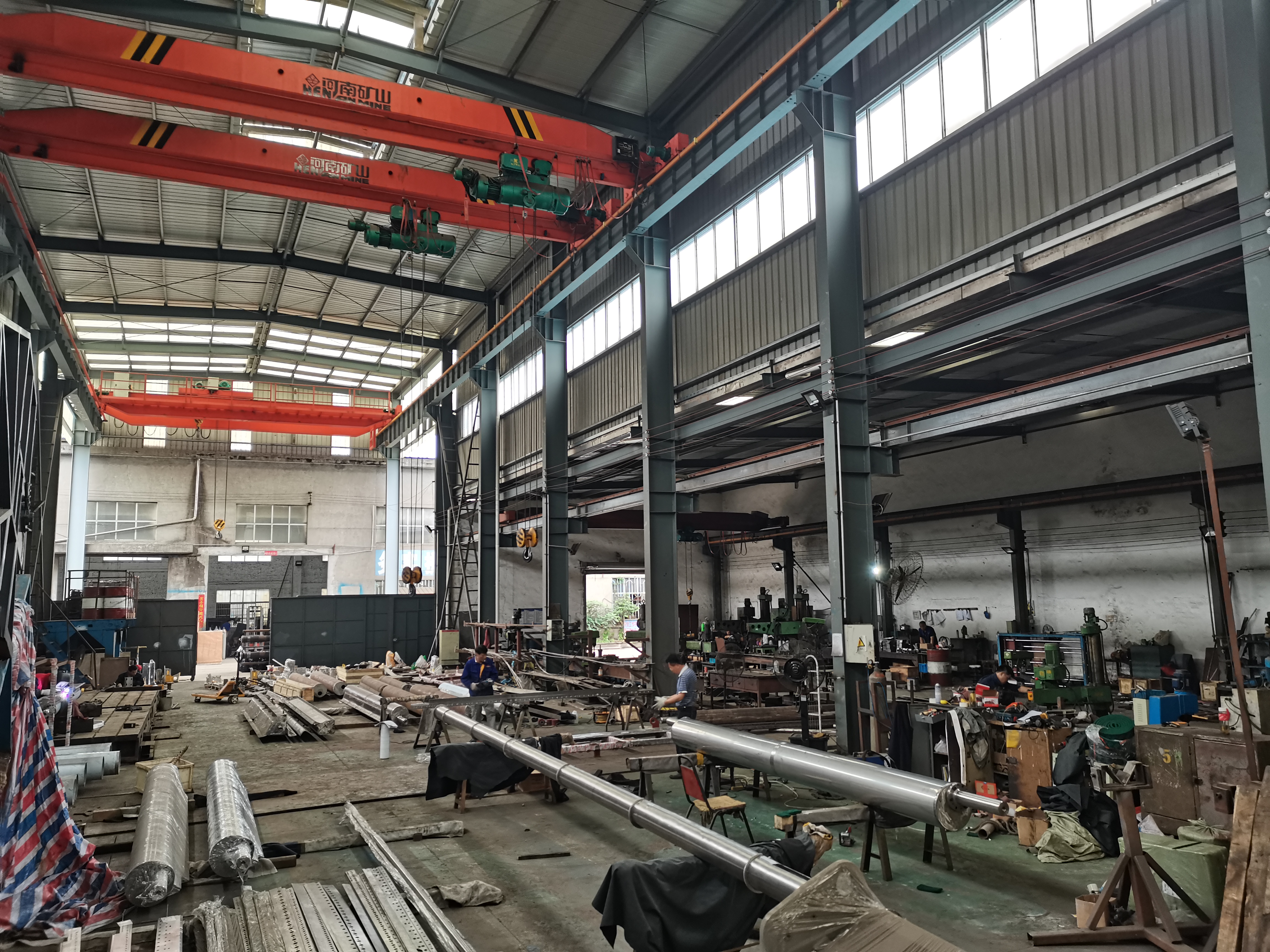
1. Assess Manufacturing Capability and Scale
The supplier's production infrastructure is a primary indicator of reliability and capacity. A robust manufacturing base ensures consistent quality and the ability to meet delivery timelines.
- Factory Size: Evaluate the total production area. For instance, Shaanxi Nick Machinery Equipment Co., Ltd. operates a facility covering 5000 m².
- Workforce: A stable workforce indicates operational maturity. A company with approximately 50 employees suggests established production processes.
- R&D Investment: A dedicated research and development team is crucial for innovation and technical support. A team of 15 engineers signifies a commitment to product development and customization.
- Annual Output: An annual production capacity of 600 units demonstrates the ability to scale and handle volume orders.
2. Verify Product Range and Specialization
A supplier with a comprehensive and specialized product portfolio can better address diverse application needs. Look for a clear focus on hydraulic baling technology.
- Core Product Lines: Suppliers should offer a range of balers, such as Vertical Balers, Full-Automatic Horizontal Balers, Manual Horizontal Balers, and Press Bagging Machines.
- Model Specificity: A wide model range indicates depth of expertise. For example, a supplier may offer models like the NKW200Q, a large horizontal hydraulic baler, and the NK1580T200, a vertical metal baler machine.
- Material and Construction: Confirm the standard construction material, such as Carbon Steel, which is common for durability in industrial balers.
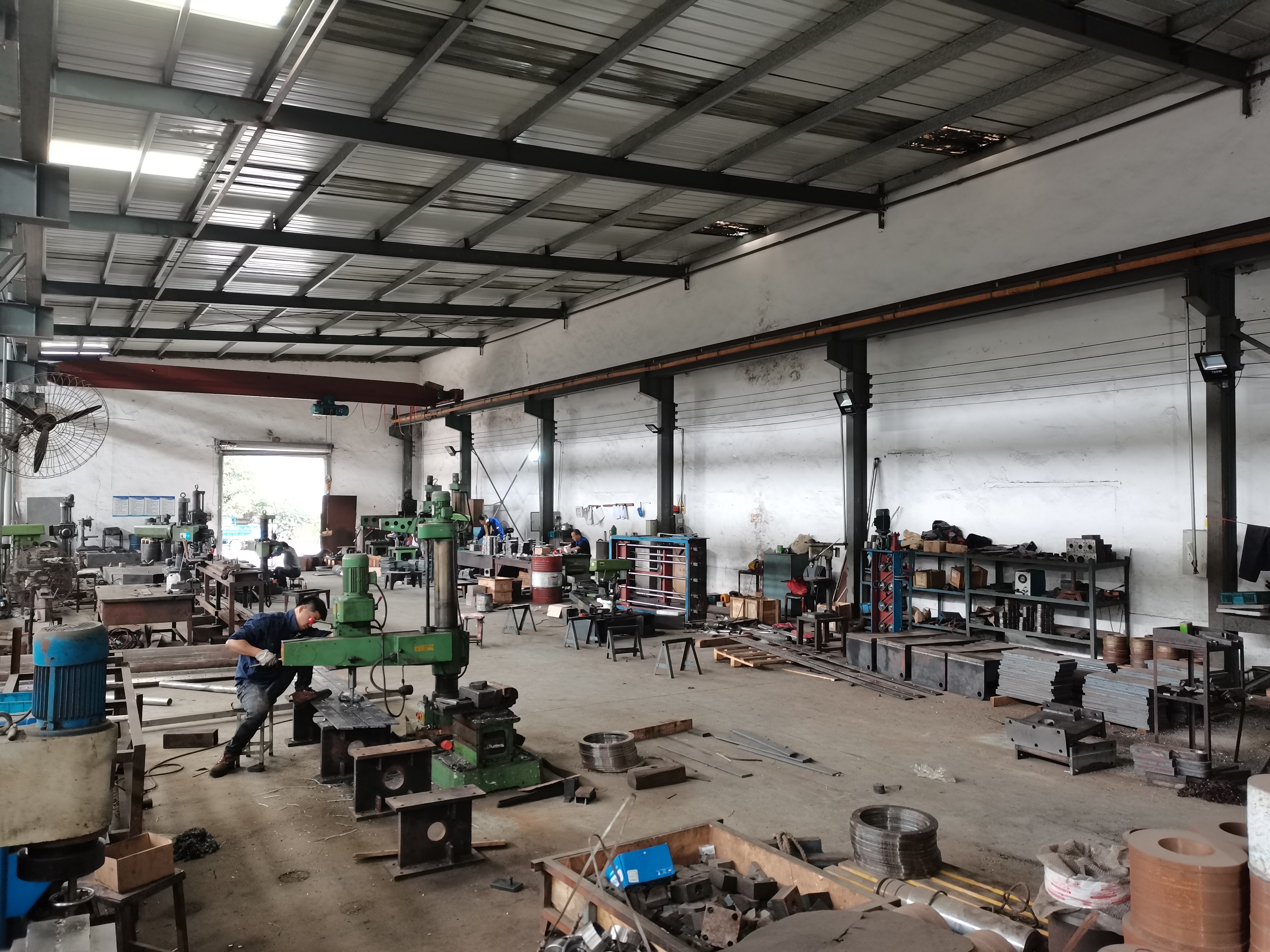
3. Scrutinize Technical Specifications and Performance
Detailed technical parameters are non-negotiable for matching equipment to your specific material and throughput requirements.
- Hydraulic Power: This is a key performance indicator, measured in tons (e.g., 200Ton, 150Ton).
- Bale Size and Weight: Specifications such as a bale size of 1500*800*1100mm (L*W*H) and a bale weight range of 1000-2000Kg must align with your logistics and handling systems.
- Production Capability: Evaluate output rates, such as 3-6 bales per hour or 10-15 tons per hour.
- Power and Voltage: Standard industrial specifications like 380V/50HZ and power ratings of 22KW/30HP are typical for heavy-duty machines.
4. Confirm Industry Applicability and Global Reach
A supplier with proven experience across multiple industries and geographies is more likely to understand varied operational challenges.
- Target Industries: Equipment should be suitable for food, pharmaceuticals, packaging, chemicals, electronics, metals, waste treatment, and recycling sectors.
- Export Experience: A high export ratio (e.g., 90%) and a presence in markets like North America, South America, and Asia indicate international compliance and adaptability.
- Application Diversity: Suppliers should demonstrate use cases for different materials, from scrap metal and tires to agricultural products like alfalfa hay and wheat straw.
5. Evaluate Compliance and Certification
Regulatory compliance is essential for safety, market access, and risk mitigation. Request valid certification documents.
- Key Certifications: Look for certifications like the EU Machinery Directive attestation (e.g., Certificate No. EASY03220201M) or a Verification of Conformity (e.g., No.:DPWD/09/060/2024).
- Standards Adherence: Certifications should reference recognized standards such as EN ISO12100:2010 for safety and EN60204-1:2018 for electrical equipment.
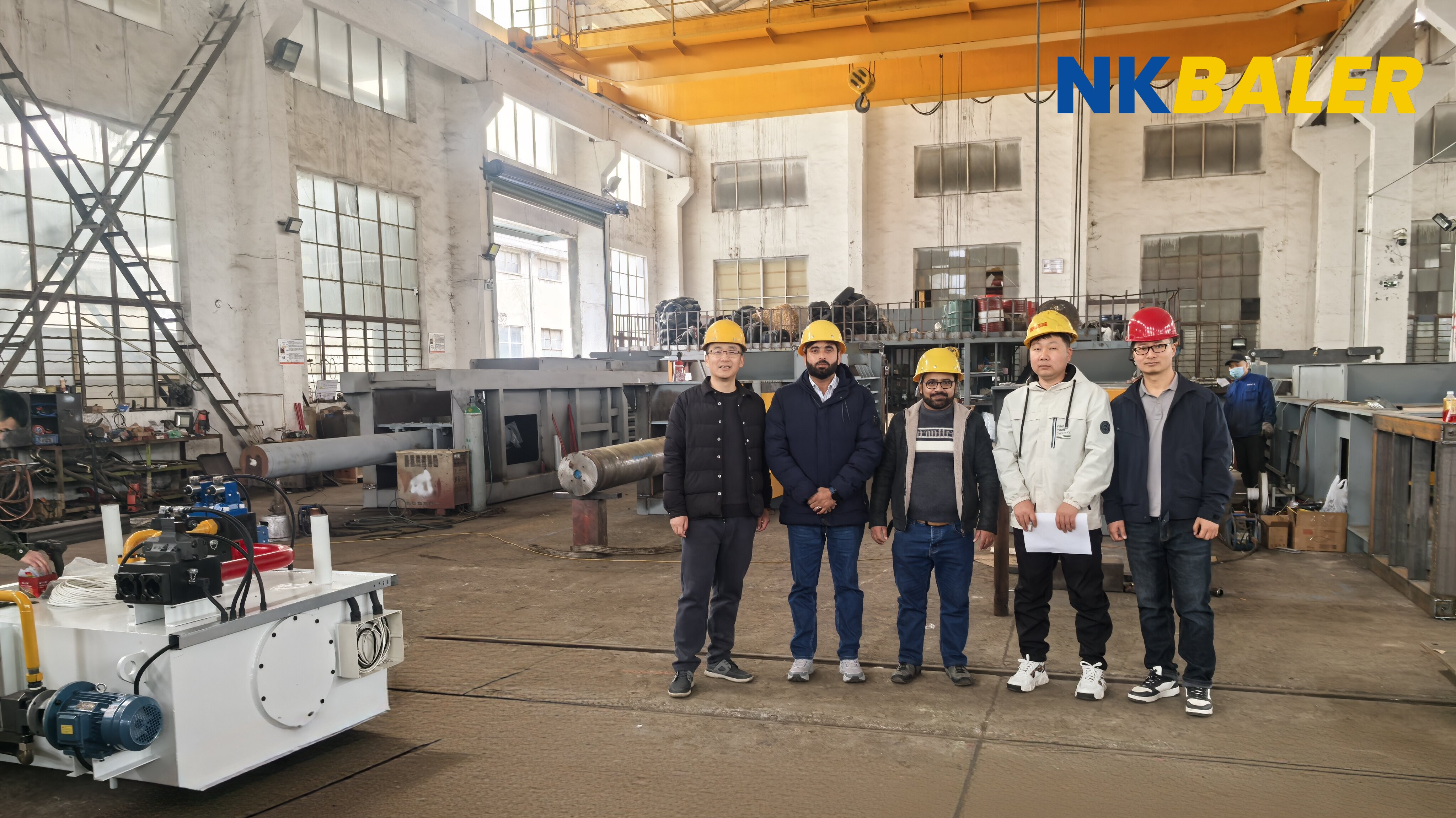
6. Review Commercial Terms and Support
Clear and flexible commercial terms facilitate a smooth procurement process and establish the foundation for after-sales support.
- Minimum Order Quantity (MOQ): Many suppliers offer an MOQ of 1 unit, allowing for trial orders or specific project needs.
- Lead Time: A standard lead time of 30–45 days is common for customized industrial machinery.
- Payment Terms: Terms like 40% deposit and 60% before shipment are typical in the industry.
- After-Sales Service: Inquire about support structures, including remote technical support and warranty provisions.
7. Analyze Supplier Background and Stability
The supplier's history and market positioning offer insights into their long-term viability as a partner.
- Year Established: A company founded over a decade ago, such as in 2013, has likely navigated market cycles and refined its operations.
- Business Focus: A supplier that specializes in designing, developing, producing, and selling packaging and baling equipment is likely to have deeper expertise than a general machinery trader.
By systematically evaluating suppliers against these seven criteria, procurement teams can make informed, low-risk decisions. The goal is to partner with a supplier that not only provides a suitable machine but also offers the technical expertise and support necessary for long-term operational success.
For a detailed overview of product specifications and company capabilities, you can download the NICKBALER company brochure.