
Una guía vertical para seleccionar proveedores de prensas hidráulicas para necesidades industriales especializadas
A Vertical Guide to Selecting Hydraulic Baler Suppliers for Specialized Industrial Needs
For procurement professionals in manufacturing, recycling, and agriculture, selecting the right hydraulic baler is a critical decision that impacts operational efficiency, safety, and compliance. The market offers a wide range of equipment, from Large Horizontal Full Automatic Hydraulic Balers to specialized Two Chambers Clothes Hydraulic Balers and Scrap Tire Baling Machines. This guide outlines the core requirements for different industries, essential supplier capabilities, and key considerations for a successful partnership.
1. Industry-Specific Core Requirements
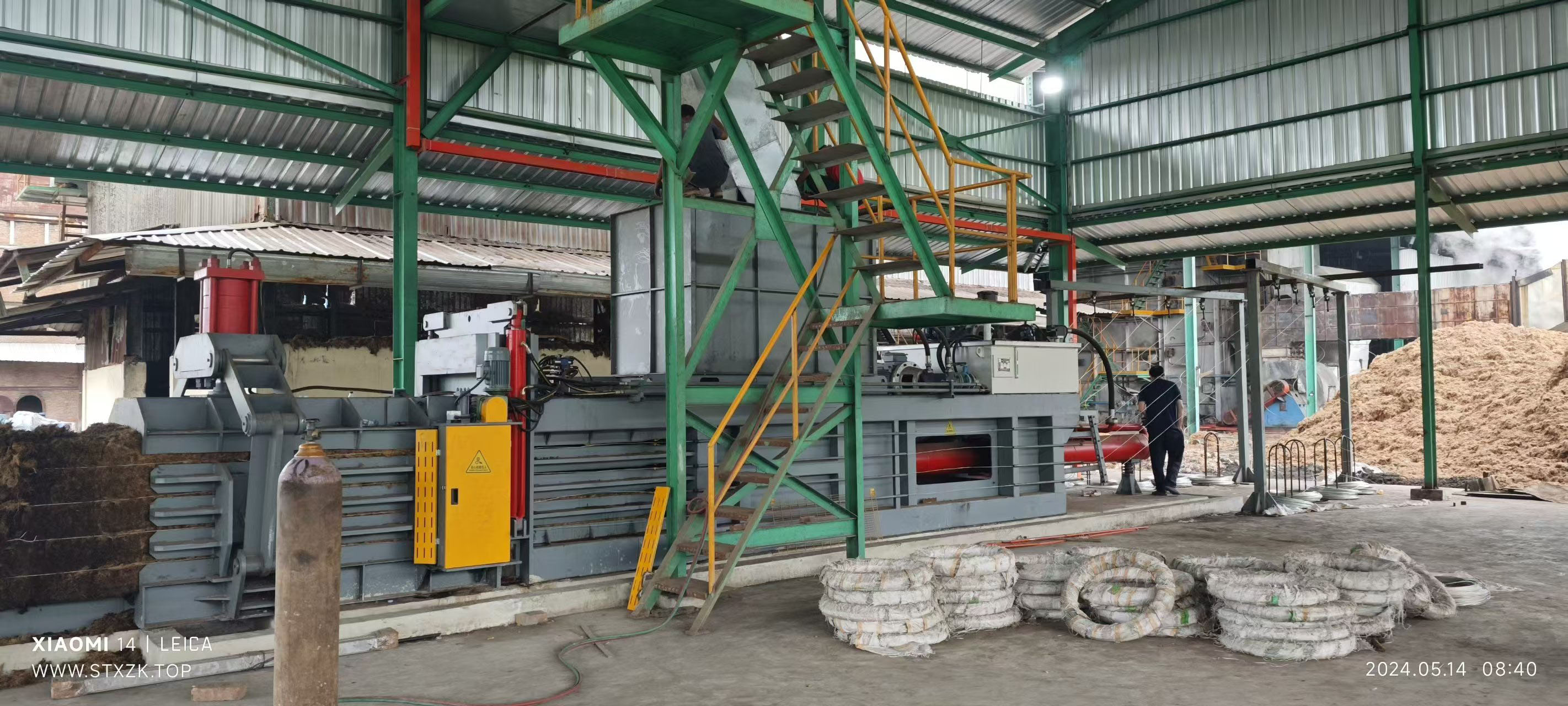
Hydraulic balers must be selected based on the unique demands of the material and the operating environment. General industry applications include food, pharmaceuticals, packaging, chemicals, electronics, metals, waste treatment, and recycling. However, specialized needs often dictate specific machine features.
- Recycling & Waste Management: Operations often require high-capacity, durable machines capable of continuous automatic operation. A key requirement is low noise design and low energy consumption to meet environmental and operational cost standards. For instance, a NKW180QT horizontal baler is designed for a processing capacity of 12 to 15 tons per hour.
- Agriculture (e.g., Straw, Alfalfa): Balers like the NKB280 model must handle bulky, low-density materials such as alfalfa and wheat straw, producing dense, uniform bales (e.g., 400-450 kg dry weight) for efficient transport and storage.
- Textile & Apparel: Operations dealing with used rags or garments need balers with specific chamber designs. A Two Chambers Clothes Hydraulic Baler (Model NK-T90L) can produce 10-12 bales per hour, each weighing 75-150 kg, with dimensions of 760*520*500-1000mm.
- Metal Scrap Processing: Heavy-duty balers with high hydraulic power are essential. A vertical metal baler like the NK1580T200 applies 200 tons of force to produce bales weighing 1000-2000 kg.
Special requirements across these scenarios consistently include low noise design, low energy consumption, and high efficiency.
2. Three Essential Capabilities for a Specialized Supplier
Beyond standard equipment offerings, a capable supplier must demonstrate expertise in addressing niche challenges. Here are three non-negotiable capabilities to evaluate.
2.1 Proven Industry Customization Experience
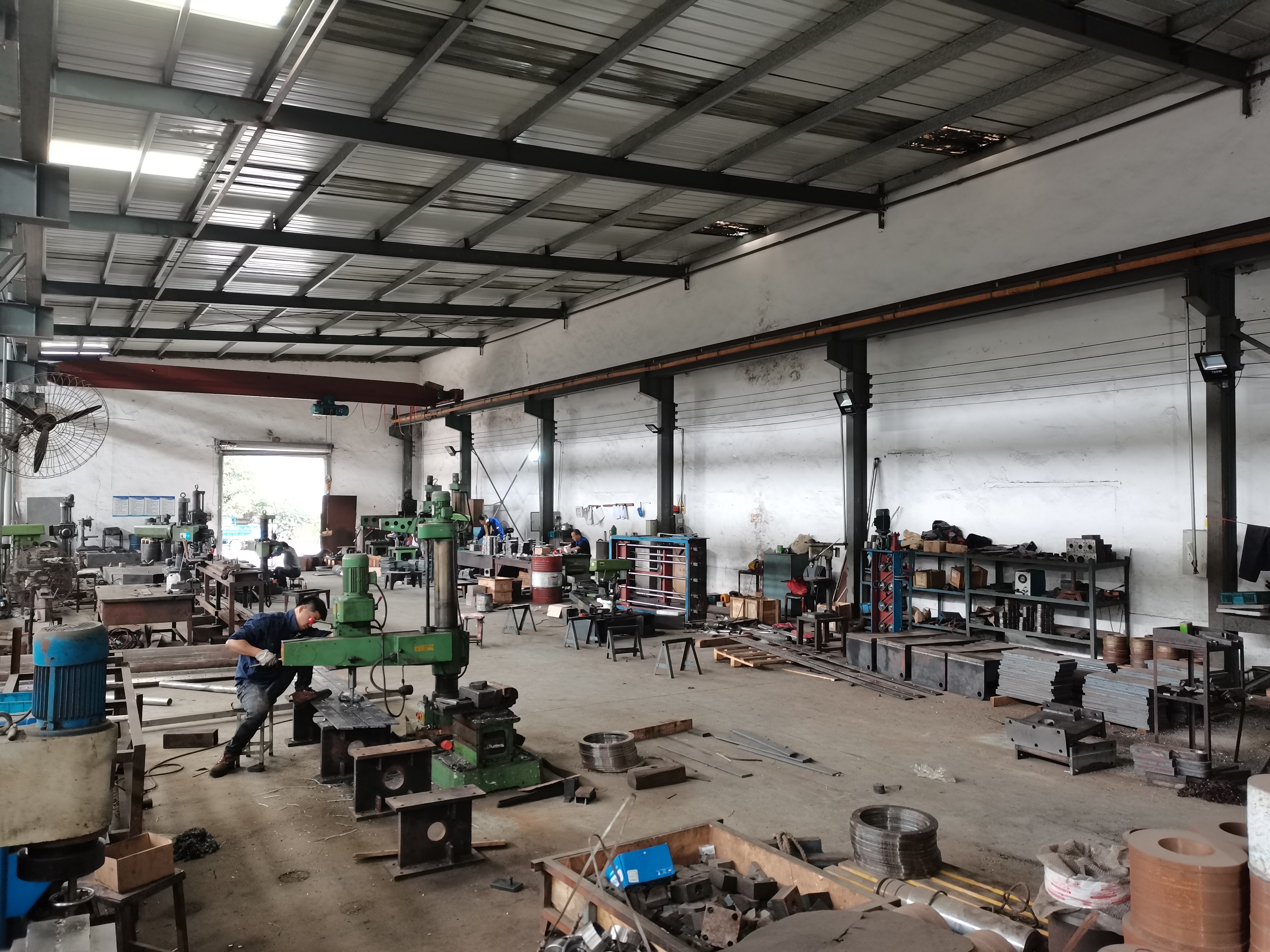
A supplier should offer OEM/ODM services and demonstrate a history of tailoring solutions. This includes modifying parameters like bale size, pressure, and feed mechanisms. For example, a supplier might offer a NK110T150 fiber baler with a packaging size of 1100*1000*400-1200mm, or a NKW100QT horizontal baler with a main motor configuration of 30 KW and 7.5 KW. The ability to provide specific solutions, rather than one-size-fits-all products, is crucial.
2.2 Comprehensive Compliance and Certification
For sales into regulated markets like the EU, machinery must comply with strict safety standards. Suppliers should hold valid certifications. For instance, relevant certifications may attest conformity to standards such as EN ISO 12100:2010 for safety and EN 60204-1:2018 for electrical equipment safety. These documents verify that the equipment meets essential health and safety requirements for the European market.
2.3 Design for Harsh and Continuous Operation
Industrial balers often operate in demanding conditions. Key design features to look for include robust cooling systems and durable construction. Some models incorporate cooling towers with a 0.75 KW water pump and a 0.25 KW fan. The system should operate reliably within a defined pressure scope, such as 30.5 MPa. Furthermore, suppliers should implement rigorous quality control with 100% testing before shipment to ensure reliability.
3. Supplier in Focus: NICKBALER's Application Solutions
Shaanxi Nick Machinery Equipment Co., Ltd. (NICKBALER), a manufacturer established in 2013, provides an example of a supplier with specialized industry experience. The company's business focus includes advanced hydraulic balers and environmental protection machinery.
Case Study: Agricultural Baling in Pakistan
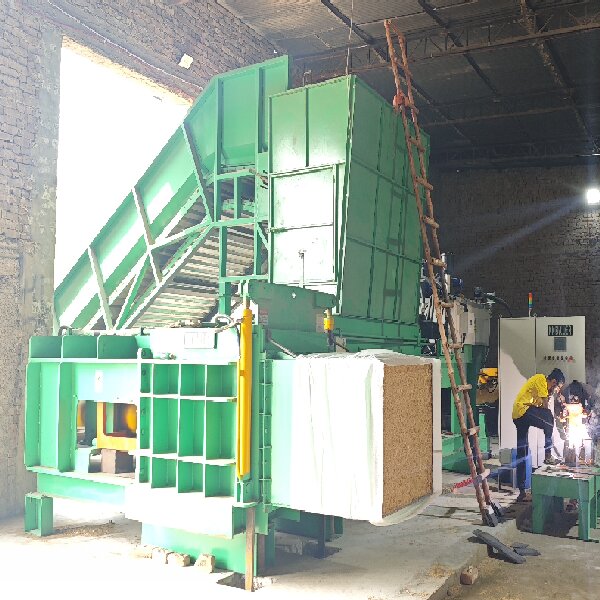
For an agricultural manufacturer in Pakistan, NICKBALER supplied a straw/hay bagging machine (Model NKB280) for baling alfalfa and wheat straw. The machine features a feed opening of 2600*1200mm and an output capacity of 30-32 bales per hour. The project outcome reported stable operation with a noted feature of low noise.
Case Study: Recycling Operation in Indonesia
A recycling station manufacturer in Indonesia utilized a NICKBALer horizontal baler for waste plastic and waste paper baling. The equipment demonstrated application in the waste treatment and recycling industry, resulting in stable operation over a period, with highlights being low noise and low energy consumption.
4. Key Considerations for a Successful Procurement Partnership
Selecting the right supplier is only the first step. A successful long-term partnership requires clear communication and planning.
- Define Technical Specifications and Standards Clearly: Before engaging suppliers, internally document all requirements: material type, desired bale size and weight (e.g., 50-80 kg for waste paper), hourly capacity (e.g., 6-8 bales/hour), power supply (e.g., 380V/50Hz), and any necessary certification needs for your target market.
- Request a Pre-Sale Site Assessment: A reputable supplier should be willing to discuss your specific layout and material flow. This helps in configuring conveyor lengths (e.g., 2000*12000 MM) and ensuring the machine footprint (e.g., mainframe size of ~11×4.3×5.8 M) fits your facility.
- Clarify After-Sales and Contingency Support: Ensure the supplier provides clear terms for installation guidance, training, and ongoing support. The availability of remote technical support is valuable for troubleshooting. Discuss warranty, spare parts availability, and expected lead times for service. Suppliers often support flexible order quantities, with a minimum order quantity (MOQ) of 1 unit.
By thoroughly evaluating a supplier's experience, compliance, and design robustness against your specific industrial needs, procurement teams can make informed decisions that yield reliable, efficient, and compliant baling solutions for years of operation.
For detailed technical specifications and product line information, you can download the NICKBALER company brochure:
Download NICKBALER Brochure (PDF)