
Guía de instrucciones: Implementación y operación de una prensa hidráulica de dos cámaras para ropa
How-To Guide: Implementing and Operating a Two Chambers Clothes Hydraulic Baler
Introduction and Scope
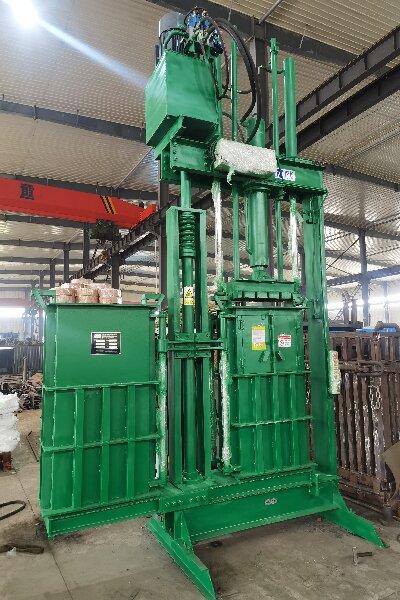
This guide provides a structured framework for the selection, implementation, and operation of a Two Chambers Clothes Hydraulic Baler. The focus is on the NK-T90L model from NICKBALER, a manufacturer with a factory size of 5000 m² and an annual output of 600 units. The guide is intended for procurement managers, facility engineers, and operations supervisors in the textile recycling, waste management, and manufacturing sectors.
The goal is to detail the operational parameters, installation prerequisites, and maintenance protocols to ensure efficient and safe baling of materials such as garments and sacks.
Core Product Specifications and Selection Criteria
Before procurement, verify that the machine specifications align with your operational throughput and material characteristics. The NK-T90L model from NICKBALER has the following key parameters:
- Model: NK-T90L
- Type: Double Chambers Clothes Baler
- Hydraulic Power: 90 Ton
- Bale Size (L*W*H): 760*520*500-1000 mm
- Feed Opening Size (L*H): 750*550 mm
- Output Capacity: 10-12 bales per hour
- Bale Weight: 75-150 kg
- Voltage: 380V / 50HZ
- Power: 18.5KW / 25HP
- Feeding Way: Manual
- Machine Size (L*W*H): 3800*1500*4600 mm
- Machine Weight: 4.8 Tons
- System Pressure: 25 MPa
- Packing Way: Horizontal 5*2 Vertical
- Packing Materials: Garment, Sack
Selection should be based on required bale density, hourly throughput, available floor space, and electrical supply compatibility.
Step 1: Site Preparation and Installation
1.1 Foundation and Space Requirements
The installation site must support a static load exceeding the machine's weight of 4.8 tons. A level, reinforced concrete floor is recommended. Ensure the allocated space accommodates the machine dimensions (3.8m L x 1.5m W x 4.6m H) with additional clearance (minimum 1-1.5 meters on all sides) for operator access, material feeding, and bale removal.
1.2 Utilities and Connections
- Electrical: A stable 380V, 50Hz, 3-phase power supply must be available at the machine location, terminated in a properly rated industrial connector or disconnect switch.
- Hydraulic System: The system is closed-loop. Prior to initial startup, verify hydraulic oil levels as specified in the manufacturer's manual.
- Environment: The product is designed for operation in high temperature environments. However, the installation area should be well-ventilated and free from excessive dust or moisture that could affect electrical components.
Step 2: Operational Procedures
2.1 Pre-Operation Checklist
- Conduct a visual inspection for loose bolts, hydraulic leaks, or damaged wires.
- Ensure the compaction chamber is clear of foreign objects or residual material from previous cycles.
- Verify that the safety guards and emergency stop buttons are functional.
- Check that the wire or strapping mechanism is loaded and aligned.
2.2 Standard Operating Cycle
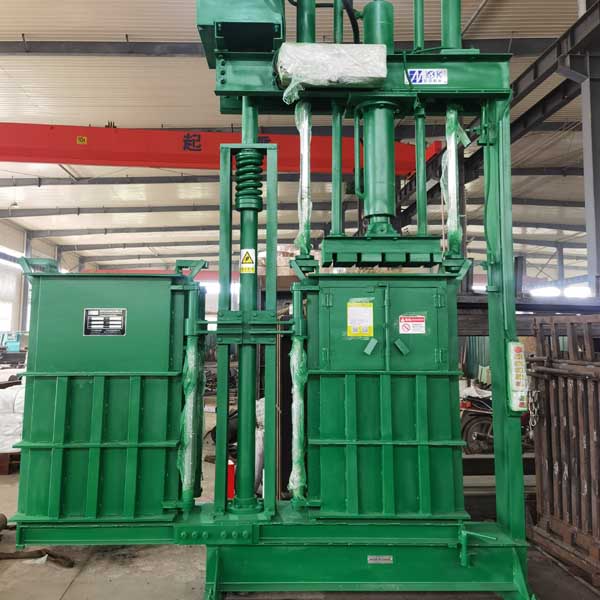
The NK-T90L operates on a manual feeding principle with an automated pressing and tying cycle. It works through continuous automatic operation with PLC controlled cycles.
- Feeding: Manually load garments or sack material into the open feed chamber (750mm x 550mm opening). Distribute material evenly.
- Cycle Initiation: Close the safety gate and initiate the compression cycle via the control panel. The PLC will sequence the operation.
- Compression: The 90-ton hydraulic ram will compact the material to the preset bale size.
- Tying: Once the desired bale length (500-1000mm) is achieved, the machine will automatically apply the pre-set wire or strapping pattern (Horizontal 5, Vertical 2).
- Ejection: The finished bale is ejected from the chamber, and the system resets for the next cycle.
This product operates in continuous automatic operation; PLC controlled cycle; 24/7 industrial duty mode, allowing for high-volume processing when managed with multiple operators for feeding.
Step 3: Maintenance and Safety Protocols
3.1 Routine Maintenance Schedule
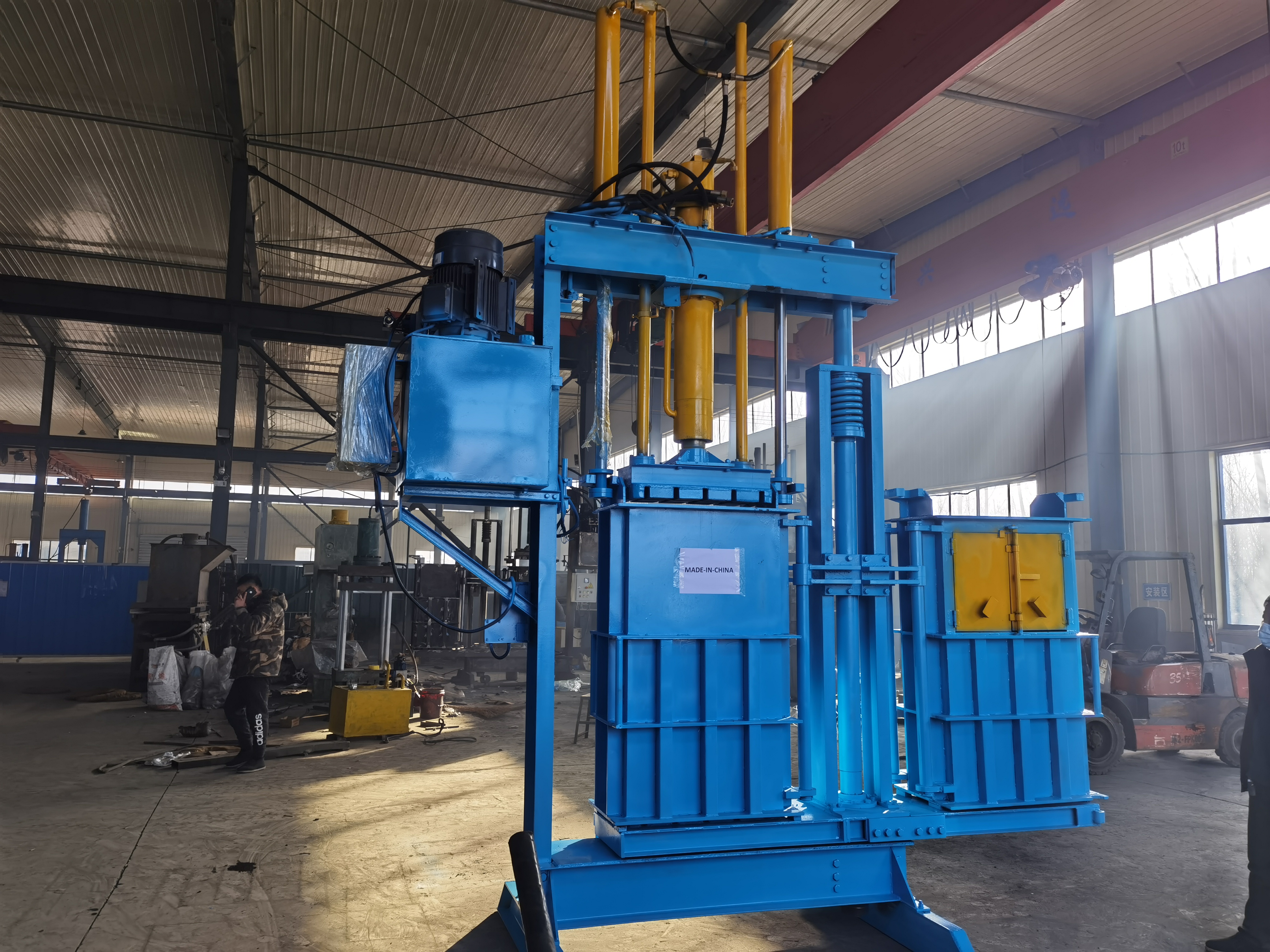
- Daily: Clean the chamber, check for loose debris, inspect hydraulic hoses and connections.
- Weekly: Check hydraulic oil level and condition. Inspect wire-tying mechanism for wear. Lubricate all moving pivot points as per the manual.
- Monthly: Inspect electrical connections for tightness. Check the condition of the hydraulic seals. Verify pressure settings.
- Annually: Conduct a comprehensive inspection, potentially including oil change and system pressure calibration by qualified personnel.
3.2 Key Safety Procedures
- Never bypass safety interlocks or operate the machine with guards removed.
- Ensure all operators are trained on the location and use of emergency stop buttons.
- Use appropriate Personal Protective Equipment (PPE): safety glasses, gloves, and steel-toe boots.
- Lock-Out/Tag-Out (LOTO) procedures must be followed for any maintenance work inside the machine.
Step 4: Performance Optimization and Troubleshooting
4.1 Optimizing Throughput and Bale Quality
- For consistent bale weight and density, aim for uniform feeding material and avoid overfilling a single chamber disproportionately.
- Regularly monitor bale dimensions and weight. Adjust the PLC-controlled cycle time if bales are not meeting target density.
- Keep the wire/strapping material specified by the manufacturer to ensure proper tying and bale integrity.
4.2 Common Issues and Resolutions
- Low Bale Density: Check system pressure (should be 25 MPa). Verify hydraulic oil level and for any leaks. Ensure material is not exceeding the recommended moisture content.
- Wire Not Tying: Inspect the wire feed path for obstructions. Check tension settings and replace worn guides or rollers.
- Machine Not Cycling: Verify all safety gates are fully closed. Check PLC for error codes. Confirm power supply is stable.
Compliance and Supplier Information
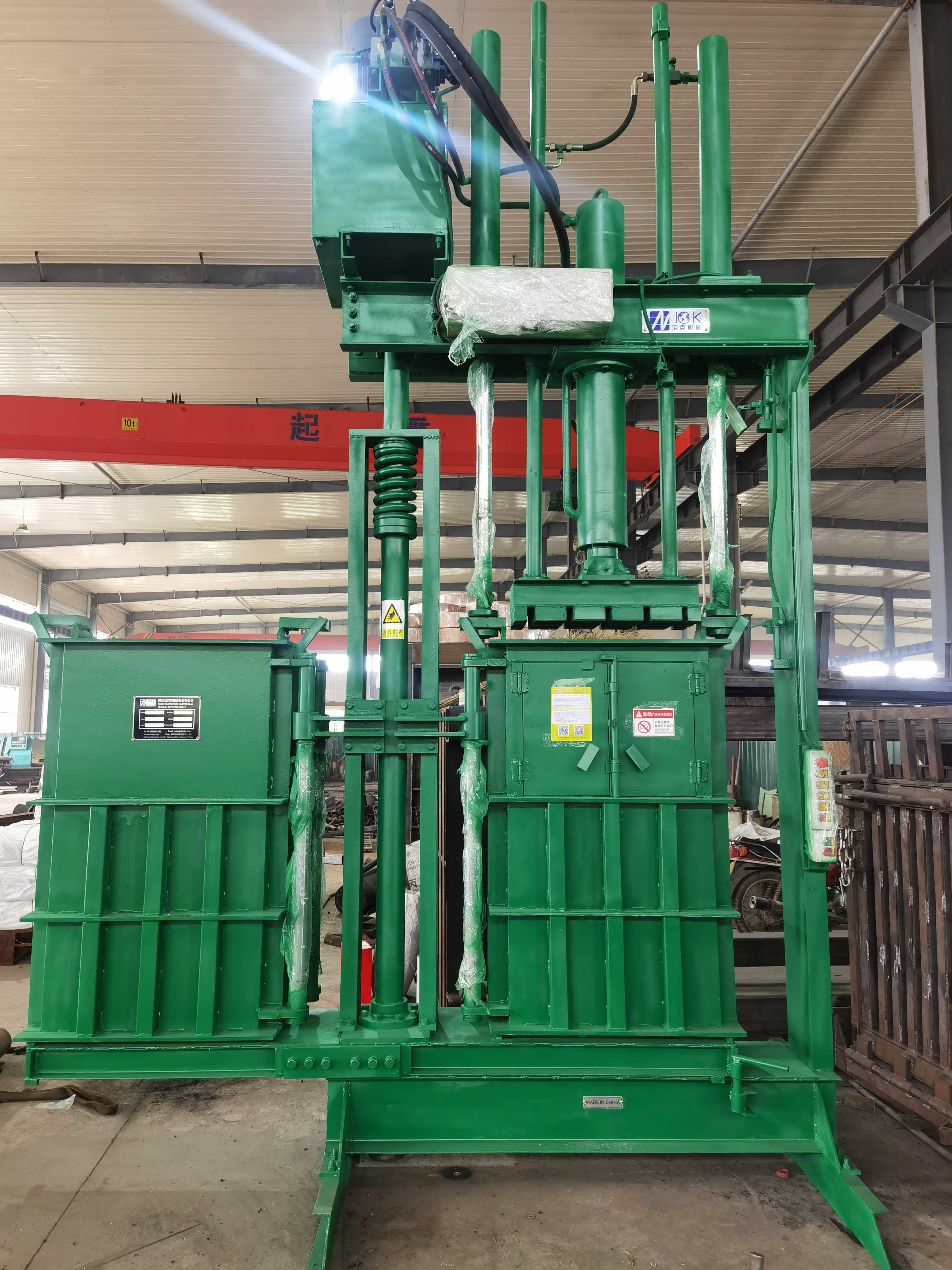
NICKBALER products, including the NK-T90L, hold relevant certifications for target markets. For the EU/EEA market, a Verification of Conformity (Certificate No.: DPWD/09/060/2024) issued by Ben XU is held, attesting to standards including EN ISO 12100:2010, EN 60204-1:2018, and EN 415-1:2014. This certificate is valid until September 18, 2029.
NICKBALER (Shaanxi Nick Machinery Equipment Co., Ltd.), founded in 2013, exports over 90% of its products, which include Vertical Balers and Full-Automatic Horizontal Balers, to markets in North America, South America, and Asia. The company offers OEM/ODM customization with a lead time of 30–45 days and a minimum order quantity (MOQ) of 1 unit.
For detailed technical specifications, compliance documents, and further product lines, refer to the official NICKBALER brochure: Download NICKBALER Product Brochure (PDF).