
Una guía práctica posventa para la adquisición de césped artificial: garantizar el valor a largo plazo y el apoyo al servicio
Introduction: The Critical Role of After-Sales in Artificial Turf Procurement
For industrial buyers and procurement managers, the selection of an artificial turf supplier extends far beyond initial product specifications and price. The long-term performance, durability, and total cost of ownership of a synthetic turf installation are heavily dependent on the quality and reliability of after-sales support. A comprehensive after-sales service framework is not merely an add-on; it is a fundamental component of a sound procurement strategy, directly addressing core buyer concerns: "How is after-sales guaranteed?" and "How are maintenance costs controlled?"
This guide provides a practical framework for evaluating the after-sales capabilities of artificial turf manufacturers and suppliers, with a focus on ensuring long-term value and operational continuity for sports fields, commercial landscapes, and residential projects.
1. Core Elements of After-Sales Guarantee: The 4 Standards of a Quality Supplier
Evaluating a supplier's after-sales commitment requires scrutiny of four key operational standards.
Warranty Period & Terms
A clear, written warranty is the first line of defense. Look for warranties that explicitly cover material defects, color fastness, and durability. The warranty should be backed by the manufacturer's own quality control processes, not just a third-party insurer. For instance, product longevity claims should be supported by test data, such as accelerated aging tests for UV resistance.
Spare Parts & Material Supply Capability
The ability to supply matching replacement turf, infill, or seam tapes years after the initial installation is crucial. Suppliers with integrated manufacturing, like Wuxi Venus Turf Co., Ltd. (Venusturf), which oversees the entire process from yarn extrusion to coating, inherently have better control over material consistency and long-term availability. This ensures that any future repairs or expansions will match the original installation in color, pile height, and performance.
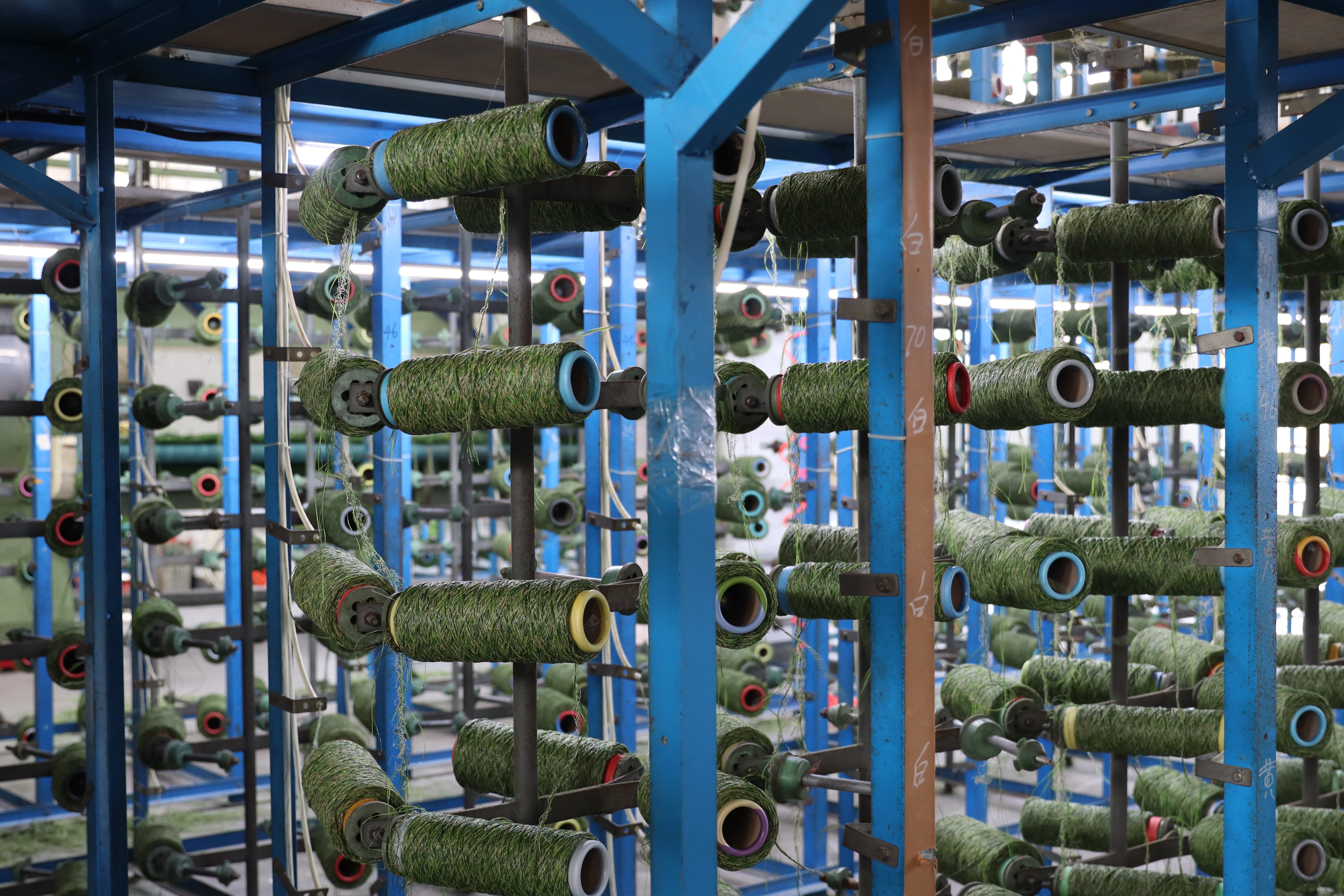
Integrated production, from yarn to finished turf, supports consistent long-term spare part supply.
Technical Support & Repair Response Speed
Define what "response" means. Is it an initial email acknowledgment, or the dispatch of a technical diagnosis? Leading suppliers often provide remote technical support channels (email, WhatsApp) for immediate troubleshooting. For physical repairs, a clear escalation path and estimated response time for different issue severities should be established during the procurement phase.
Global or Regional Service Network
For international buyers, a supplier's logistical reach is vital. While not all manufacturers have fully-owned service centers worldwide, many establish partnerships with local distributors or certified installation contractors who can act as first-line service agents. Verify the training and authorization of these partners.
2. Cross-Border After-Sales Solutions: Models from Chinese Suppliers
Chinese manufacturers, serving a global export market (e.g., Venusturf exports 80% of its production), have developed specific models to overcome geographical barriers to service.
- Strategic Local Warehousing: Forward-thinking suppliers maintain stock of common products and accessories in key regional hubs (e.g., Europe, North America) to drastically reduce delivery times for replacement materials from the typical 30-45 day production lead time to 7-10 days.
- Structured Remote Technical Support: This goes beyond basic communication. It includes providing detailed installation manuals, video tutorials, and scheduled video calls for on-site crew guidance. Suppliers like Venusturf offer dedicated contact points (email, WhatsApp) for technical queries.
- Network of Authorized Service Partners: Instead of deploying their own global teams, manufacturers qualify and train local landscaping or sports construction firms to perform warranty assessments, minor repairs, and maintenance. Buyers should request the credentials and service scope of recommended local partners.
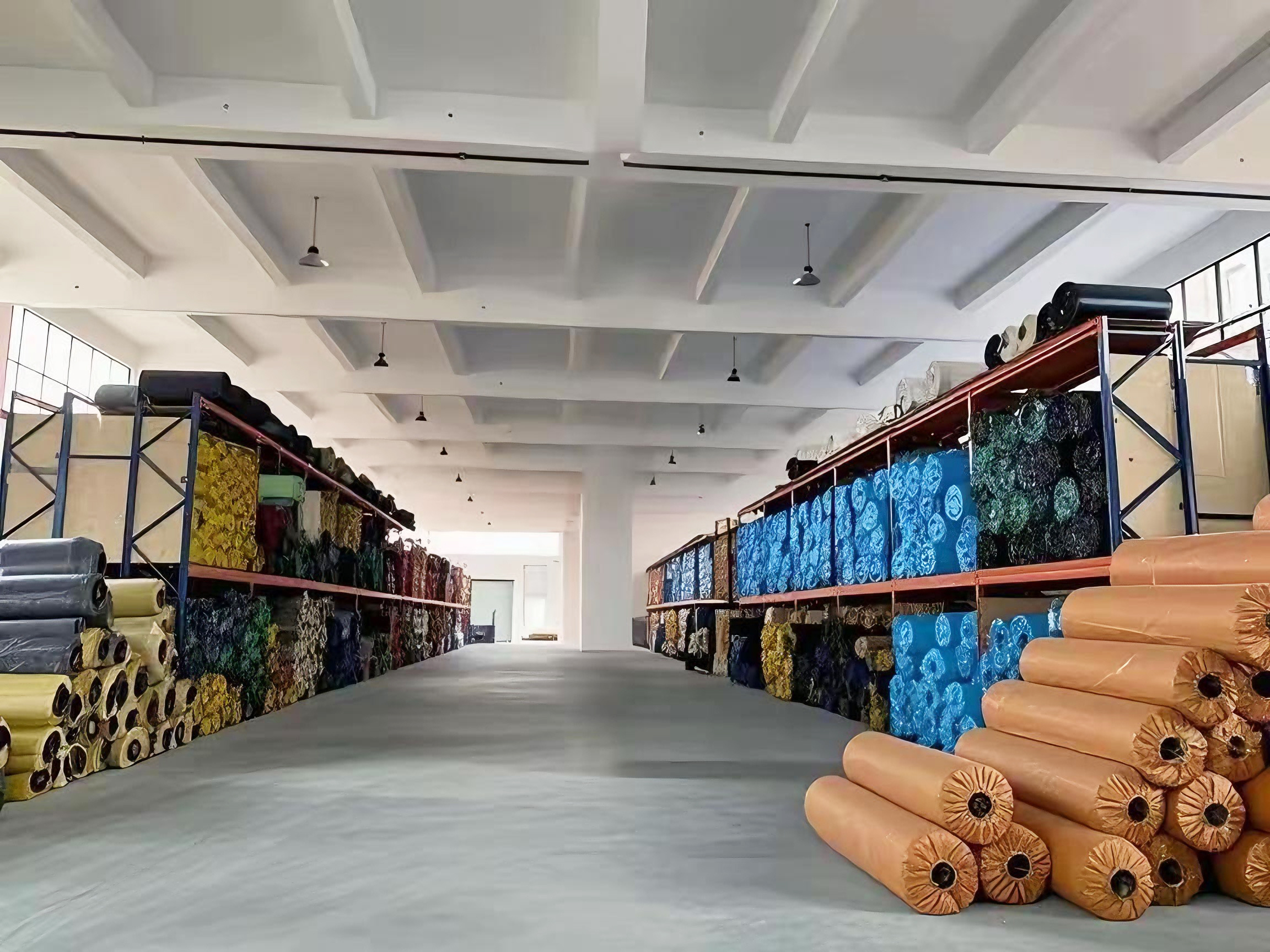
Local warehousing of finished products is a key strategy for reducing international售后响应时间.
3. Maintenance Cost Control: Proactive Strategies for Buyers
Controlling long-term costs begins with procurement choices and continues with disciplined maintenance.
Selecting for Durability and Ease of Maintenance
Technical specifications directly influence upkeep. For high-traffic areas like football fields, choose products with higher density and durable yarn types. For example, Venusturf's football grass model EM250105 uses a U with Spine shape Monofil PE yarn and a density of 11340 stitches/sqm, which is designed for resilience. Products with certifications like REACH SVHC compliance (e.g., SGS Report SL42404282057101TX) indicate safer, more stable materials that may degrade slower.
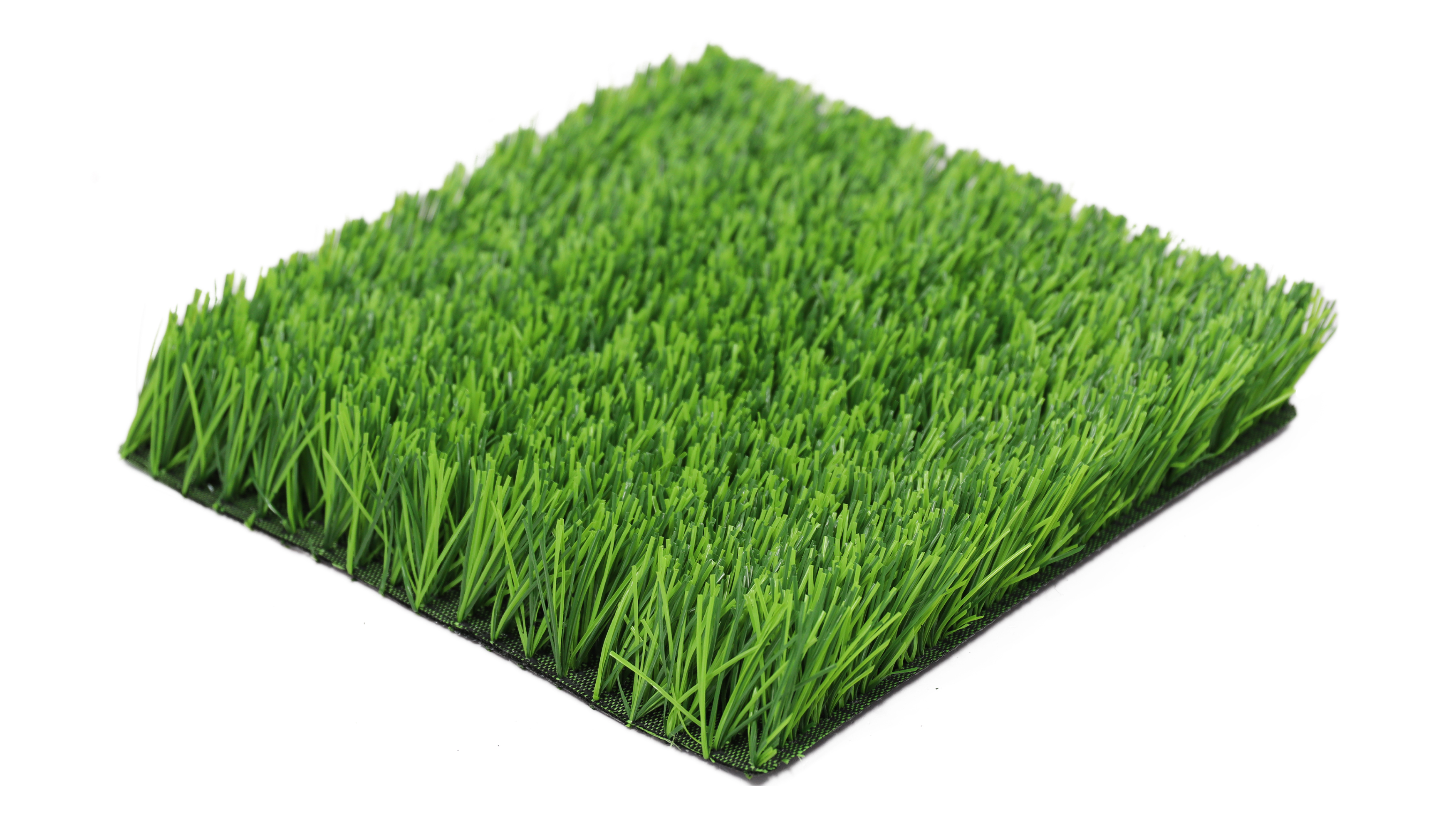
Football Grass: EM250105
- Pile Height: 50mm
- Yarn: U with Spine shape Monofil PE
- Density: 11340 stitches/sqm
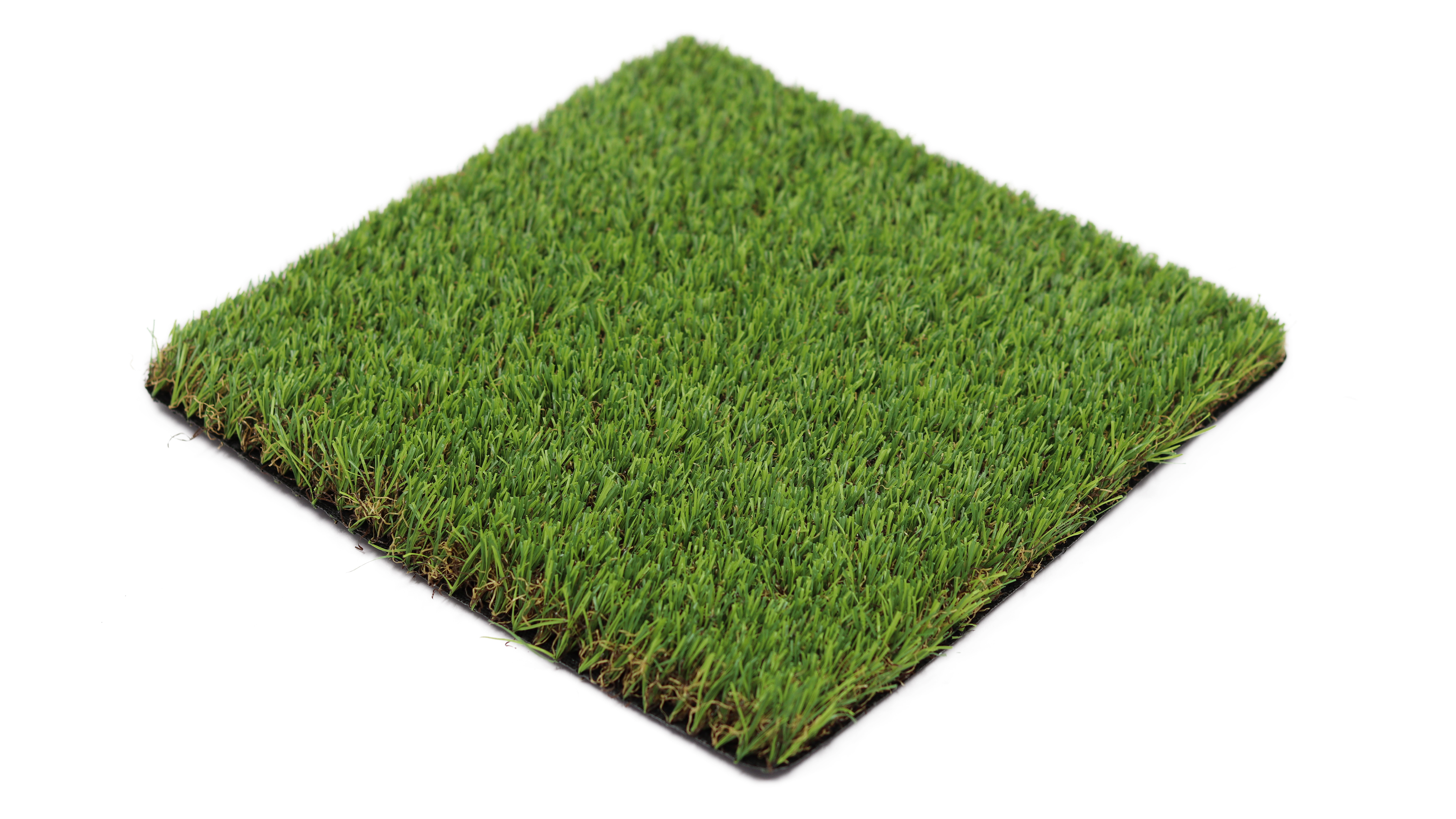
Commercial Grass: EM24071902
- Pile Height: 25mm
- Yarn: U shape Monofil PE+Curled PP
- Density: 18900 stitches/sqm
Implementing a Preventive Maintenance Schedule
Regular, simple maintenance prevents major repairs. A standard schedule includes:
- Weekly/Bi-weekly: Debris removal (leaves, litter) with a leaf blower or plastic rake.
- Monthly: Brushing to lift matted fibers and redistribute infill.
- Quarterly: Deep cleaning with water and mild detergent; checking and topping up infill levels.
- Annually: Professional inspection of seams, backing, and drainage.
Cost Optimization Through Material Choices
Discuss with your supplier the possibility of using more universal, readily available infill materials (e.g., silica sand) that are easier and cheaper to source locally for top-ups, rather than proprietary blends. For repairs, inquire about the availability of "patch kits" or smaller rolls that align with the MOQ (Minimum Order Quantity), which for many suppliers like Venusturf starts at 1000㎡ for custom orders but may be lower for standard repair stock.
4. Risk Mitigation and Quality Assurance in After-Sales
A supplier's approach to pre-empting product failures is a strong indicator of after-sales burden. Proactive risk control in manufacturing reduces the likelihood of售后 claims.
For instance, to control risks related to UV degradation—such as fading, aging, and color loss—manufacturers implement material and process controls. These include adding UV stabilizers and anti-UV additives during production, using high-quality UV-resistant masterbatch, and enforcing strict quality control with UV resistance testing and accelerated aging tests to ensure color fastness. This foundational quality work directly translates to fewer warranty issues and lower long-term maintenance costs for the buyer.
SGS REACH SVHC Test ReportCertifications provide verifiable evidence of material safety and durability claims.
5. Case Reference: The Value of Integrated Supplier Support
A procurement entity in the Philippines sourcing artificial turf for a golf course project prioritized after-sales in their supplier selection. They chose a supplier with integrated manufacturing and clear remote support protocols.
Scenario: After installation, the client noticed minor seam separation in a high-traffic area.
Supplier Response (基于集成制造商的典型能力):
- Day 1: The client contacted the supplier via the provided technical support email. Within 2 hours, they received a response requesting photos and details.
- Day 1 (Evening): A video call was scheduled. A technical engineer from the supplier remotely guided the local maintenance crew through a diagnostic check, confirming the issue was limited to seam adhesive wear.
- Day 2: The supplier confirmed that the specific adhesive and seam tape were in stock. As the required quantity was small, it was shipped via express courier from the supplier's warehouse rather than waiting for production.
- Day 7: The repair kit arrived on-site. The supplier provided a step-by-step repair guide via digital document.
- Day 8: The local crew completed the repair following the guide. The supplier followed up after one week to confirm the repair's success.
Outcome: The field was fully operational with minimal downtime. The buyer avoided the cost and delay of sourcing unfamiliar local materials or waiting for a production run. This case highlights how a supplier's control over its supply chain (from raw materials to spare parts) and structured remote support can effectively resolve cross-border售后 issues efficiently.

Conclusion and Key Takeaways for Procurement
Securing robust after-sales support for artificial turf is a deliberate procurement activity. Buyers should:
- Audit the 4 Standards: Scrutinize warranty terms, spare parts policy, support channels, and service network during the Request for Proposal (RFP) stage.
- Prefer Integrated Manufacturers: Suppliers like Wuxi Venus Turf Co., Ltd., which control the full production process (yarn extrusion, twisting, tufting, coating), offer greater consistency and long-term material security.
- Plan for Cross-Border Logistics: Discuss and document specific solutions for spare part delivery and remote support in your contract.
- Adopt Preventive Maintenance: Factor in easy-to-maintain product specs and establish a routine care schedule to maximize lifespan.
- Verify Proactive Quality: Request evidence of risk control measures, such as UV stability testing reports (e.g., SGS REACH SVHC Test Report SL42404282057101TX), as they correlate with lower long-term failure rates.
By embedding these after-sales criteria into the selection process, procurement professionals can secure not just a product, but a long-term performance partnership, effectively controlling total lifecycle costs and ensuring project success.

For detailed product specifications, compliance certificates, and company capabilities, download the complete brochure from Wuxi Venus Turf Co., Ltd.
Download Company Brochure (PDF)
Contact: Email: info@venusturf.com | Tel: +86-189-6171-8197