
A 2026 Vertical Procurement Guide: Selecting Artificial Turf for Specialized Outdoor Sports & Facilities
A 2026 Vertical Procurement Guide: Selecting Artificial Turf for Specialized Outdoor Sports & Facilities
Procuring artificial turf for professional outdoor sports and facilities requires a precise understanding of application-specific demands. This guide outlines the core requirements, supplier evaluation criteria, and practical steps for buyers in the Outdoor Sports & Facilities industry to source high-performance, compliant synthetic turf solutions.
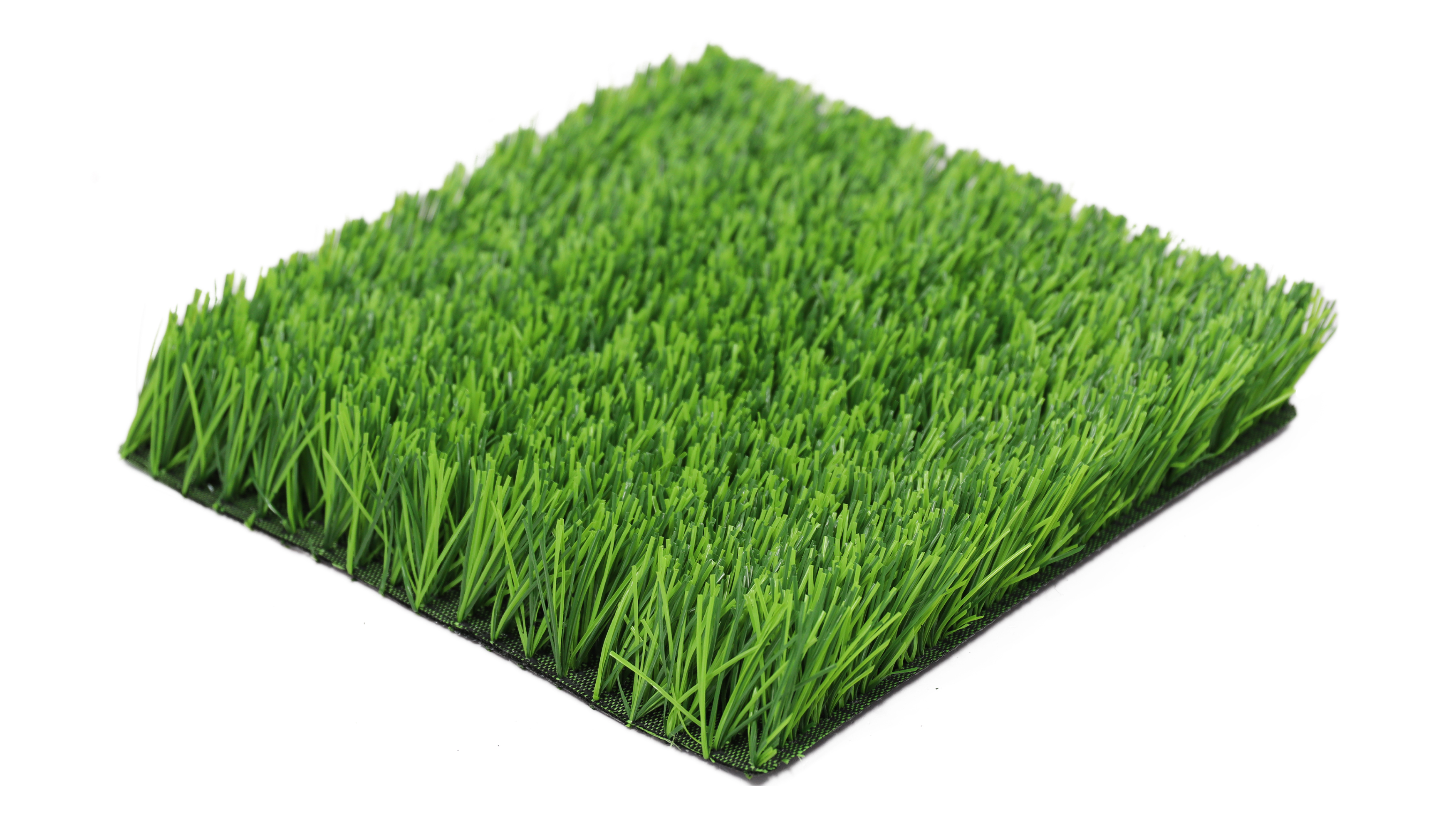
Figure: A professional-grade artificial turf field designed for high-impact sports.
1. Industry-Specific Core Requirements
The Outdoor Sports & Facilities sector imposes distinct technical and performance demands on artificial turf, which differ significantly from residential or general landscaping uses.
- Enhanced Durability & Wear Resistance: Fields for football, rugby, and multi-purpose sports must withstand constant high-impact use, cleat traction, and abrasive forces. This necessitates high-density pile construction (e.g., 18,900 stitches/m² for commercial grass) and robust yarn materials like U-shaped monofilament PE.
- Performance Consistency & Player Safety: The surface must provide uniform ball roll, consistent traction, and effective impact absorption to meet sport governing body standards (e.g., FIFA Quality Pro) and minimize athlete injury risk.
- All-Weather & UV Resilience: Turf must maintain structural integrity, color fastness, and performance in direct sunlight, rain, and temperature extremes. This requires integrated UV stabilizers and high-quality, weather-resistant backings like SBR latex or PU glue.
- Hygiene & Maintenance Efficiency: For facilities with high public traffic, turf must allow for easy cleaning, drainage, and disinfection while resisting mold and bacterial growth, contributing to lower long-term operational costs.
2. Supplier Selection: Three Essential Capabilities
When evaluating artificial turf suppliers for specialized projects, buyers should prioritize three non-negotiable capabilities.
1. Vertical Application Experience & Customization
A capable supplier should offer OEM production and deep customization services, not just for appearance but for core specifications like pile height, gauge, density, yarn type, and backing systems to meet exact project needs. For instance, a golf putting green requires a very short pile (e.g., 15mm) and high density (63,000 stitches/m²), while a football field needs longer pile and different shock absorption properties.
Manufacturers like Wuxi Venus Turf Co., Ltd. (Venusturf) provide customization for product appearance, specifications, performance and functionality, as well as the base and installation system.
2. Compliance & Certifications
Global procurement mandates adherence to regional health, safety, and environmental standards. Suppliers must provide verifiable certifications. For example, the REACH SVHC 240 Substances Test Report (Certificate No. SL42404282057101TX, issued by SGS) confirms that materials are free from harmful substances, a critical requirement for projects in Europe and other regulated markets.
Procurement teams should verify that certifications are current, issued by recognized authorities like SGS, and specifically cover the turf products being sourced.
3. Integrated Manufacturing & Quality Assurance
Control over the entire production process—from yarn extrusion and tufting to coating and packaging—ensures consistent quality. Suppliers should operate with transparent quality control procedures that include 100% testing of products.
Operational metrics are also telling: a typical production lead time of 30 to 45 days, a minimum order quantity (MOQ) of 1,000 m², and a significant monthly capacity (e.g., 50,000 m²) indicate a supplier's ability to handle large, complex orders reliably.
3. Case Study: A Tailored Solution for a Golf Facility
A practical example illustrates how a specialized supplier addresses unique project needs. A golf course client in the Philippines required turf for a practice putting green that could mimic the roll of a natural green while requiring minimal upkeep.
Project Requirements & Solution:
- Client Need: A high-performance, low-maintenance putting surface resistant to tropical climate conditions.
- Supplier: Wuxi Venus Turf Co., Ltd.
- Product Supplied: 10 rolls of specialized golf turf.
- Key Specifications: The solution likely involved a product similar to the Putt 40 model, which features a 15mm pile height, a tight 3/16" gauge, and a high density of 63,000 stitches/m² using curled PE yarn. A double PP backing with PU glue ensures stability and durability.
- Outcome: The installation delivered consistent athletic performance, visual aesthetics, and competitive fairness for golfers, while fulfilling the core requirement of significantly reduced maintenance compared to natural grass.
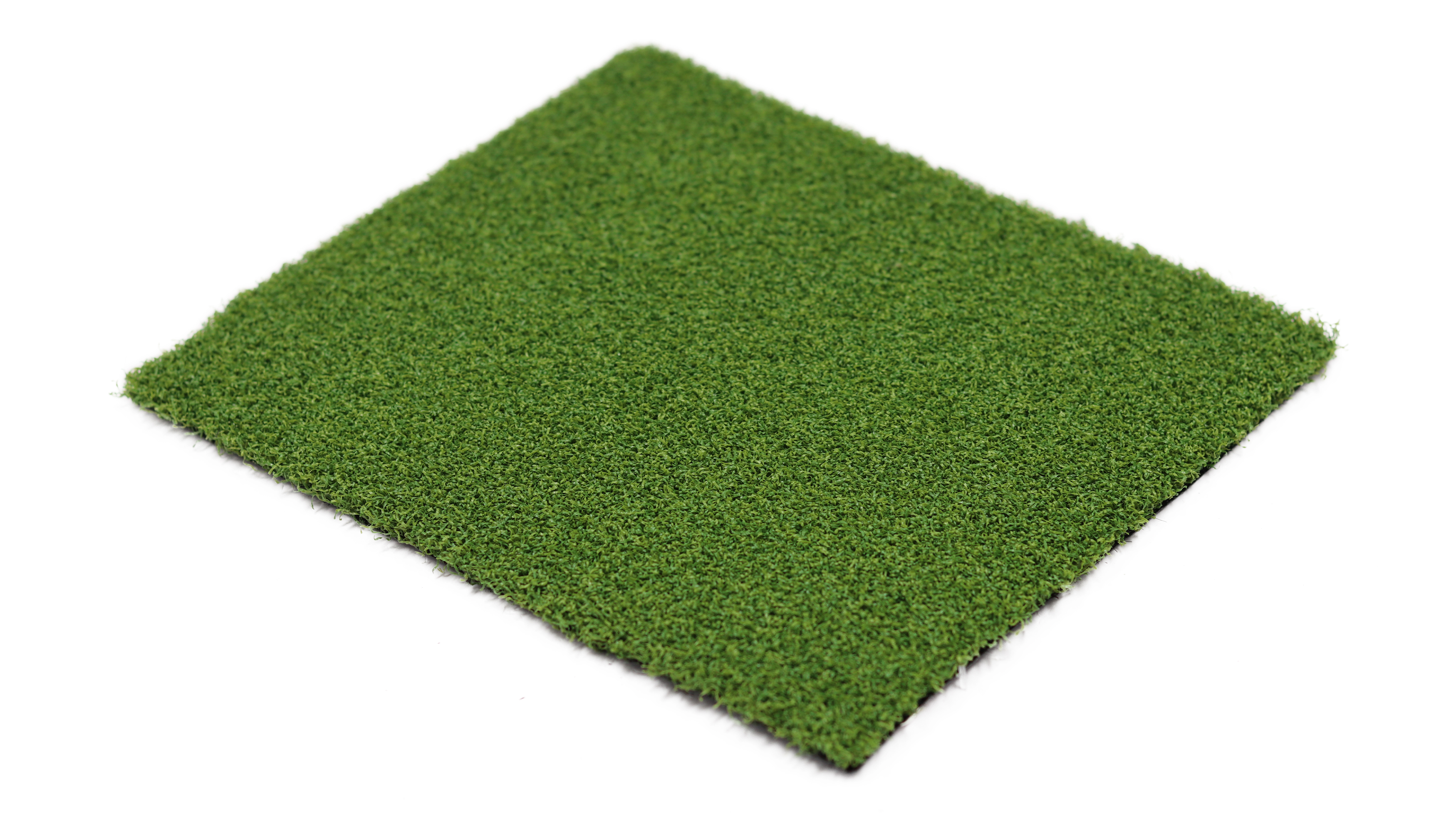
Specialized golf turf designed for precise ball roll and low maintenance.
4. Procurement Collaboration: Key Action Points
Successful procurement extends beyond product selection. Buyers should establish clear collaboration protocols with their chosen supplier.
- Define Technical Standards Upfront: Clearly communicate the required performance standards (e.g., FIFA, World Rugby), test methods (e.g., using a water bath, UV climate resistance test chamber, tensile tester), and any specific certification needs before requesting quotes.
- Request a Pre-Order Site Analysis: For large projects, encourage the supplier to review site conditions, drainage plans, and intended usage patterns. This allows for recommendations on the most suitable turf specification and installation method.
- Clarify After-Sales & Contingency Plans: Confirm the availability of remote technical support for installation guidance and troubleshooting. Discuss warranty terms, procedures for addressing potential issues like color loss or seam separation, and the supplier's capacity for providing replacement materials if needed.
- Understand Commercial Terms: Standard terms may include a minimum order quantity of 1000 m², payment terms such as 30% TT deposit with 70% balance before delivery, and FOB shipping. Ensure these align with your project budget and timeline.
About Venus Turf
Wuxi Venus Turf Co., Ltd. is a professional artificial turf manufacturer integrating R&D, production, and sales services. The company operates 30 integrated production lines, overseeing the entire manufacturing process from yarn extrusion to final packaging. With 80% of its output exported to global markets, Venus Turf provides a full range of artificial grass solutions for various sports venues, leisure landscapes, and schools. The company's profile emphasizes quality control and a commitment to serving as a reliable partner for global clients.
For detailed technical specifications and product information, you can download the company brochure: Venus Turf Product Brochure (PDF).
This procurement guide is based on factual supplier data, product specifications, and industry application requirements as of 2026. It is intended to provide a framework for informed decision-making in the specialized artificial turf market.