Una guía de adquisición vertical: selección de rollos de laminación para aplicaciones especializadas de envasado e impresión (2026)
1. Industry-Specific Requirements for Laminating Rolls
In the Packaging & Printing industry, laminating rolls are not a one-size-fits-all solution. The core requirements vary significantly based on the end-use application, demanding specific material properties and performance characteristics.
For instance, laminating rolls used in food packaging must comply with food safety regulations, such as FDA food contact compliance. Rolls intended for outdoor advertising posters and banners require UV resistance to prevent fading. Applications involving electronic components or sensitive documents may necessitate anti-static properties to prevent dust attraction and static discharge. Furthermore, operations in high-speed, continuous production lines require rolls with excellent thermal stability and low shrinkage rates to prevent warping and ensure consistent lamination quality.
Common project types within this sector include document & photo lamination, ID card & badge lamination, book cover & menu lamination, packaging & label lamination, and advertising poster & banner lamination. Each of these applications operates under specific working conditions—typically room temperature and normal pressure—but places unique demands on the film's finish (glossy or matte), adhesion strength, clarity, and durability.
2. Supplier Selection Criteria: 3 Essential Capabilities
Selecting a laminating rolls supplier that can meet specialized industry needs requires evaluating three fundamental capabilities beyond basic manufacturing.
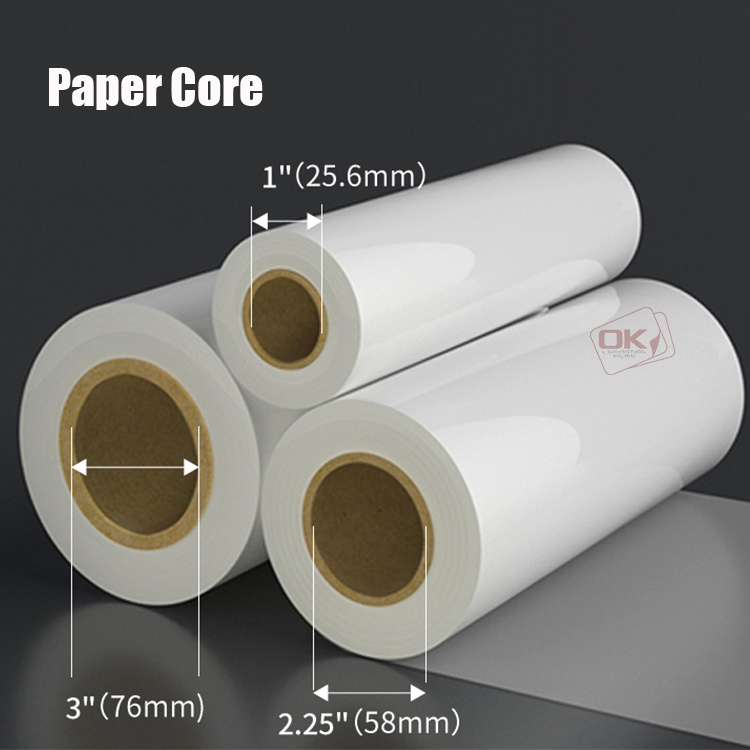
- Industry-Specific Customization Experience: A capable supplier should offer extensive OEM/ODM services. This includes the ability to customize product size, thickness, finish, and packaging. For example, thermal laminating rolls may need to be supplied in custom widths ranging from 100mm to 1300mm and various thicknesses from 35 to 250 microns to fit different machinery and application needs. The supplier should have a proven track record of adapting products for specific industry verticals.
- Comprehensive Compliance and Certification: Regulatory compliance is non-negotiable. A reliable supplier must hold relevant international certifications that validate product safety and quality. Key certifications to look for include ISO 9001:2015 for quality management systems, along with material-specific test reports such as ROHS, REACH, and SVHC screening reports from recognized authorities like SGS. These documents assure that the materials meet environmental and safety standards for target markets like North America, Europe, and Australia.
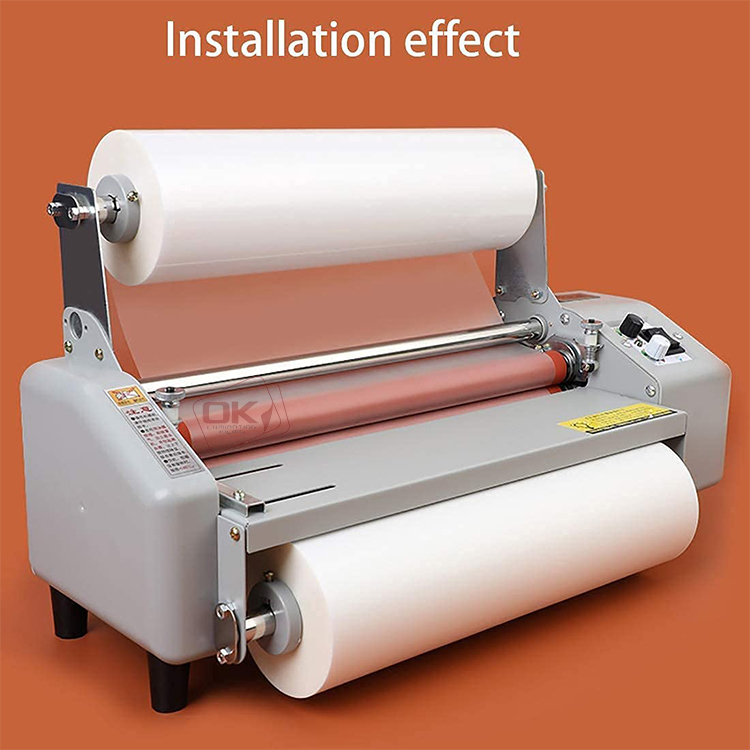
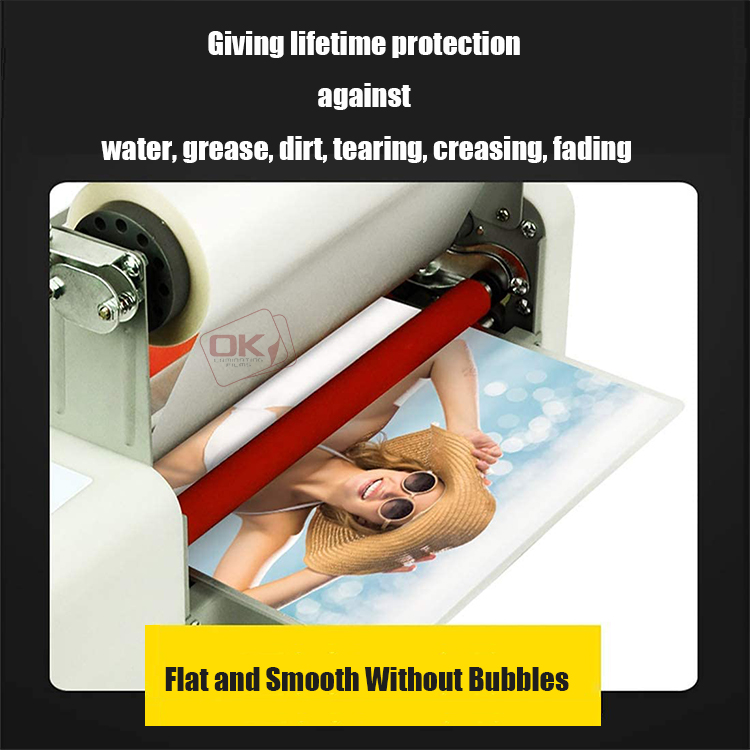
- Design for Performance and Durability: The product must be engineered for the intended working environment. This involves using high-grade materials and proprietary technologies. For instance, laminating rolls should exhibit features like high transparency, strong adhesion, and resistance to water, scratches, and yellowing for long-term preservation. Performance in terms of tear strength, shrinkage rate, and compatibility with high-speed laminators (up to 80m/min) are critical technical parameters that distinguish a specialized supplier.
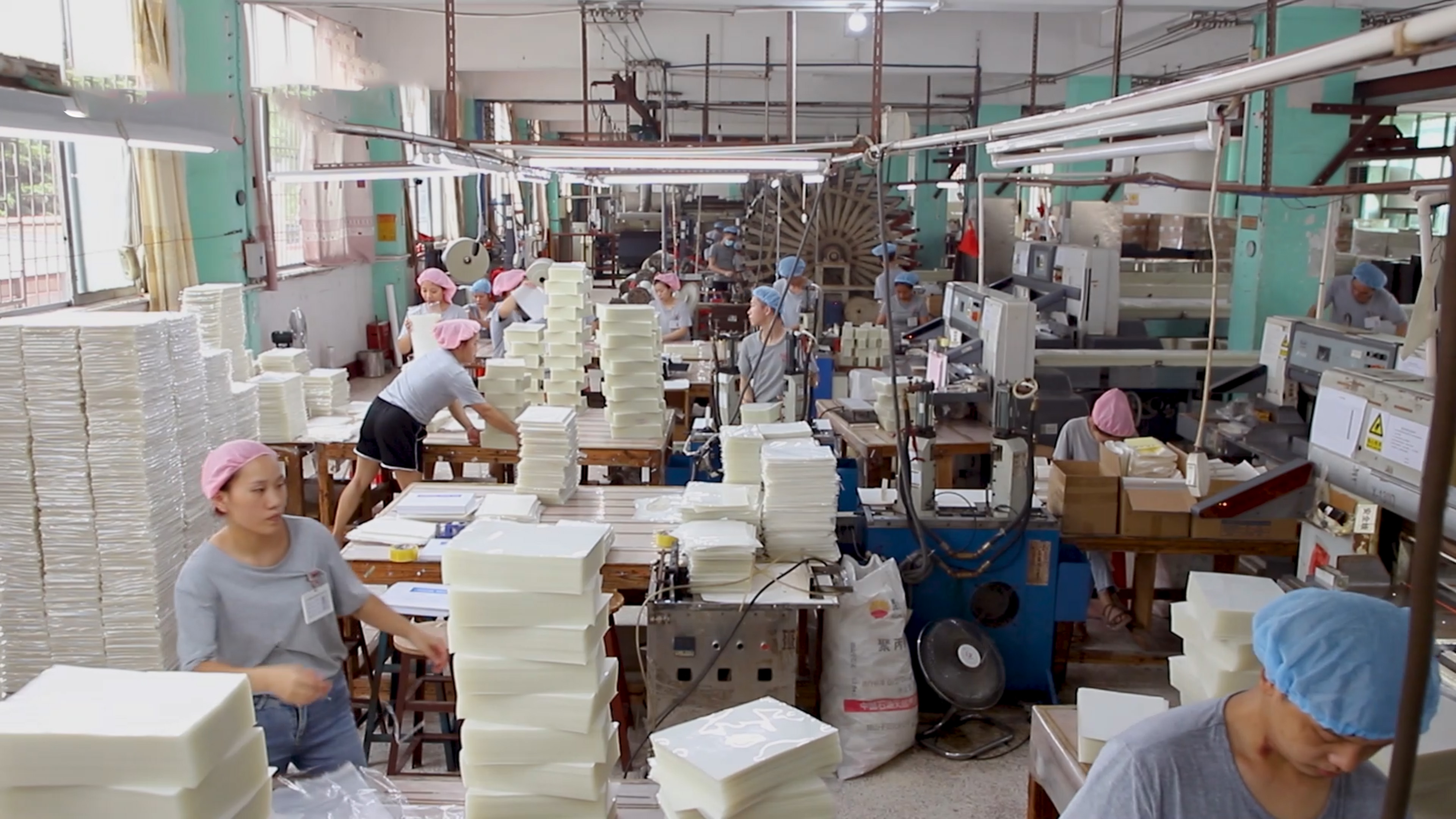
Guangzhou Huada Laminating Film Co., Ltd., founded in 1992, exemplifies a supplier with these capabilities. The company holds 22 national patents, ISO 9001 certification, and provides test reports from SGS. Its product, the HD-RL Thermal Laminating Rolls, is made from PET and EVA and offers both glossy and matte finishes, with customizable width and length.
| Parameter | Specification |
|---|---|
| Material | PET + EVA |
| Thickness Range | 35mic - 250mic |
| Width Range | 100mm - 1300mm |
| Finish | Glossy and Matte |
| Key Features | High Transparency, Strong Adhesion, Waterproof, Scratch-Resistant, Anti-Yellowing |
3. Success Case: A Decade-Long Partnership for Branded Distribution
Client: A brand importer and distributor operating in Germany, Australia, and the United States.
Challenge: Sourcing high-quality, reliable laminating film for wholesale distribution under the client's own brand, primarily for office document lamination and stationery protection.
Solution: Guangzhou Huada Laminating Film Co., Ltd. entered a long-term supply agreement, providing OEM production with customized specifications, including anti-counterfeiting coating technology.
Duration & Scale: Over 10 years of continuous cooperation, supplying 600,000 packs of lamination film annually.
Result: The partnership achieved zero quality complaints over the 10-year period and helped reduce the client's lamination failure rate by 25%. The supplier provided 24/7 technical support for lamination process optimization, contributing to the client's operational efficiency and brand reputation.
This case highlights the importance of a supplier's commitment to consistent quality, technical support, and the ability to fulfill large-scale, long-term OEM orders—a crucial consideration for procurement professionals managing branded supply chains.

4. Key Collaboration Points for Procurement Professionals
Establishing a successful partnership with a laminating rolls supplier requires clear communication and agreement on several practical points from the outset.
- Define Industry Standards and Specifications Upfront: Clearly communicate all required certifications (e.g., ISO 9001, ROHS, REACH), material specifications, and performance parameters (e.g., adhesion strength, clarity, shrinkage rate). Provide the supplier with detailed technical datasheets or samples of the required standard.
- Conduct (or Request) a Pre-Production Assessment: For custom applications, discuss the possibility of a pre-production sample or a trial batch. Suppliers with strong R&D teams, like Huada's team of 5 engineers, can often assist in optimizing the film formulation for specific machinery or environmental conditions.
- Establish Clear Quality Control and Acceptance Protocols: Agree on quality control measures, which may include pre-shipment inspection by a third party (e.g., SGS), AQL sampling standards, or even on-site inspection by the buyer's quality team. Understand the supplier's internal QC process—for instance, a 100% inspection before shipment.
- Negotiate Logistics, MOQ, and Payment Terms: Clarify minimum order quantities (MOQ), which for standard film might be 1,000 packs and for customized sizes could be 2,000 pieces or 100 rolls. Discuss delivery methods (FOB, CIF, EXW), lead times (typically 20-30 days), and flexible payment terms (T/T, L/C).
- Plan for After-Sales Support and Contingencies: Verify the supplier's after-sales policy. This should include a warranty period (e.g., 12 months against delamination and defects), a defined response time for complaints (e.g., 24 hours), and clear procedures for replacements or refunds in case of non-conforming goods. A dedicated account manager can facilitate issue resolution.
By addressing these points during the supplier evaluation and negotiation phase, procurement teams in the Packaging & Printing industry can mitigate risks, ensure supply chain resilience, and secure a product that truly meets their specialized application needs.