
Una guía completa del comprador para el abastecimiento de rollos de laminación de grado industrial
Introduction: The Role of Laminating Rolls in Modern Industry
Laminating rolls are a critical consumable in numerous sectors, providing protection, enhancement, and longevity to printed materials. For procurement professionals, selecting the right supplier involves evaluating a complex matrix of technical specifications, production capabilities, quality standards, and supply chain reliability. This guide provides a structured framework to assess suppliers of industrial-grade laminating rolls, helping you make an informed decision that aligns with your operational and budgetary requirements.
Step 1: Define Your Technical and Application Requirements
Before engaging with suppliers, clearly define your needs. This will streamline the evaluation process and ensure you receive accurate quotations.
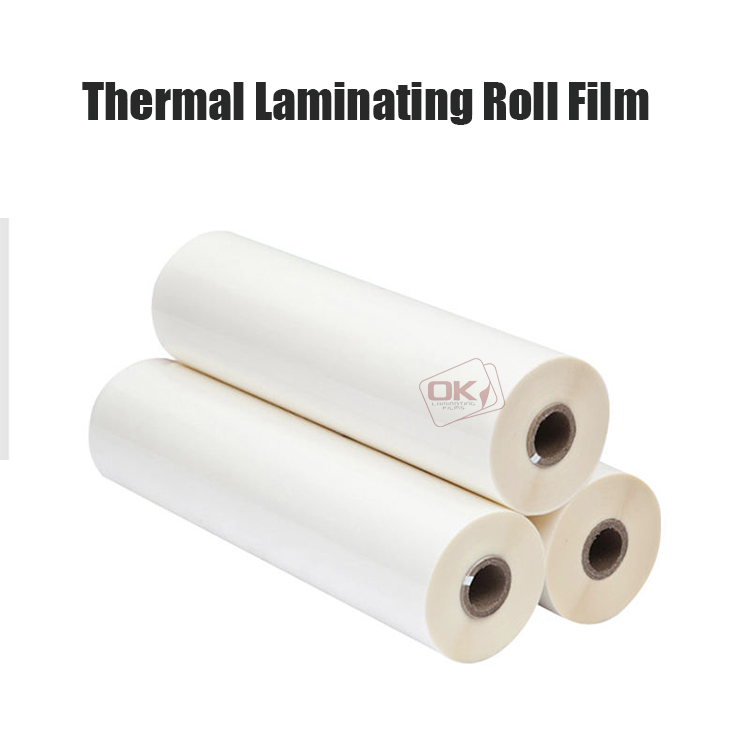
- Material & Type: Determine the required base material (e.g., PET, BOPP) and lamination type (Thermal, Cold). For instance, thermal laminating rolls are commonly made from PET and EVA.
- Physical Dimensions: Specify the required thickness and width. Standard ranges are 35 to 250 microns in thickness and 100mm to 1300mm in width, but custom sizes are often available.
- Finish & Features: Decide between glossy or matte finishes. Identify if you need specific functional properties like high adhesion, scratch resistance, anti-static, UV protection, or food-safe compliance.
- Application Industry: Common applications span Office Supplies, Education, Retail & Stationery, Advertising & Graphics, and Printing & Packaging industries, particularly in markets like the United States.
Step 2: Evaluate Supplier Manufacturing Capabilities and Scale
A supplier's infrastructure is a direct indicator of their ability to deliver consistent quality at your required volume.
| Evaluation Criteria | Key Questions to Ask | Industry Benchmark Example |
|---|---|---|
| Factory Scale & Experience | What is the factory size and year of establishment? How many employees are there? | Established in 1992, a facility covering 40,000 sq. meters with approximately 200 staff indicates stability. |
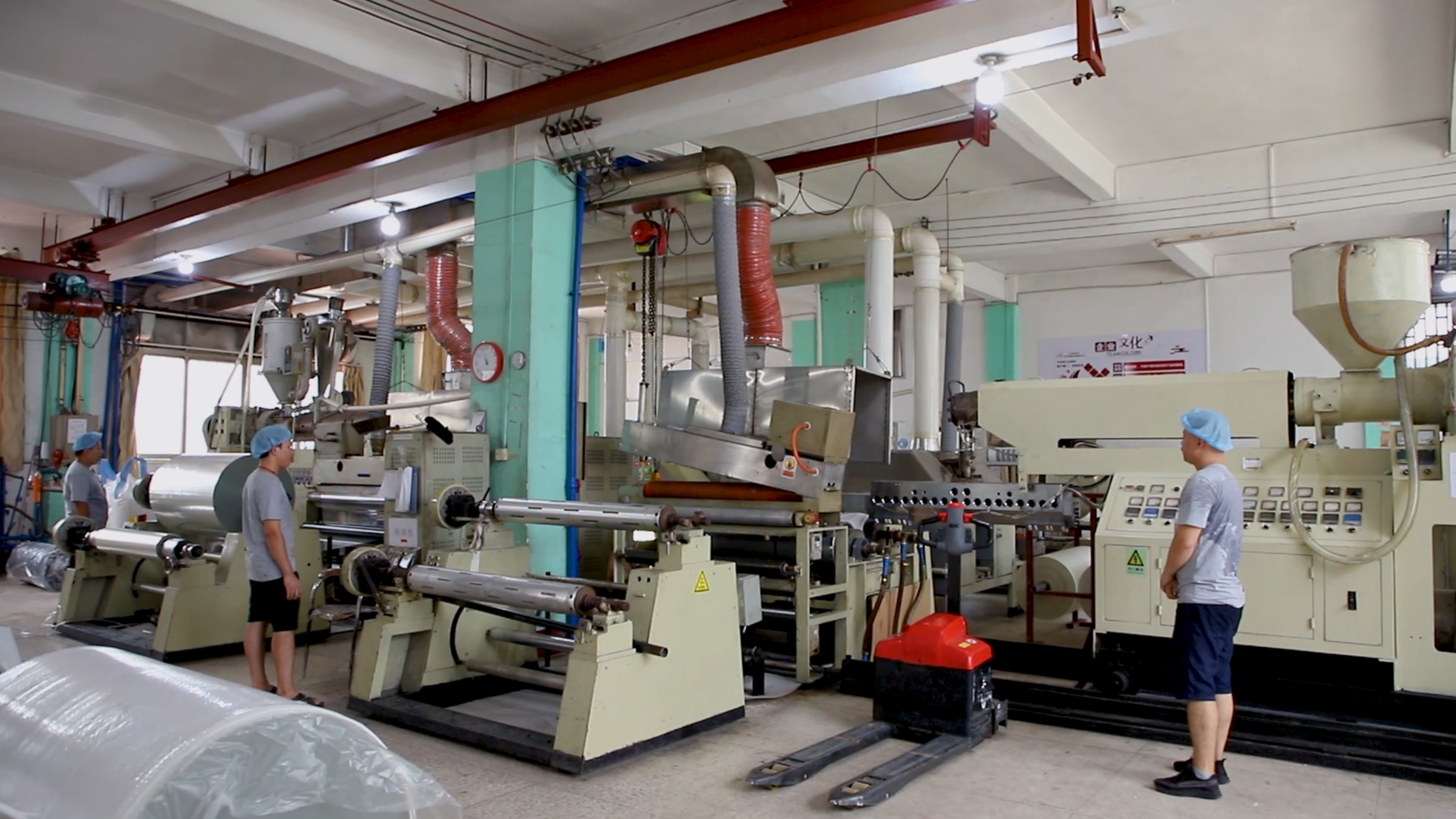
| Production Capacity & Output | What is the annual production capacity? What is the monthly output for standard items? | An annual capacity of 1,000,000 units or 10,000+ tons demonstrates scalability for large orders. |
| R&D and Innovation | Is there a dedicated R&D team? How many engineers? What patents or proprietary technologies are held? | A team of 5 engineers focusing on functional film development, supported by national patents, shows investment in innovation. |
| Automation & Equipment | How many automated production lines are in operation? What is the level of process control? | Multiple automated lines with online monitoring systems ensure consistency and reduce human error. |
Step 3: Scrutinize Quality Management and Compliance Certifications
Certifications are non-negotiable for ensuring product safety, environmental compliance, and consistent quality management.
- Quality Management System: Look for ISO 9001:2015 certification. This indicates a systematic approach to quality control.
- Environmental & Safety Compliance: Verify certifications like ROHS, REACH (SVHC reports), and BSCI/SMETA for social accountability. These are essential for exporting to North America and Europe.
- Industry-Specific Certifications: For food-contact or specialized applications, request relevant test reports from accredited bodies like SGS.
- Quality Control Process: Inquire about in-process inspection stages, AQL sampling plans, and pre-shipment inspection protocols. A 100% inspection before shipment is a strong quality signal.
Suppliers should readily provide certificate numbers and issuing authority details (e.g., SGS-CSTC Standards Technical Services Co. Ltd., Certificate No. CANEC25014307501 for ROHS).
Step 4: Assess Customization, Logistics, and Commercial Terms
Operational flexibility and clear commercial terms are vital for a smooth partnership.
| Aspect | Details to Confirm |
|---|---|
| Customization (OEM/ODM) | Confirm options for custom size, thickness, finish, logo printing, and packaging. Minimum order quantities (MOQ) for custom items are typically higher. |
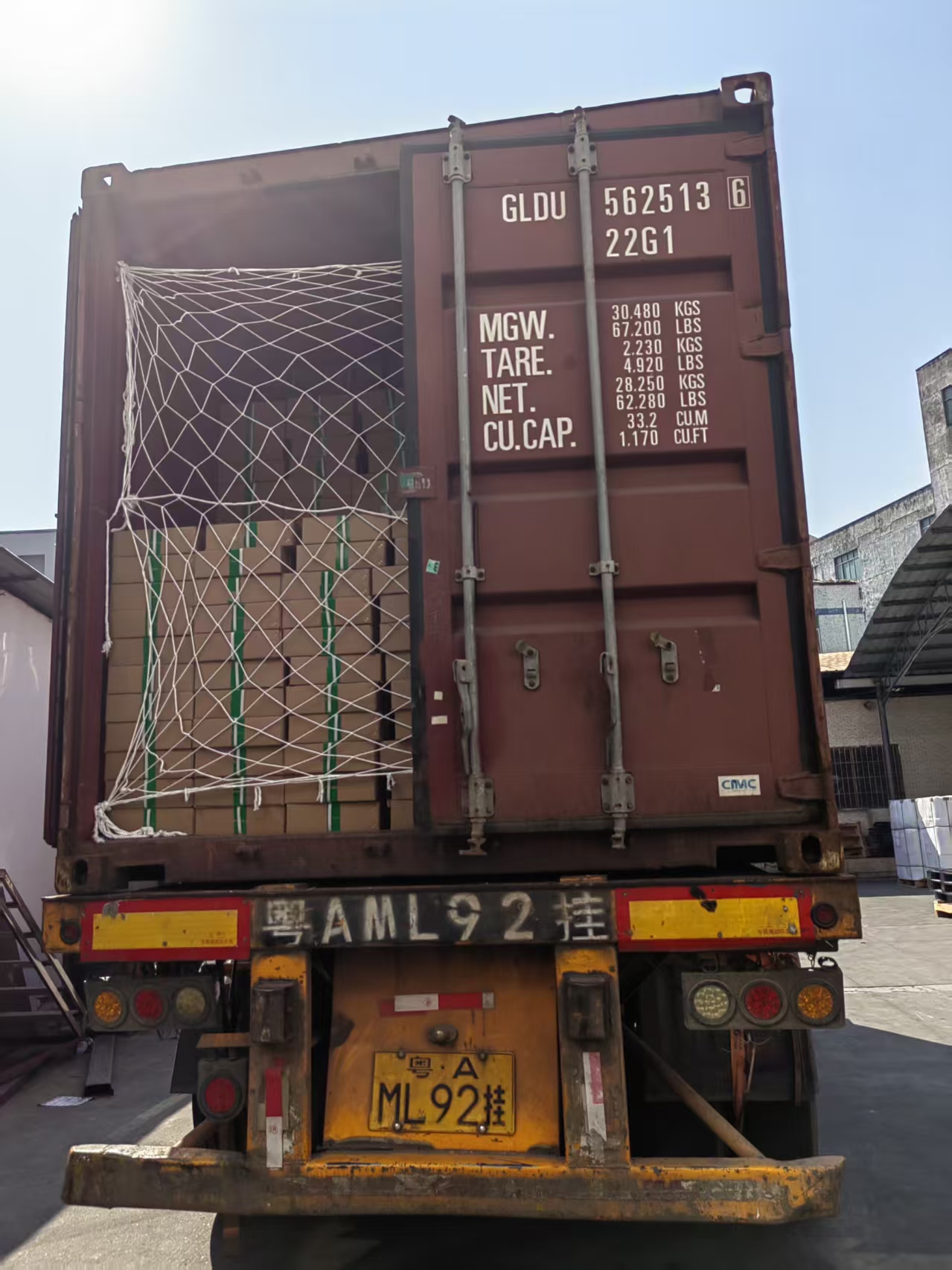
| Lead Time & Delivery | Standard lead times can range from 20-30 days. Clarify delivery terms (FOB, CIF, EXW) and port of shipment (e.g., Guangzhou/Shenzhen). |
| Payment Terms | Common terms include T/T (30% deposit, 70% before shipment), L/C at sight, or open account for established partners. |
| After-Sales Support | Check warranty policies (e.g., 12-month warranty against delamination), complaint response time, and provisions for replacement or refund for non-conforming goods. |
Supplier Profile Example: Guangzhou Huada Laminating Film Co., Ltd.
To illustrate the application of this guide, consider the profile of manufacturer Guangzhou Huada Laminating Film Co., Ltd. (HADA brand). Founded in 1992, the company has over 33 years of industry experience. Its main products are laminating film, laminating pouches, and laminating rolls. The manufacturing facility spans 40,000 square meters and employs about 200 people, with an annual output capacity of 1,000,000 units. The company holds 22 national patents and maintains certifications including ISO 9001, BSCI, SMETA, ROHS, and REACH. Its R&D team consists of 5 engineers dedicated to functional laminating films. The company exports to over 50 countries, with 80% of its production destined for international markets including North America, South America, Europe, Australia, and Southeast Asia.
For a specific product example, their laminating roll film (model HD-RL) is made of PET and EVA, with a thickness range of 35 to 250 microns and a width range of 100mm to 1300mm. The product features high transparency and strong adhesion, is waterproof and scratch-resistant, and is suitable for all standard thermal laminators.
Conclusion: Building a Strategic Partnership
Selecting a laminating roll supplier is more than a transactional purchase; it's about establishing a reliable partnership. By methodically evaluating suppliers against the criteria of technical capability, manufacturing scale, quality certification, and commercial terms, procurement professionals can mitigate risk and secure a supply chain partner capable of supporting their long-term business needs. Always request samples, visit facilities if possible, and review detailed case studies or client testimonials before finalizing your decision.