Una guía completa para la obtención de rollos de laminación de alta calidad para compradores industriales
A Comprehensive Guide to Sourcing High-Quality Laminating Rolls for Industrial Buyers
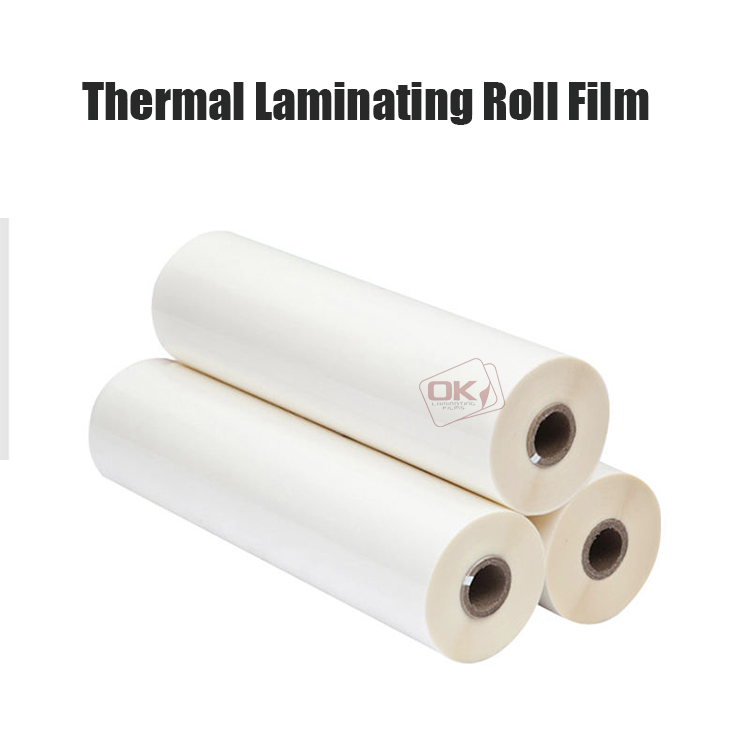
Sourcing reliable laminating roll film is a critical decision for businesses in printing, packaging, and document finishing. This guide provides a structured framework for procurement professionals to evaluate suppliers, verify specifications, and ensure a stable supply chain for thermal and cold laminating rolls.
1. Defining Your Technical Requirements
Begin by specifying the exact parameters needed for your application. Laminating rolls are not a one-size-fits-all product. The core specifications must align with your machinery and end-use.
| Parameter | Typical Range | Key Considerations |
|---|---|---|
| Material | PET+EVA, BOPP | PET+EVA offers high clarity and strong adhesion for thermal lamination. |
| Thickness | 35mic to 250mic | Thinner films (35-80mic) for documents; thicker (125-250mic) for heavy-duty protection. |
| Width | 100mm to 1300mm | Must match your laminator's max roll width. Custom widths are often available. |
| Finish | Glossy, Matte | Glossy enhances color vibrancy; matte reduces glare for text-heavy materials. |
| Core Diameter | 3 inch (76mm) standard | Confirm compatibility with your laminator's spindle. |
Application Match: Laminating roll film is used across multiple industries, including Office Supplies, Education & School, Retail & Stationery, Advertising & Graphic, and Printing & Packaging. The required film properties vary significantly between laminating a restaurant menu and a high-security ID card.
2. Evaluating Supplier Capabilities & Manufacturing Foundation
A supplier's long-term stability and technical capacity are paramount. Look beyond the sales pitch to assess their operational backbone.
Supplier Profile Example: Guangzhou Huada Laminating Film Co., Ltd.
This example illustrates the type of foundational data a credible supplier should be able to provide transparently.
- Established: 1992 (Over 33 years in the laminating film industry).
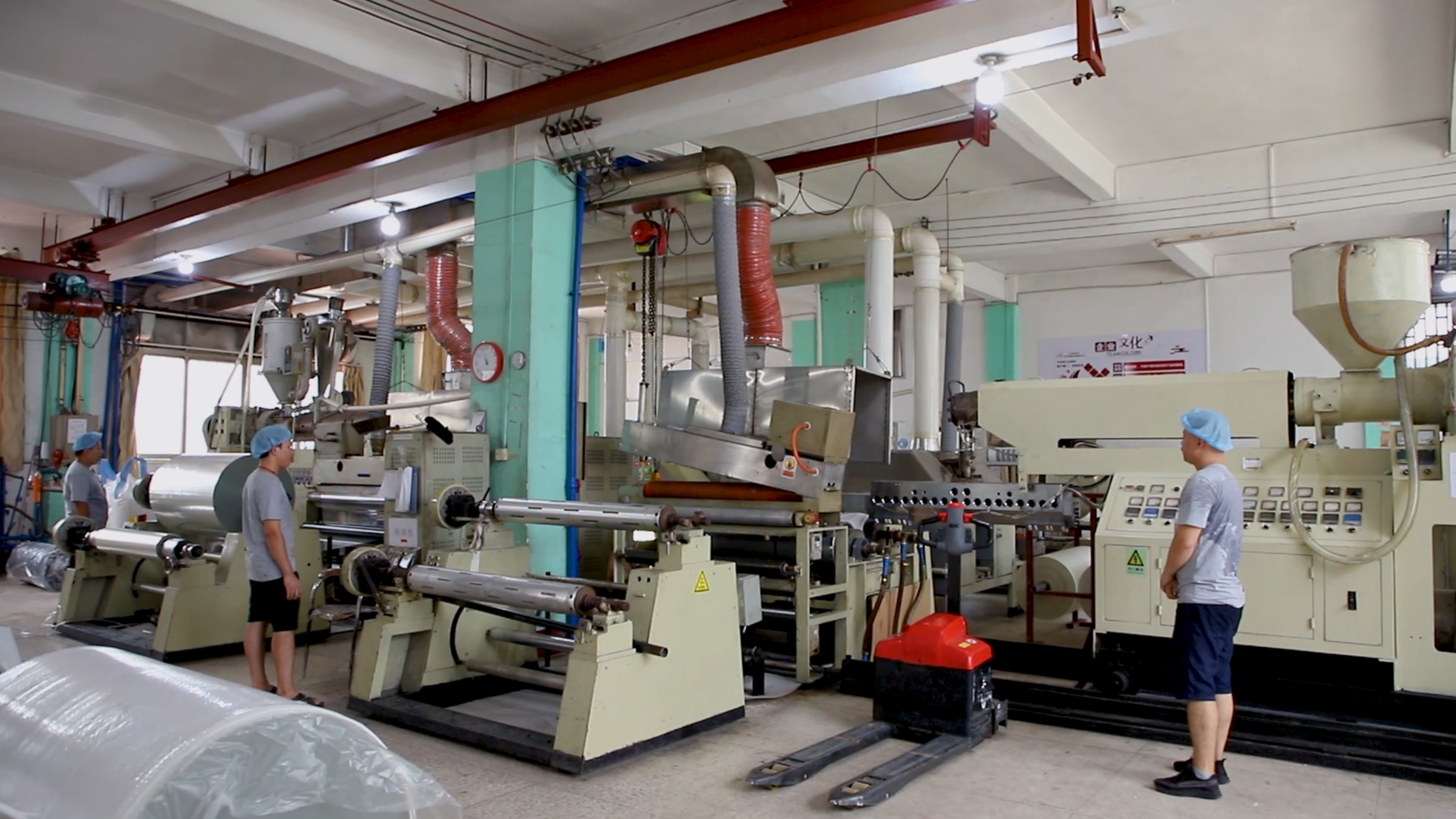
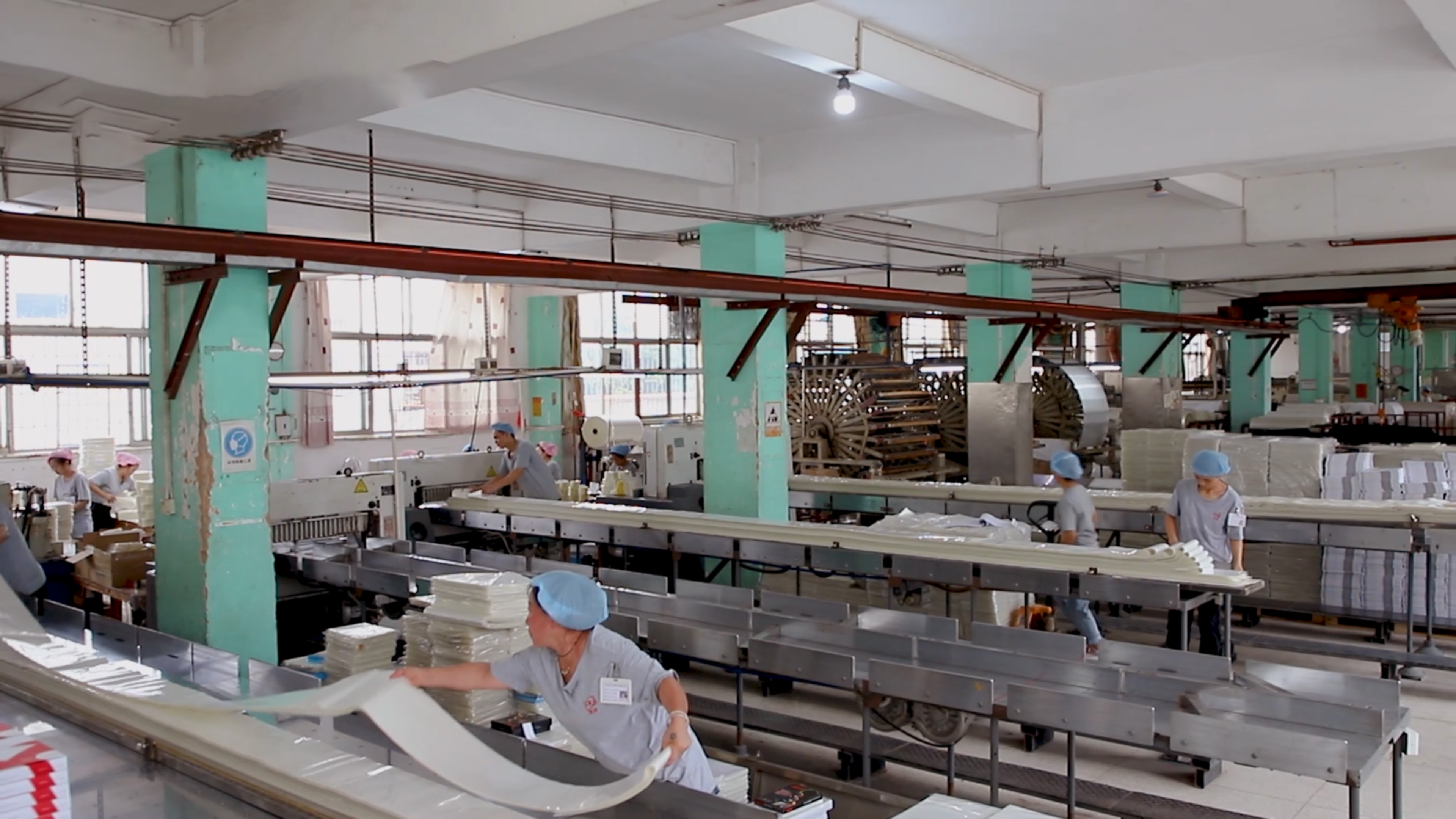
- Facility: Manufacturing facility covers 40,000 square meters.
- Workforce: Employs approximately 200 staff.
- Specialization: Focuses on the R&D, production, and sales of functional laminating films. Main products include laminating film, laminating pouches, and laminating rolls.
- R&D: The company's R&D team consists of 5 engineers.
- Output: Annual production capacity is 1,000,000 units.
3. Verifying Quality Assurance & Compliance
Certifications and test reports are non-negotiable for ensuring product safety, performance, and regulatory compliance, especially for exports.
- ISO 9001:2015: Certifies a structured Quality Management System is in place.
- RoHS & REACH (SVHC) Reports: Essential for selling in the EU and other regulated markets, proving the absence of restricted hazardous substances. Reports are issued by accredited bodies like SGS-CSTC Standards Technical Services Co. Ltd.
- Material Safety Data Sheets (MSDS): For safe handling and transportation.
- Patent Certificates: Indicates investment in proprietary technology and innovation.
4. Assessing Customization & Supply Chain Flexibility
Your supplier should adapt to your specific business needs, not the other way around.
- OEM/ODM Support: Can they produce custom widths, lengths, thicknesses, or apply your private label?
- Lead Time & MOQ: What is the standard production lead time (e.g., 20-30 days)? What is the Minimum Order Quantity for standard and custom items?
- Quality Control: Inquire about their inspection process (e.g., 100% inspection before shipment) and defect rate statistics.
- Logistics: What are the standard delivery terms (FOB, CIF)? Do they have experience exporting to your region?
5. The Procurement Checklist
Use this list during your supplier evaluation and negotiation process.
By systematically addressing these five areas—technical specs, supplier capability, compliance, flexibility, and due diligence—procurement teams can significantly de-risk their sourcing strategy for laminating rolls. The goal is to establish a partnership with a manufacturer that provides consistent quality, technical support, and supply chain reliability, ultimately protecting your downstream operations and product quality.