Una guía completa para los compradores: cómo seleccionar un fabricante confiable de bolsas de comestibles
A Comprehensive Guide for Buyers: How to Select a Reliable Grocery Bag Manufacturer
Procuring grocery bags in bulk, whether standard, custom, or reusable, requires a strategic approach to supplier selection. This guide outlines key evaluation criteria to help procurement professionals identify manufacturers that align with their specific requirements for quality, compliance, and scalability.
1. Assess Manufacturing Capabilities and Scale
The operational capacity of a manufacturer directly impacts order fulfillment, lead times, and consistency. Key factors to verify include:
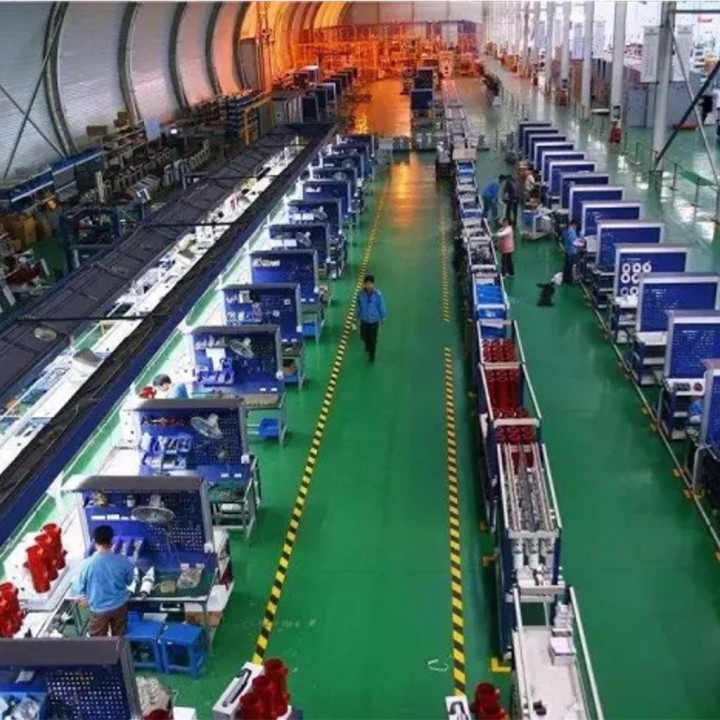
- Production Volume: Confirm the supplier's annual output and monthly capacity to ensure it matches your projected order volumes.
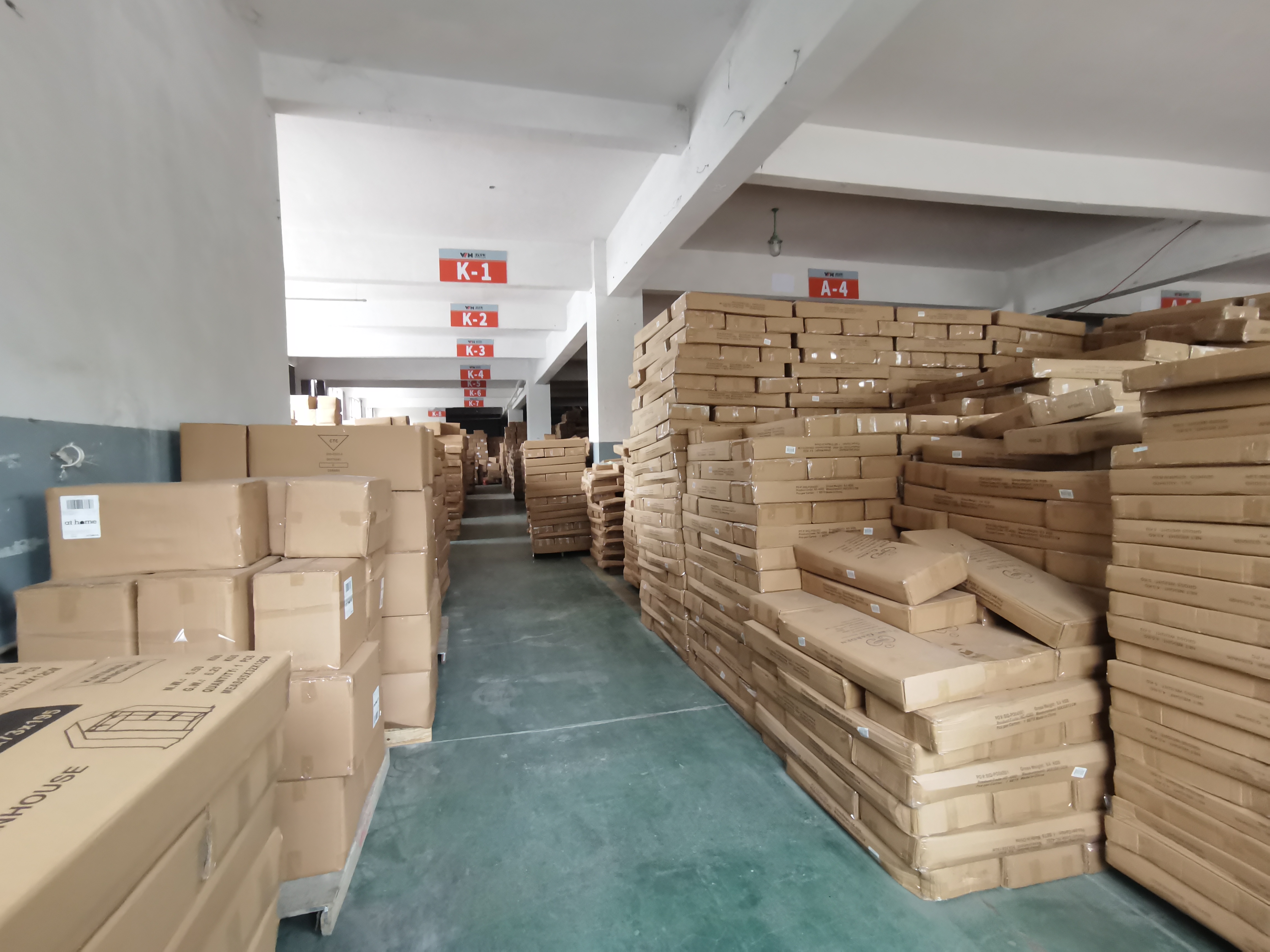
- Factory Infrastructure: The size of the production facility can indicate scalability. For instance, a factory spanning 10,000 square meters suggests substantial operational space.
- Workforce and Specialization: A dedicated team, such as a research and development unit with 10 professionals, indicates a focus on product innovation and customization support.

2. Verify Product Portfolio and Customization Options
Whether you need grocery bag bulk orders, custom reusable shopping bags, or wholesale grocery bag solutions, the manufacturer's product range and flexibility are crucial.
Example Product Specification: A manufacturer like Great Shine Houseware Ltd. produces items such as a Travel Makeup Bag, model GS-MB-001, and a Travel storage bag. This indicates expertise in sewn storage solutions relevant to the houseware industry. Their product application is common in markets including the United States, Germany, Canada, Italy, South Korea, and Japan.
For custom grocery bag needs, explicitly inquire about:
- OEM/ODM Services: Ability to handle full customization from design to production.
- Material Selection: Availability of various fabrics like polyester, canvas, or eco-friendly options to meet specific functional or sustainability goals for reusable grocery bags bulk orders.
- Minimum Order Quantity (MOQ): A common benchmark is 500 units, which is typical for custom runs.
3. Scrutinize Quality Assurance and Compliance Certifications
Quality control systems and international certifications are non-negotiable for ensuring product safety and market access.
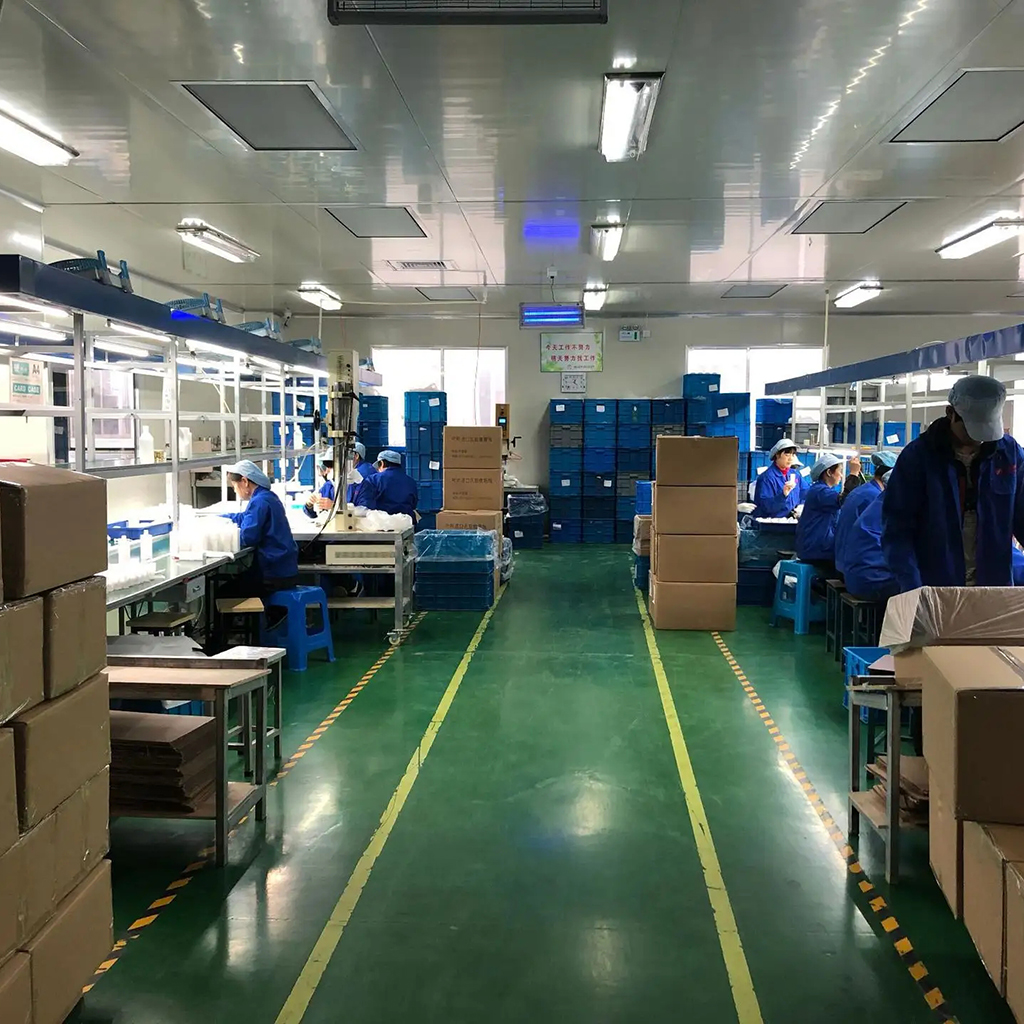
- Quality Control Processes: Look for manufacturers that implement 100% testing or rigorous inspection during production to mitigate risks associated with poor quality.
- Industry Certifications: Certifications like BSCI (Business Social Compliance Initiative), issued by the European Association for Foreign Trade, demonstrate adherence to social and ethical standards, which is critical for exporting to the EU and other regulated markets.

4. Evaluate Supply Chain and Commercial Terms
Clear and reliable commercial terms are foundational for a successful partnership. Key aspects to clarify include:
| Term | Typical Benchmark / What to Look For | Consideration for Buyers |
|---|---|---|
| Lead Time | Approximately 30 days from order confirmation. | Aligns with standard production schedules for custom orders. Confirm if this includes shipping. |
| Payment Terms | Structured terms like 30% deposit, 70% before shipment. | Provides a balance of commitment and risk management for both parties. |
| Delivery Method | FOB (Free On Board) is common. | Buyer assumes control and cost of freight and insurance after the goods are loaded onto the vessel. |
| Order Acceptance | Pre-shipment testing and inspection. | Ensures the batch meets agreed specifications before it leaves the factory. |
5. Analyze Market Experience and Client References
A manufacturer's track record offers insights into reliability and expertise.
- Industry Longevity: A company founded in 2013 has accumulated 11 years of industry experience, suggesting stability and process maturity.
- Export Focus: Manufacturers with 100% export orientation, primarily serving markets like the USA, are typically well-versed in international shipping, documentation, and buyer compliance requirements.
- Client Case Studies: References from long-term clients, such as an Amazon seller who has collaborated for 5 years on orders of 500 units for indoor storage solutions, can validate consistent performance and product quality.
Comparative Note: When evaluating multiple grocery bag factory options, differences often emerge in quality and price. Some suppliers may offer superior material quality at a more competitive price point, which can translate to a significant cost reduction for the buyer while maintaining product integrity.
Conclusion
Selecting the right grocery bag supplier involves a multi-faceted evaluation beyond just unit price. By systematically assessing manufacturing capabilities, customization options, quality certifications, commercial terms, and market reputation, procurement teams can make informed decisions that secure a reliable supply chain for reusable shopping bags bulk or custom reusable grocery bags. This due diligence minimizes risk and ensures the chosen partner can deliver products that meet specific functional, aesthetic, and compliance needs for the target market.