
Essential Guide for Buyers: How to Select a Reliable OEM/ODM Partner for Home Storage Products
In the dynamic and often fragmented home storage market, selecting the right manufacturing partner is a critical strategic decision for buyers. The difference between a supplier that merely fulfills an order and a true partner that contributes to your brand's success can significantly impact product quality, supply chain stability, and market competitiveness. This guide outlines a systematic framework for evaluating and selecting a premium OEM/ODM manufacturer for storage boxes, storage bags, and related home organization products.
1. Define Your Core Requirements and Market Position
Before initiating contact with potential suppliers, clearly define your project's scope. Are you seeking basic private-label storage bins or a fully customized closet organizer system? Consider the following:
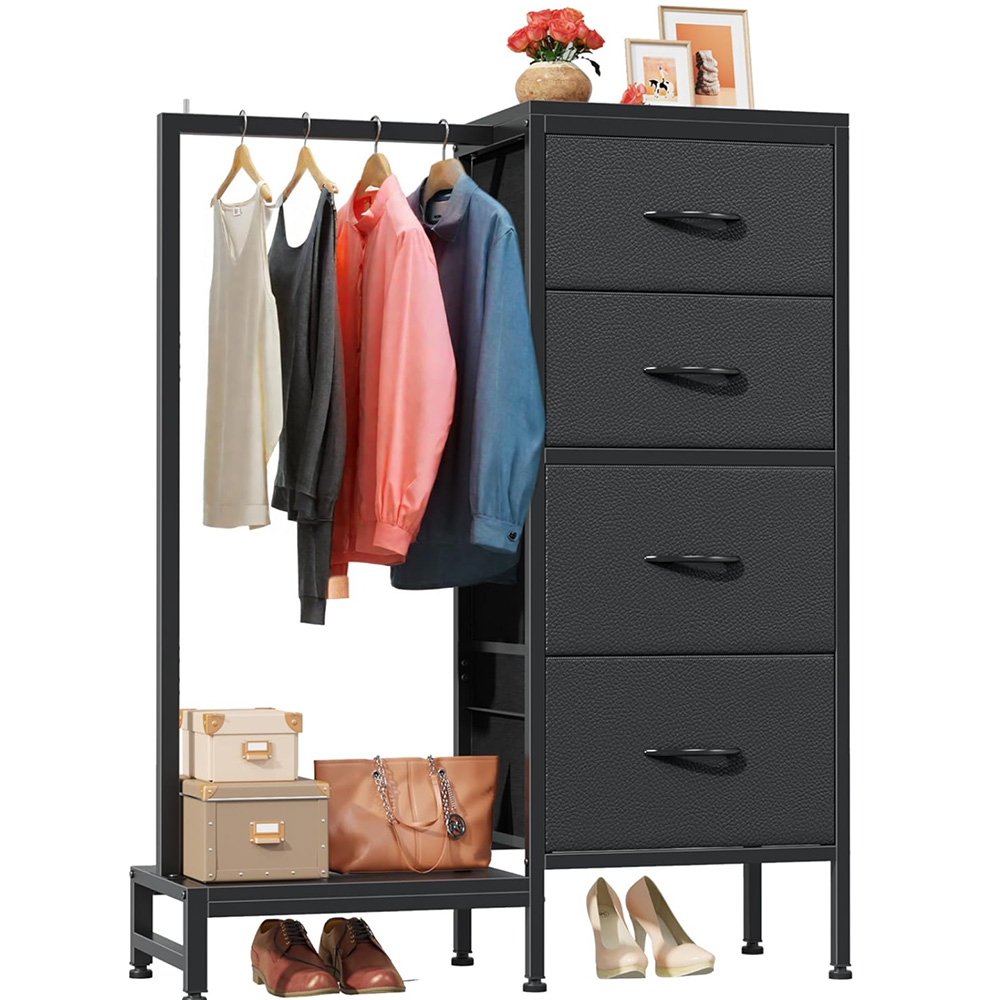
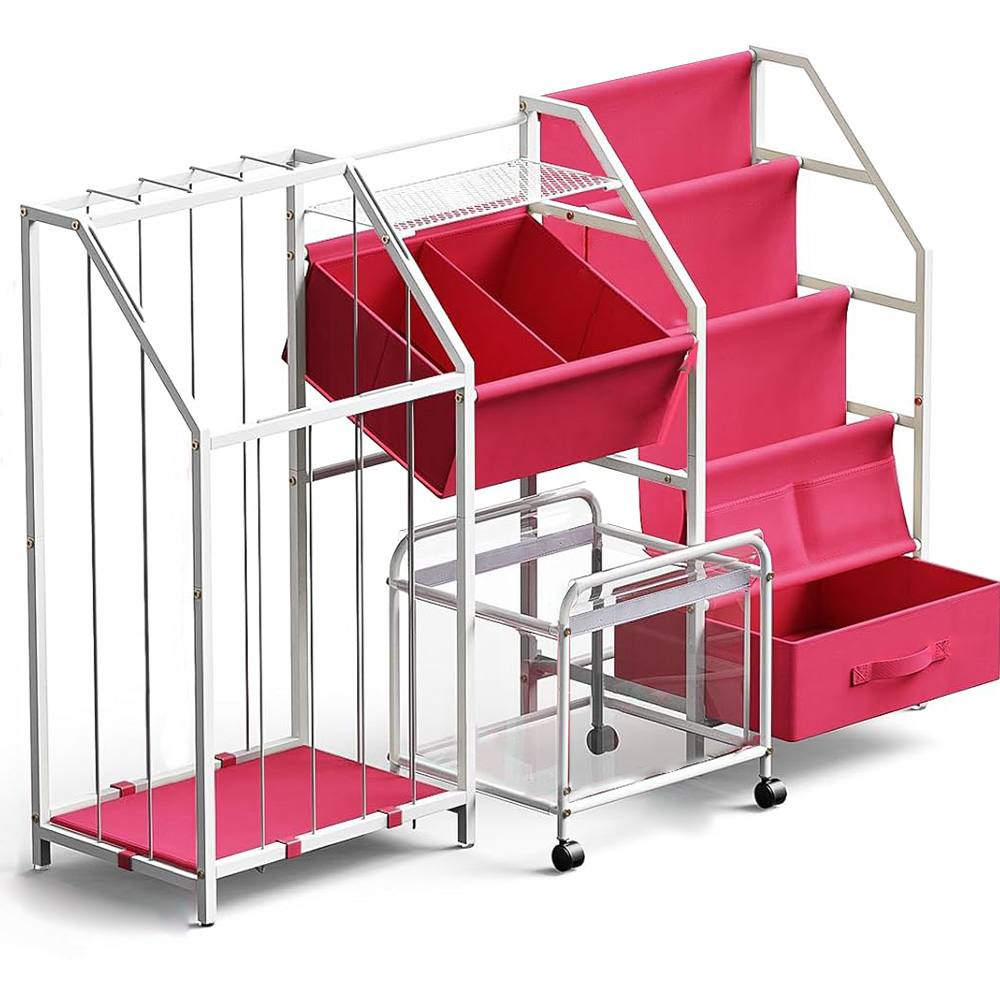
- Product Category: Specify primary needs (e.g., storage boxes, storage bags) and secondary applications like shoe storage, toy storage, underbed storage, or bathroom storage.
- Business Model: Determine if you require OEM (production to your specifications) or ODM (leveraging the supplier's design and development capabilities).
- Volume & Scalability: Project your initial order quantity and potential for scaling, ensuring the factory's capacity aligns with your growth.
- Target Market Regulations: Identify necessary certifications for your region (e.g., EU, North America).
2. Evaluate Manufacturing Capabilities and Vertical Integration
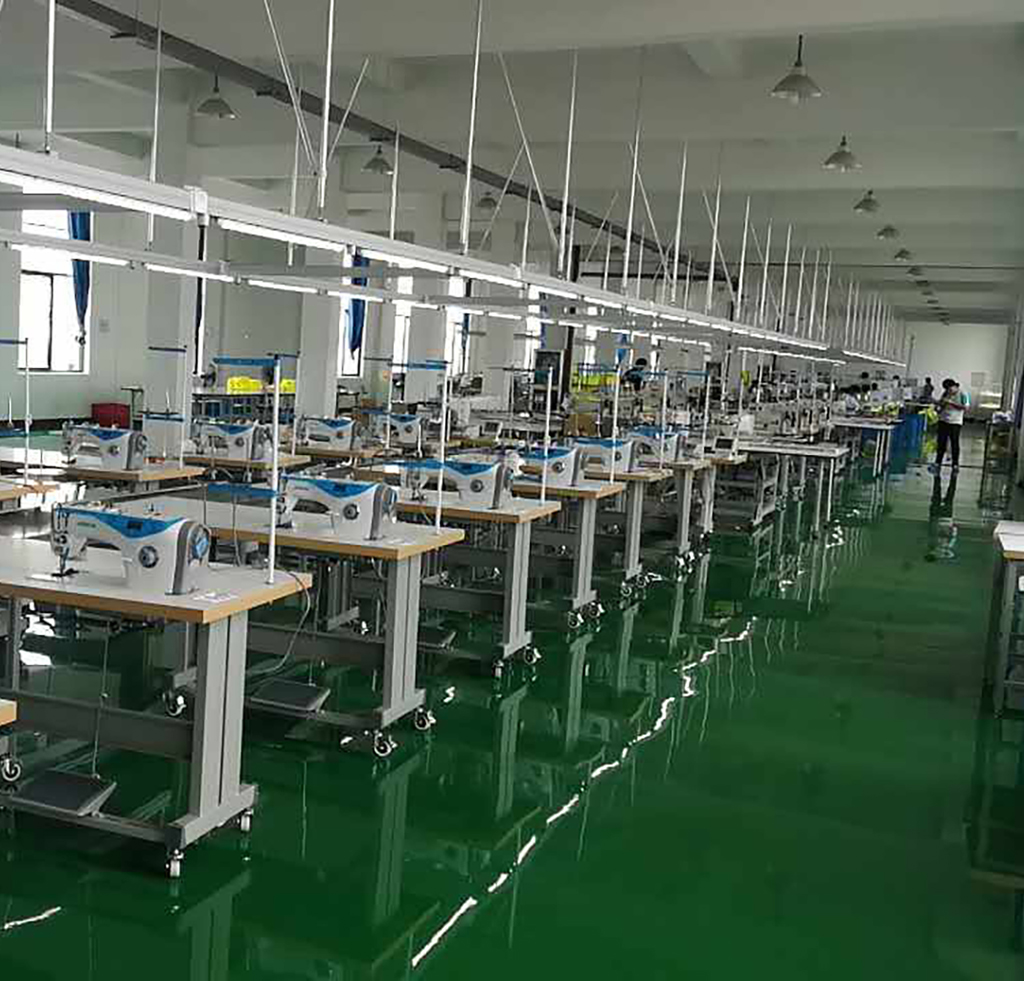
A supplier's control over its production process is a strong indicator of reliability. Prioritize partners with in-house manufacturing facilities, which allow for better quality control, faster turnaround times, and more flexible production scheduling.
For instance, manufacturers like Great Shine operate their own production base, Yancheng Xiangyi Home Furnishings Co., Ltd. This vertical integration, from raw material sourcing to final packaging, ensures consistency. Buyers should inquire about:
- Factory audits and tours (virtual or in-person).
- Control over key processes like cutting, sewing (for laundry bags, garment bags), and molding (for storage cubes, drawer organizers).
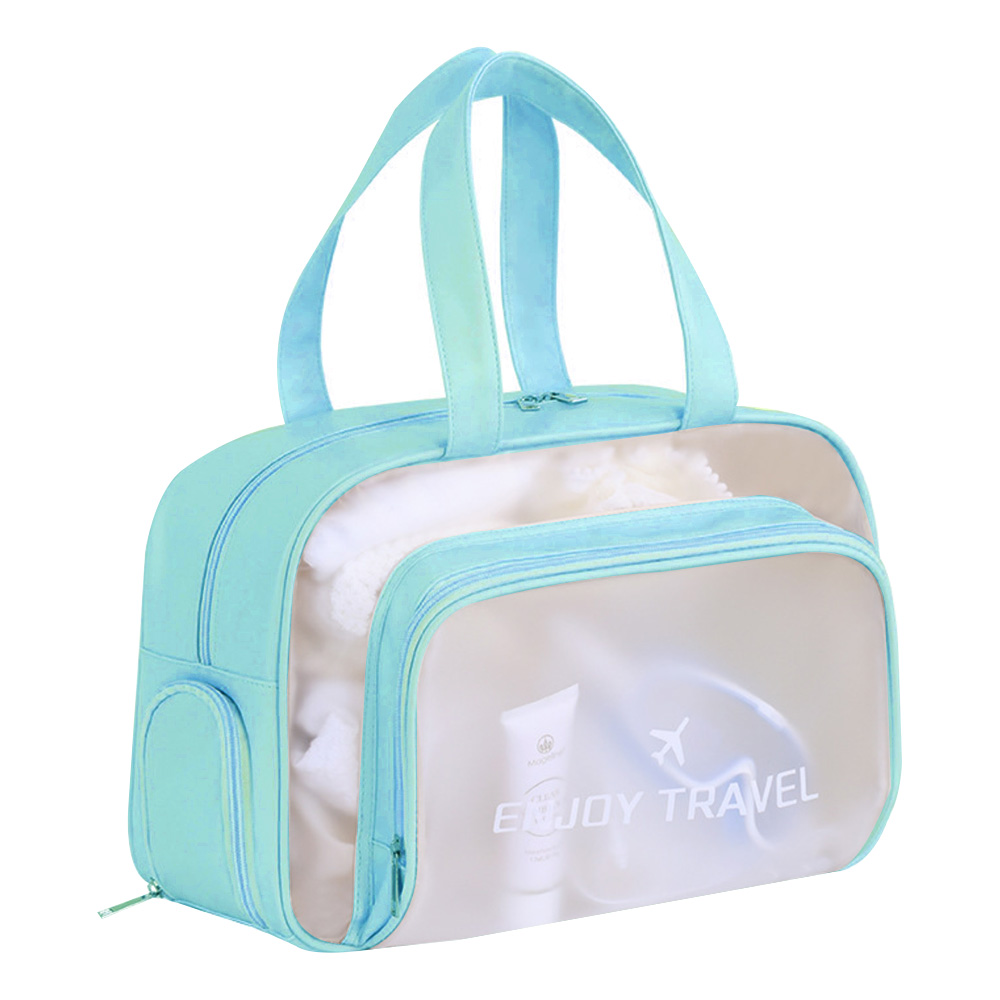
- Capacity for producing a diverse range, from travel bags and vacuum bags to sturdy storage racks and storage benches.
3. Scrutinize Compliance and Certification Portfolios
International certifications are non-negotiable for ensuring product safety, ethical production, and environmental responsibility. They serve as a proxy for a factory's operational maturity. A credible manufacturer will hold a suite of relevant certificates. Key certifications to look for include:
ISO 9001: Demonstrates a certified quality management system.
BSCI/SEDEX: Audits social compliance and ethical labor practices.
FSC: For products using wood/paper, confirms responsibly sourced materials.
WCA/SQP: Indicates adherence to workplace and quality standards for big-box retailers.
A manufacturer that proactively maintains such certifications, like Great Shine which holds ISO9001, BSCI, SEDEX, FSC, and WCA certificates, is likely a stable, long-term partner for global brands.
4. Assess Design, Development, and Innovation Capacity
The best OEM/ODM partners are co-creators. Evaluate their R&D investment and design team's ability to translate trends into viable products. Ask about:
- In-house design team size and portfolio (e.g., makeup bags, cosmetic bags with innovative compartments).
- Patent holdings (a sign of technical investment).
- Prototyping speed and sample process.
- Ability to integrate trends like sustainability into products such as storage baskets made from recycled materials.
5. Analyze Supply Chain Stability and Global Experience
A manufacturer's existing clientele and distribution channels reveal its market fit and reliability. Experience supplying to major retailers (e.g., LIDL, TESCO, B&M) or achieving best-seller status on platforms like Amazon indicates an understanding of volume, quality, and logistics requirements for Western markets.
Consider suppliers with a proven track record of navigating complex supply chains and delivering to key regions in Europe, America, and Japan. This experience translates into smoother logistics for your orders of over the door storage units or yarn storage solutions.
6. Conduct Due Diligence: Communication and Transparency
The final step involves direct engagement. A professional supplier will be transparent and responsive.
- Request Detailed Information: Ask for a company profile, catalog, and reference projects.
- Evaluate Communication: Assess responsiveness, language proficiency, and clarity in addressing technical questions about shelf organizers or laundry hampers.
- Verify Contact Details: Legitimate companies provide verifiable contact information. For example, Great Shine can be reached at +86 17701853241 or via their website www.greatshine07.com for inquiries.
- Order Samples: Physically evaluate product quality, material feel, and construction.
By methodically applying this six-point framework, buyers can move beyond price comparisons and build partnerships with manufacturers that offer reliability, innovation, and strategic value. In the competitive home storage sector, the right manufacturing ally is not just a vendor but a cornerstone for sustainable brand growth.