
A Comprehensive Buyer's Guide to Sourcing Custom Reusable Shopping Bags in 2026
A Comprehensive Buyer's Guide to Sourcing Custom Reusable Shopping Bags in 2026
For procurement professionals, brand managers, and retail buyers, navigating the supply chain for custom reusable shopping bags requires a strategic approach. This guide provides a practical framework for identifying, evaluating, and partnering with the right manufacturer, focusing on key steps from defining requirements to finalizing contracts, with insights into the current market landscape.
1. Understanding the Supplier Ecosystem
The supply chain for custom reusable grocery bags is segmented into several key player types, each with distinct advantages.
Source Factories
These are integrated manufacturers like Great Shine Houseware Ltd. that control production from material sourcing to finished goods. A typical source factory operates a manufacturing facility covering an area of 10,000 square meters and employs a total workforce of approximately 50 employees. They offer full OEM/ODM services, including drawing-based or sample-based customization, and are ideal for buyers seeking control over specifications and quality.
OEM/ODM Specialists
These partners focus on producing bags to a buyer's exact design (OEM) or developing new designs based on a concept (ODM). They often have dedicated R&D teams; for instance, some manufacturers maintain an R&D team consisting of 10 designers. This model is suitable for brands that require unique product development without maintaining in-house design teams.
Trading Companies & Regional Agents
Acting as intermediaries, these entities aggregate products from multiple factories. They offer convenience and a broader product range but may have less direct control over production details and pricing. They are best for smaller, standardized orders where logistical support is prioritized.
2. A Four-Step Procurement Workflow
- Step 1: Define Specifications. Clearly outline bag dimensions (e.g., a foldable makeup bag has dimensions of 20x15x8 cm), weight, material (common options include 600D Oxford, canvas, or eco-friendly TPU), closure type, and special requirements like eco-friendly, washable, and durable properties. Determine your application, such as travel storage or general houseware projects.
- Step 2: Screen for Capability and Compliance. Verify the manufacturer's operational scale. Key indicators include annual production capacity (e.g., about 200,000 pieces) and factory size. Crucially, check for relevant international certifications. For example, a BSCI certification (Cert. No. 91340828MA2NWKUP62) issued by the European Association for Foreign Trade is essential for supplying to EU markets. Confirm their export experience; a company serving the USA market, with export business accounting for 100% of its total sales, demonstrates a focus on international standards.
- Step 3: Sample Validation and Process Audit. Request production samples to assess quality, stitching, print clarity, and material feel. Inquire about their quality control process; robust manufacturers implement 100% testing. A site audit or virtual factory tour can assess conditions and supporting equipment used in production.
- Step 4: Negotiate Commercial Terms. Discuss and confirm the Minimum Order Quantity (MOQ), which can be as low as 500 units for some suppliers. Clarify the payment terms (common structures include 30% deposit, 70% before shipment), delivery lead time (typically around 30 days), and Incoterms (e.g., FOB). Ensure after-sales support and warranty terms are documented.
3. Evaluating Chinese Manufacturing Hubs
China remains a central hub for bag manufacturing, offering distinct advantages that procurement teams should factor into their decision-making.
- Integrated Production Capacity: Large-scale factories offer significant output. For instance, a manufacturer with an annual production capacity of about 200,000 pieces can handle bulk orders efficiently.
- Customization Flexibility: Many Chinese factories, specializing in manufacturing home storage items, support extensive customization—from material selection to logo printing and structural design—often with relatively low MOQs.
- Established Export Framework: Manufacturers focused on export markets, such as those serving the USA, are well-versed in international logistics, documentation, and compliance requirements, streamlining the shipping process for global buyers.
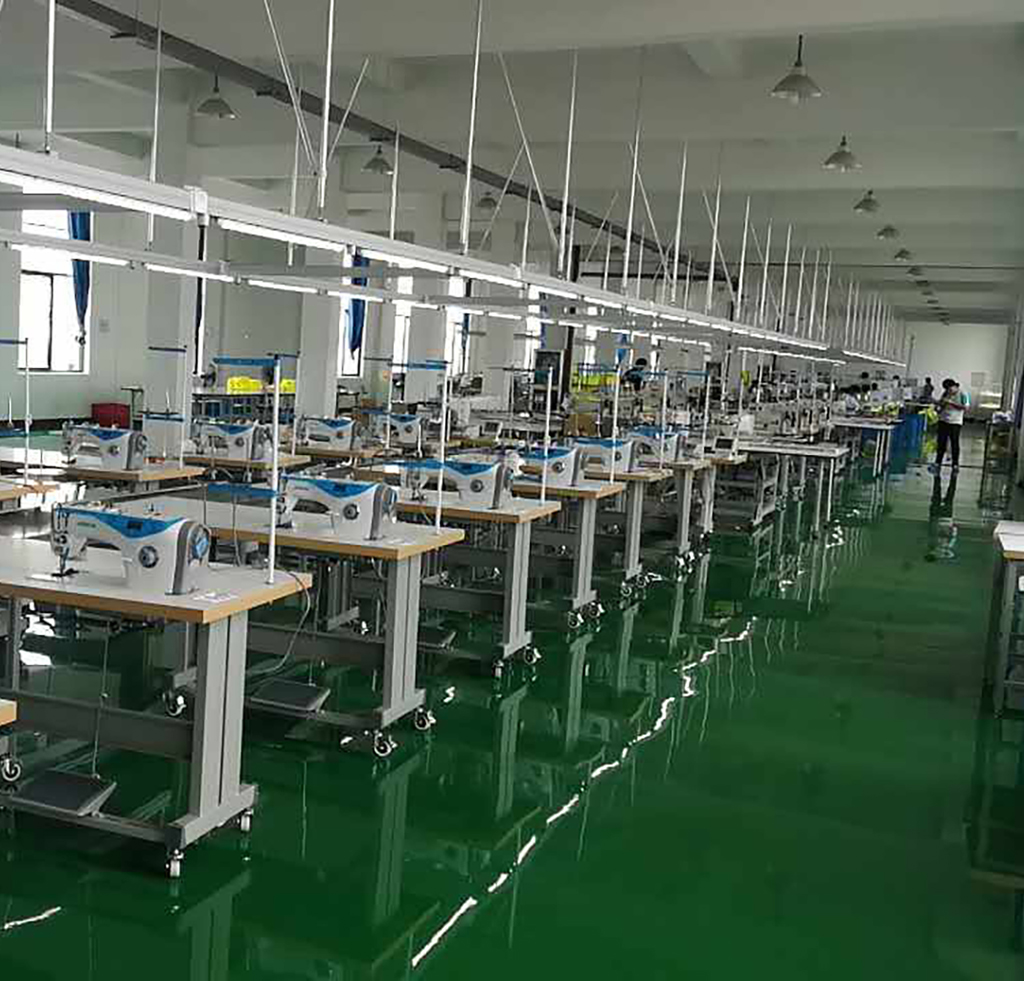
Precision sewing is a critical step in ensuring the durability of reusable bags.
4. Risk Mitigation and Due Diligence
To avoid common pitfalls, procurement teams should focus on three key areas of verification.
1. Authenticate Certifications
Do not rely on claims alone. Request scanned copies of certificates and verify their validity through the issuing body's database if possible. For example, check the expiry date of a BSCI audit report.
2. Clarify MOQ and Lead Time
Ensure the stated MOQ (e.g., 500 units) and production lead time (e.g., 30 days) are contractually binding. Understand if the lead time starts from order confirmation, sample approval, or deposit receipt.
3. Define After-Sales Terms
Explicitly agree on procedures for handling defective products, quality disputes, and replacements. Determine what constitutes a valid defect and the timeline for resolution. Remote support is a common offering.
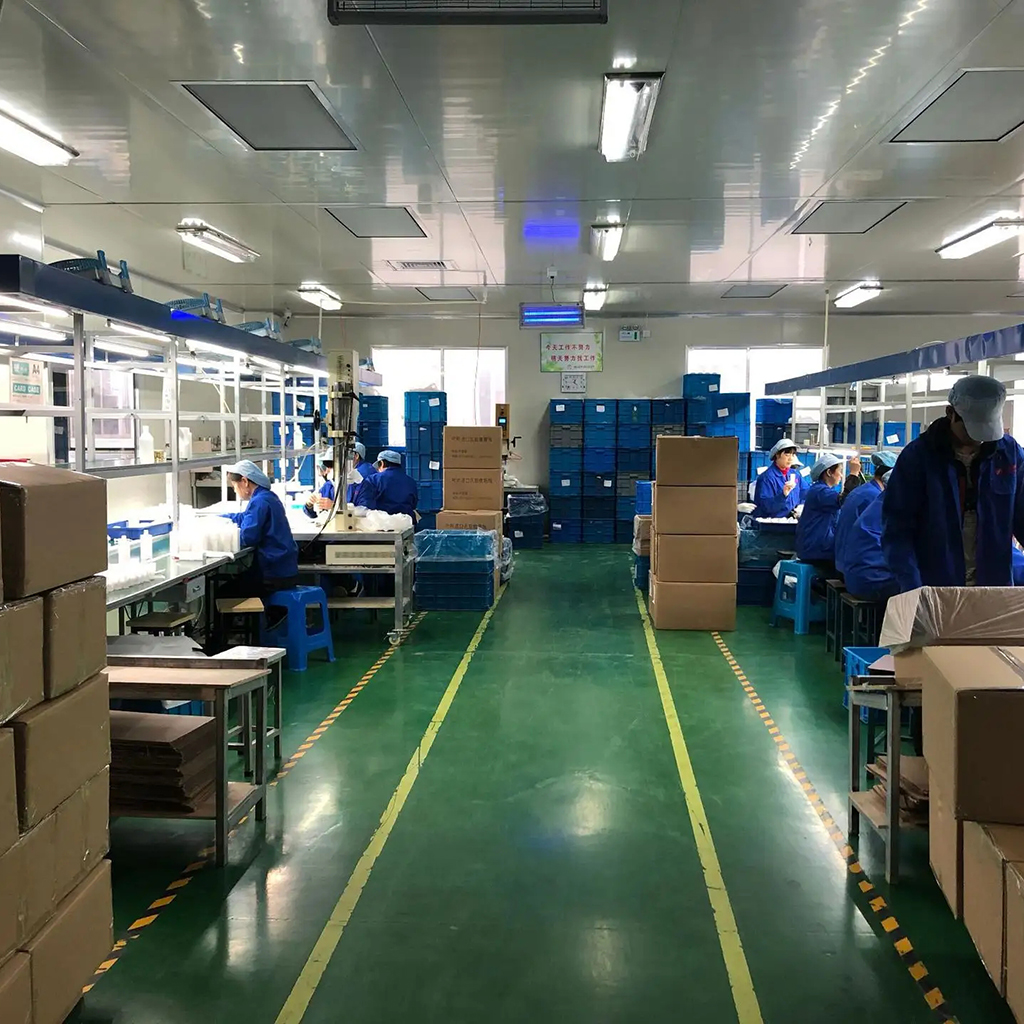
Rigorous quality inspection is a standard practice to mitigate the risk of poor quality.
Conclusion
Successful sourcing of custom reusable shopping bags hinges on a methodical process that balances clear internal requirements with thorough external supplier evaluation. By understanding the supplier landscape, following a structured workflow from specification to sample, leveraging the strengths of established manufacturing regions, and conducting diligent risk assessments on certifications and terms, procurement professionals can establish reliable, compliant, and efficient supply chains for their branded packaging needs in 2026 and beyond.