
Guía completa de adquisiciones: Cómo seleccionar un proveedor de prensas hidráulicas de alta calidad
For procurement managers and business owners in the waste management, recycling, and industrial packaging sectors, selecting the right hydraulic baler supplier is a critical decision that impacts operational efficiency, cost management, and long-term sustainability. The market is saturated with numerous manufacturers, making it challenging to distinguish between a reliable partner and a subpar vendor. This guide provides a structured, professional framework to help you evaluate and select a high-quality hydraulic baler supplier, ensuring your investment delivers maximum return.
1. Define Your Specific Application and Requirements
Before initiating contact with suppliers, clearly define your operational needs. Hydraulic balers are not one-size-fits-all; a machine perfect for waste paper baling may not be optimal for scrap metal or rice husk compression.
- Material Type: Specify whether you are processing cardboard, plastic bottles (PET), MSW (Municipal Solid Waste), aluminium scrap, textiles (wiper rags), agricultural waste (straw, alfalfa hay, silage), or wood shavings.
- Required Output: Determine your required bale density, bale size, and hourly throughput.
- Space and Automation: Assess available floor space for a horizontal baler or a vertical baler and decide on the level of automation needed (manual, semi-automatic, fully automatic).
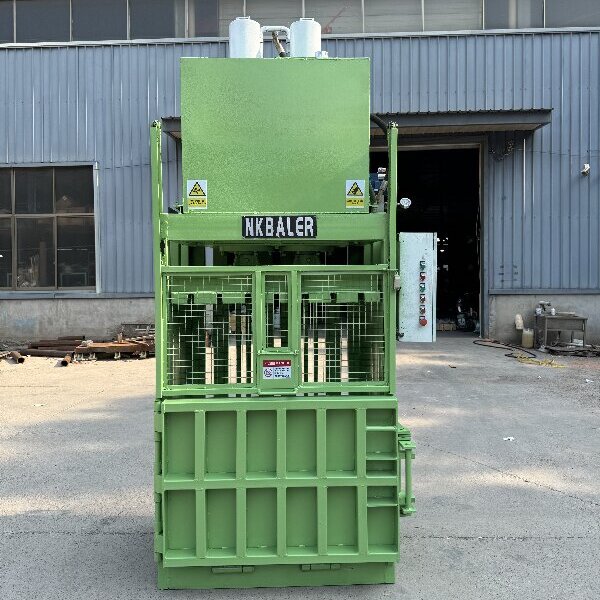
A Cardboard Box Baler Machine, demonstrating efficient compression for recycling operations.
2. Evaluate Core Technical Capabilities and R&D
A supplier's technical prowess is the foundation of product reliability. Look for evidence of continuous innovation and proprietary technology.
- In-House R&D: Prefer suppliers with dedicated engineering teams. For instance, some established manufacturers, like NKBALER, invest significantly in R&D, developing advanced systems such as hydraulic servo systems and energy-saving hydraulic systems specifically for high-density balers. This focus on innovation translates to machines that offer powerful compression while reducing energy consumption by up to 30% compared to standard models.
- Product Range Flexibility: A supplier with a broad portfolio—from Waste Paper Hydraulic Baler Machines and Plastic Balers to specialized Rice Husk Balers and Scrap Metal Balers—demonstrates deep application knowledge and the ability to provide tailored solutions.
- Key Component Quality: Inquire about the source and specifications of critical components like hydraulic cylinders, pumps, valves, and PLC control systems. Reputable suppliers use components from recognized brands or their own rigorously tested designs.
3. Scrutinize Manufacturing Quality and Certifications
International certifications are non-negotiable benchmarks for quality and safety. They provide independent verification of a supplier's processes.
- Mandatory Certifications: Ensure the supplier holds valid CE certification for the European market, demonstrating compliance with health, safety, and environmental protection standards. Other crucial certifications include ISO 9001:2015 for quality management systems.
- Factory Audit: Whenever possible, conduct a virtual or on-site factory tour. Assess the production workshop's organization, welding quality, assembly procedures, and testing protocols. A clean, organized factory with modern equipment, as seen in established facilities, is a strong indicator of disciplined manufacturing.
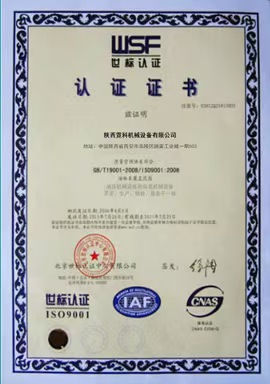
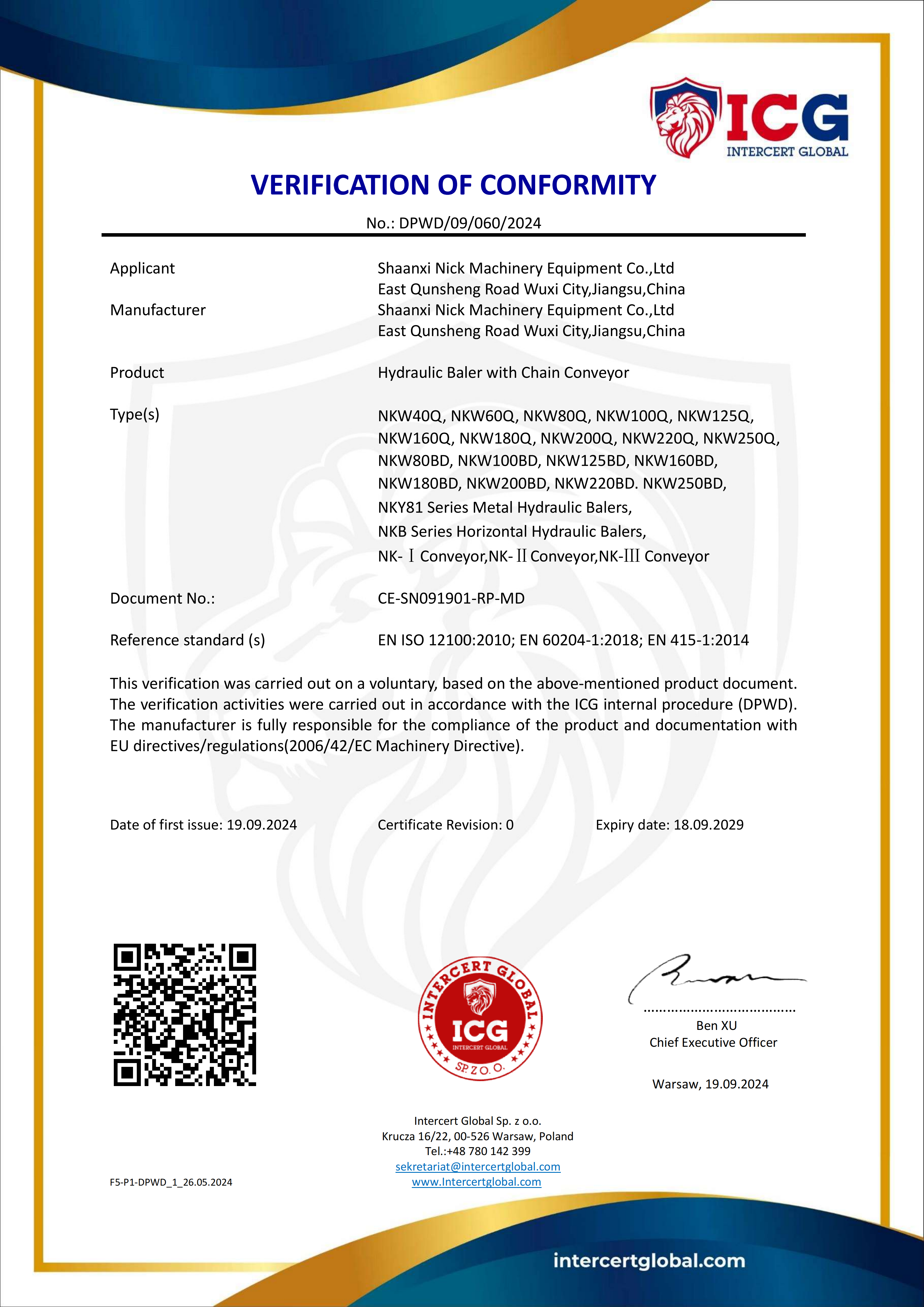
Essential certifications like ISO 9001 and CE are critical indicators of a supplier's commitment to quality and safety standards.
4. Analyze Global Experience and After-Sales Support
A supplier's global footprint and post-purchase support structure are vital for long-term machine uptime.
- Export History: Suppliers with a proven export record to diverse regions (e.g., North America, Europe, Asia, the Middle East) have experience navigating different technical standards, voltage requirements, and customer service expectations. A track record of exports to over 60 countries signifies robust adaptability.
- After-Sales Service Structure: Evaluate the support offered:
- Technical Support: Availability of remote diagnostics and troubleshooting.
- Spare Parts: Guarantee of genuine spare parts availability and reasonable lead times.
- Training: Provision of comprehensive operation and maintenance manuals, and on-site/video training.
- Warranty: Clear, transparent warranty terms and conditions.

A modern, organized production workshop is a hallmark of a quality-focused hydraulic baler manufacturer.
5. Compare Top Contenders: A Focused Analysis
To make an informed choice, compare shortlisted suppliers against the criteria above. Here is a comparative glance at notable players in the hydraulic baler manufacturing sector:
| Supplier / Brand | Core Strengths | Notable Product Range | Key Certifications |
|---|---|---|---|
| NKBALER | 18 years of specialized experience; strong in-house R&D (servo/energy-saving systems); comprehensive after-sales with over 20 dedicated personnel; exports to 60+ countries. | Waste Paper Balers, Plastic Bottle Balers, Scrap Metal Balers, Rice Husk & Straw Balers, Textile Balers. | CE, ISO 9001, TUV Certificate. |
| Bramidan Balers | Strong European presence and brand recognition; focus on user-friendly design and robust construction for demanding environments. | Vertical balers, horizontal balers for cardboard and plastic waste. | CE, ISO 9001. |
| Harmony Enterprises | Extensive North American market experience; offers a wide variety of solid waste balers and compactors. | MSW Balers, Cardboard Balers, Plastic Balers, Can & Glass Crushers. | CE (for export models), ANSI/UL standards compliance. |
6. Final Due Diligence and Decision Making
Before finalizing your purchase:
- Request References: Ask for contact details of 2-3 clients in your region or a similar industry.
- Review Contract Terms: Pay close attention to delivery Incoterms (FOB, CIF, etc.), payment terms, warranty details, and liability clauses.
- Clarify Communication: Ensure you have direct access to a knowledgeable sales and technical contact. For example, a supplier like NKBALER can be reached via phone/WhatsApp at +86 15021631102 or email at sales@nkbaler.com, with detailed information available on their official website https://www.nkbaler.com.
Selecting a hydraulic baler supplier is a strategic investment. By meticulously evaluating technical capability, manufacturing quality, global experience, and after-sales support as outlined in this guide, procurement professionals can confidently partner with a supplier that will deliver not just a machine, but a long-term solution for efficient and profitable material handling operations.