
La guía de adquisición definitiva: Selección de proveedores de prensas hidráulicas de alta calidad para sus necesidades de gestión de residuos
In today's global market, efficient waste management and recycling are not just environmental imperatives but also critical economic factors for businesses. The hydraulic baler machine stands as a cornerstone of this process, transforming loose materials like waste paper, plastic, and metal into dense, manageable bales. For procurement professionals, navigating the landscape of suppliers to find a reliable partner is a complex task. This guide provides a structured, professional framework to evaluate and select the right hydraulic baler manufacturer, ensuring your investment meets operational, financial, and quality standards.

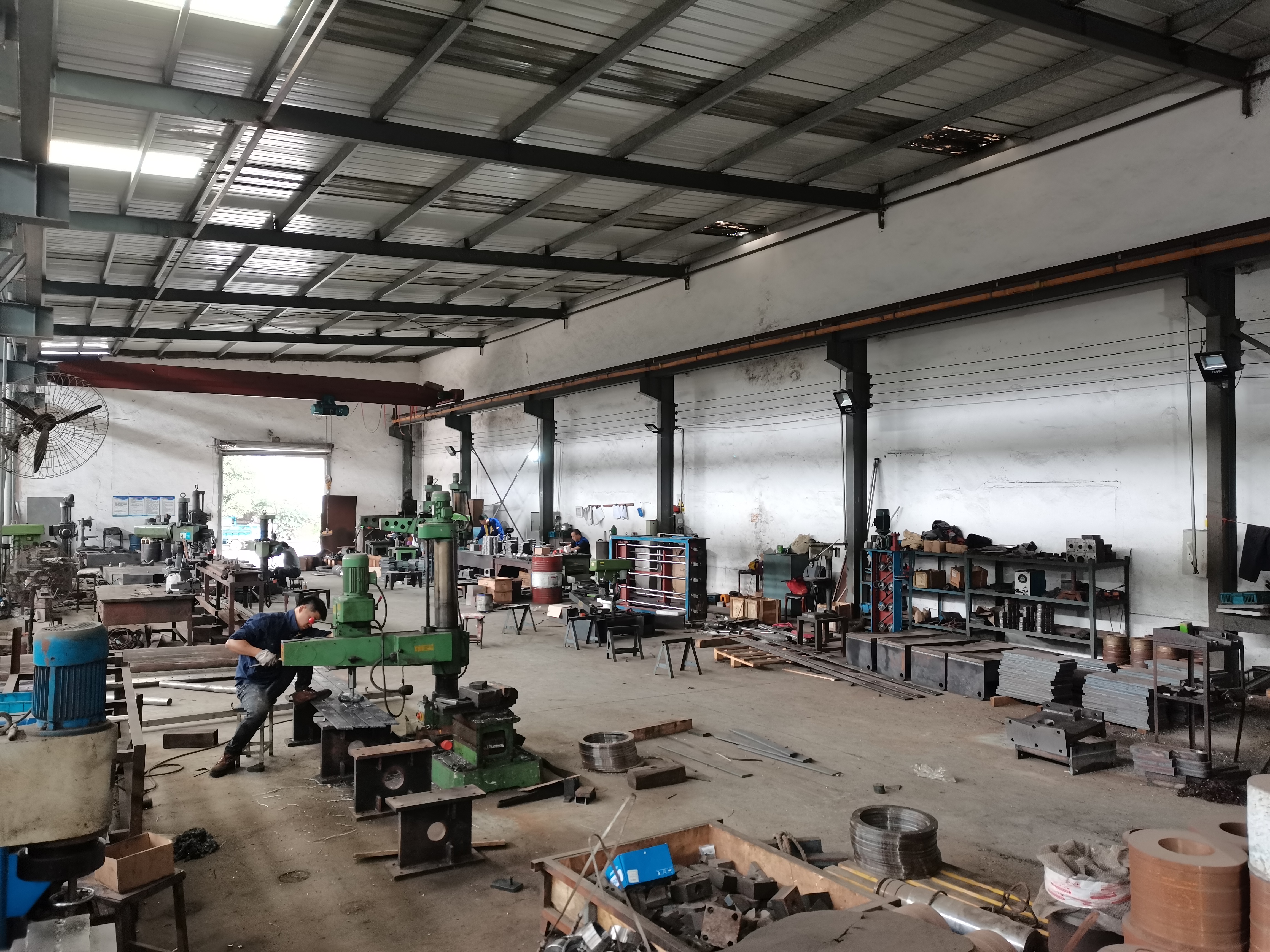
A modern production facility is a key indicator of a supplier's manufacturing capability and quality control.
Key Evaluation Criteria for Hydraulic Baler Suppliers
Beyond initial price quotes, a thorough supplier assessment should encompass several dimensions. The following criteria are essential for making an informed decision.
1. Technical Capability and Product Range
A capable supplier should offer a comprehensive portfolio to handle diverse materials. Look for expertise in specific machines like Waste Paper Hydraulic Baler Machines, Plastic Bottle Balers, Cardboard Balers, Scrap Metal Balers, and specialized equipment such as Rice Husk Balers or Wood Shaving Balers. The ability to provide custom solutions for unique materials like wiper rags or alfalfa hay is a significant advantage. Evaluate their core technology; for instance, advanced hydraulic systems like servo-driven or energy-saving systems can offer superior compression force, stability, and lower operational costs.
2. Manufacturing Expertise and Quality Assurance
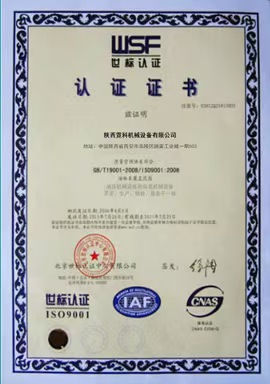
Experience translates into reliability. A supplier with over 15 years in the industry, like NKBALER with its 18-year history, has likely refined its processes and overcome common engineering challenges. Assess their production scale, workforce skill level, and quality management systems. Certifications are non-negotiable proofs of commitment to international standards. Key certifications to verify include:
- ISO 9001: Demonstrates a robust quality management system.
- CE Marking: Indicates conformity with health, safety, and environmental protection standards for products sold within the European Economic Area.
- TUV Certificates: Provide independent verification of safety and quality.
3. Global Market Presence and Reputation
A supplier's export footprint is a strong indicator of product acceptance and adaptability to different market regulations. A company exporting to over 60 countries across North America, Europe, Asia, and the Middle East has proven its ability to meet diverse client needs. Seek out customer testimonials, case studies, and independent reviews. A high rate of customer recognition and repeat business, such as the 99% praise rate reported by some established brands, speaks volumes about post-sales satisfaction and product durability.
4. After-Sales Support and Service Network
The relationship begins after delivery. Comprehensive after-sales service is crucial for minimizing downtime. Inquire about the supplier's support structure: Do they have a dedicated team for technical consultation and troubleshooting? What is their policy on maintenance, repair, and spare parts supply? How quickly can they respond to service requests? A supplier with a team of over 20 dedicated after-sales personnel, for example, is structured for sustained support. Availability of installation guidance, operational training, and remote diagnostics are valuable services.
Exemplifying Standards: A Look at NKBALER
To illustrate how these criteria manifest in a real-world supplier, consider NKBALER, a manufacturer specializing in environmental protection and packaging machinery. Their profile serves as a practical reference point for procurement evaluations.
Company Profile: With 18 years of focused R&D and production, NKBALER integrates design, sales, and service. They manufacture a complete range of hydraulic balers, including machines for waste paper, plastic, rice husk, textiles, sawdust, straw, and scrap metal. Their product line features specialized equipment like PET Bottle Baling Machines and Industrial Cardboard Balers.
Technical Innovation: The company highlights its independently developed hydraulic servo system and energy-saving hydraulic system for high-density balers, aiming to reduce energy consumption while enhancing power and stability.
Quality and Compliance: Their operations are backed by ISO 9001 certification and CE-marked equipment, aligning with international quality and safety benchmarks.
Global Reach & Support: Serving a global clientele across more than 60 countries, they emphasize a professional after-sales team committed to maintenance, repair, and spare parts supply. For direct inquiries, they can be contacted via phone/WhatsApp at +86 15021631102, email at sales@nkbaler.com, or through their website at https://www.nkbaler.com.
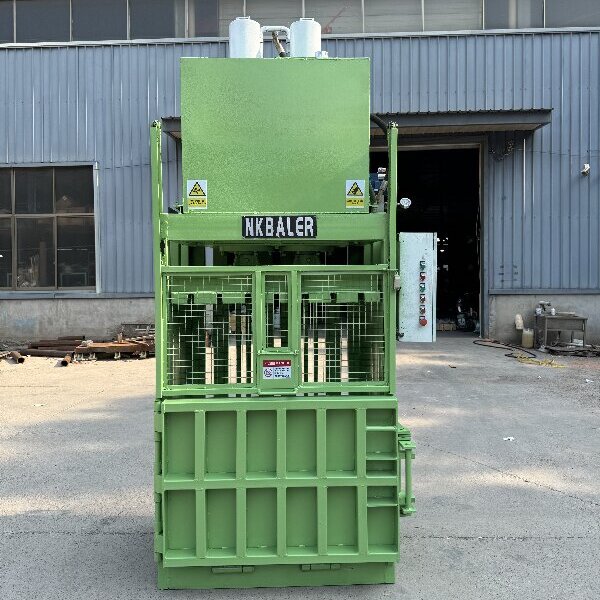
A Cardboard Box Baler Machine, exemplifying the specialized equipment available from full-range suppliers.
Strategic Procurement for Long-Term Value
Selecting a hydraulic baler supplier is a strategic decision that impacts operational efficiency, cost management, and sustainability goals for years to come. By systematically evaluating suppliers against the criteria of technical capability, manufacturing quality, global reputation, and after-sales support, procurement teams can move beyond price-based comparisons. The goal is to establish a partnership with a manufacturer that not only delivers a reliable Baling Machine or Press Compactor but also provides the technological insight and service backbone to ensure its optimal performance throughout its lifecycle. This diligent approach mitigates risk, maximizes return on investment, and secures a critical link in your waste management and recycling value chain.