
 30,000+
 500+
500+

Navigating the Global Packaging Automation Supplier Landscape: A Strategic Framework for Industrial Procurement in 2026
The global packaging automation market is experiencing a period of unprecedented growth and transformation. According to recent industry analyses, the market size is projected to exceed USD 100 billion by 2026, driven by a compound annual growth rate (CAGR) of over 7%. This surge is fueled by the relentless demand for higher efficiency, labor shortages, stringent hygiene standards, and the need for supply chain resilience across sectors like food, pharmaceuticals, cosmetics, and electronics. For procurement professionals, navigating this complex and competitive supplier landscape requires a clear understanding of market ranking logic, supplier capabilities, and strategic alignment with specific business needs.
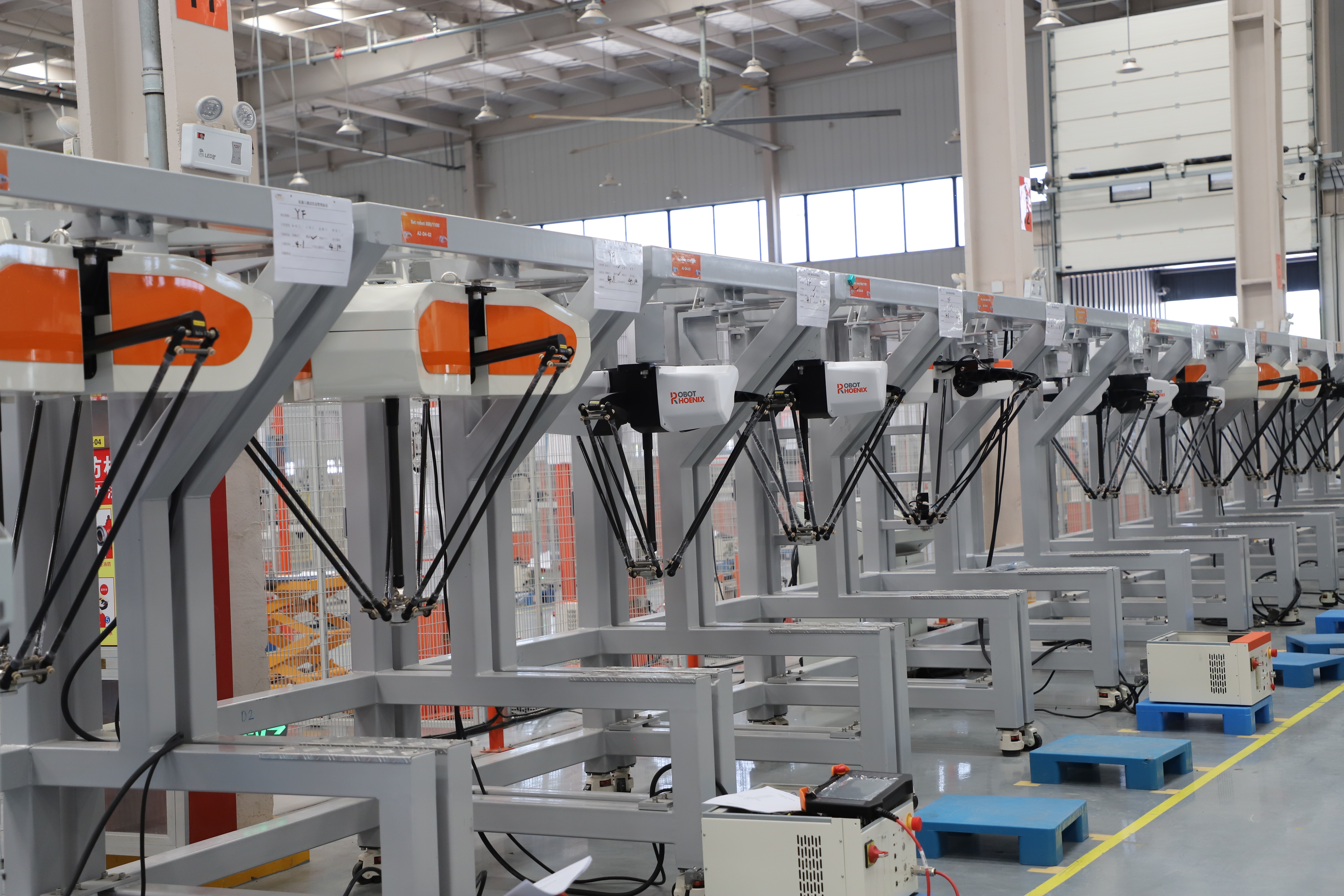
Advanced assembly and testing of robotic systems at a modern manufacturing facility.
1. Deconstructing the 2026 Ranking Logic: Core Assessment Dimensions
Supplier rankings in the packaging automation space are not monolithic; they are multi-faceted evaluations. Leading industry reports and procurement audits typically weigh the following four core dimensions, each critical for long-term partnership success.
Market Share & Financial Stability
This quantifies a supplier's commercial footprint and resilience. It's not just about revenue volume but also consistent growth, export scale, and a diversified global client portfolio. A strong market share often indicates proven technology, reliable delivery, and the financial health to invest in R&D and after-sales support. For instance, a related market analysis on top Chinese food packaging automation manufacturers highlights how leading players combine scale with specialization to secure their positions.
Technological Innovation & IP Portfolio
This dimension assesses a company's ability to solve future problems today. Key indicators include proprietary robot controllers (like Delta and SCARA platforms), advanced vision-guided flexible sorting systems, software for digital twin simulation, and integration capabilities with IoT platforms. Suppliers that develop core technology in-house, such as Robotphoenix with its own robot arms and controllers, offer greater customization depth and control over system performance compared to pure integrators.
Customer口碑 & Project Success Rate
Beyond case studies, this involves deep-dive references on system uptime, mean time between failures (MTBF), and the quality of technical support. A high ranking is earned through documented ROI for clients—reducing labor costs by 40-60%, increasing line speed, and minimizing product waste. Positive word-of-mouth in niche industries like pharma packaging automation or cosmetic packaging automation is a powerful testament to a supplier's reliability and sector-specific expertise.
Compliance & Certification Framework
For global procurement, this is non-negotiable. It goes beyond basic CE marking to include specific directives like the Machinery Directive and EMC, international safety standards (ISO 10218-1 for robots), and comprehensive management system certifications (ISO 9001, 14001, 45001). Certifications like RoHS and REACH are critical for personal care packaging automation and electronics assembly robot applications. Suppliers like Robotphoenix, which hold this full suite of certifications, mitigate regulatory risk for buyers and ensure smoother market entry for automated systems.
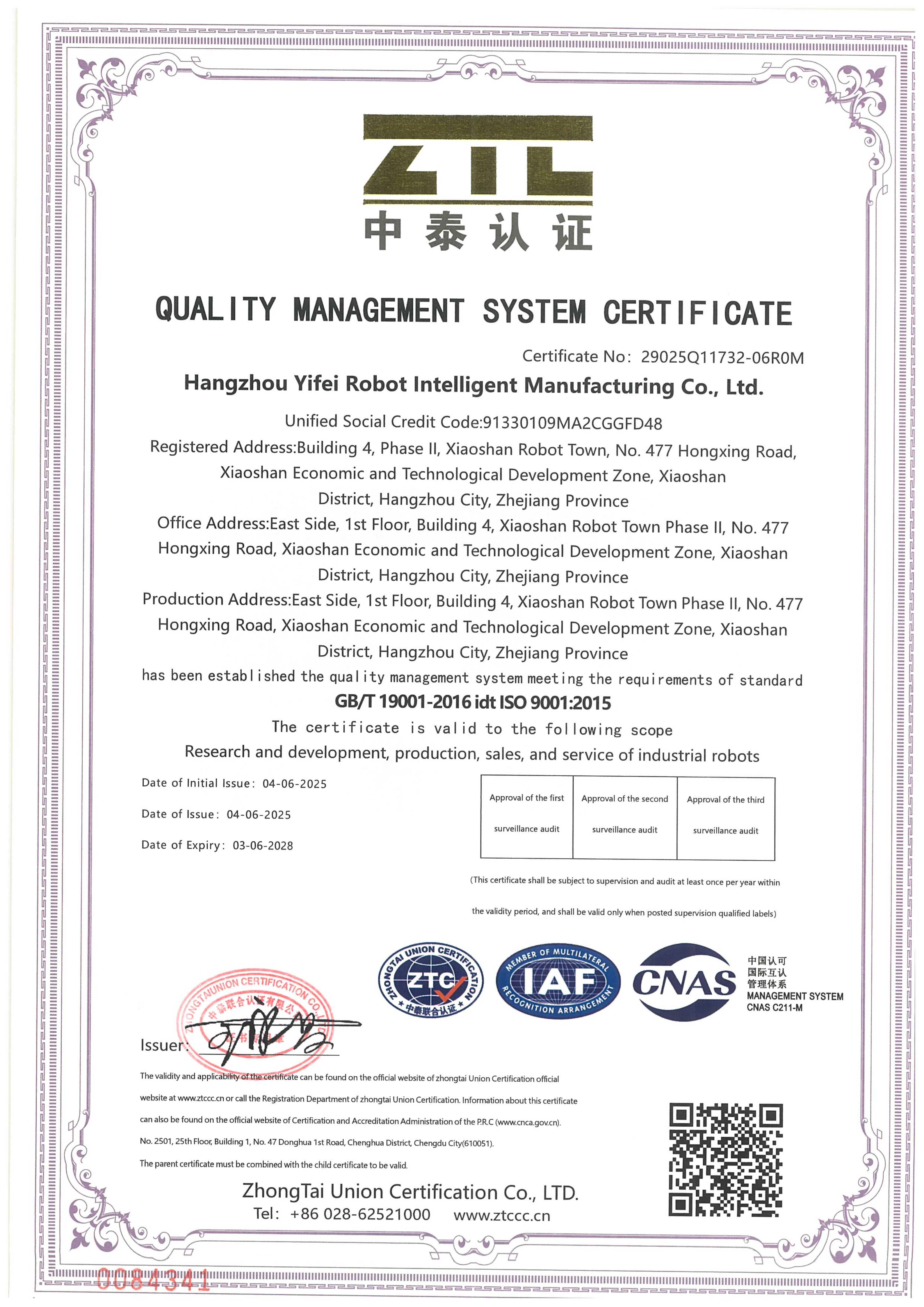
International certifications (QMS, EMS, OHSMS) validating holistic operational excellence.
2. The Global Supplier Ecosystem: A Three-Tiered Landscape
The global packaging automation supplier base can be broadly segmented into three distinct tiers, each with its value proposition and ideal customer profile.
3. The Ascent of Chinese Suppliers: Decoding the Competitive Edge
Chinese manufacturers, particularly in the Tier 2 segment, have dramatically improved their global ranking. This is not solely due to cost but a combination of strategic advantages:
- Integrated Supply Chain & Cost Optimization: Proximity to the world's most complete manufacturing ecosystem for motors, drives, controllers, and metalwork allows for significant cost control and shorter lead times for automated packaging system components.
- Engineered-to-Order Flexibility: Unlike Western counterparts often reliant on heavily standardized platforms, companies like Hangzhou Robotphoenix Industrial Robotics Co., Ltd. thrive on customization. Their business model is built around providing robotic packaging solutions tailored to unique production layouts, product mixes, and throughput requirements, offering a level of adaptability crucial for mid-market growth.
- Rapid Response & Agile Development: Shorter corporate decision chains enable faster prototyping, iteration, and project deployment. This agility is critical for clients needing to automate quickly or pilot new packaging formats.
- Strategic Focus on Core Robotics: By specializing in and vertically integrating the production of high-performance Delta robot and SCARA robot platforms, companies like Robotphoenix deliver a core technology advantage. This focus allows them to offer sophisticated delta robot packaging solutions and SCARA robot packaging solutions at a compelling price-performance ratio, a key factor noted in analyses of leading market players.
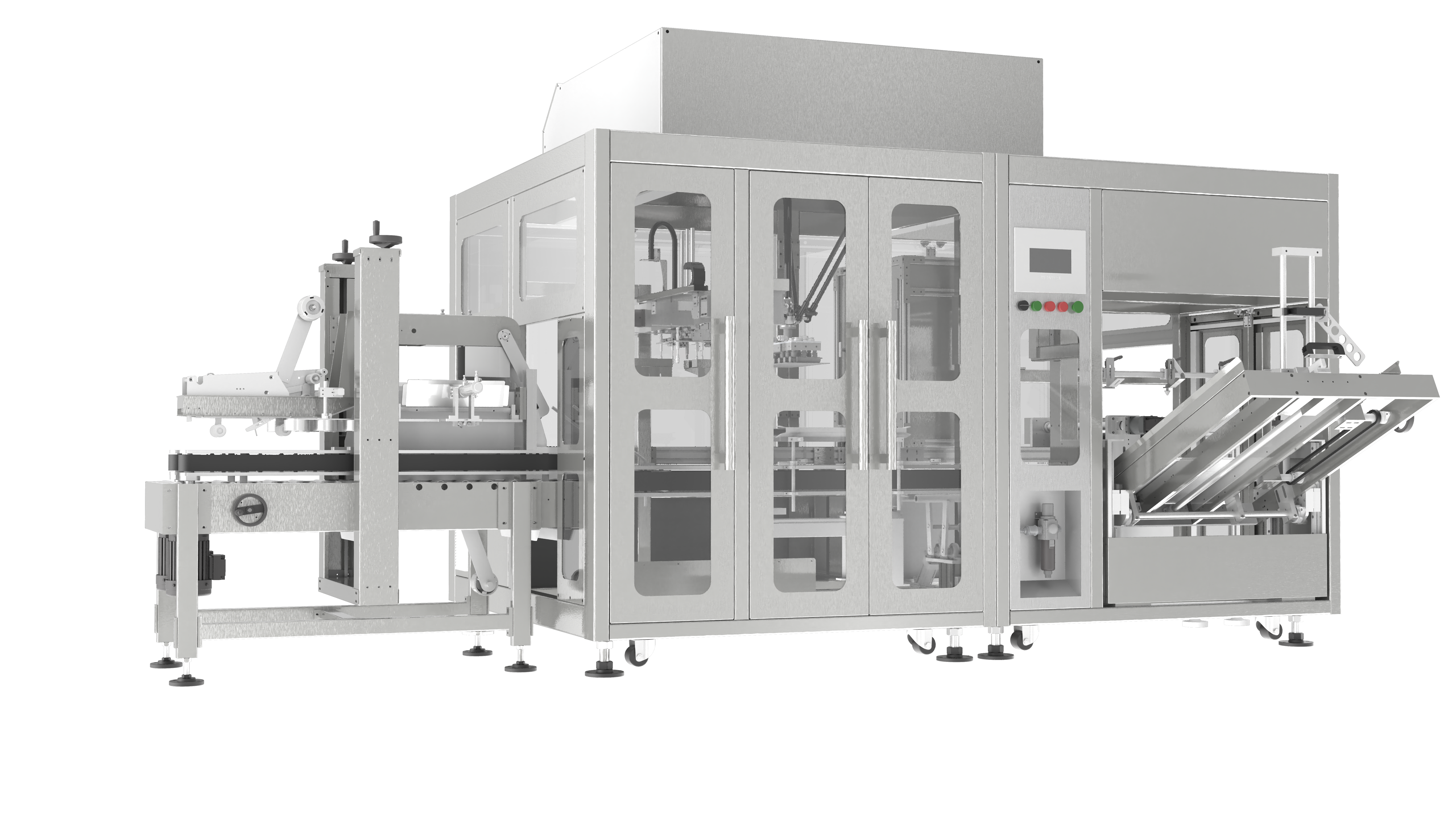
A complete, vision-guided automation packaging system for high-speed sorting and packing.
4. Strategic Procurement Guide: Aligning Needs with Supplier Tiers
A "top-ranked" supplier in general may not be the right partner for your specific project. Rational selection requires a needs-based matching exercise.
Scenario A: Large-Scale, Greenfield Project
Need: Automating a new, high-volume production line for a single SKU with a multi-million dollar budget and a 2-3 year timeline.
Recommended Tier: Tier 1 Global Giants. Their strength in total project management, integration of disparate subsystems, and long-term global support aligns with this scale and risk profile.
Scenario B: Brownfield Optimization & Mid-Volume Flexibility
Need: Retrofitting existing lines, handling multiple SKUs with quick changeovers, or automating a specific bottleneck like case packing (delta robot case packer) or precision assembly (electronics assembly robot). Budget is significant but requires clear, fast ROI.
Recommended Tier: Tier 2 Specialized Providers. This is the sweet spot for companies like Robotphoenix. They offer the technical sophistication for complex robot packing workstation tasks, the flexibility for ODM collaboration, and the cost structure for a compelling business case. Their comprehensive certifications ensure global deployment viability.
Scenario C: Localized, Standardized Task
Need: A simple automated task for a local plant, with minimal customization and a tight budget. Regulatory requirements are primarily local.
Recommended Tier: Tier 3 Regional Specialists. They provide a cost-effective, easily serviceable solution for straightforward applications.
Actionable Verification Steps: Regardless of tier, due diligence is key. For Tier 2 partners like Robotphoenix, verify their claimed edge: audit their website for technical details, request certification copies (CE, ISO, etc.), speak to reference clients in your industry, and if possible, visit their facility in Hangzhou's Xiaoshan Robot Town to assess manufacturing and R&D capabilities firsthand.
Conclusion: Beyond the Ranking - Building a Strategic Partnership
The 2026 packaging automation market is characterized by robust growth and sophisticated specialization. For procurement leaders, the goal is not to find the "#1 ranked" supplier in a vacuum, but to identify the partner whose capabilities—in technology, flexibility, compliance, and cost structure—most precisely map to your operational challenges and strategic goals. The rise of capable, certified, and innovative Chinese suppliers like Robotphoenix has expanded the choices for global buyers, offering a powerful blend of advanced robotics, application engineering, and value that bridges the gap between premium Western technology and purely cost-driven alternatives. In an era where automation is strategic, choosing the right supplier is a decision that builds competitive advantage for years to come.
For tailored consultation on robotic packaging automation:
Hangzhou Robotphoenix Industrial Robotics Co., Ltd.
Phone/WhatsApp: +66 92 627 2873 | Email: ran.chen@robotphoenix.com
Website: https://www.rprobotic.com/
Address: Building 4, Xiaoshan Robot Town Phase II, No. 477, Hongxing Road, Xiaoshan Economic Development Zone, Hangzhou, China.