
 30,000+
 500+
500+

Análisis del mercado global de robótica industrial 2026: Cómo los proveedores especializados de robots Delta y SCARA como Robotphoenix están remodelando los rankings competitivos
Market Data Overview: A Landscape of Strategic Specialization
According to recent analysis by leading industry research firms, the global market for high-speed parallel and SCARA robots is projected to grow at a Compound Annual Growth Rate (CAGR) of approximately 9.2% from 2026 to 2031. This growth, from an estimated market size of USD 2.8 billion in 2025, is primarily fueled by the relentless demand for automation in sectors requiring blistering speed and micron-level precision. While the overall industrial robot market expands, a critical trend is the increasing value placed on specialized suppliers who offer not just hardware, but integrated, application-optimized solutions. This analysis delves into the evolving logic behind market rankings for Delta robot and SCARA robot suppliers, providing a strategic framework for industrial procurement professionals.
Decoding the 2026 Ranking Dimensions for Robot Suppliers
Traditional market share metrics are being supplemented by more nuanced criteria that reflect the real-world needs of automation integrators and end-users. The core evaluation dimensions shaping supplier rankings today are:
1. Technological Depth & Application Specialization
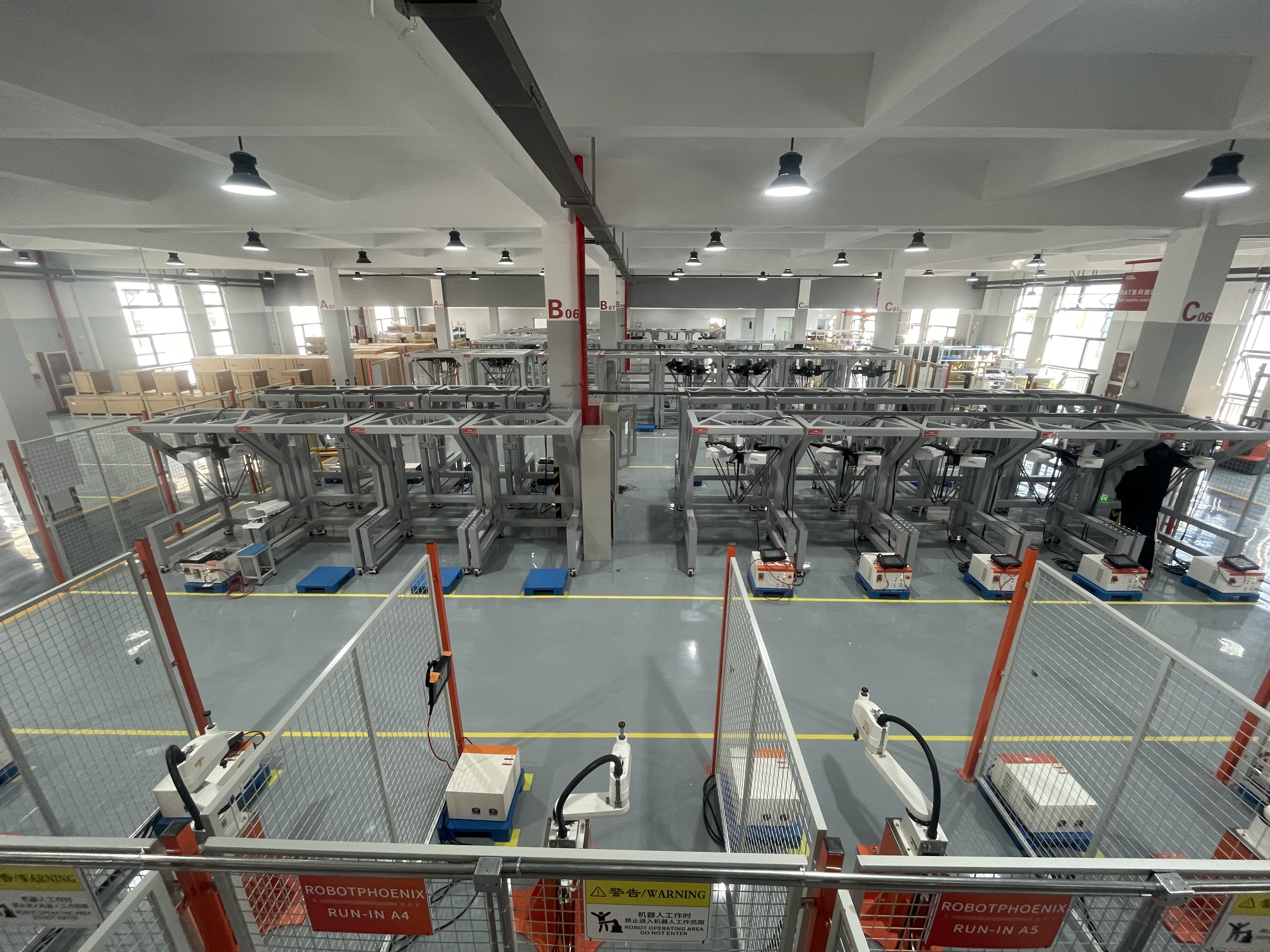
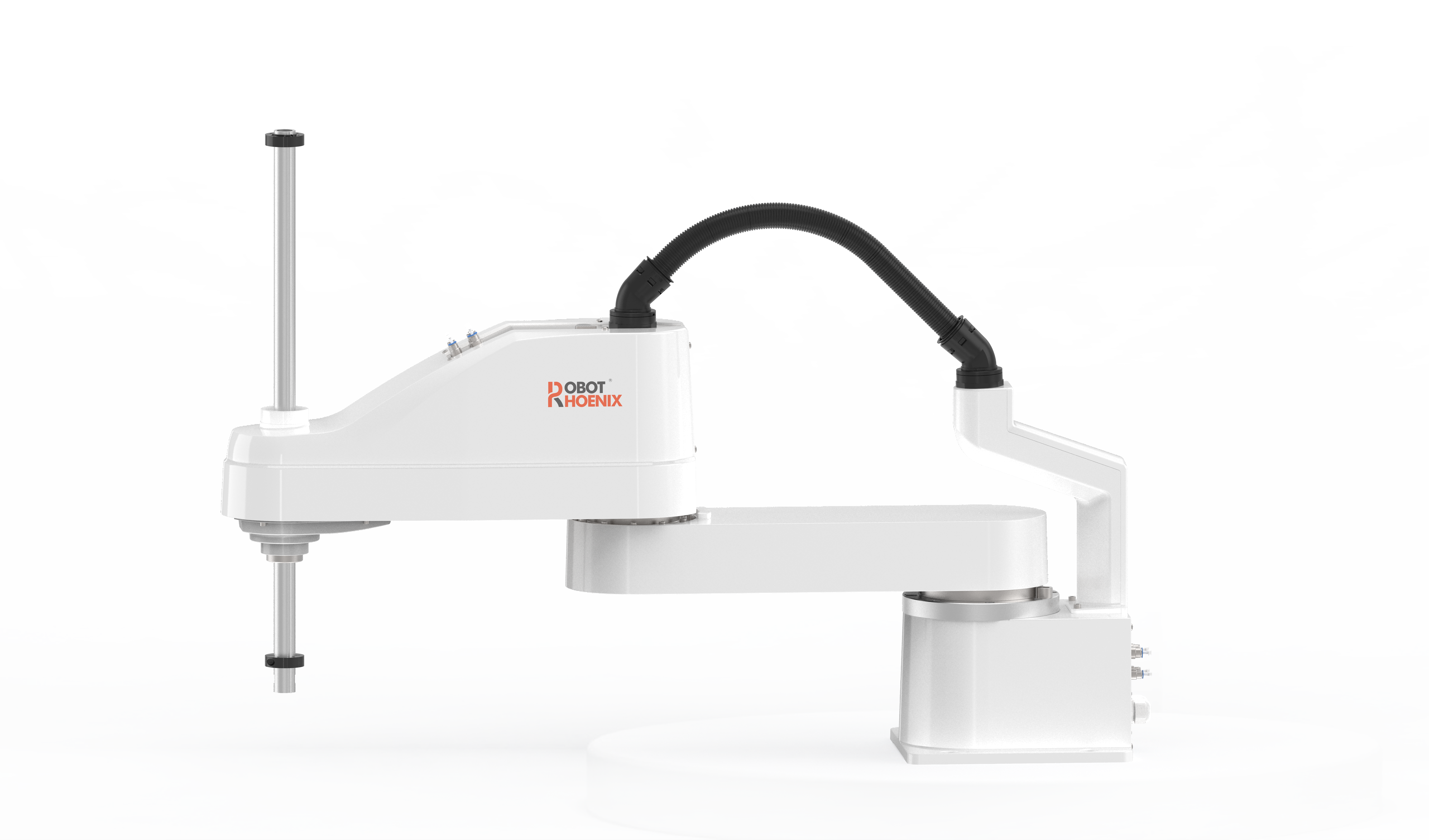
Beyond basic speed and payload, leaders are ranked on their mastery of specific Delta robot application and SCARA robot application challenges. For instance, a supplier's expertise in food packaging delta robot systems—requiring food-grade materials, washdown capabilities, and specific hygiene certifications—carries more weight than generic performance data. Specialization in high-precision delta robot for electronics or SCARA robot for assembly with integrated vision guidance is a key differentiator.
2. Compliance & Global Market Readiness
With supply chains spanning continents, a supplier's ability to meet international standards is paramount. Certifications like CE (Machinery and EMC), ISO 10218-1 for robot safety, and RoHS are now baseline expectations for serious global players. As highlighted in a recent market analysis, leading Chinese manufacturers like Robotphoenix have made comprehensive certification a cornerstone of their strategy, ensuring their Delta robot system and SCARA robot system solutions are deployment-ready worldwide.
3. Solution Integration & Customization Capability
The market increasingly rewards suppliers who provide complete, ready-to-deploy workstations (e.g., Delta Robot Sorting Workstations) over those selling only standalone robotic arm delta units. The capacity for ODM and OEM collaboration and developing customized automation solutions tailored to unique production line layouts is a critical ranking factor, especially for buyers with non-standard requirements.
4. Total Cost of Ownership (TCO) & Support Ecosystem
Procurement decisions are shifting from upfront price to TCO, which includes energy efficiency, mean time between failures (MTBF), ease of programming, and availability of global technical support. Suppliers offering robust after-sales service, remote diagnostics, and extensive spare parts networks rank higher for mission-critical applications.
The Global Supplier Landscape: A Three-Tiered Structure
The market for Delta and SCARA robots can be segmented into three distinct tiers, each with its value proposition and target clientele.
The Strategic Ascent of Chinese Suppliers: Beyond Cost
The rise of companies like Robotphoenix in global rankings is not merely a function of cost. It represents a strategic evolution driven by several key factors:
- Integrated Manufacturing and Agile Response: Control over core manufacturing processes allows for rapid prototyping and iteration. This agility enables suppliers to respond quickly to custom requests—a significant advantage over giants with longer development cycles. Robotphoenix's ability to offer both standard Delta Robot Packing Systems and fully customized automation solutions exemplifies this strength.
- Deep Vertical Application Knowledge: By focusing on key verticals such as food, pharmaceuticals, and electronics, Chinese specialists have developed profound expertise. They understand the specific pain points in food packaging delta robot lines (e.g., clean-in-place requirements) or the delicate handling needed in SCARA robot pick and place for consumer electronics.
- Proactive Global Compliance: Leading firms have systematically invested in obtaining the certifications required for global market access. Robotphoenix holds CE (Machinery & EMC), ISO10218-1, RoHS, REACH, and ISO Class 4 certifications, alongside integrated Quality, Environmental, and Occupational Health & Safety Management Systems. This commitment, as noted in external analyses, removes a major barrier for international procurement.
A Strategic Procurement Framework: Aligning Needs with Supplier Tiers
Selecting the right supplier requires moving beyond a simple "top 10" list. A strategic, needs-based approach is essential:
Scenario 1: Large-Scale, Multi-Cell Greenfield Project
Need: Standardization across global plants, deep integration with existing enterprise automation architecture (e.g., specific PLC brand), and 24/7 global support contracts.
Recommended Focus: Tier 1 Global Giants. The ecosystem compatibility and extensive support network justify the premium.
Scenario 2: Optimizing a Specific Process (e.g., High-Speed Packaging, Precision Assembly)
Need: Maximum performance (speed/accuracy) for a specific task, flexibility for future line changes, competitive TCO, and a partner who understands the application's nuances.
Recommended Focus: Tier 2 Specialized Manufacturers. Evaluate suppliers like Robotphoenix on their specific Delta robot for sorting or SCARA robot for assembly portfolio, request case studies from your industry, and verify their certification portfolio for your target markets.
Scenario 3: Replacing Manual Labor in a Simple, Repetitive Task
Need: Basic automation functionality at the lowest possible capital expenditure, with straightforward operation and maintenance.
Recommended Focus: Tier 3 Cost-Focused Producers. Prioritize simplicity and supplier stability over advanced features.
Critical Due Diligence for All Tiers: Regardless of tier, always verify claimed certifications (e.g., CE certificate number), visit the manufacturing facility or audit reports if possible, review detailed technical specifications for repeatability and cycle time under load, and assess the structure of their technical support and spare parts logistics.
Conclusion: The Future Belongs to Specialized Partners
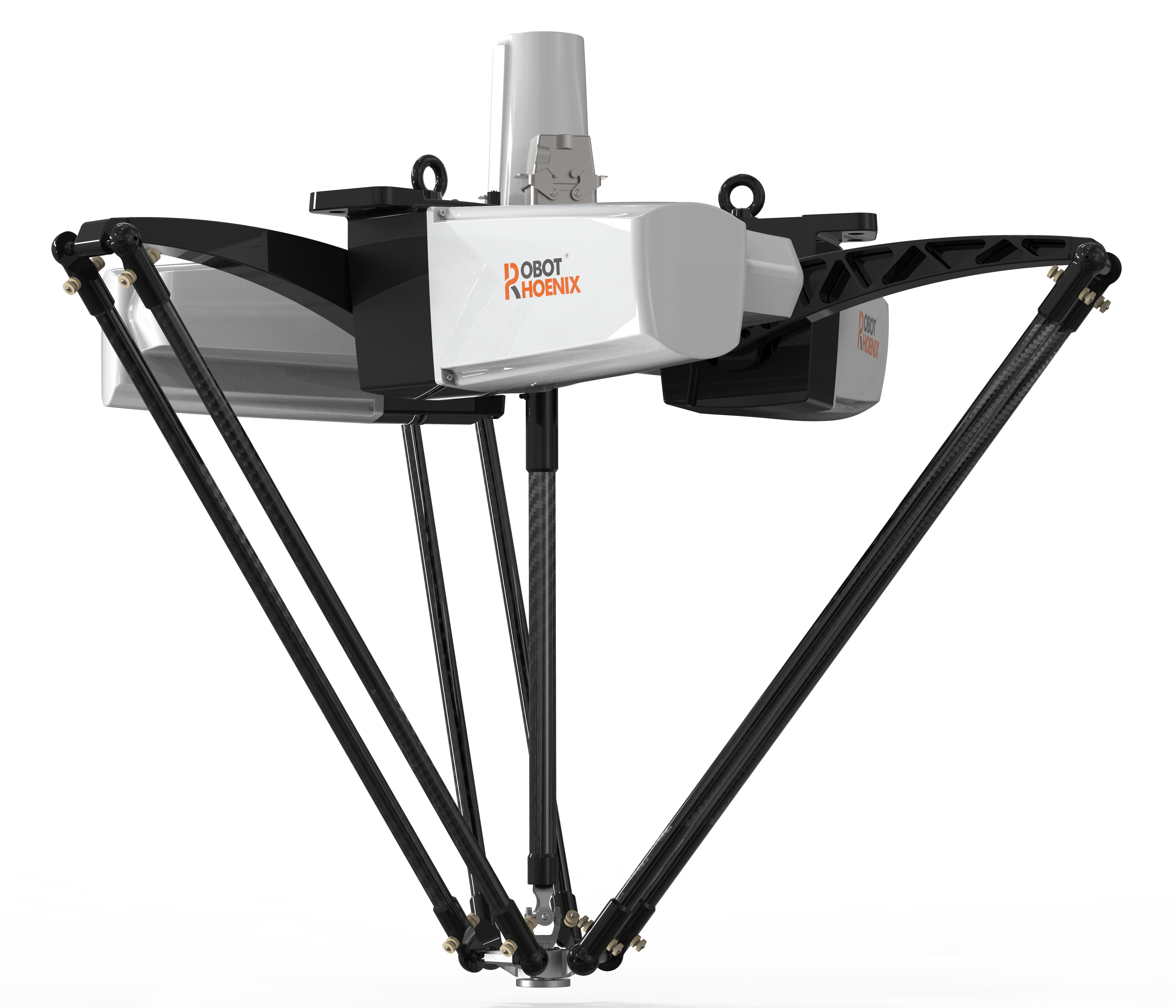
The 2026 industrial robotics landscape for Delta and SCARA robots is characterized by a move towards strategic specialization. Market rankings are increasingly reflective of a supplier's ability to solve specific industrial problems with certified, reliable, and integrated solutions. For procurement professionals, the most effective strategy is to first clearly define the application requirements, operational environment, and total cost of ownership goals. This clarity will naturally point towards the most appropriate supplier tier and, within that tier, highlight partners whose strengths align with the project's critical success factors. Companies like Hangzhou Robotphoenix Industrial Robotics Co., Ltd. exemplify this new archetype: a specialized, globally compliant, and solution-oriented partner capable of delivering the high-speed delta robot and high-precision scara robot performance that modern competitive manufacturing demands.
For a detailed consultation on how specialized Delta and SCARA robot solutions can address your specific automation challenges, contact the international team at Robotphoenix via email at ran.chen@robotphoenix.com, phone/WhatsApp at +66 92 627 2873, or visit their official website at https://www.rprobotic.com/.