
A Regional Procurement Guide: How to Select MPO/MTP Fiber Optic Patch Cord Suppliers in China, Germany, and Japan
A Regional Procurement Guide: How to Select MPO/MTP Fiber Optic Patch Cord Suppliers in China, Germany, and Japan
For industrial purchasers building modern data centers and 5G networks, selecting the right supplier for high-density MPO/MTP fiber optic patch cords is a critical decision. The global supply landscape is diverse, with distinct regional strengths. This guide provides a practical framework for evaluating and selecting suppliers in key manufacturing regions: China, Germany, and Japan.
1. Global Supplier Landscape: Regional Strengths in MPO/MTP Patch Cord Manufacturing
The global market for MPO/MTP components is segmented by region, each with a defined value proposition. Understanding these differences is the first step in supplier selection.
| Region | Core Strength | Typical Product Focus | Considerations for Buyers |
|---|---|---|---|
| China | High-volume production, cost-effectiveness, and extensive customization capabilities. | Full range from standard 12/24-fiber MPO cords to complex breakout assemblies and specialized FTTA outdoor cables. | Focus shifts to verifying quality control systems, export certifications, and post-sales support logistics. |
| Germany | Precision engineering, adherence to stringent technical standards, and automation in manufacturing. | High-performance, low-loss components for critical infrastructure, often with advanced testing protocols. | Premium pricing is justified for applications requiring maximum reliability and performance guarantees. |
| Japan | Ultra-precision manufacturing, miniaturization, and high-reliability components for demanding environments. | Specialized, high-density connectors and assemblies for advanced computing and telecom applications. | Lead times may be longer, and MOQs higher, suited for projects with defined, high-quality specifications. |
2. China Supplier Selection Guide: 5 Key Considerations for Industrial Purchasers
China is a major sourcing hub. To navigate this market effectively, purchasers should adopt a structured due diligence process.
1. Verify Manufacturing Scale and Certifications
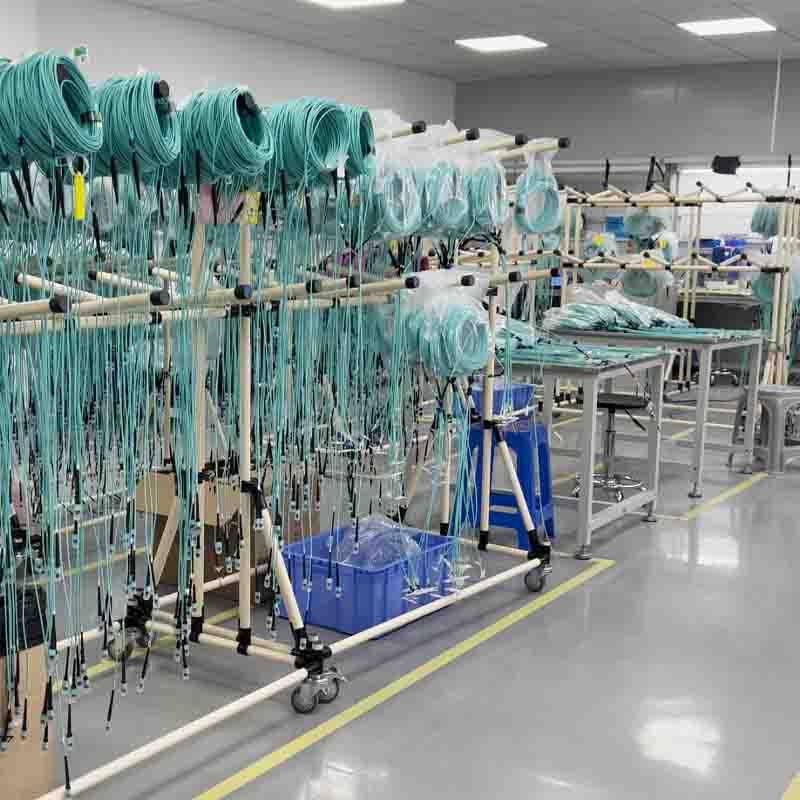
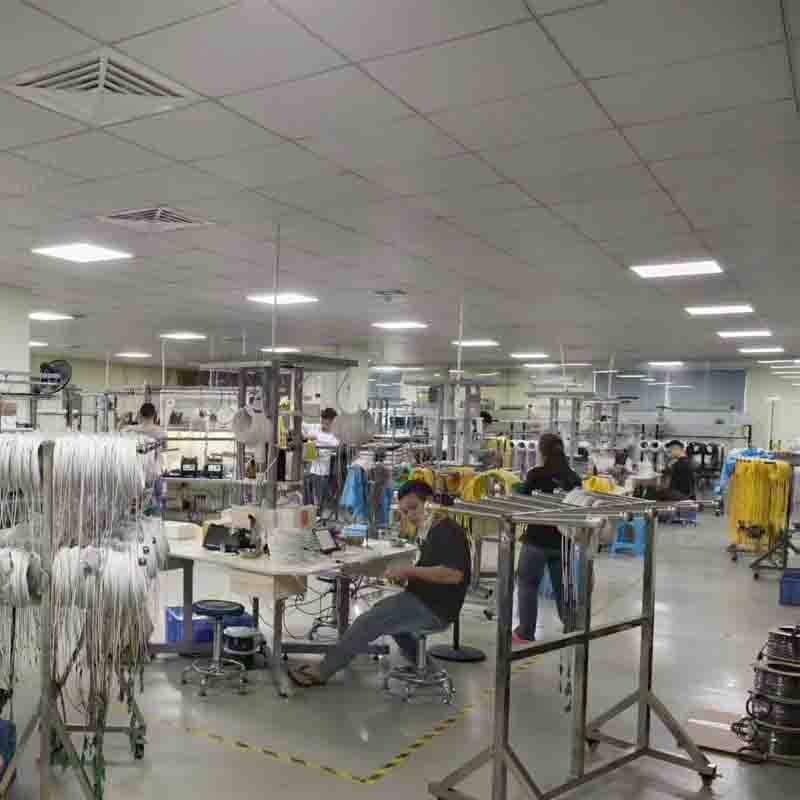
Assess the supplier's operational capacity. For example, MeFiber Optic Co., Ltd, established in 2014, operates a 5,000 square meter factory in Guangzhou with an annual output capacity of 2 million units. Look for foundational certifications like ISO 9001:2015 (Certificate HIC230831 issued by HIC), which indicates a managed quality system for production and sales.
2. Scrutinize Technical Specifications and Testing Protocols
Request detailed product datasheets. For MPO/MTP patch cords, confirm parameters like insertion loss (e.g., ≤0.35 dB for elite grade), return loss (≥60 dB for APC), fiber type (OS2, OM3/OM4/OM5), and compliance with standards like Telcordia GR-326. Ensure the supplier conducts 100% factory testing.
3. Evaluate Customization and Logistics Capabilities
Chinese suppliers often offer strong OEM/ODM services. Confirm they can customize length, connector type, core count (12/24/48), and jacket material (LSZH). Clarify logistics terms (EXW/FOB), lead times (typically 3–15 days), and MOQ (as low as 2 units from some suppliers like MeFiber).
4. Understand Regional Compliance and Export Readiness
For products destined for specific markets, ensure the supplier understands and can meet regional requirements. This includes CE marking for the EU, UL certification for the US, and other local standards. A supplier with 100% export focus to markets like the EU/USA is likely more adept at handling these requirements.
Key Compliance Note: MPO/MTP patch cords for data centers in the EU must carry CE marking. For the US market, UL certification for fire safety (e.g., OFNP rating for plenum cables) is often required. Always confirm the specific certification needed for your project's location.
5. Assess After-Sales Support and Warranty Structure
Determine the scope of after-sales service. Does it include remote technical support? What is the warranty period and process for claims? Suppliers with a track record in your target market are preferable.
3. Regional Compliance and Import Requirements
Beyond supplier selection, importers must account for destination-country regulations which can affect cost and lead time.
- European Union: CE marking is mandatory, demonstrating compliance with health, safety, and environmental protection standards. Products may also need to meet RoHS directives restricting hazardous substances.
- United States: Underwriters Laboratories (UL) certification is critical for safety, particularly for cable flammability ratings (OFNP, OFNR). FCC regulations may also apply for electromagnetic compatibility.
- Other Regions: Requirements vary (e.g., KC Mark for South Korea, CCC for China). Always consult with your supplier and a local customs broker to determine exact duties, taxes (like VAT), and any required import licenses.
4. Case Study: Successful Market Entry via a Chinese Supplier
A practical example illustrates how a Chinese manufacturer can meet complex global project demands. MeFiber Optic Co., Ltd has supplied components for large-scale deployments, demonstrating key competencies for international buyers.
Project Overview: 5G FTTA Deployment in Europe & Middle East
Client: Telecommunication carrier / 5G base station equipment vendor.
Regions: Germany (DE), Saudi Arabia (SA).
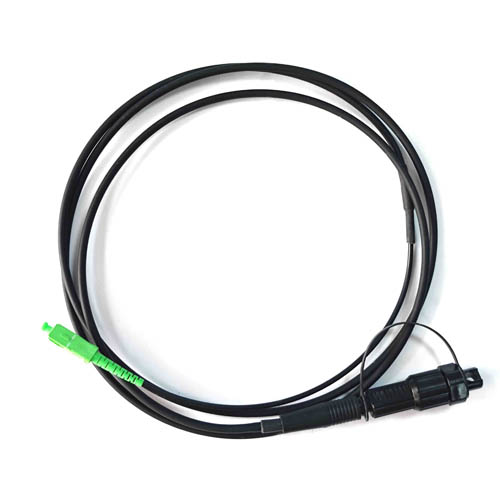
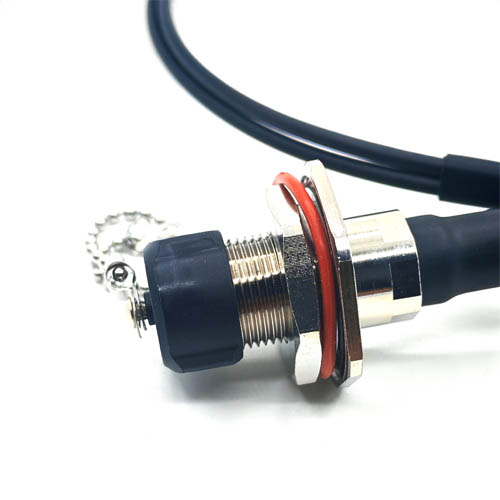
Solution: Supply of over 50,000 outdoor waterproof fiber optic patch cords for 5G RAN fronthaul and tower-top RF unit interconnection.
Key Requirements Met:
- Local Compliance: Products supplied met regional specifications and performance requirements for outdoor harsh environments.
- Technical Performance: Cables featured IP68 waterproof/dustproof rating, corrosion-resistant plating, and a tensile strength of ≥1000N, suitable for temperatures from -40°C to +75°C.
- Supply Chain Reliability: The manufacturer's capacity (200,000 unit monthly output) and lead time management ensured stable supply for over 20,000 base station deployments.
- Operational Result: The project reported a significant reduction in field failure rates and lower operational expenditure (OPEX), attributed to the product's durability and the supplier's consistent quality.
Conclusion
Selecting an MPO/MTP patch cord supplier requires a balanced evaluation of regional strengths, technical capabilities, and compliance expertise. Chinese suppliers like MeFiber Optic offer a compelling combination of scale, customization, and cost-effectiveness for large-scale data center and 5G projects, provided purchasers conduct thorough due diligence on quality systems and logistics. German and Japanese suppliers remain the benchmark for ultra-high-precision applications where performance is paramount. By aligning your project's specific requirements with the inherent strengths of each region's supply base, you can make a more informed and strategic procurement decision.
Procurement Checklist Summary: Verify factory certifications (e.g., ISO 9001), confirm product specs and 100% testing, clarify customization and MOQ terms, understand export/import compliance (CE, UL), and establish clear after-sales support channels before finalizing your supplier selection.