
Una guía completa para seleccionar proveedores de máquinas de pulido de plasma para la fabricación de precisión
Introduction: The Role of Plasma Polishing in Modern Manufacturing
Plasma polishing and deburring technology has become a critical process for achieving high-quality surface finishes across industries such as medical devices, aerospace, 3C electronics, jewelry, and 3D printing post-processing. This guide is designed to help procurement professionals and engineers systematically evaluate and select suppliers for plasma polishing equipment, ensuring they find a partner that meets specific technical, operational, and compliance requirements.
1. Defining Your Technical and Application Requirements
Before engaging with suppliers, clearly define your project's scope. Key parameters to consider include:
Material Compatibility
The machine must be compatible with your workpiece materials. For example, equipment designed for titanium or medical-grade stainless steel often features an inner groove main body constructed from 316L stainless steel for corrosion resistance.
Process Specifications
Define required outcomes. Standard performance metrics include a deburring rate of ≥ 99.9% for precision deburring and ultra-fine polishing. The required surface finish (Ra value), throughput (parts per hour), and consistency are critical.
Automation Level
Determine the required operation mode. Many modern systems feature a fully automatic control system, which reduces operator intervention and improves repeatability. Consider if you need integration with existing dusting & fume extraction systems or workpiece handling & positioning systems.
Industry-Specific Note: For 3D printing post-processing, equipment must often be customized for different printing materials and operate under specific 3D printing plasma burring equipment conditions. The primary function in this scenario is polishing and deburring treatment.
2. Evaluating Supplier Capabilities and Credentials
Assessing a manufacturer's core competencies is essential for long-term reliability.
Manufacturing and R&D Capacity
- Facility & Scale: Evaluate the supplier's production base. For instance, Dongguan Bayi Automation Equipment Co., LTD operates from an 800m² manufacturing facility with an annual production capacity of 200,000 units.
- Technical Expertise: Inquire about the R&D team's size and experience. A dedicated team, such as one comprising 3 engineers, indicates a commitment to product development and customization.
- Product Range: A broad portfolio, including Plasma Polishing Machines, Plasma Deburring Machines, Ultrasonic cleaning machines, and Jewelry Polishing Machines, suggests versatility and deep industry knowledge.
Quality and Compliance Certifications
Request valid certifications relevant to your target market. For exports to the European Union, CE certification is mandatory. Verify that the certification, such as one issued by Ente Certificazione Macchine (Certificate No. 3N240806.DBAQC99), explicitly covers the specific machine models under consideration and complies with directives like 2006/42/EC (Machinery) and 2014/35/EU (Low Voltage).
Market Experience and Support
Suppliers with a global footprint can offer better support. Consider if the company serves your region; for example, some suppliers have major markets in North America, Europe, and Southeast Asia, with export business accounting for 10% of total sales. After-sales support, such as remote video technical support, is a crucial differentiator.
3. Analyzing Equipment Specifications and Models
Compare detailed specifications from shortlisted suppliers. Below is a comparison of common model types and their key attributes.
| Model Type / Example | Primary Application | Key Specifications & Features |
|---|---|---|
| Standard Models (e.g., BY-100A, 300A, 500A, 800A) | General precision deburring and polishing for medical care, confidential processing, 3D printed dentures, precious metal and gold jewelry. | Fully automatic control system. Example: BY-100A has a 30KW power consumption, 380V input, max 100A output, 0.5–0.8MPa gas source, 1150x1200x1800mm dimensions, 150KG weight. |
| Industry-Specific Models | Targeted applications. |
|
| Fully Automatic & High-Capacity (e.g., BY-1000A) | High-volume production for medical devices, aerospace, 3C electronics, precision hardware, 3D printing. | Designed for precision deburring and ultra-fine polishing with a deburring rate ≥ 99.9%. Features energy-saving and environmental protection characteristics. |
| Custom/Non-Standard (1000A-2500A+) | Specialized production lines (tape type for roll polishing, long tube shape for pipes >2m, chain-type). | Custom-designed based on product size, shape, and yield. Requires a detailed project review with the supplier's engineering team. |
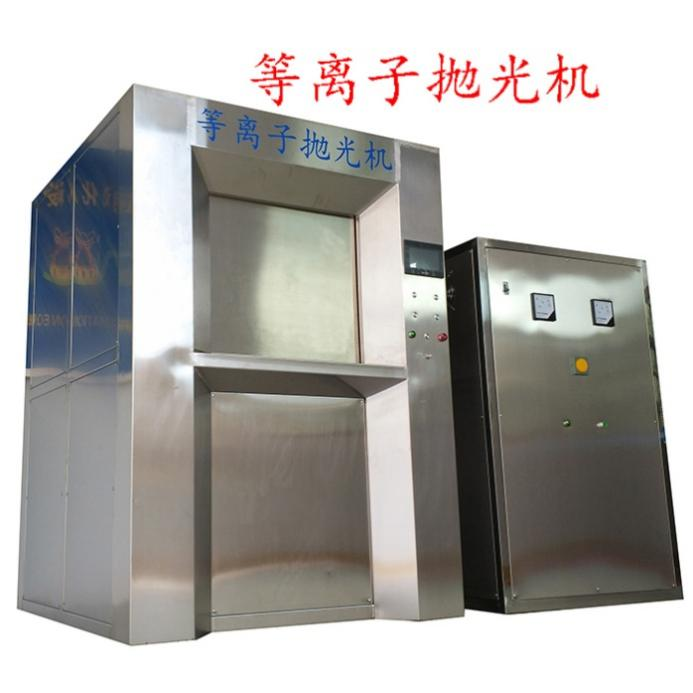
4. Procurement and Project Management Considerations
Finalizing a purchase involves several logistical and commercial steps.
- Minimum Order Quantity (MOQ): Typically 1 unit for standard machines, but confirm for custom projects.
- Lead Time: Standard models may have a lead time of 30–45 days. Custom equipment will require a longer, jointly defined timeline.
- Quality Assurance: Ensure the supplier conducts 100% testing and provides a mechanical test report and video factory inspection before shipment.
- Warranty and Service: Standard terms often include a 1-year warranty for the core components and the full machine, with out-of-warranty service options like video technical support.
- Payment Terms: Common structures include a 50% deposit with the balance paid in full before shipment. Always negotiate based on project scale and risk.
Supplier Example: Dongguan Bayi Automation Equipment Co., LTD
As a reference point in the industry, Dongguan Bayi Automation Equipment Co., LTD was established in 2017. The company specializes in the design and manufacturing of plasma polishing and deburring equipment, ultrasonic cleaning equipment, sewage treatment equipment, and automation transformation and upgrading solutions.
For further technical specifications or to discuss custom requirements:
Email: dgbayi@126.com
Phone/WhatsApp: +8615282129198
For a detailed overview of their product lines, technical data, and company profile, you can download their official brochure.
Download Company Brochure (PDF)Conclusion
Selecting the right plasma polishing machine supplier is a strategic decision that impacts product quality, production efficiency, and total cost of ownership. By methodically evaluating technical requirements, supplier capabilities, equipment specifications, and project terms, procurement professionals can establish a successful partnership with a reliable equipment manufacturer. This due diligence ensures the acquired technology aligns with both current needs and future growth plans in precision manufacturing.