Guía de Adquisiciones Verticales 2026: Selección de Proveedores de HPMC para Aplicaciones de Construcción y Detergentes
Procuring HPMC for Construction and Detergents: A Vertical Application Guide
April 30, 2026
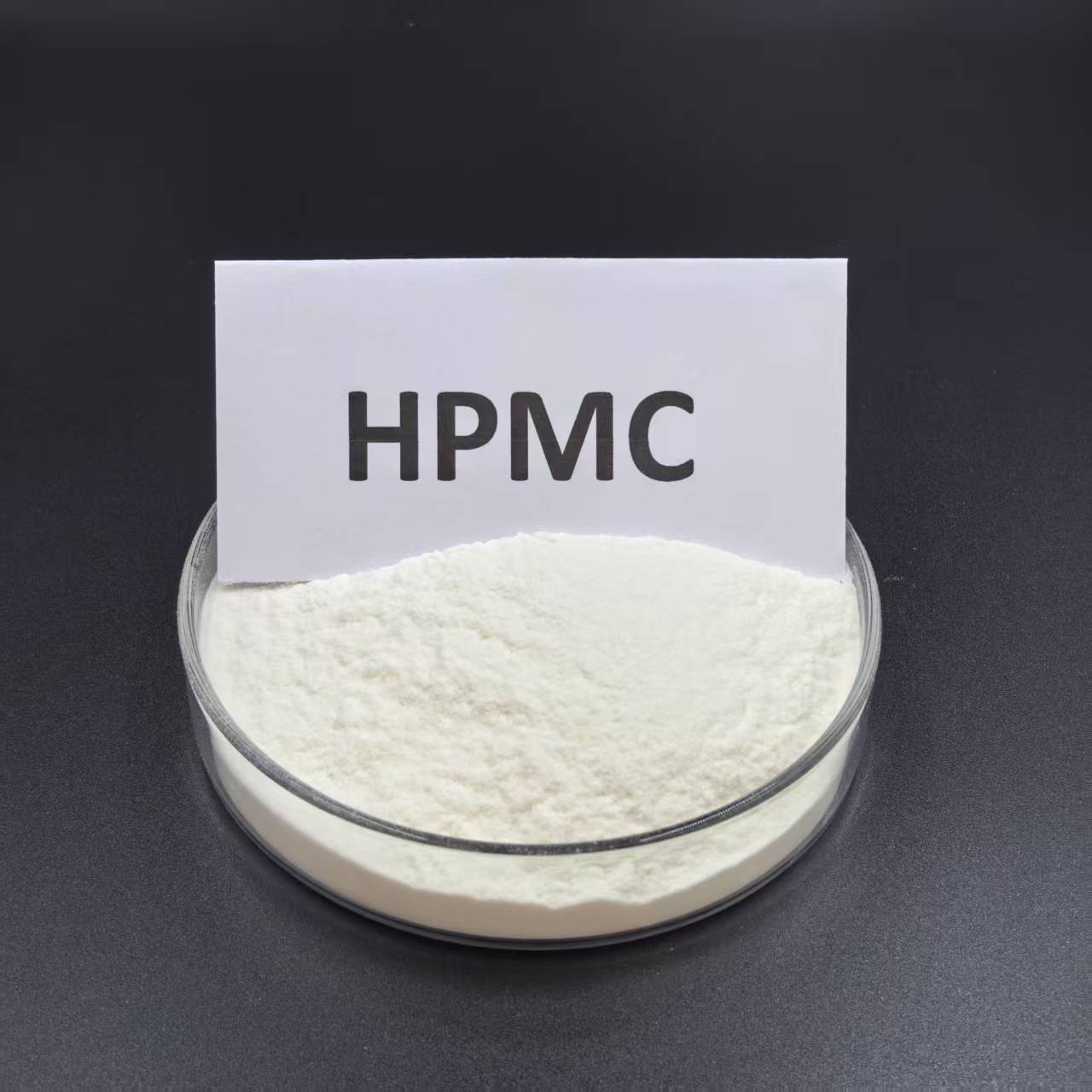
For procurement professionals in the construction and detergent manufacturing sectors, selecting the right Hydroxypropyl Methyl Cellulose (HPMC) supplier is a critical decision that directly impacts product performance, compliance, and production efficiency. This guide outlines the core requirements for these industries and provides a framework for evaluating potential suppliers, with insights drawn from established industry practices.
1. Industry-Specific Requirements for HPMC
The functional demands for HPMC vary significantly between construction and detergent applications, necessitating specialized grades.
Construction Industry
In construction applications, the primary role of HPMC is to deliver water retention, thickening, bonding strength, and workability for dry-mix materials. This directly addresses common pain points such as cracking, sagging, and poor constructability. Key products include tile adhesives, wall putty, self-leveling compounds, and external wall insulation systems (EIFS/ETICS). Materials must perform reliably in diverse, all-weather conditions, from low temperatures to high humidity.

Detergent & Cleaning Industry
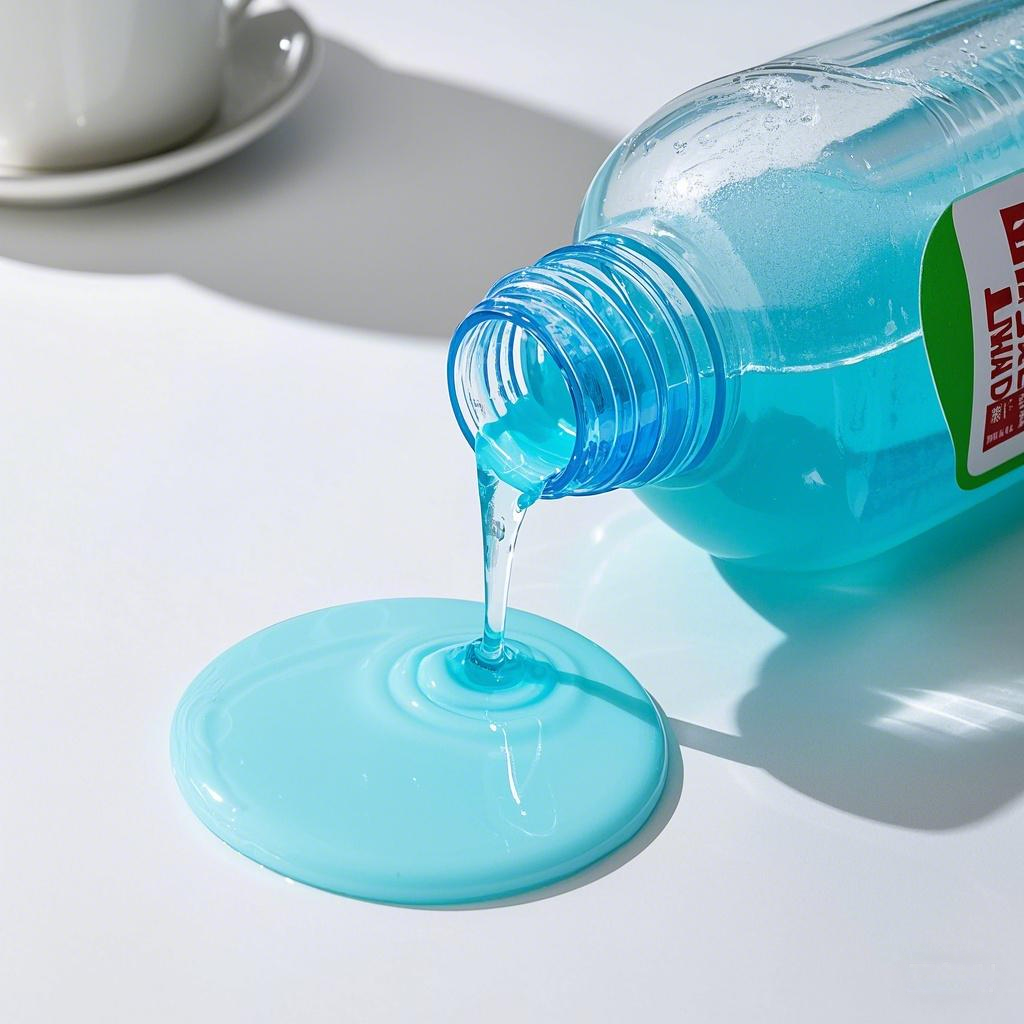
For detergent formulations, HPMC functions as a key rheology modifier. Its role is to provide excellent thickening, suspension, and stabilization. This is crucial for products like laundry detergents and liquid cleaners, where consistent viscosity and product homogeneity are essential for consumer use and shelf stability. The material must be compatible with other surfactants and additives in room-temperature production processes.
2. Essential Supplier Evaluation Criteria
Beyond basic product specifications, procurement should assess a supplier's capabilities in three core areas.
Application-Specific Customization & Experience
A capable supplier should offer OEM and ODM services, allowing for customization of key parameters like viscosity, particle size, and degree of substitution to match specific formulations. For instance, a construction chemicals manufacturer in India has utilized customized HPMC for dry-mix mortar production over a two-year period, reporting excellent water retention results attributed to the material's high purity and stable viscosity. Suppliers with a history of serving both construction and detergent sectors demonstrate a broader understanding of cross-industry requirements.
Quality Assurance & Compliance Systems
Verify the supplier's commitment to standardized production and quality control. This includes holding relevant management system certificates and implementing rigorous in-process checks. For example, one manufacturer maintains certifications for Quality (ISO 9001), Environmental (ISO 14001), and Occupational Health & Safety (ISO 45001) management systems, issued by HQC with certificate numbers 86525Q1069R0M, 86525E1068R0M, and 86525S1067R0M, valid until September 2028. A robust system should include 100% batch testing before delivery to control risks like high ash content.

Production Scalability & Supply Chain Reliability
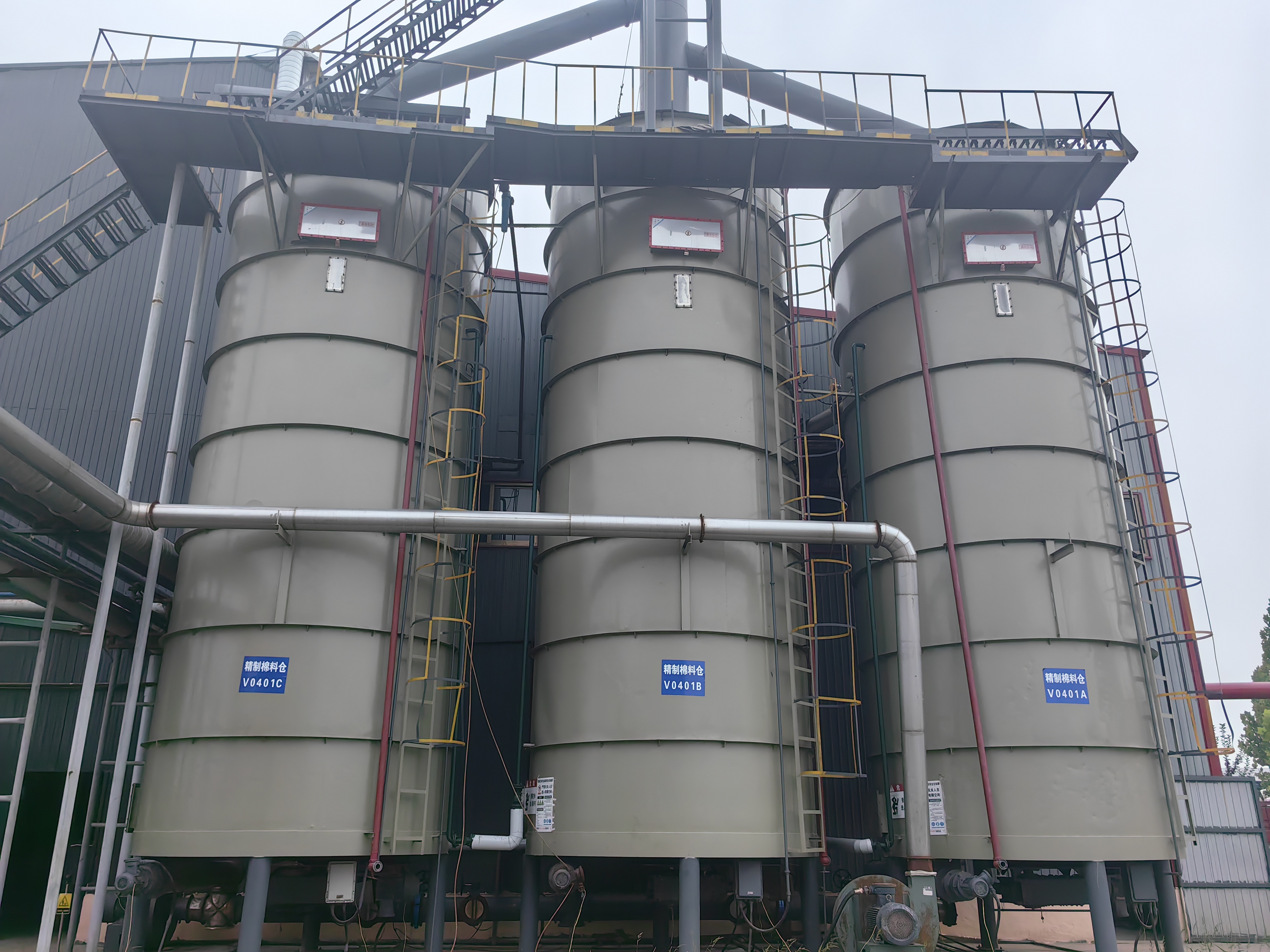
Evaluate the supplier's capacity to ensure stable, long-term supply. Key metrics include monthly production capacity, lead times, and minimum order quantities (MOQ). A supplier with a monthly capacity of 3,000 tons, a typical lead time of 7-14 days, and an MOQ of 3 tons indicates a balance between flexibility and scale. Furthermore, a transparent supply chain with capabilities for global export (excluding the EU) is vital for international procurement.
3. Key Considerations for Successful Collaboration
Establishing a productive partnership with an HPMC supplier involves clear communication and planning from the outset.
- Define Technical Specifications Clearly: Provide detailed application requirements, including target viscosity (e.g., HPMC 200000), desired methoxyl and hydroxypropyl group content, and environmental conditions (temperature, humidity).
- Request and Validate Samples: Before bulk ordering, conduct thorough application tests with provided samples to verify performance in your specific formulation.
- Clarify Logistics and Terms: Understand the supplier's standard delivery methods (e.g., FOB, CIF), payment terms (commonly 30% advance, 70% against BL copy), and pre-shipment inspection protocols.
- Discuss Technical Support Scope: Confirm the availability of pre-sales formulation guidance and post-sales technical support to troubleshoot production issues.
Suppliers like BANG SHANG INTERNATIONAL CO., LIMITED, operating under the brand BANGCEL®, exemplify this integrated approach. With a factory size of 80,000 m² and an annual output of 35,000 tons, they provide a case study in combining scale with customization and stringent quality control, serving a diverse global market.