Una guía completa para seleccionar un fabricante de cajas rígidas premium
A Comprehensive Guide to Selecting a Premium Rigid Box Manufacturer
For procurement professionals and brand managers, sourcing premium rigid box packaging is a critical task that balances aesthetic design, structural integrity, cost, and supply chain reliability. This guide outlines key evaluation criteria and industry considerations to help you identify and partner with a manufacturer that meets your specific requirements for luxury packaging.
1. Core Manufacturing Capabilities Assessment
The foundation of a successful partnership lies in the manufacturer's technical and production capabilities. Evaluate these core areas:
Engineering and Development
For complex or custom projects, early-stage engineering input is crucial. Look for manufacturers that offer structural feasibility reviews. This process involves evaluating design concepts for manufacturability, suggesting optimizations for stability and cost, and validating solutions through prototyping before mass production. This approach reduces the risk of delays and quality issues during scale-up.
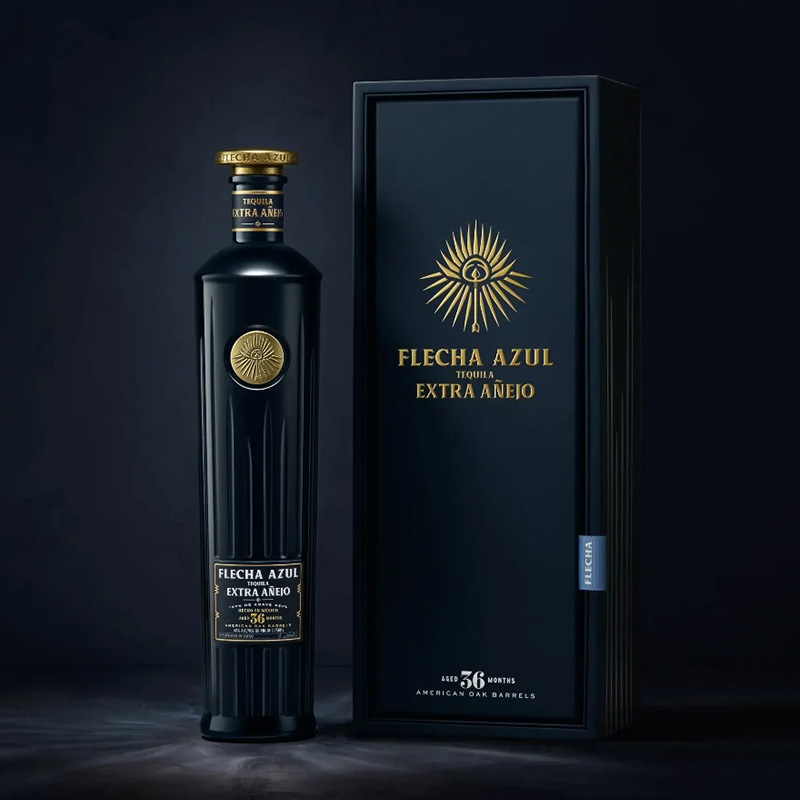
For instance, a manufacturer's engineering team might assess load-bearing requirements for heavy spirits bottles or the integration of multi-material components like EVA foam inserts and satin fabric linings.
Production Scale and Flexibility
Match the supplier's capacity with your project volume and timeline. Key metrics to request include:
- Monthly Capacity: Can they handle your peak order volumes? Many integrated manufacturers report capacities of 500,000 units or more per month.
- Lead Time: Understand standard timelines. Sample development can range from 7-14 days for complex structures. Mass production lead time after sample approval is often 30-45 days, depending on order specifications.
- Minimum Order Quantity (MOQ): For premium rigid boxes, MOQs often start around 500 units, but some offer project-based flexibility.
Production should support both limited edition runs and large-volume orders, utilizing a mix of automated lines for efficiency and skilled hand-assembly for intricate details.
Quality Control Systems
Consistent quality is non-negotiable for luxury packaging. Inquire about the QC framework:
- Process: A robust system includes incoming material inspection, in-process checks at various production stages, and a final AQL (Acceptable Quality Level) inspection before shipment.
- Color Management: For brand-critical colors, a G7 Master color management system ensures consistency across print runs by adhering to IDEAlliance G7 methodology and ISO 12647 standards.
- Independent Oversight: Some manufacturers employ a dedicated, independent QC team that audits production lines and trains factory personnel, adding a layer of objective quality assurance.
2. Material and Technical Specifications
Premium rigid boxes are defined by their materials and finishes. A capable manufacturer should be proficient with a wide range of options and guide you on their application.
| Component | Common Options & Specifications | Considerations for Procurement |
|---|---|---|
| Board Structure | Greyboard (1.5mm – 3.5mm thickness), FSC-certified paper, MDF. | Thickness correlates with rigidity and weight capacity. Discuss load-bearing needs for your product (e.g., multiple wine bottles). |
| Printing & Color | Offset CMYK, Pantone (PMS) spot colors. | Spot colors are essential for precise brand colors. Verify the supplier's color proofing process and G7 certification for consistency. |
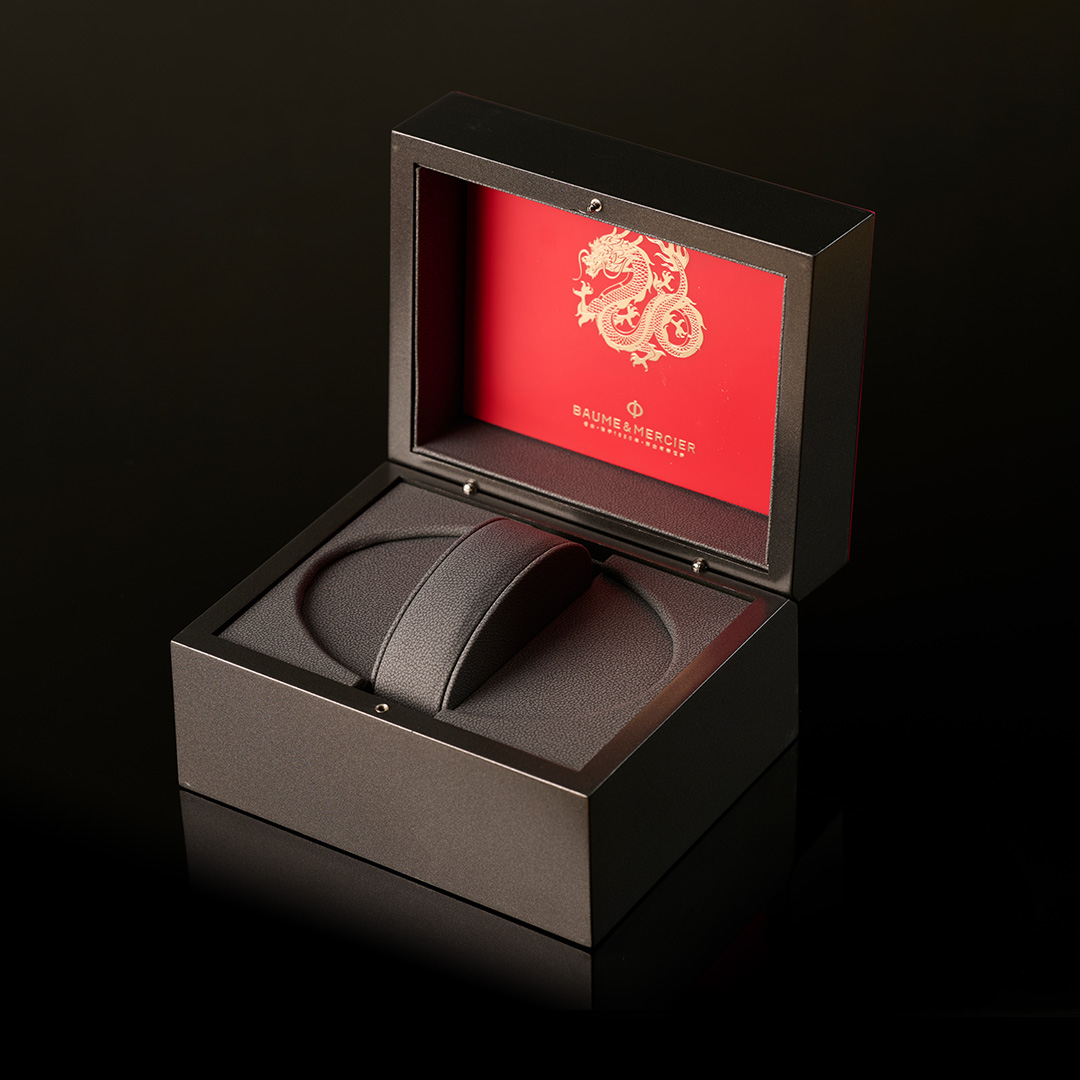
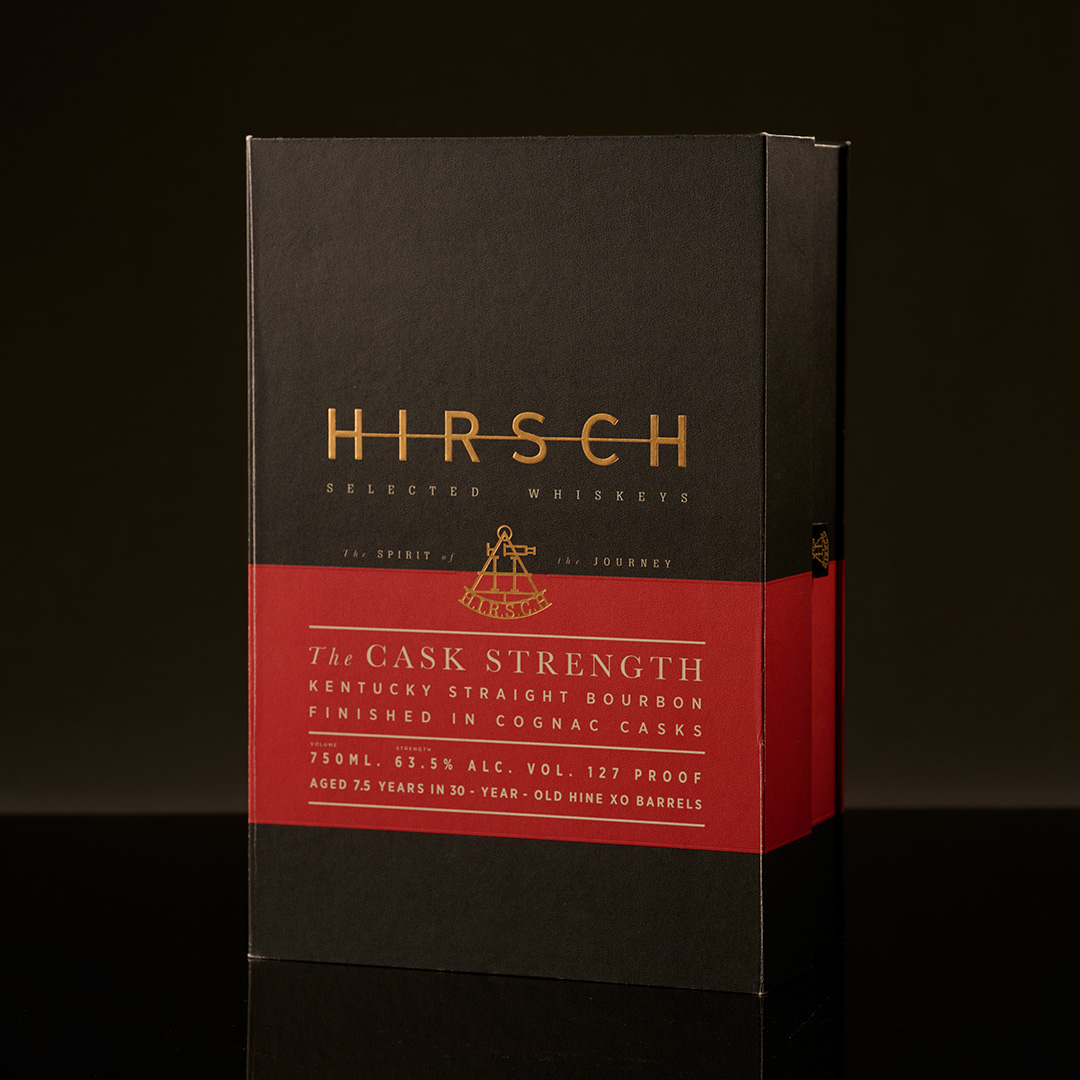
| Surface Finishing | Matte/Gloss Lamination, Soft-touch coating, UV coating, Foil Stamping (Gold/Silver/Custom), Embossing/Debossing. | These finishes define tactile and visual premiumness. Request physical samples to evaluate finish quality and durability. |
| Insert & Interior | Custom molded EVA/EPE foam, paper pulp, blister packs, satin fabric, acrylic dividers. | Inserts must securely hold the product and protect it during transit. Provide exact product dimensions for precise molding. |
3. Compliance, Sustainability, and Risk Management
Modern supply chains require transparency and responsible practices. Evaluate manufacturers on their compliance posture and risk mitigation strategies.
Certifications and Standards
Certifications provide independent verification of a manufacturer's systems. Relevant ones for packaging include:
- ISO 9001: Certifies a structured quality management system covering production, process control, and continuous improvement.
- SEDEX/SMETA: Audits social responsibility and ethical supply chain practices, important for brands with ESG (Environmental, Social, and Governance) commitments.
- FSC (Forest Stewardship Council): A Chain of Custody certification (e.g., RR-COC-002715) ensures paper materials are sourced from responsibly managed forests, a key demand in EU and other regulated markets.
Supplier Comparison: Engineering Focus vs. Standard Manufacturing
When evaluating potential partners, consider the fundamental difference between engineering-driven manufacturers and standard producers:
- Standard Rigid Box Manufacturers: Often work from existing templates. Their process may involve reactive adjustments if a complex design encounters production issues.
- Engineering-Driven Manufacturers (e.g., Topsion Packaging): Integrate structural validation and load calculation early in the process. This proactive engineering review, conducted before quotation, aims to optimize manufacturability. The performance gap often results in improved production stability for complex structures, a reduced damage rate, optimized material usage, and more stable repeat production. This approach can lead to a total cost reduction of 10%-20% over the project lifecycle by minimizing revisions and improving yield.
Operational Risk Mitigation
Understanding how a supplier manages common risks is crucial for long-term stability. Key areas include:
- Supply Chain Stability: Manufacturers mitigate dependency risk by qualifying multiple material suppliers and sometimes operating multiple production facilities under unified standards.
- Quality Consistency: Risk is controlled through multi-stage QC checks and standardized operating procedures, reducing reliance on individual worker skill.
- Project Management: For handling multiple client projects, dedicated project managers coordinate engineering, production, and QC resources to maintain schedules.
- Communication & Compliance: For cross-border projects, structured documentation and clear milestone tracking are essential to align with international design studios and clients.
4. Commercial Terms and Partnership Model
Clearly defined commercial and operational terms set the stage for a smooth collaboration.
Procurement Support Details
- Delivery Terms: Options typically include EXW, FOB, CIF, or DDP. The choice impacts cost, responsibility, and logistics planning.
- Payment Terms: Common structure involves a deposit to commence production with the balance paid before shipment. Terms are contract-based.
- Acceptance Criteria: Quality should be based on pre-approved samples and detailed specifications. Clarify if third-party inspection services are available or required.
Understanding Service Models
Manufacturers serve the market in different ways. A common and specialized model is the "behind-the-scenes" or white-label manufacturing partner. Companies like Topsion Packaging often operate in this capacity, serving design studios, packaging agencies, and third-party solution providers rather than engaging directly with end-brands. In this model:
- The manufacturer focuses on engineering, production, and quality execution.
- The client (agency or studio) manages the front-end brand relationship and creative direction.
- Clear scope definition and confidentiality agreements are paramount to ensure smooth collaboration.
This model can offer brands access to high-end manufacturing expertise through their chosen creative partners.
Industry Example: Topsion Packaging
As an example of a manufacturer fitting several criteria discussed, Topsion Packaging provides a reference point. Founded in 2017, it operates a 50,000㎡ facility with a team of 300 and an annual output exceeding 5 million pieces. The company focuses on rigid boxes, with 90% of its output exported to the EU and USA markets. Its core services include design development, project management, and production, often working as a manufacturing partner for global design studios. Its operations are supported by a G7-certified color management system and certifications including ISO 9001 (certificate ZZLH29624Q10078R0S), SEDEX (ZC5000026739, ZS1000030956), and FSC (RR-COC-002715).
5. Final Selection Checklist
Before finalizing a supplier, ensure you have addressed the following:
- [ ] Reviewed and approved physical samples for structure, material, and finish.
- [ ] Verified relevant certifications (ISO, SEDEX, FSC) and their validity dates.
- [ ] Clarified all costs, including tooling, materials, production, and logistics.
- [ ] Understood and agreed on lead times for sampling and production.
- [ ] Established clear quality acceptance criteria and inspection protocols.
- [ ] Defined communication channels and project management responsibilities.
- [ ] Discussed scalability and capacity for future order increases.
Selecting the right premium rigid box manufacturer is a strategic decision. By thoroughly evaluating technical capabilities, compliance standards, risk management, and partnership terms, procurement professionals can establish a reliable supply chain that delivers packaging which protects the product, elevates the brand, and provides value over the long term.