Una guía completa para evaluar y seleccionar fabricantes de cajas rígidas premium
Introduction: The Importance of Strategic Sourcing for Premium Packaging
For procurement professionals in luxury goods, premium spirits, cosmetics, and high-end electronics, selecting the right rigid box manufacturer is a critical decision that impacts brand perception, product protection, and supply chain stability. This guide provides a structured framework for evaluating suppliers, focusing on key criteria beyond price to ensure a successful long-term partnership.
1. Core Manufacturing Capabilities and Technical Expertise
The primary differentiator among premium rigid box suppliers is their engineering and development capability. Evaluate the following:
- Concept-to-Production Support: Does the manufacturer offer integrated services from structural design and prototyping to mass production? Suppliers like Topsion Packaging provide engineering-driven development, transforming design concepts into manufacturable solutions.
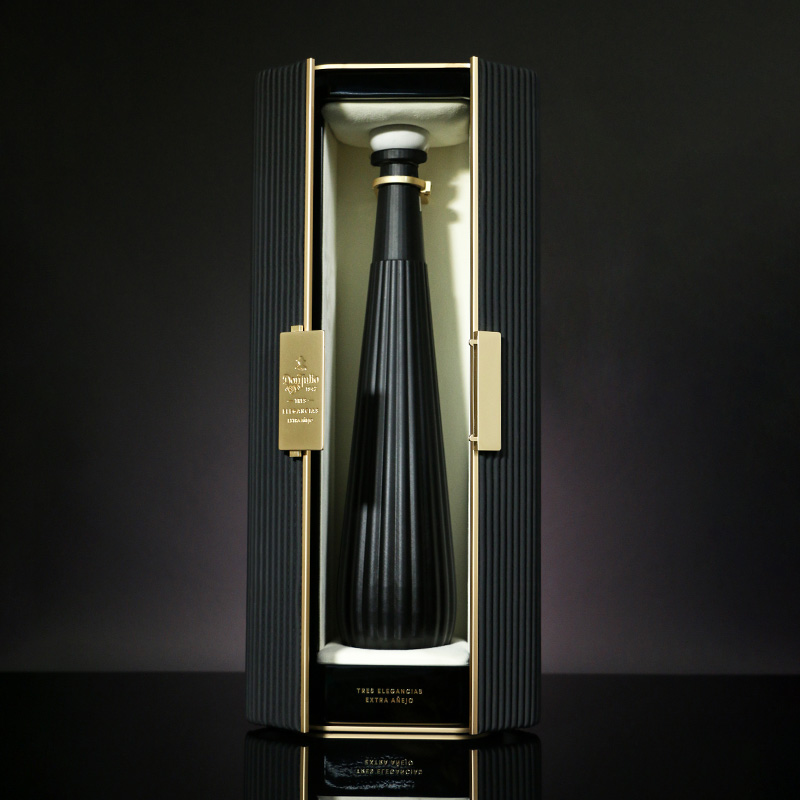
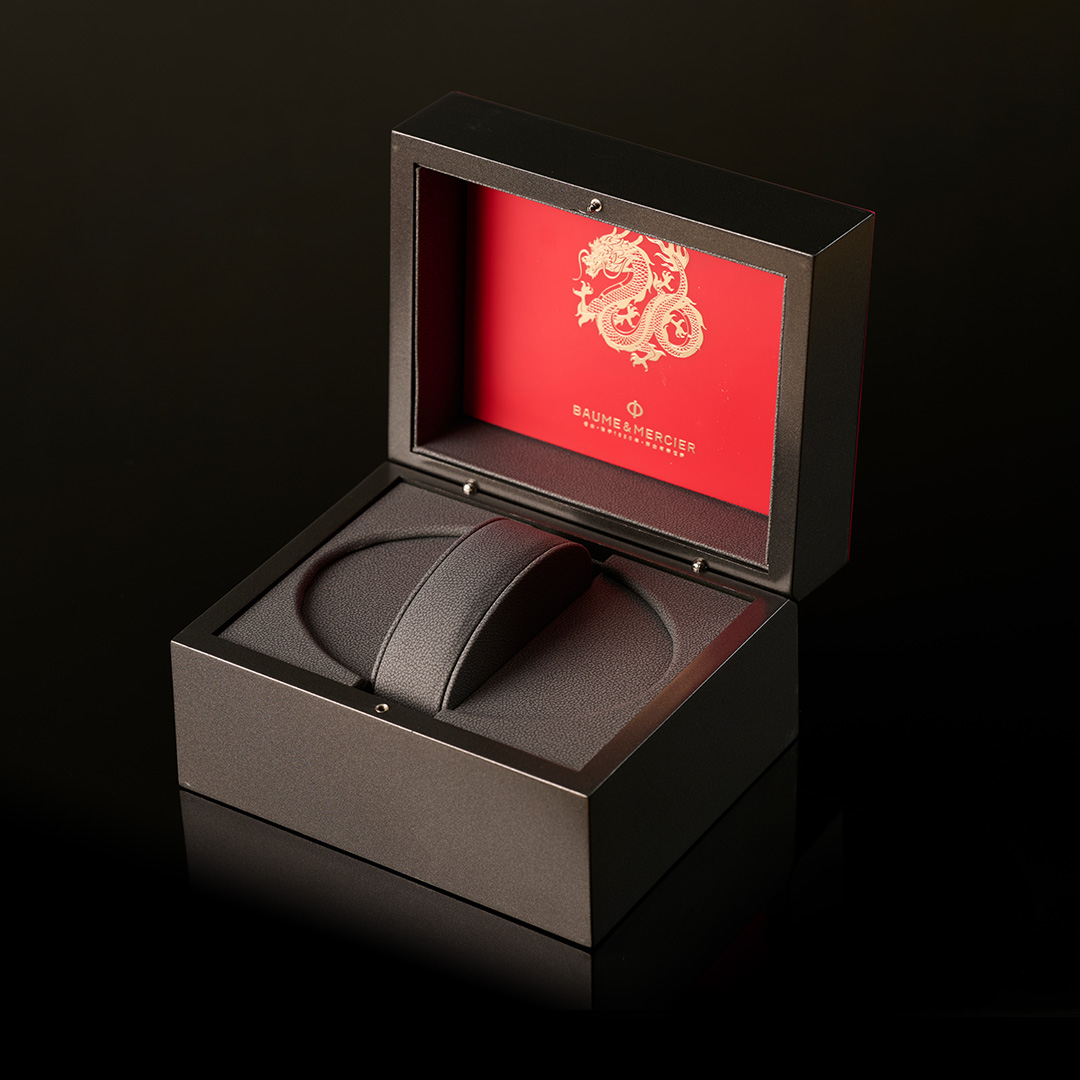
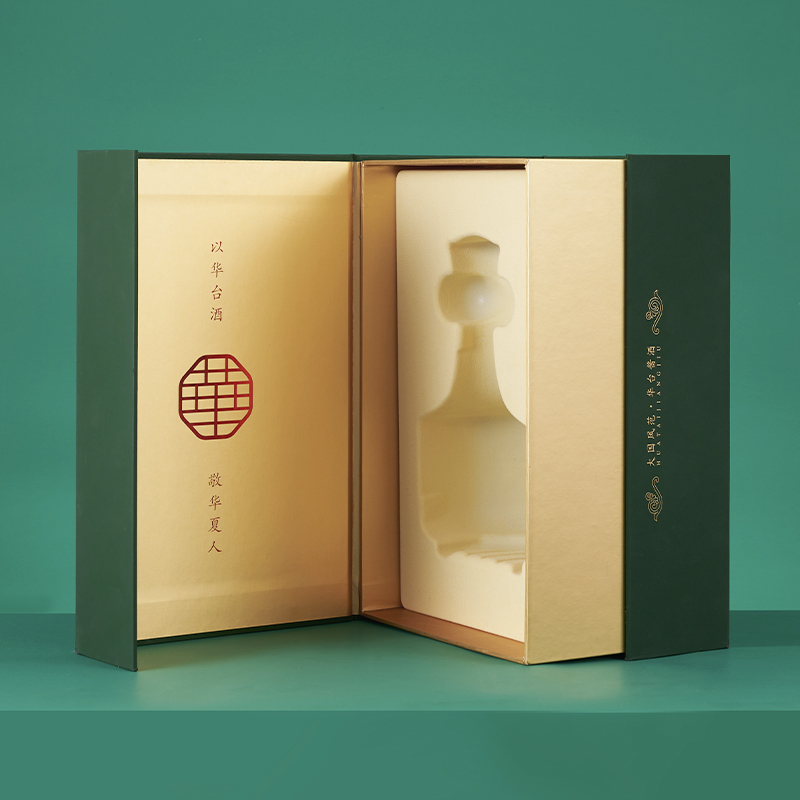
- Structural Complexity: Assess their experience with non-standard, mechanically interactive, or multi-component boxes (e.g., magnetic closure boxes, drawer boxes, book-style boxes).
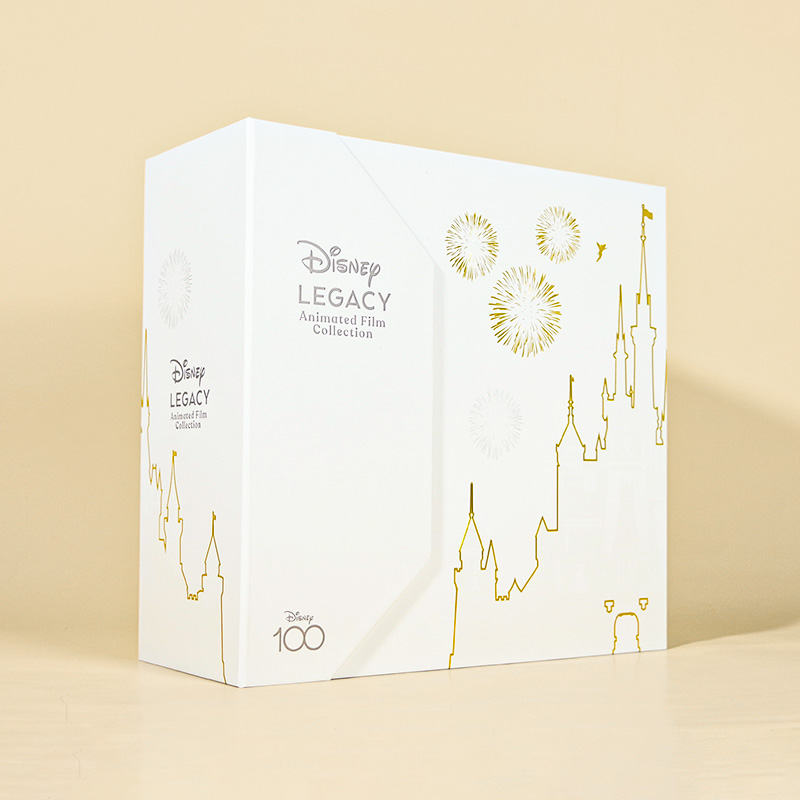
- Material and Process Mastery: Verify their expertise with a range of materials (greyboard, FSC-certified papers, specialty papers, EVA foam inserts) and surface finishing techniques (foil stamping, embossing, soft-touch lamination).

2. Production Scale, Flexibility, and Lead Times
Balance between large-scale capacity and flexibility for limited editions or complex projects.
Key Metrics to Request: Annual output capacity, monthly capacity, typical lead times for sampling and mass production, and Minimum Order Quantity (MOQ) flexibility. For instance, some manufacturers report an annual output exceeding 5 million pieces, with a monthly capacity of 500,000 units, and a standard mass production lead time of about three weeks after sample approval. Sample lead times can be as short as 1-2 days for simple structures.
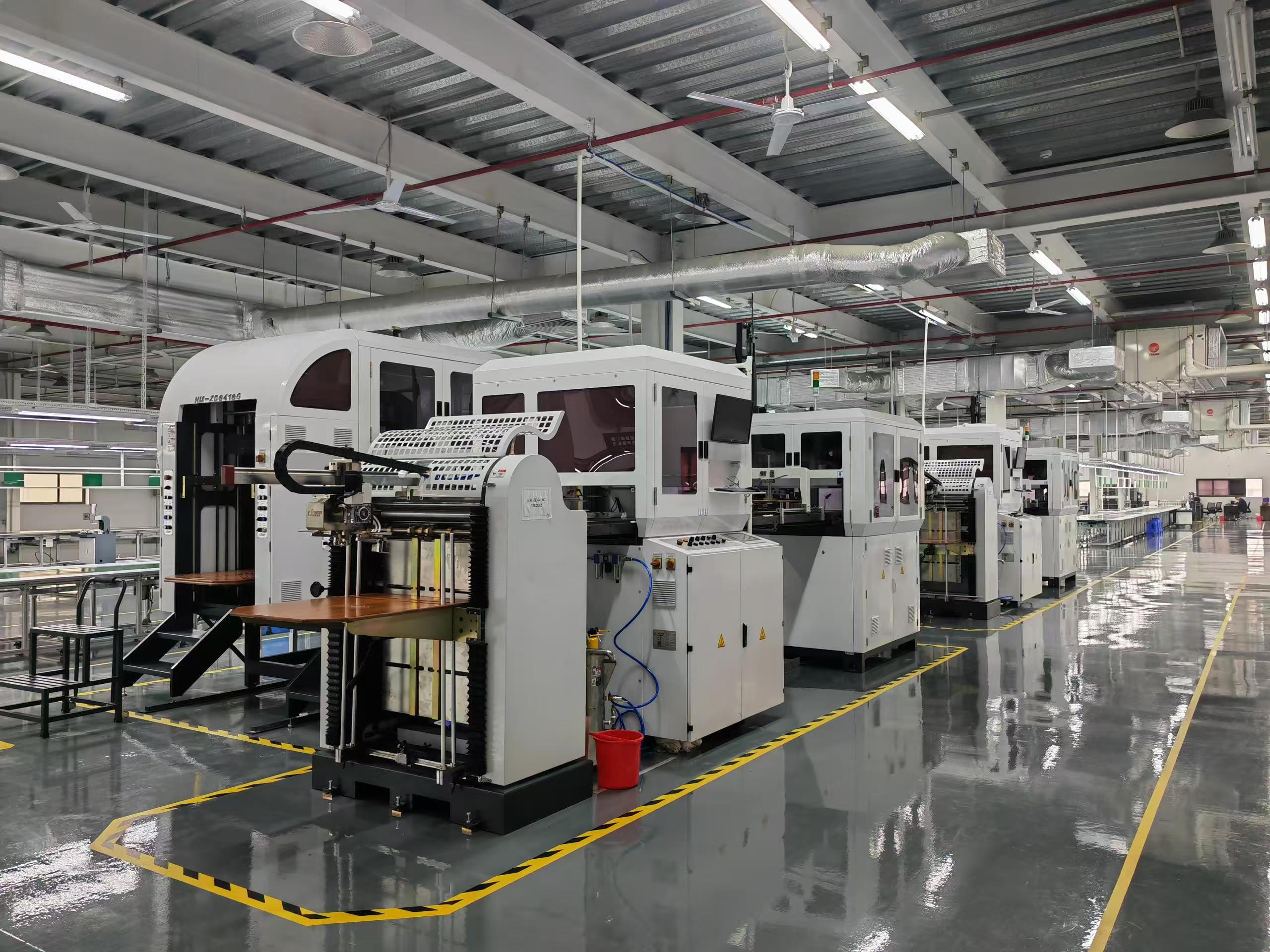
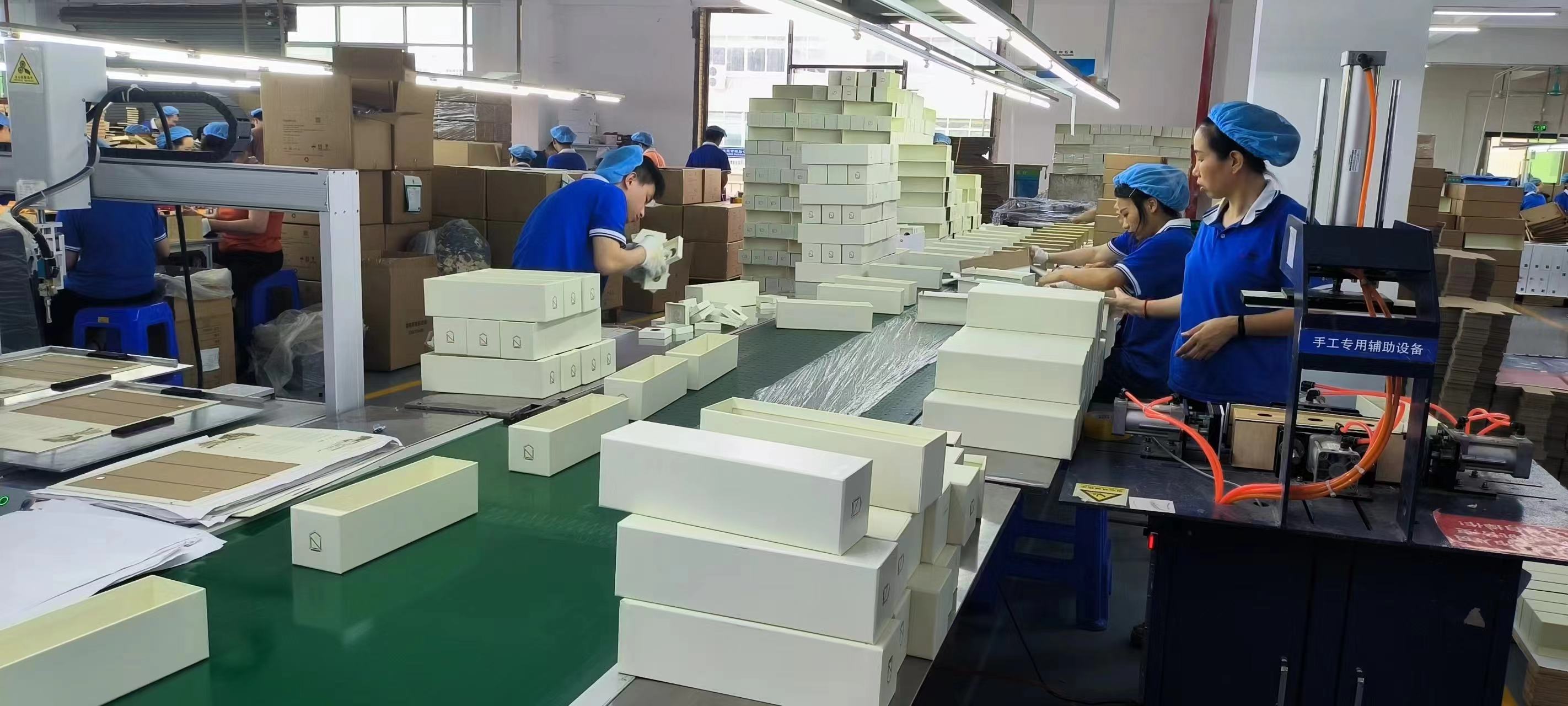
Short lead time production is a significant advantage for time-sensitive launches. Inquire about their production line setup—integration of automated folding & die-cutting with skilled hand-assembly lines often enables both speed and quality for complex boxes.
3. Quality Assurance and Compliance Systems
Certifications are tangible indicators of a manufacturer's commitment to quality and ethical standards. Essential certifications for suppliers targeting EU/US markets include:
| Certification | Issuing Authority | Scope & Relevance |
|---|---|---|
| ISO 9001 | ZZLH | Quality management system covering production, process control, and continuous improvement. |
| SEDEX/SMETA | SEDEX | Social responsibility and ethical supply chain compliance audit. |
| G7 Master | Idealliance | Color management certification ensuring print color consistency (CMYK, Pantone) across production runs. |
| FSC Chain of Custody | SCS Global | Traceability for sustainable wood and paper sourcing. |
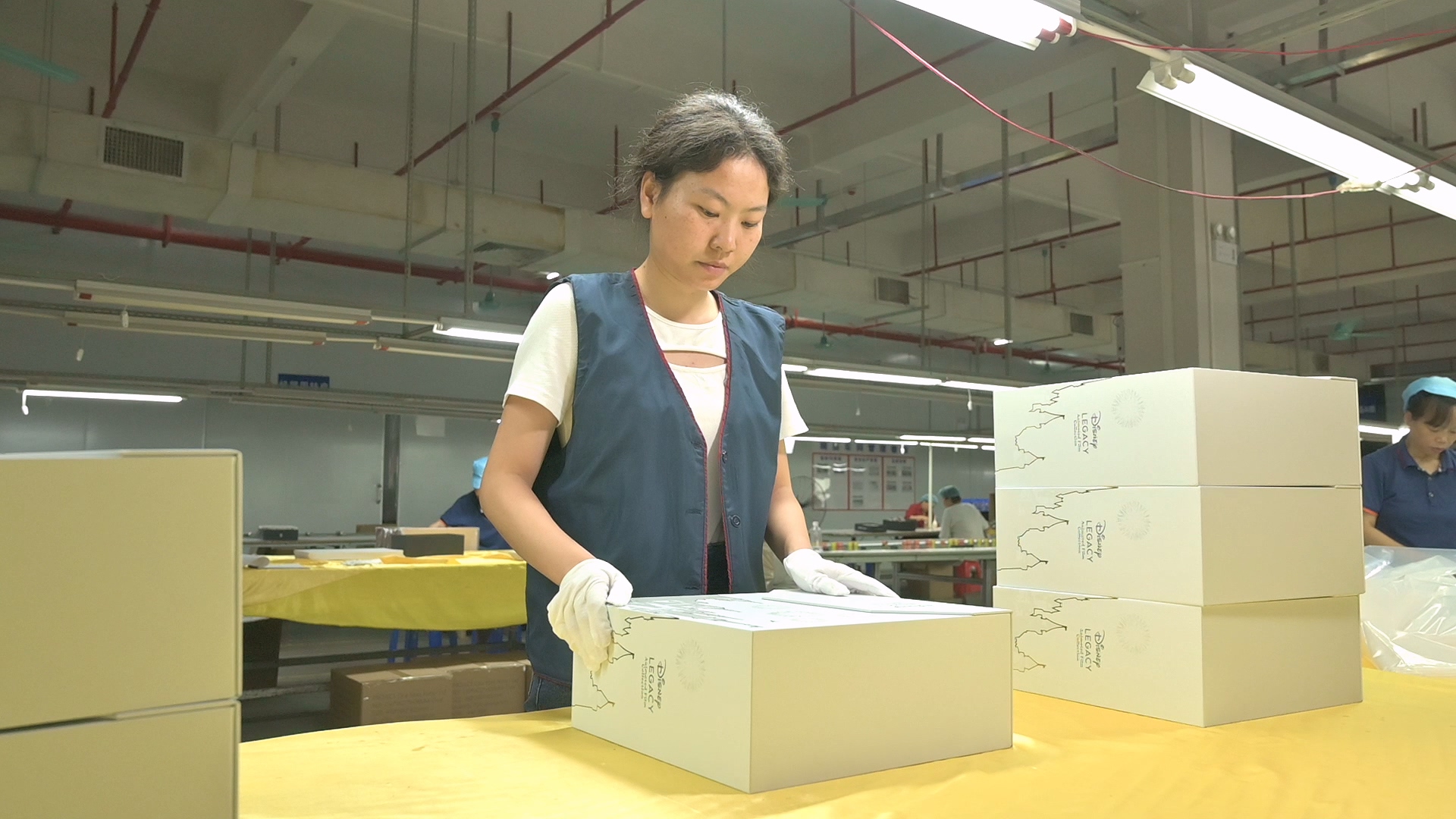
Beyond certificates, probe their internal QC process. An independent quality control team that conducts 100% testing at various stages (raw material, in-line production, final AQL inspection) is crucial for premium packaging.
4. Supplier Comparison: Engineering-Driven vs. Standard Manufacturers
Understanding the fundamental differences between supplier types helps align expectations with capabilities.
| Evaluation Criteria | Standard Rigid Box Manufacturer | Engineering-Driven Manufacturer (e.g., Topsion Packaging) | Best For |
|---|---|---|---|
| Core Approach | Template-based production | Structural optimization & manufacturability review | Complex, heavy-duty, or multi-material rigid packaging for international retail markets. |
| Risk Management | Reactive adjustments during production | Early-stage engineering validation & pilot runs | |
| Long-term Efficiency | Potential for higher defect rates on complex jobs | Reduced damage rate, optimized material usage, stable repeat production | |
| Cost Implication | May have hidden costs from revisions | Potential for 10%-20% lower total cost through optimization | Projects where balancing cost, quality, and design intent is critical. |
5. Industry Experience and Client Collaboration Model
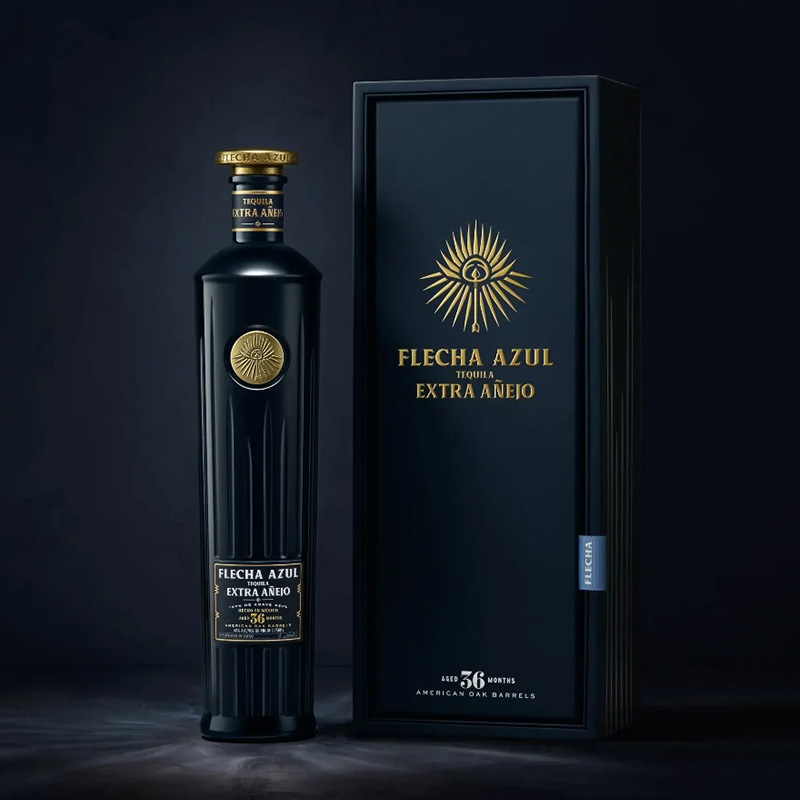
Examine the manufacturer's track record in your specific sector (e.g., premium wine & spirits, cosmetics, jewelry, luxury gifts). Request case studies or references.
Collaboration Models: Some manufacturers specialize in acting as a behind-the-scenes packaging manufacturing partner or providing white-label premium packaging manufacturing services for design studios and third-party packaging agencies. This model requires strong project management and confidentiality protocols. Successful long-term partnerships with design studios and agencies, spanning 2-5 years with on-time delivery rates around 98%, indicate reliable execution.
6. Risk Assessment and Mitigation Strategies
A robust supplier should have clear measures for common procurement risks:
- Supply Chain Stability: Multi-source supply strategies and partner factories under unified quality standards.
- Quality Consistency: Multi-stage QC and standardized procedures managed by an independent team.
- Delivery Schedule: Phased production planning and flexible lines to manage peak periods.
- Cross-border Coordination: Standardized documentation and milestone tracking for international projects.
- Compliance: Operation under ISO and SEDEX systems with regular internal audits.
7. Procurement and Logistics Terms
Clarify commercial terms early. Typical points include:
- MOQ: Often project-based, can start from 500 units.
- Payment Terms: Usually contract-based, involving a deposit and balance before shipment.
- Delivery Terms: Support for EXW, FOB, CIF, DDP as agreed.
- Acceptance: Based on approved samples and specifications; third-party inspection options.
Conclusion: Building a Strategic Partnership
Selecting a premium rigid box manufacturer is an investment in your brand's equity. The optimal partner is not merely a vendor but an extension of your supply chain, offering engineering expertise, scalable and flexible production, rigorous quality systems, and proactive risk management. By applying this structured evaluation framework, procurement teams can make informed decisions that secure both immediate project success and long-term supply chain resilience.