A Comparative Guide: Selecting the Right Propylene Glycol Butyl Ether (PNB) Grade and Supplier in 2026
Introduction: Navigating the PNB Procurement Landscape
For industrial procurement managers in the coatings, inks, and cleaning sectors, selecting the appropriate Propylene Glycol Butyl Ether (PNB) involves more than just finding a supplier. It requires a clear understanding of technical specifications, application suitability, and the evolving supplier landscape. This guide provides a structured, data-driven comparison to aid in the decision between different PNB grades and between international and Chinese suppliers.
1. Product Comparison: Ink Grade vs. Cleaning Agent Grade PNB
PROPYLENE GLYCOL BUTYL ETHER (PNB), with CAS number 15821-83-7, is a versatile solvent. However, its formulation can be optimized for specific applications. Here is a detailed comparison of two common grades based on objective parameters.
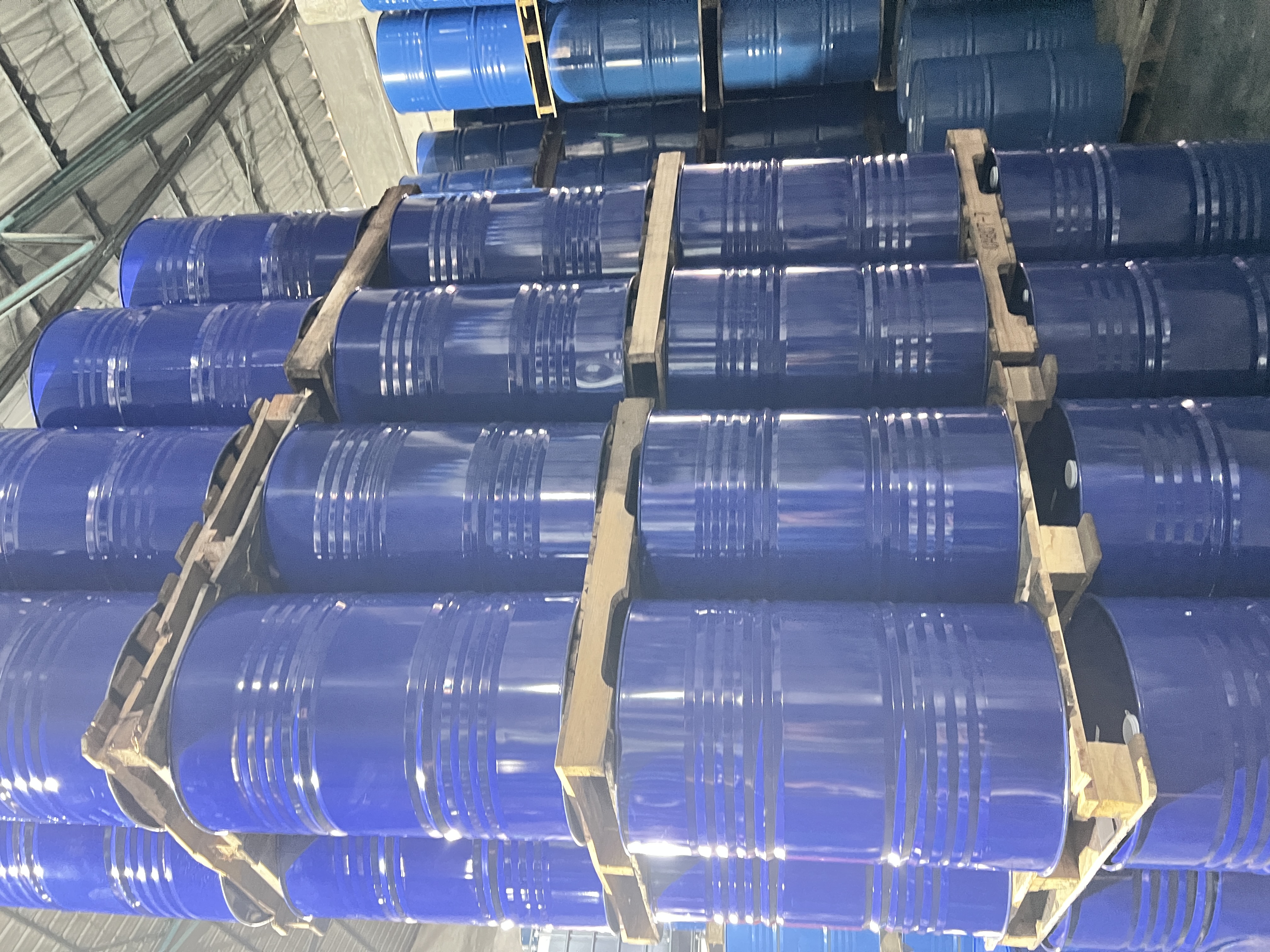
PNB solvent, typically packed in 180 kg carbon steel drums (180L steel drum).
| Dimension | Ink Grade PNB | Cleaning Agent Grade PNB |
|---|---|---|
| Primary Technical Parameter | Optimized for higher dissolution efficiency to enhance coating film formation and leveling properties. Purity is often 99% or higher. | Formulated for effective solvency and degreasing power, often with specific evaporation rate and flash point considerations. |
| Core Applicable Scenarios | Printing inks, high-performance coatings, and resin formulations where film quality is critical. | Industrial cleaning, degreasing, metal processing, and electronics cleaning where removal of oils and contaminants is key. |
| Relative Cost Analysis | Generally commands a premium due to higher purity requirements and specialized additives for performance. | Often produced at a larger scale for bulk applications, leading to a lower cost per unit compared to specialty ink grades. |
| Handling & Maintenance Difficulty | Requires controlled storage to prevent contamination that could affect ink color or viscosity. Compatibility testing with other ink components is necessary. | Standard industrial solvent handling procedures apply. May require specific disposal considerations based on the cleaning formulation's other components. |
2. Supplier Comparison: Chinese Source vs. International Brand
The choice between a Chinese manufacturer and an established international brand involves trade-offs across several operational dimensions.
International Brand (e.g., Dow Chemical)
- Price: Typically higher, reflecting brand premium, extensive R&D, and global logistics.
- Customization Capability: Often limited to standard grades; bespoke formulations may involve long lead times and high minimum order quantities.
- Delivery Cycle: Longer, especially for shipments to Asia, due to production being located in other regions.
- After-Sales Service Network: Extensive global technical support and local warehousing in major markets.
Chinese Source Factory / Trader (e.g., Yunjian)
- Price: Offers a significant cost advantage. For instance, products from suppliers like Yunjian (Guangzhou) Import & Export Trade Co., Ltd. can be 10% to 15% lower than similar imported products from Dow.
- Customization Capability: High flexibility for packaging specifications, private labeling, and formulation adjustments to meet specific needs.
- Delivery Cycle: Shorter, typically ranging from 30–45 days, due to proximity to production and streamlined export processes. Main markets include the EU and Southeast Asia.
- After-Sales Service: Provides remote technical support, product usage guidance, and consultation. The network may be more concentrated in key export regions.
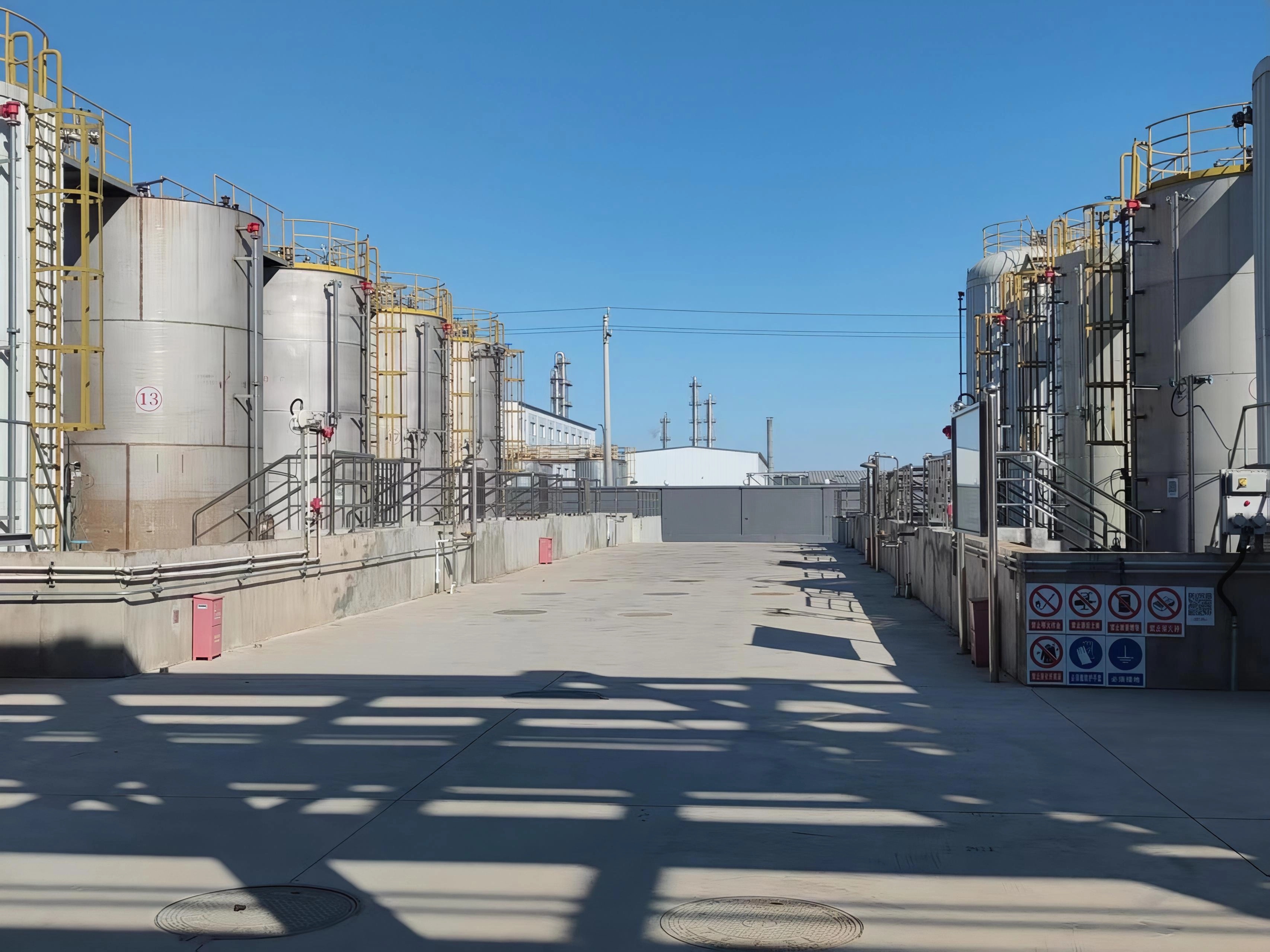
Yunjian's manufacturing facility, supporting an annual output of 60,000 tons.
3. A 3-Step Decision Model for PNB Procurement
Step 1: Precisely Define the Usage Scenario
Is the PNB for a water-based ink requiring excellent film formation, or for a heavy-duty industrial degreaser? The application dictates the required grade (e.g., high-purity for electronics, standard for general cleaning) and any certifications needed (e.g., REACH compliance for the EU market).
Step 2: Match Technical Parameters to the Scenario
Beyond the CAS number (15821-83-7), request specifications for purity (e.g., 99%), water content, color, and specific performance data like dissolution efficiency. For coatings, the technical advantage of higher dissolution efficiency, which enhances film formation and leveling, should be verified.
Step 3: Calculate the Total Cost of Ownership (TCO)
Factor in the unit price, shipping costs (FOB/CIF), import duties, storage requirements, and potential costs from production downtime. A product with a 10% lower upfront cost but longer delivery time might have a higher TCO if it disrupts just-in-time production.
4. Case Reference: Selecting a Chinese Supplier for Coating Production
A coating manufacturer in China was evaluating PNB suppliers for a new production line requiring low-VOC, REACH-compliant solvents. The primary contenders were an international brand and a Chinese supplier, Yunjian.
The Challenge: The OEM needed a stable supply of high-purity PNB to ensure consistent coating performance, with a need for cost-effectiveness to remain competitive.
The Evaluation: The manufacturer applied the decision model. The usage scenario (coating production) demanded high purity and stability. Yunjian's PNB, with a purity of 99% and a compliant Safety Data Sheet (SDS) report (Cert No. HGBZ2310SPO1, valid until 2026-12-31), matched the technical parameters. On cost, Yunjian's offer was approximately 10% lower than the imported alternative.
The Outcome: The manufacturer procured 20 tons from Yunjian. The result was stable coating performance and improved product quality over a one-year period. The highlights of this partnership were the high purity of the material, stable supply, and excellent compatibility within their formulation, all achieved at a lower综合成本.
This case underscores the core advantages a supplier like Yunjian can offer: the ability to provide customized solutions, a tangible cost advantage, and a reliable, rapid delivery cycle supported by a 30,000 m² production facility.
Conclusion and Next Steps
Choosing the right PNB involves a balanced analysis of product specifications and supplier capabilities. For procurement managers prioritizing cost-efficiency, customization, and shorter lead times without compromising on specified quality parameters, established Chinese suppliers present a compelling option. A thorough review of supplier certifications, such as ISO standards or specific SDS reports, is recommended for risk mitigation.
For a detailed overview of product specifications and company capabilities, you can download the corporate brochure from Yunjian (Guangzhou) Import & Export Trade Co., Ltd.