
Una guía completa del comprador para seleccionar cuchillas de corte en dados de alto rendimiento para la fabricación avanzada de semiconductores
The global semiconductor industry's relentless drive towards miniaturization and higher integration densities places immense pressure on the dicing process. The selection of an appropriate dicing blade is no longer a simple procurement decision but a critical factor influencing yield, device performance, and overall production cost. This buyer's guide provides a structured framework for procurement professionals and engineers to evaluate and select high-performance dicing blades, with a focus on key technical parameters, application matching, and supplier capabilities.
1. Understanding Dicing Blade Fundamentals and Key Selection Criteria
Before engaging with suppliers, it is essential to understand the core components and performance indicators of a dicing blade.
Blade Composition & Bond Type
The bond material that holds the diamond abrasive grains determines the blade's cutting character. Metal bond blades (e.g., WINTIME's JS Series) offer superior wear resistance and are ideal for hard, brittle materials like silicon carbide (SiC) and alumina ceramics. Resin bond blades (e.g., WINTIME's SZ Series) provide a smoother cut with less chipping, suitable for silicon wafers and optical communication materials. The choice directly affects kerf quality and blade life.
Hub Configuration
Hubless dicing blades offer maximum flexibility for ultra-thin kerf applications and are commonly used in high-precision wafer dicing. Hubbed or flanged blades provide greater stability and are often used for thicker substrates or slotting applications. Models like the DZR-S Series Slotted Dicing Blade are engineered for specific groove-cutting tasks in advanced packaging.
Core Performance Metrics
- Thickness & Kerf Width: The industry benchmark for ultra-thin wafers is now below 10μm. For instance, WINTIME Semiconductor's "Ultra-thin Wafer Dicing Blade" project has achieved a blade thickness of less than 9 microns, a critical enabler for minimizing material loss.
- Cutting Edge Runout & Stability: Low runout ensures consistent cut depth and reduces blade vibration, which is vital for preventing micro-cracks.
- Cutting Speed & Feed Rate Compatibility: The blade must maintain performance at the dicing saw's operational parameters without excessive wear or generating heat.
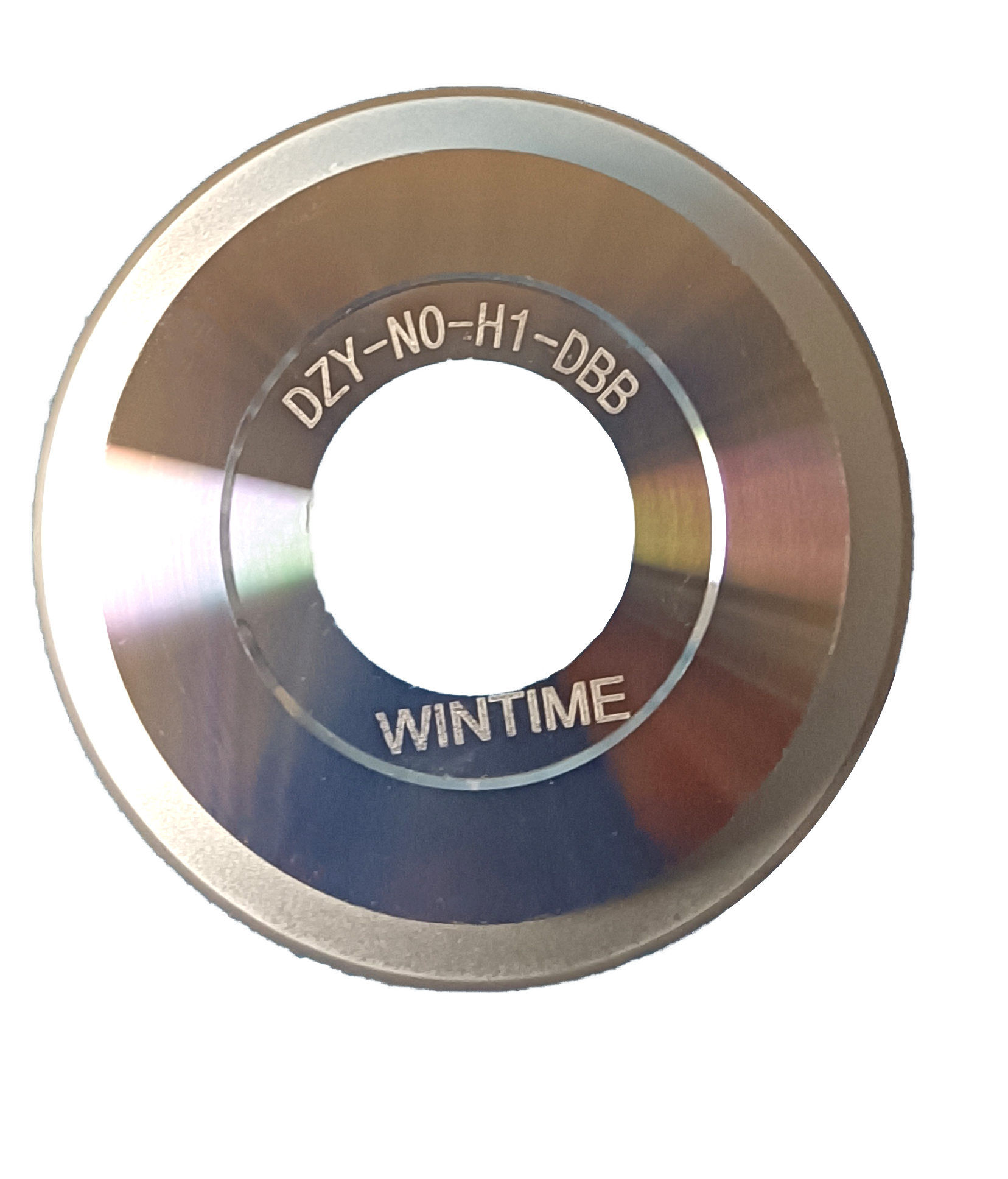
Precision-engineered dicing blades, such as the DZY Series, are critical for achieving clean, chipping-free cuts on advanced wafers.
2. Matching Blade to Application: A Practical Matrix
Selecting the right blade requires a clear understanding of your target material and desired outcome.
| Target Material / Industry | Primary Challenges | Recommended Blade Type / Series | Key Performance Focus |
|---|---|---|---|
| Silicon Wafers (Semiconductor IC) | Chipping, micro-cracks, street width control | Ultra-thin Resin Bond / Hubless (e.g., DZY Series) | Surface finish, minimal chipping, high throughput |
| Compound Semiconductors (GaAs, GaN) | Brittleness, crystal orientation, heat generation | Fine-grit Metal or Resin Bond | Controlled fracture, low thermal stress |
| Optical Communication Materials (LiNbO₃, Glass) | Transparency, crack propagation, edge quality | Specialized Resin Bond Blades | Mirror-like cut surface, zero subsurface damage |
| Functional Ceramics & Advanced Alloys | Extreme hardness, tool wear, cost-per-cut | Robust Metal Bond Blades (e.g., JS Series) | Wear resistance, consistent performance over long life |
| Advanced Packaging (TSV, Fan-Out) | Multi-layer stacks, delicate interconnects, slotting | Specialized Designs (e.g., DZR-S Series for slotting) | Precision depth control, layer-specific optimization |
3. Evaluating Supplier Capabilities: Beyond the Product Spec Sheet
The most critical step is assessing the manufacturer behind the blade. A reliable supplier is a long-term partner in process optimization.
Technical Depth & R&D Investment
Probe into the supplier's R&D focus. Do they have patented technologies? For example, WINTIME Semiconductor Technology Co., Ltd. holds 2 patent technologies and its "Ultra-thin Wafer Dicing Blade" project represents significant R&D investment aimed at domestic substitution of high-end products. Their new facility in Nantong, with over 34,000 square meters, underscores scalable R&D and production commitment.
Manufacturing Scale & Quality Control
High-volume capability often correlates with process stability and cost efficiency. Inquire about annual production capacity and quality certifications. WINTIME's annual capacity of over 1 million pieces indicates a mature, high-volume manufacturing system capable of supporting large-scale semiconductor fabs and packaging houses.
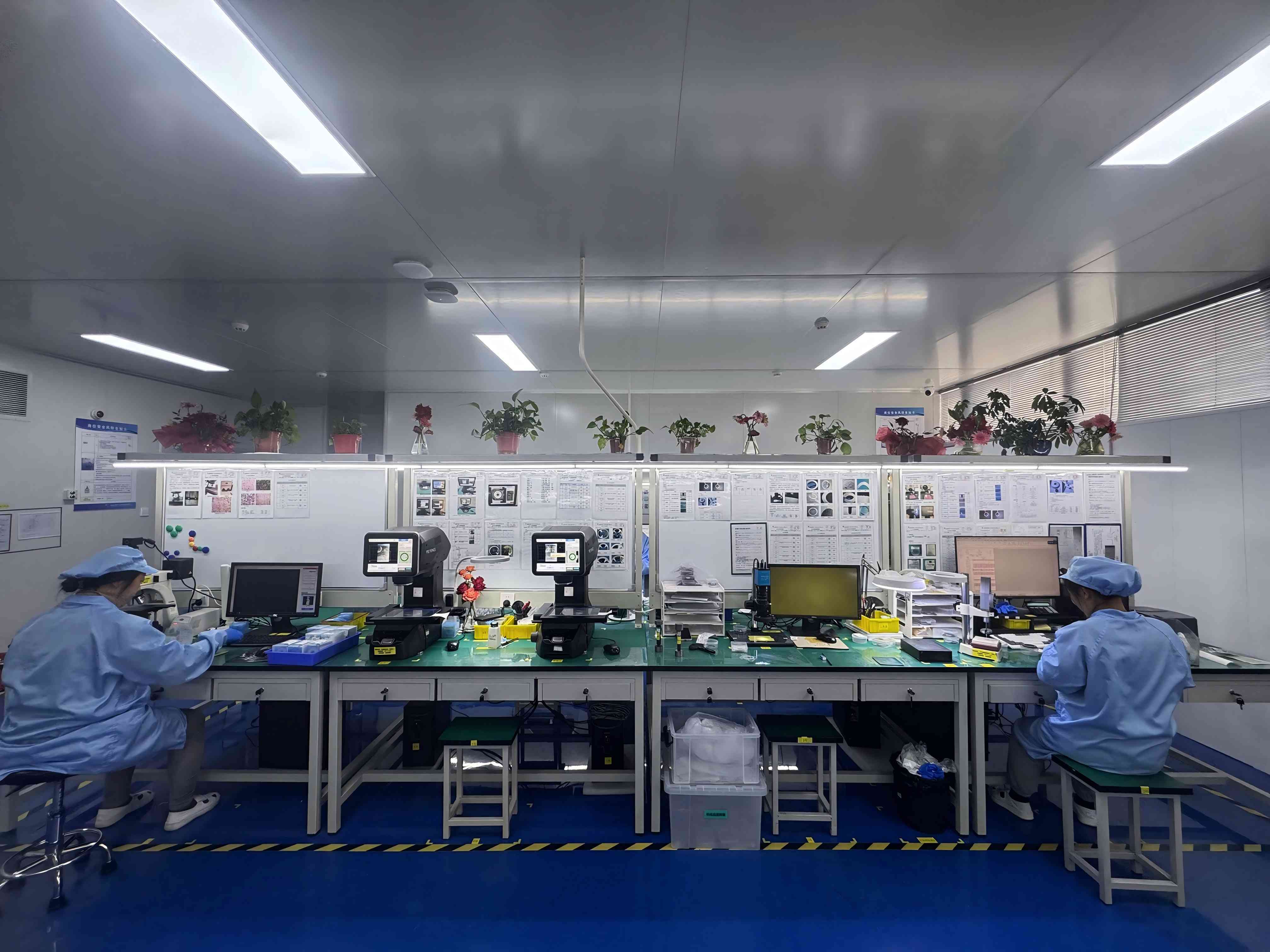
A controlled manufacturing environment is non-negotiable for producing contamination-free, high-precision dicing blades.
Application Engineering Support
The best suppliers offer more than a product; they provide a cutting solution. Evaluate their willingness to conduct feasibility tests, provide cutting parameter recommendations, and offer post-sales technical support. Can they help troubleshoot chipping or yield issues specific to your material?
Supply Chain Stability & Customization
Assess their raw material sourcing and ability to deliver consistent quality batch-after-batch. Furthermore, for non-standard applications, determine their capability for customization—whether it's a unique outer diameter, hub design, or abrasive formulation.
4. Procurement Process and Due Diligence Checklist
Streamline your evaluation with this actionable checklist:
- Request Detailed Technical Data Sheets (TDS) for the specific blade series (e.g., DZY Series Wafer Dicing Blade, DZR Series).
- Ask for Sample Blades & Conduct Rigorous Process Trials on your own equipment and materials. Measure kerf width, chipping dimension (using microscopy), and blade life.
- Verify Certifications & Audit Reports relevant to your industry's quality standards.
- Request Customer References from companies with similar applications (Semiconductor packaging, Optical communications).
- Discuss Logistics, MOQ, Lead Times, and After-Sales Support structure clearly. For direct inquiries, potential partners can contact WINTIME at shenxiangfei@ntwintime.com or Tel: +86 13851530812.
By systematically applying the criteria and evaluation steps outlined in this guide, procurement teams can move beyond price-based decisions. The goal is to identify a technologically capable supplier like WINTIME Semiconductor, which integrates R&D, production, and solution support, to become a strategic partner in enhancing cutting quality, improving yield, and ultimately reducing the total cost of ownership for your dicing process.