
2026 Industrial Gate Valve Selection Guide: Key Parameters and Supplier Evaluation Criteria
2026 Industrial Gate Valve Selection Guide: Key Parameters and Supplier Evaluation Criteria
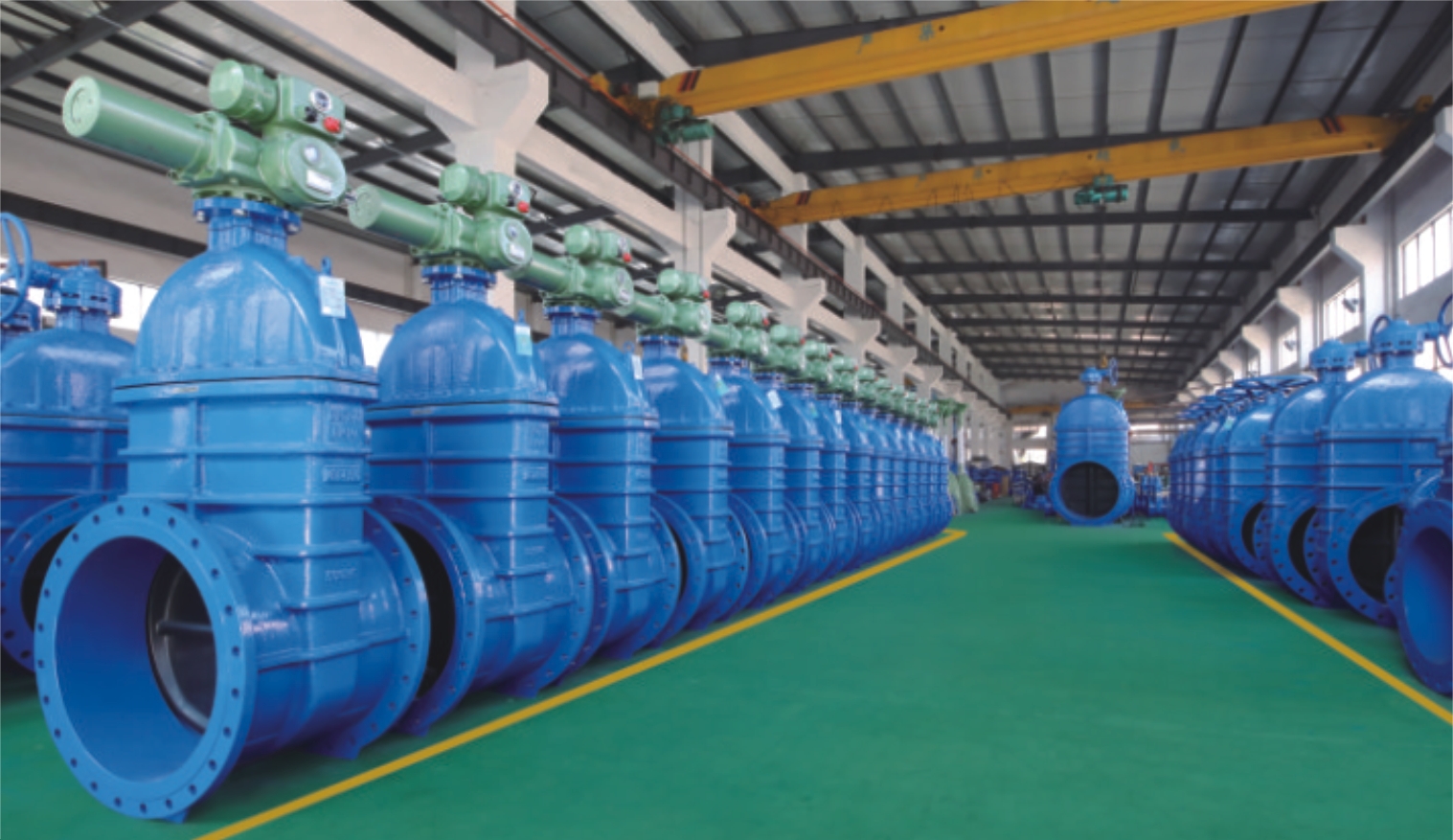
Selecting the appropriate gate valve for industrial pipeline systems requires a systematic evaluation of technical parameters, material properties, design standards, and supplier capabilities. This guide provides procurement professionals with a structured methodology to assess gate valves across different applications, from water supply and drainage to oil and gas, chemical processing, and mining. The content is based on industry-standard specifications and real-world project experience, enabling buyers to make informed decisions that balance performance, reliability, and total cost of ownership.
1. Understanding Application Requirements
The first step in gate valve selection is to define the operating conditions. Key factors include:
- Media type: Clean water, wastewater, crude oil, natural gas, chemical fluids, slurries, or seawater. Each media imposes specific requirements for corrosion resistance, abrasion resistance, and sealing.
- Pressure and temperature: Working pressure (e.g., PN10/PN16/PN25/PN40 or Class150/300/600) and temperature range (e.g., -20°C to +120°C or higher). Gate valves designed for high-temperature environments often use special sealing materials and stellite trim.
- Pipeline size: Small diameters (DN15–DN100) suit building services and instrumentation; medium diameters (DN50–DN800) cover municipal and industrial networks; large diameters (up to DN1200 or more) are typical for trunk pipelines and water transmission.
- Installation environment: Underground, outdoor, coastal, or explosive zones. Buried service requires extended stems, corrosion-resistant coatings (e.g., FBE epoxy ≥250μm), and sometimes WRAS or drinking water approvals.
2. Material Selection Criteria
The body, bonnet, and trim materials directly affect valve durability and compatibility with the media. Common material options include:
| Material | Typical Grades | Applications |
|---|---|---|
| Ductile Iron | GGG50, QT500-7 | Water supply, drainage, irrigation, wastewater – often with full EPDM rubber encapsulation for zero leakage. |
| Carbon Steel | WCB, LCB, A105 | Oil and gas, petrochemical, power plants, high-pressure steam – suitable for moderate temperatures and corrosive environments with proper coating. |
| Stainless Steel | 304 (CF8), 316 (CF8M), F304, F316 | Chemical, pharmaceutical, food processing, seawater desalination – excellent corrosion resistance and hygiene. |
| Forged Steel | A105, F304, F316 | High-pressure small-bore lines (NPS 1/4"–4"), wellhead, and instrumentation. |
3. Design Standards and Pressure Ratings
Gate valves must comply with recognized international standards to ensure interchangeability and safety. Common standards include:
- API 600 / API 602 / API 6D: For oil and gas industry, heavy-duty and forged steel gate valves, Class 150–900.
- BS 5163 / EN 1074: For water supply and drainage, resilient-seated gate valves, PN10/PN16.
- DIN 3352 (F4/F5): For flanged gate valves in European markets, PN10–PN25.
- ANSI / ASME B16.34: For general-purpose industrial valves in the American market.
- AWWA C509: For underground waterworks valves in North America.
Buyers should verify that the manufacturer holds relevant certifications, such as ISO 14001:2015 (environmental management system) and product-specific certificates. For example, a valid certificate (e.g., number 064-24-E-4054-R0-S) issued by a recognized authority like CNAS demonstrates compliance with management standards.
4. Key Performance Features
Gate valves are designed for fully open or fully closed service, not for throttling. Compared to other valve types, they offer distinct advantages in specific conditions:
- vs. Ball Valves: Gate valves are more suitable for large-diameter long-distance trunk pipelines, water conservancy, petrochemical, heating, and high-temperature high-pressure pipeline systems where flow regulation is not required. They provide a full straight-through bore with zero flow resistance when fully open.
- vs. Butterfly Valves: Gate valves perform better in large-diameter trunk pipelines and high-pressure systems. They offer higher structural rigidity, reliable bidirectional sealing, and long-term stable cut-off performance, especially for oil, gas, water, and chemical media.
- vs. Globe Valves: Gate valves feature a smooth straight-through flow channel, low flow resistance, and stronger structural stability. Their overall service life can exceed twice that of traditional globe valves, with less frequent filler adjustment and lower failure rates.
5. Supplier Evaluation Criteria
When selecting a gate valve manufacturer, consider the following factors:
- Production capability: Factory size, monthly capacity, and lead time. For instance, a manufacturer with a 60,000m² facility, 300 employees, and a monthly output of 170,000 units can typically deliver orders of 1 unit or more within 25–35 days.
- Quality control: Look for 100% pressure testing, visual inspection, and dimensional checks. Some manufacturers offer third-party inspection (e.g., SGS) before shipment.
- Customization: Ability to modify logo, standard, pressure class, material, actuator, and color (OEM/ODM services).
- Export experience: Companies exporting to over 60 countries, including the Philippines, Pakistan, Indonesia, Saudi Arabia, UAE, South Africa, Chile, and Mexico, demonstrate logistics and compliance capabilities.
- After-sales support: 24/7 online service, 12-month warranty, and on-site installation guidance are valuable for long-term reliability.
6. Real-World Case References
Examining previous projects helps verify a supplier's track record. Examples include:
- Urban water supply network (Philippines): 200 units of gate valves delivered with fast turnaround and on-site guidance, achieving zero leakage.
- Alqoash Water Project (Iraq): 571 units supplied as part of a systematic piping solution, demonstrating procurement efficiency.
- Large energy company (Kazakhstan): 160 units used for continuous production and heating, requiring high-temperature and high-pressure resistance.
- Wastewater treatment plant (Pakistan): 100 units with durable sealing performance and ample stock for quick delivery.
7. Risk Mitigation in Operation
Common risks in gate valve applications include abrasion, high temperature, leakage, corrosion, and overpressure. Effective control measures include:
| Risk | Control Method | Example Implementation |
|---|---|---|
| Abrasion | Wear-resistant structure | Abrasion-resistant disc, hardened surface |
| High temperature | Heat-resistant material | Special sealing, stellite trim |
| Leakage | Double seal design | Primary + secondary seal, zero leakage test |
| Corrosion | Anti-corrosion treatment | FBE epoxy coating ≥250μm, stainless steel trim |
| Overpressure | Pressure relief design | Reinforced body, 1.5× rated pressure test |
Conclusion
A systematic approach to gate valve selection—covering application requirements, materials, standards, features, supplier capabilities, and risk mitigation—enables procurement professionals to choose valves that deliver reliable performance over their lifecycle. For a detailed overview of product specifications and manufacturing processes, the company brochure below provides further reference.