
Una guía completa para la adquisición: Cómo seleccionar un proveedor confiable de placas de refrigeración líquida
A Comprehensive Guide for Procurement: How to Select a Reliable Liquid Cooling Plate Supplier
As the demand for efficient thermal management in electric vehicles (EVs) and energy storage systems (ESS) grows, selecting the right liquid cooling plate supplier becomes a critical decision for procurement professionals. This guide outlines key criteria and evaluation steps to help you identify and partner with a capable manufacturer.
1. Define Your Application Requirements
The first step is to clearly define your application's technical and operational needs. Liquid cooling plates are used in various scenarios, each with specific requirements.
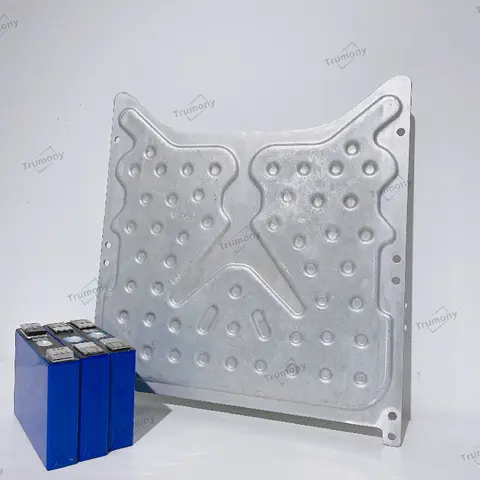
- Electric Vehicle Battery Packs: Products like the electric vehicle cooling plate (model TR-20260224) or liquid cooling plate for EV (model TR-20260225) are designed for high-temperature, 24/7 operation in automotive environments, often requiring epoxy coating for protection.
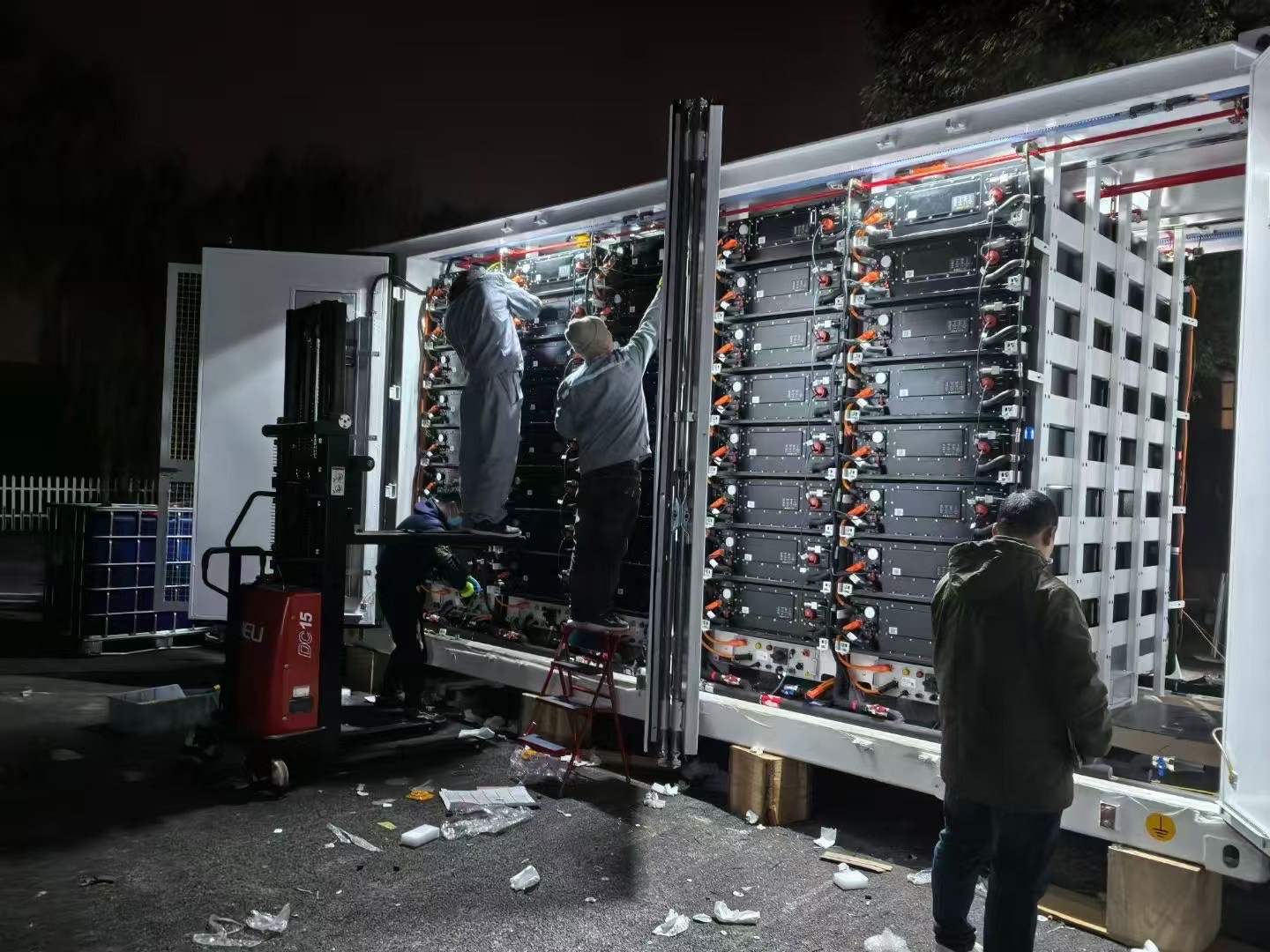
- Energy Storage Systems (ESS): Components such as the energy storage system cooling plate (model TR-20260226) or liquid cooling plate for energy storage (model TR-20260228) are used in battery pack thermal management projects, also operating under high-temperature, continuous conditions.
- Specific Form Factors: Consider whether you need stamped cooling plates (model TR-20260227), serpentine/snake cooling tubes (models TR-20260229, TR-20260230, TR-20260231, TR-20260232), or cooling plates for power storage (model TR-20260223).
These products are typically made from materials like Aluminum 3003, with cooling efficiency and thickness parameters that are often customized to the project.
Core Technical & Quality Criteria
When evaluating suppliers, focus on these verifiable aspects:
- Manufacturing Certifications: Look for internationally recognized quality management systems. For instance, a supplier holding ISO 9001:2015 (Certificate No. 132998) and IATF 16949:2016 (Certificate No. 0489498) demonstrates a commitment to standardized quality processes, especially critical for automotive applications.
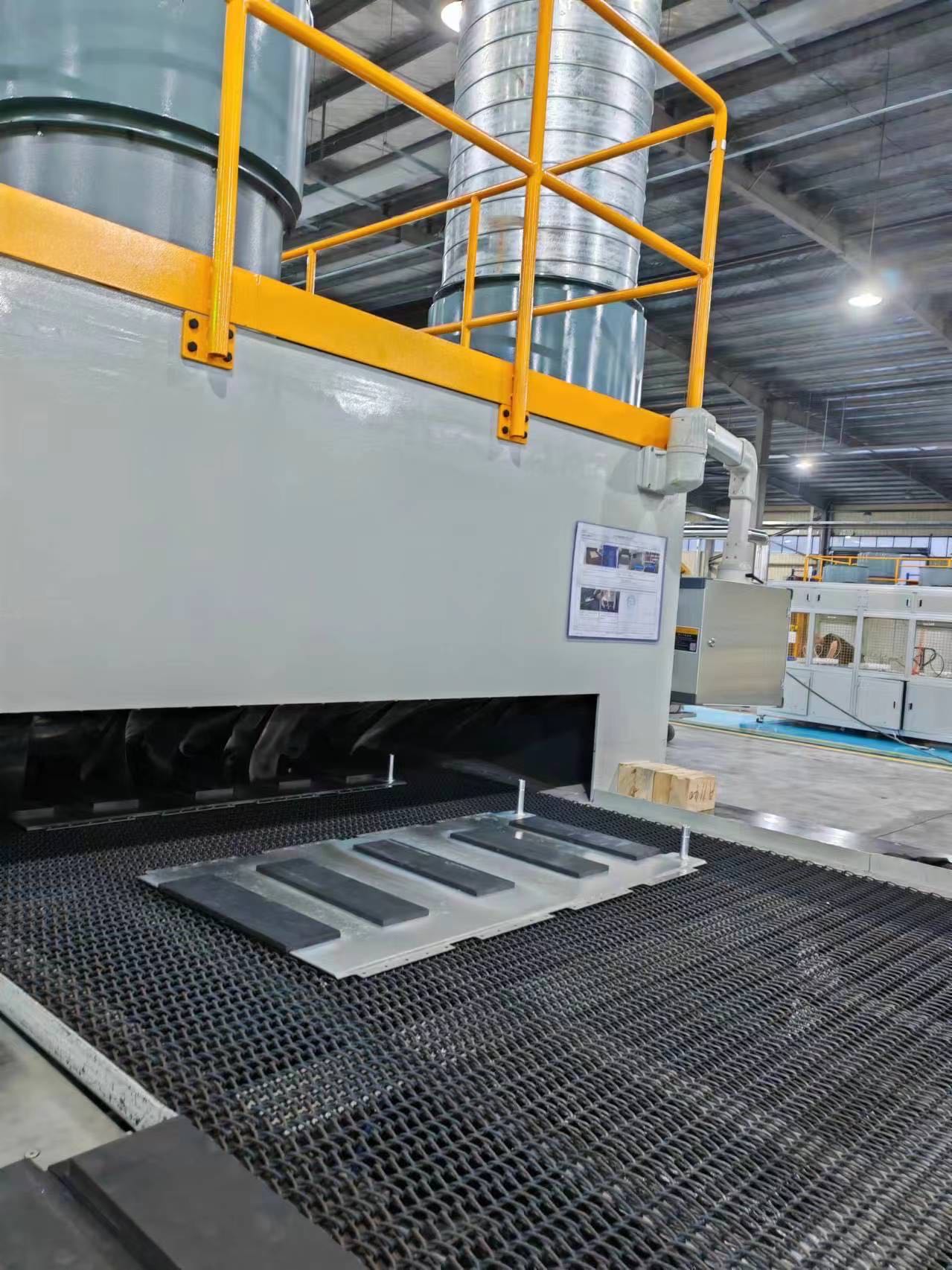
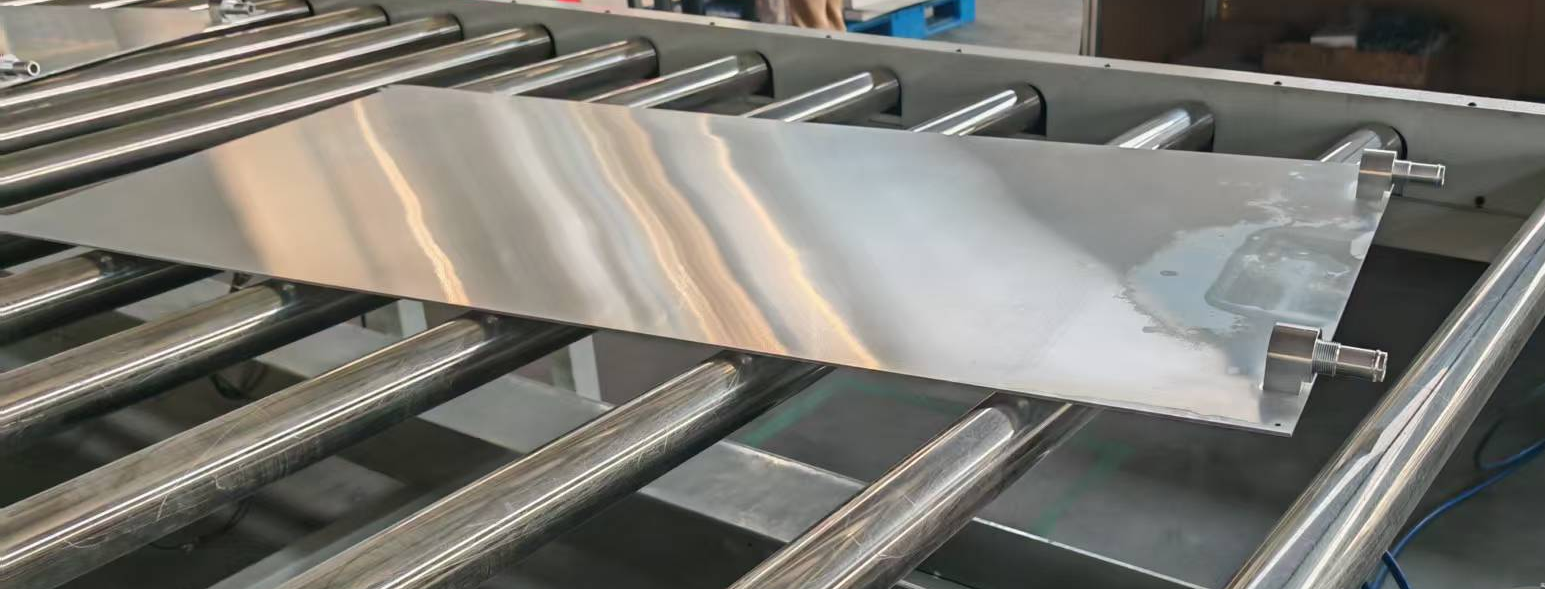
- Production & Quality Control Capabilities: Assess the supplier's infrastructure and testing protocols. Key indicators include a manufacturing facility size (e.g., 100,000 m²), annual output capacity (e.g., 600,000 units), and a dedicated R&D team (e.g., 25 engineers). In-process quality control should include 100% air leakage testing. Optional tests may include helium tightness, voltage resistance, hydrostatic strength, burst, and high/low temperature resistance tests.
- Risk Management: Inquire about specific risk control measures for common failure modes. For leakage risk, a standard control method is 100% air tightness testing, possibly supplemented by helium leak tests.
2. Evaluate Supplier Capabilities and Stability
Beyond product specs, the supplier's operational strength and market experience are crucial for long-term partnership stability.
| Evaluation Dimension | Key Questions & Verification Points |
|---|---|
| Company Background & Experience | How long has the company been operating? A supplier like Trumony Aluminum Limited, established in 2017, has 7 years of industry experience. Verify the number of employees (approx. 220) and main markets served (e.g., EU, USA, India). |
| Production & Customization Flexibility | What is the monthly capacity? Can they accommodate low MOQs? Some suppliers offer an MOQ as low as 1-2 units. Check customization options (e.g., dimensions, cooling efficiency, logo) and standard lead times (e.g., 30 days). |
| Technical & R&D Support | Does the company have an in-house R&D team? A team of 25 engineers indicates capability in battery thermal management solutions and liquid cooling system development, which is valuable for co-design or problem-solving. |
| Supply Chain & Logistics | What are the standard delivery terms (e.g., FOB, CIF)? What is the acceptance procedure (e.g., pre-shipment testing)? Clarify standard payment terms (e.g., 30% deposit, 70% before shipment). |
3. Analyze Real-World Application and Reference Cases
Request detailed case studies from potential suppliers. These should go beyond marketing claims and provide specific, verifiable data.
Example Reference Case Analysis
When reviewing a case study, look for details like:
- Client Type: e.g., Automotive OEM, ESS Pack OEM.
- Project Scope: e.g., "Battery pack cooling" for an automotive OEM in Vietnam involving 60,000 units.
- Duration & Outcome: e.g., "20 years" with a result of "stable operation."
- Highlighted Performance: e.g., attributes like "low cost, high quality, low noise."
Such specifics provide a more reliable basis for assessment than generic testimonials.
4. Comparative Assessment and Final Selection
Create a shortlist of 2-3 suppliers. Conduct a side-by-side comparison using the criteria established. Consider visiting the manufacturing facility if feasible, or request virtual factory tours. Pay close attention to communication responsiveness and technical clarity during the quotation and negotiation phases.
Remember, the goal is to find a partner that not only meets your current technical specifications but also has the operational resilience and expertise to support your project through its lifecycle.
Conclusion
Selecting a liquid cooling plate supplier requires a methodical approach that balances technical specifications, quality assurance, manufacturing capability, and proven experience. By thoroughly evaluating suppliers against defined application needs and the structured criteria outlined in this guide—such as certifications (ISO 9001, IATF 16949), production scale, R&D support, and concrete case histories—procurement teams can make informed decisions that mitigate risk and ensure a reliable supply of critical thermal management components. This diligence is fundamental to securing the performance and longevity of EV and ESS battery systems.