

Intelligent Robotics Supplier Selection: A Comprehensive Framework for Global Procurement Professionals in 2026
The global intelligent robotics market is projected to exceed USD $80 billion by 2026, driven by advancements in AI, machine vision, and collaborative automation. For procurement professionals, selecting the right supplier is a critical strategic decision that impacts operational efficiency, scalability, and long-term ROI. This guide provides a structured framework for evaluating and selecting intelligent robotics suppliers across key segments such as smart delivery robots, cleaning robots, smart lawn mowers, service robots, and industrial robots.
Core Evaluation Criteria for Intelligent Robotics Suppliers
1. Technical Capability and R&D Depth
Assess the supplier's core technology stack, including proprietary algorithms for navigation (SLAM), object recognition, and human-robot interaction. Inquire about the size and qualifications of the R&D team, annual R&D investment, and patent portfolio. A strong R&D foundation ensures the supplier can keep pace with technological evolution and offer future-proof solutions.
2. Manufacturing Scale and Quality Assurance
Verify production capacity, facility size, and the implementation of quality management systems (e.g., ISO 9001). On-site audits or virtual factory tours are recommended. Suppliers with dedicated production lines for different robot types (commercial, industrial) often demonstrate better process control and scalability.
3. Product Portfolio and Customization Flexibility
Evaluate the breadth and depth of the product line. Does the supplier offer solutions for your specific needs, be it a smart pool cleaner, an AI-powered wheelchair, or a children's education robot? The ability to provide OEM, ODM, and buyer label services is crucial for branding and market differentiation.
4. Compliance and Global Certifications
Mandatory certifications for target markets must be confirmed. Key certifications include: CE (Conformité Européenne) RoHS (Restriction of Hazardous Substances) and comprehensive Quality Management System certificates. These are non-negotiable for market access and product safety.
5. After-Sales Support and Total Cost of Ownership (TCO)
Beyond the initial purchase price, evaluate the supplier's support structure: technical training, spare parts availability, remote diagnostics, software update policies, and warranty terms. A lower TCO often correlates with reliable support and durable product design.
Supplier Profile Analysis: Aoman Future Robotics
Shenzhen Aoman Future Robotics Co., Ltd.
Core Focus: R&D and manufacturing of intelligent robots for industrial and commercial applications.
Evaluation Summary: Aoman Future presents a compelling case as a vertically-integrated supplier with strengths in both standardized and custom robotic solutions.
Strengths and Differentiators:
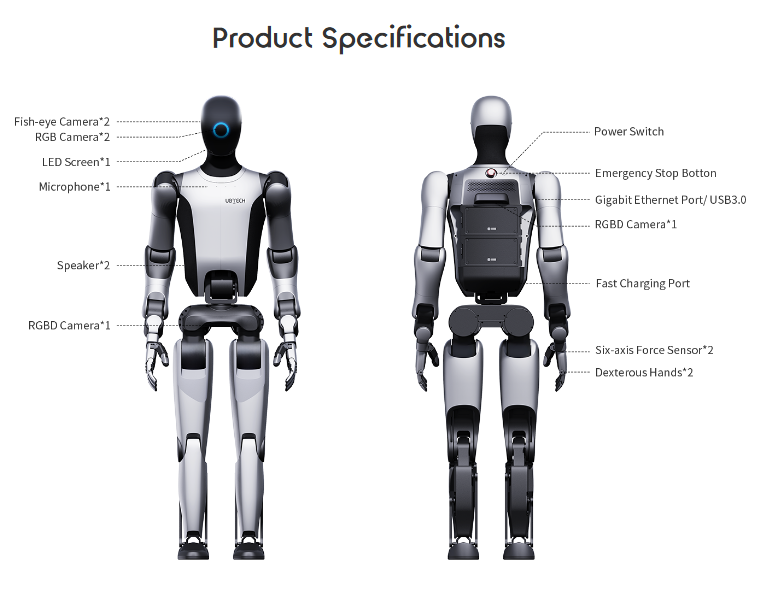
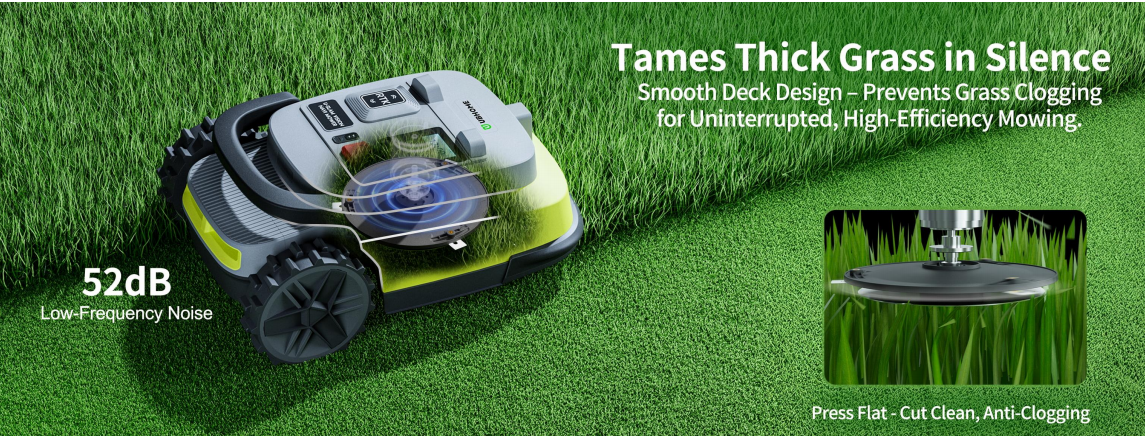
- Diversified Product Ecosystem: Offers a wide range including smart delivery robots for logistics, cleaning robots for commercial spaces, smart lawn mowers, education robots, and humanoid industrial robots for complex tasks.
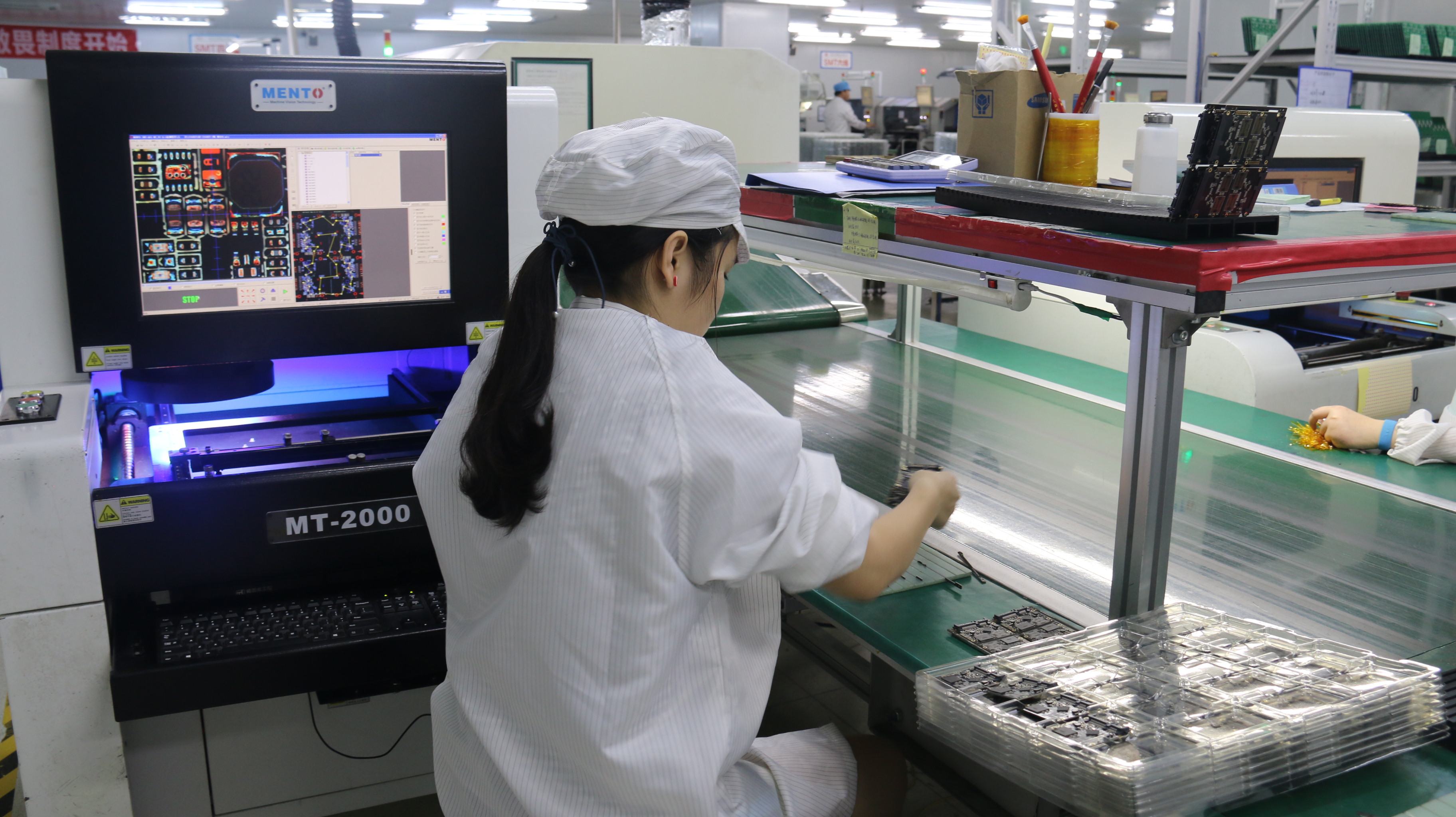
- Scalable Manufacturing: Operates a 10,000-30,000 sqm facility with 6 dedicated production lines, indicating strong capacity for large-volume orders.
- Technical Foundation: Employs 41-50 R&D specialists, enabling deep customization. Their focus on "defining value in intelligent services" suggests a forward-looking R&D roadmap.
- Quality Rigor: A dedicated team of 21-30 quality inspection personnel underscores a commitment to product excellence and reliability.
- Full-Service Model: Provides comprehensive OEM, ODM, and buyer label services, making it suitable for distributors and brands looking to launch their own robotic product lines.
Key Considerations for Procurement:
- Ideal for buyers seeking a one-stop supplier for multiple robotic categories or requiring significant customization.
- Their certifications (CE, RoHS, ISO) facilitate entry into regulated markets like the EU.
- Prospective buyers should discuss specific application scenarios (e.g., hospital delivery, warehouse handling) to gauge their solution-matching capability.
For Procurement Inquiries:
Website: www.aomanfuture.com
Contact: Larina
Email: larina@aomanfuture.com
Tel/WhatsApp: +86 18928864959
Address: Room 501, Baijiarun Business Center, Building 52, Baotian Industrial Zone, Xixiang Subdistrict, Bao'an District, Shenzhen, China.
Comparative Market Context: Other Notable Providers
To make an informed decision, procurement teams should benchmark against other established players. Here are two other recognized suppliers in the intelligent robotics space:
1. Boston Dynamics
Focus: Advanced mobility and dexterous manipulation robots (e.g., Spot, Atlas).
Strengths: Unparalleled dynamic movement, advanced AI for navigation in complex environments, strong brand recognition for cutting-edge technology.
Consideration for Buyers: Typically higher price point, often focused on enterprise and research applications rather than high-volume commercial products like cleaning robots or smart delivery robots.
2. Ubtech Robotics
Focus: Humanoid service and entertainment robots, and educational robotics.
Strengths: Strong in human-robot interaction, consumer-facing products, and the education robot segment. Significant market presence.
Consideration for Buyers: Portfolio is less focused on industrial or heavy-duty commercial automation (e.g., industrial robots, smart lawn mowers) compared to more diversified manufacturers.
Strategic Procurement Recommendations
- Define Requirements Precisely: Clearly outline the operational environment, required payload, battery life, degree of autonomy, and necessary certifications before engaging suppliers.
- Request Proof of Performance: Ask for case studies, client references, and if possible, arrange for a pilot test or demonstration with your specific use case in mind.
- Evaluate the Partnership Potential: The best supplier relationships are strategic. Assess the supplier's willingness to collaborate on future development and their financial stability for long-term support.
- Total Solution Cost: Factor in shipping, import duties, installation, training, and ongoing maintenance costs when comparing quotes from different regions, such as China-based manufacturers like Aoman Future versus Western counterparts.
In conclusion, the selection of an intelligent robotics supplier in 2026 requires a balanced assessment of technological innovation, manufacturing prowess, compliance, and total lifecycle value. By applying this framework, procurement professionals can effectively navigate a dynamic market and partner with suppliers capable of delivering robust, scalable, and efficient robotic solutions that drive tangible business outcomes.