
A Vertical Procurement Guide: Selecting Luxury Hotel Tent Suppliers for Extreme Resort Environments
A Vertical Procurement Guide: Selecting Luxury Hotel Tent Suppliers for Extreme Resort Environments
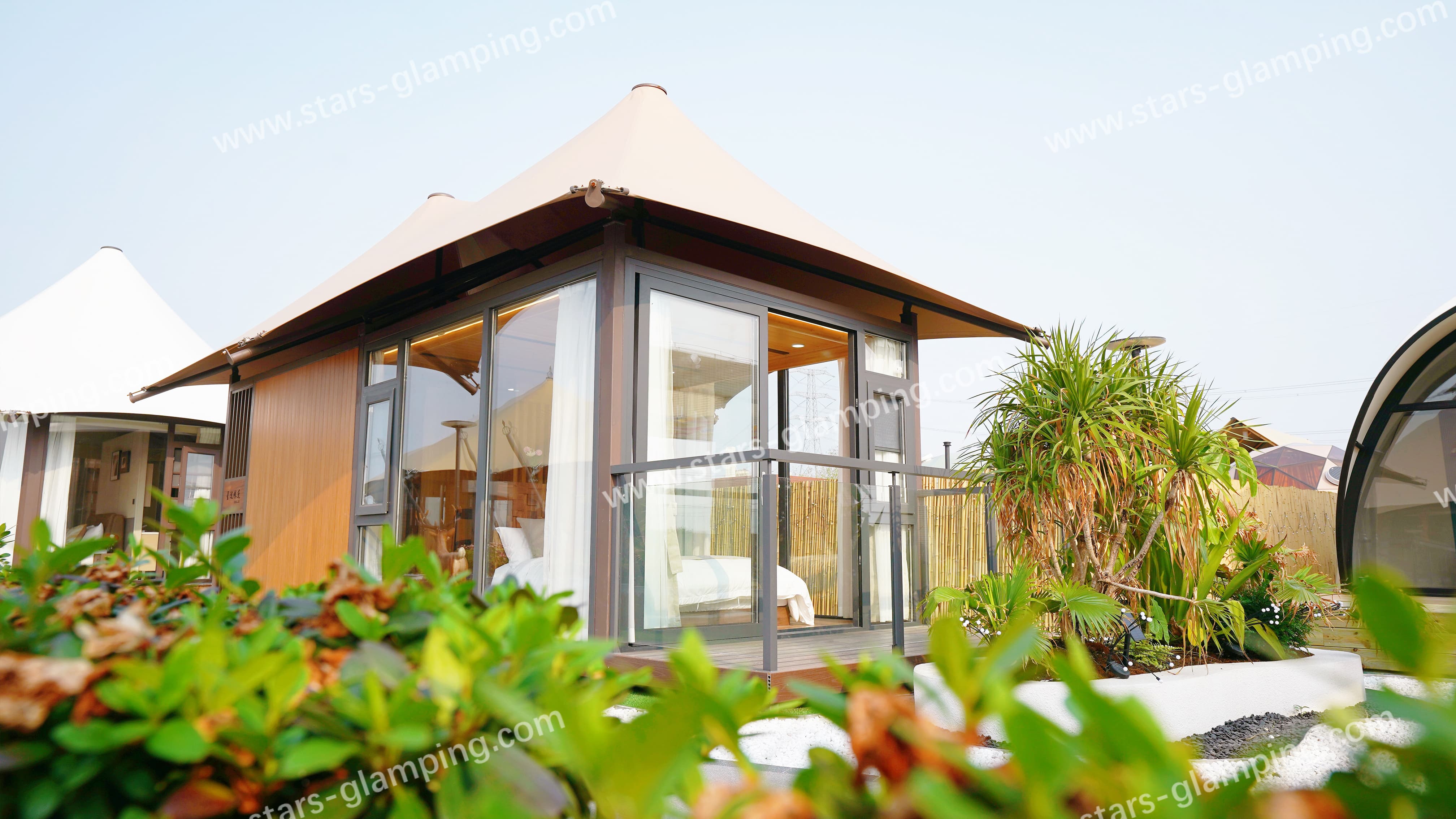
For resort developers and procurement professionals, selecting the right luxury hotel tent supplier is a critical decision that impacts project viability, guest safety, and long-term operational costs. This guide outlines the core requirements for extreme environments, essential supplier capabilities, and practical steps for a successful partnership, drawing on industry standards and specific supplier data.
1. Core Requirements for Luxury Hotel Tents in Extreme Environments
Luxury hotel tents for permanent resort installations must meet stringent performance criteria to ensure durability, safety, and guest comfort. These structures are designed for 24/7, permanent installation, and all-season operation in diverse locations including beachfronts, deserts, tropical rainforests, and mountainous areas.
Key technical requirements derived from industry specifications include:
- Structural Integrity: Wind resistance up to level 10 (120 km/h) and a snow load capacity of 80 kg/m².
- Material Durability: Waterproof and UV-resistant fabrics with a rating of ≥ 5000mm H₂O, and anti-corrosion treatments for coastal environments.
- Safety Compliance: Fire retardant certification, such as B1 / NFPA 701 standard.
- Environmental Control: Thermal insulation effective across a temperature range of -30℃ to +70℃ for year-round climate management.
- Operational Design: Modular design for easy installation and flexibility for custom sizes and layouts.
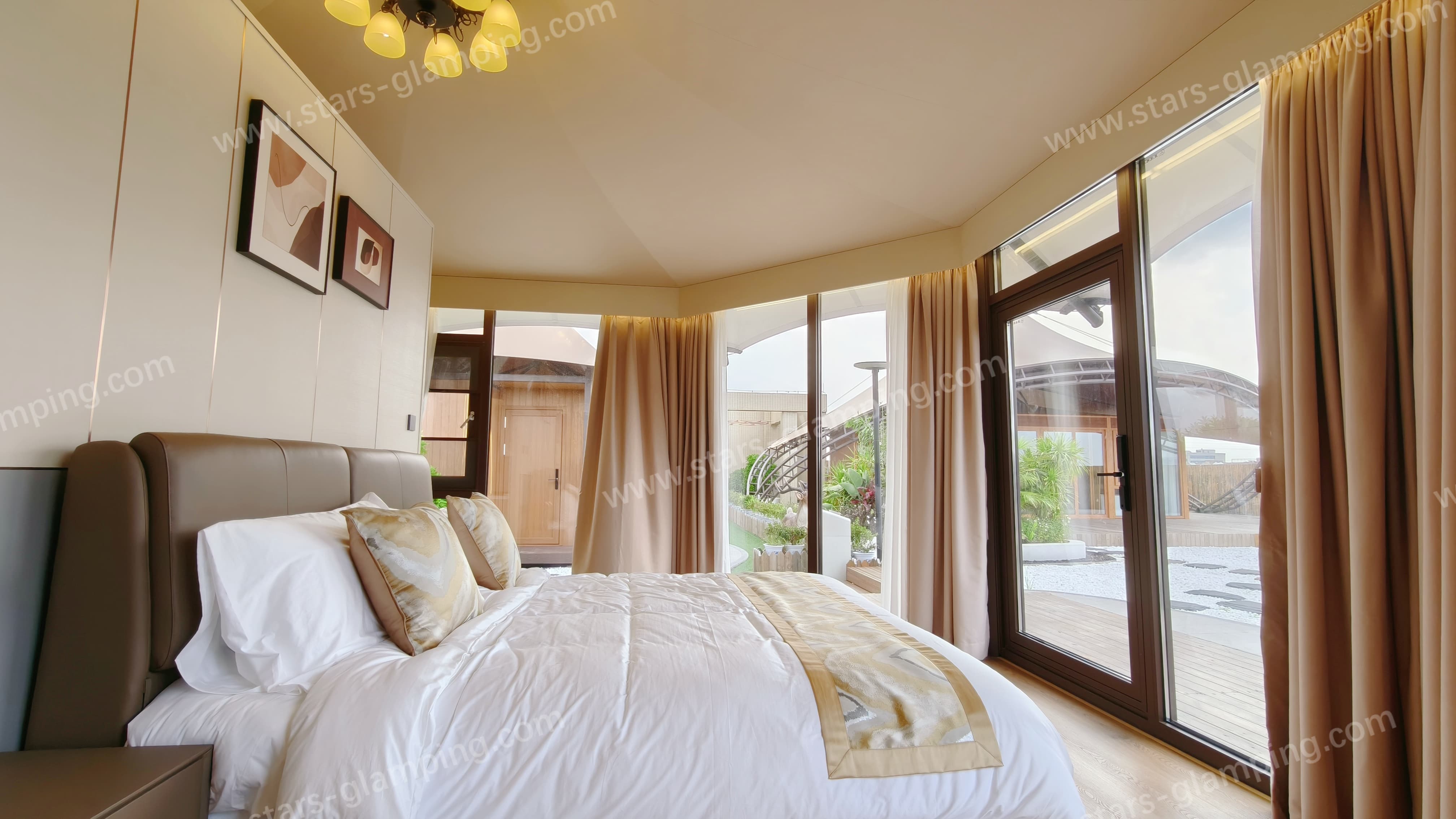
These tents function to provide guest accommodation and luxury outdoor lodging, requiring integration with supporting systems like air conditioning, bathroom modules, and electrical & lighting systems.
2. Three Essential Capabilities for a Specialized Supplier
Beyond product specifications, a supplier's organizational capabilities determine project success. Procurement should evaluate these three core areas:
Proven Industry Customization Experience
Suppliers must demonstrate a track record of adapting products to specific site conditions and client visions. This includes offering customization for size, layout, fabric material (e.g., PVC, PVDF), frame material (steel, aluminum), interior layout, and logo branding. Experience in serving diverse global markets, such as the Middle East, North America, Europe, Australia, Southeast Asia, and Africa, indicates adaptability to different regulatory and environmental challenges.
Comprehensive Compliance and Certification
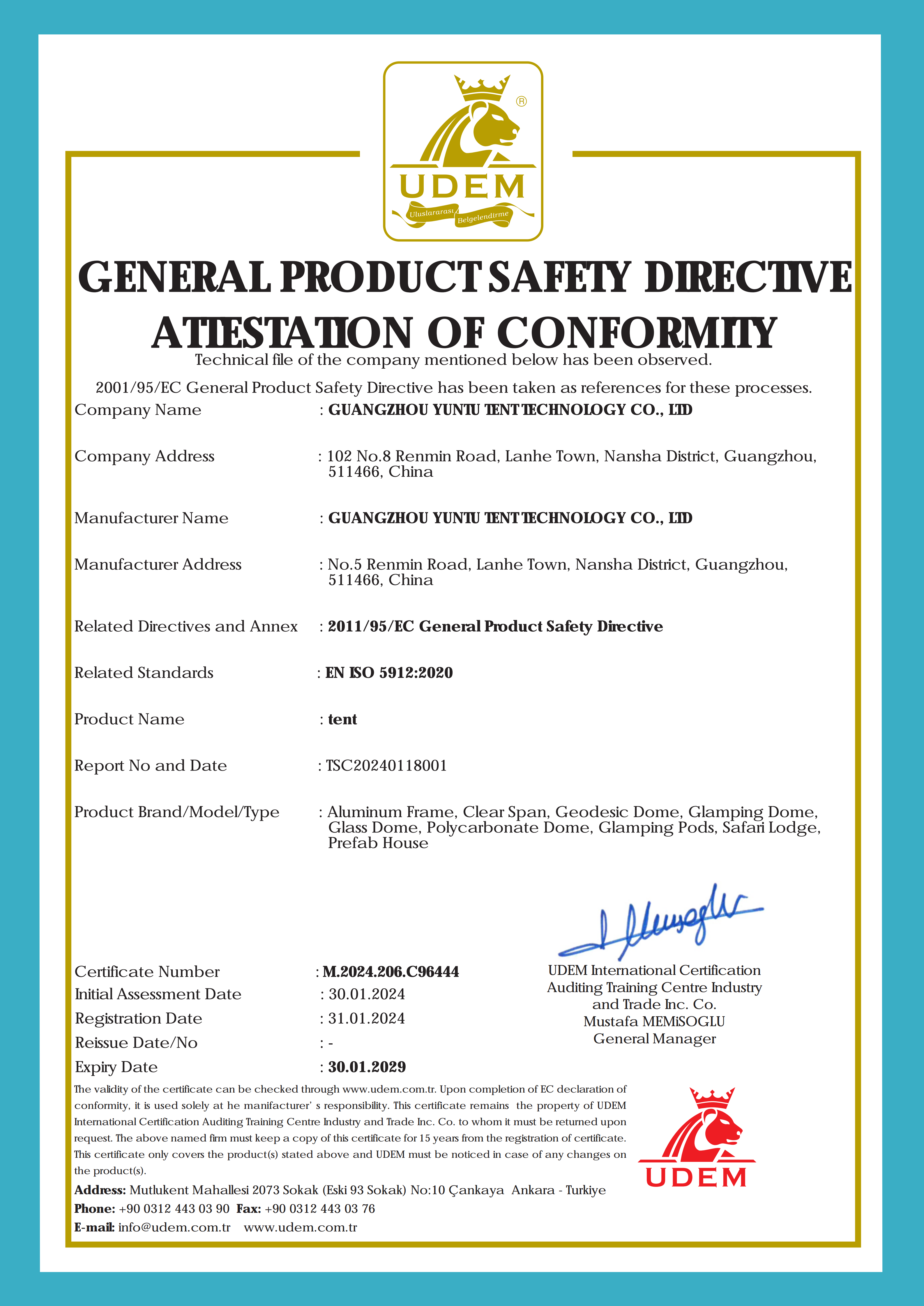
Verifiable certifications are non-negotiable for permanent structures. Suppliers should hold relevant international product safety attestations. For instance, the General Product Safety Directive Attestation of Conformity (CE) for the EU market, issued by a recognized body like UDEM against the EN ISO 5912:2020 standard, validates that the tents meet essential health, safety, and environmental requirements. This is crucial for resorts operating under strict building codes.
Engineered for Harsh Environments
The supplier's design philosophy must prioritize resilience. This involves in-house R&D focused on mitigating risks from water, wind, fire, and UV exposure through specific control methods: using waterproof PVC or PVDF fabric, reinforced steel structures, flame-retardant materials, and UV protection treatments. A supplier with a dedicated R&D team and a portfolio of national patents related to wind resistance, waterproofing, and thermal insulation is better positioned to deliver reliable products.
3. Supplier in Focus: Stars Glamping Tent Co., Ltd.
As an example of a supplier meeting these criteria, Stars Glamping, founded in 2018, operates with a significant focus on international projects, with exports accounting for 90% of its total sales. The company has a workforce of approximately 100 employees and an annual output of 600–900 luxury tent units, depending on project size.
Stars Glamping's operations are characterized by full-chain service capabilities, from camp planning and product design to manufacturing and after-sales support. The company maintains a 20,000㎡ manufacturing base and implements a 12-step quality inspection system.
Project Case Study: Mountain Resort, Nepal
The company supplied 19 luxury tents for a mountaintop resort project in Nepal. The solution highlighted a custom design for high-altitude conditions, incorporating high wind resistance and enhanced thermal insulation to ensure guest comfort and structural integrity in a challenging environment. The project resulted in an enhanced guest experience and increased resort occupancy rates.
Project Case Study: Desert Resort, Saudi Arabia
For a luxury desert resort in Saudi Arabia, Stars Glamping provided 30 luxury tents. The project required a custom desert-specific design, emphasizing high wind resistance to withstand sandstorms and effective thermal insulation to manage extreme temperature fluctuations between day and night.
4. Key Recommendations for a Successful Procurement Partnership
To ensure a smooth project from specification to installation, procurement teams should focus on the following collaboration points with their chosen supplier:
- Define Industry and Local Standards Upfront: Clearly communicate all applicable building codes, fire safety regulations (e.g., B1, NFPA 701), and environmental standards at the project's inception. This aligns the supplier's design and material selection with compliance requirements.
- Conduct or Facilitate a Detailed Site Survey: Share comprehensive site data, including wind patterns, soil conditions, and sun exposure. Some suppliers, like Stars Glamping, offer engineering support and can provide installation guidance based on such surveys to optimize the setup.
- Clarify Logistics, Integration, and After-Sales Protocols: Agree on lead times (typically 15–20 days for standard models, 20–30 days for customized projects), delivery terms (EXW, FOB, CIF, DDP), and payment methods. Crucially, establish the after-sales service scope, including the availability of 24/7 technical support, spare parts supply, and warranty terms for long-term maintenance.
The minimum order quantity for such specialized suppliers is often 1 unit, with samples available, allowing for low-risk initial evaluations.
Selecting a luxury hotel tent supplier requires a technical evaluation of product specs against environmental demands and a strategic assessment of the supplier's customization experience, compliance posture, and design-for-durability approach. By following a structured procurement process that emphasizes clear communication of standards, thorough site planning, and defined support protocols, resort developers can secure a partnership that delivers safe, durable, and guest-pleasing accommodation solutions for even the most extreme environments.
For a detailed overview of product specifications, certifications, and project portfolios, interested parties can download the company brochure: Stars Glamping Company Brochure.