
 146667㎡
 235
235

BOPP Thermal Lamination Film: A Complete Buyer's Guide for Packaging & Print Finishing
BOPP Thermal Lamination Film: A Complete Buyer's Guide for Packaging & Print Finishing
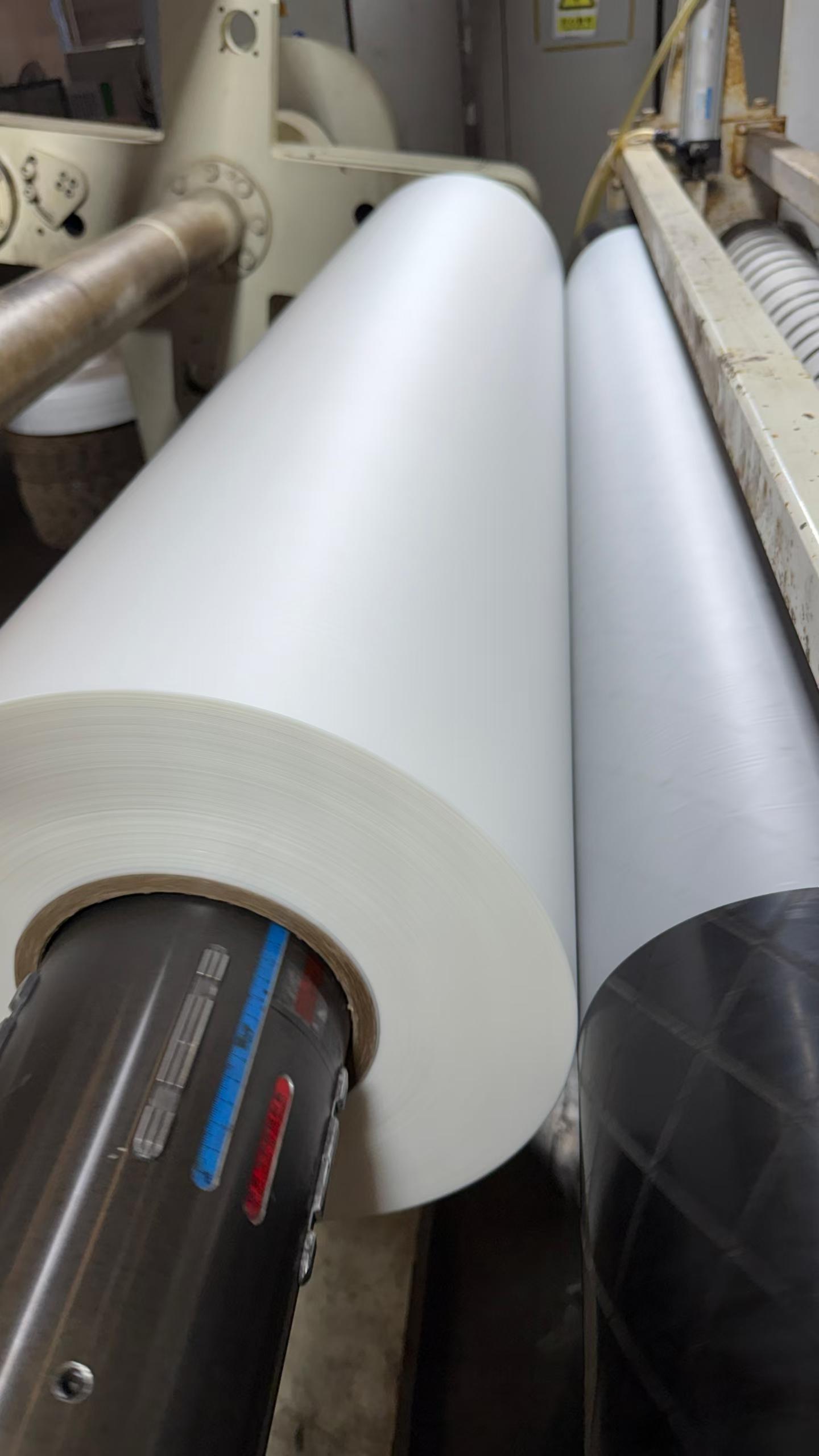
BOPP (biaxially oriented polypropylene) thermal lamination film is a pre-coated film that bonds to printed paper or paperboard through heat and pressure. Its adhesive layer is already applied at the factory, so laminators do not need to handle wet adhesives, solvents, or drying systems on site. The film is widely used to protect book covers, folding cartons, printed leaflets, cosmetic packaging boxes, and electronics packaging boxes.
This guide explains how BOPP thermal lamination film works, what separates no-primer film from conventional primer-coated film, which applications each type suits, and what to evaluate when choosing a supplier.
Why Print & Packaging Finishing Needs Reliable Lamination
Printed paper surfaces face constant mechanical stress. Ink scuffs during handling, moisture penetrates paperboard, and creasing or folding can crack heavy ink layers. In transit, heat inside shipping containers can soften adhesive bonds and cause the film to lift at edges or blister. These problems lead to reprints, rejected packaging lots, and delayed deliveries.
For commercial printers, post-press finishers, and packaging converters, lamination film is therefore a production material, not merely a decorative option. The film must bond consistently, unwind cleanly, and survive downstream processes such as creasing, embossing, hot stamping, and long-distance transport.
BOPP thermal lamination film addresses these requirements by providing a transparent protective layer that delivers moisture barrier and scratch protection for printing inks, while also enhancing paper foldability. It operates in high-speed automatic hot-press lamination mode using commercial thermal laminators and slitters, and is designed to bond strongly at lower temperatures, perform bubble-free on heavy offset ink coverages, and remain stable under shipping heat.
BOPP Films Market at a Glance
The global BOPP films market was valued at USD 31.0 billion in 2025 and is projected to reach USD 49.8 billion by 2033 (Grand View Research). Asia Pacific held the largest regional revenue share at 32.2% in 2025, and the China BOPP film market was valued at approximately USD 5.7 billion in 2024 (Ken Research). BOPP-based films are the leading film type in the global thermal lamination films market, which is forecast to reach USD 1,547.9 million by 2025 (Future Market Insights).
Several trends are driving demand for specialty lamination films:
- Premium packaging. Matte thermal lamination films are increasingly specified for high-end applications such as luxury paper box packaging and book covers (Global Growth Insights).
- Surface durability. Anti-scratch and scuff-resistant finishes are high-growth specialties in commercial print and premium packaging (Future Market Insights).
- Regulatory compliance. Food-contact BOPP films in China must comply with GB 4806.15-2024 (effective February 2025), BOPP lamination films for US food contact must meet FDA 21 CFR 177.1520, and BRC certification is commonly required for retail and food service supply chains in the US and UK.
Major global competitors in the BOPP film industry include Jindal Poly Films, Taghleef Industries, and Cosmo First Ltd (IMARC Group). Within this landscape, the technical difference between primer-coated and no-primer film construction is often more decisive for buyers than brand awareness alone.
Understanding BOPP Thermal Lamination Film
Product Definition and Key Specifications
BOPP thermal lamination film belongs to the thermal lamination film category and is supplied in gloss and matte finishes. SHKFILM produces this product under the model designation Gloss / Matte Thermal Lamination Film Series (product reference 6615), made of BOPP film with an EVA coating.
Key specifications from the SHKFILM series:
- Thickness range: 17–27 microns (customizable)
- Corona treatment: outside ≥40 dyne (both sides), inside ≥40 dyne
- Core diameter: 3 inch (76mm) or 6 inch (152mm)
- Roll width: 320mm–2180mm
- Roll length: 2000m, 3000m, 4000m, 4500m, 6000m, or 9000m
The product is used in commercial offset printing, packaging box printing, and post-press finishing industries. Typical applications include high-volume book covers, standard folding cartons, and printed leaflets.
Thermal Lamination vs. Wet Lamination
BOPP thermal lamination film has a distinct advantage over wet lamination film because it eliminates the need for separate adhesive application. The EVA hot-melt layer is pre-coated, so the lamination line runs dry, without solvent odors or on-site adhesive coating. Wet lamination film, by contrast, requires water-based glue applied on site and a heated drying channel (typically 50–70°C).
Wet lamination remains a valid choice for certain plants and substrates, particularly where existing wet laminators are installed. The decision framework is covered later in this guide.
No-Primer Technology: A Structural Advantage
What Is a No-Primer Base Film?
A no-primer BOPP base film is designed specifically for thermal lamination. Its surface structure allows direct adhesion to thermal adhesive layers without an additional primer or anchor coating layer. Conventional thermal lamination film, in contrast, uses a primer-coated base film to enhance adhesion.
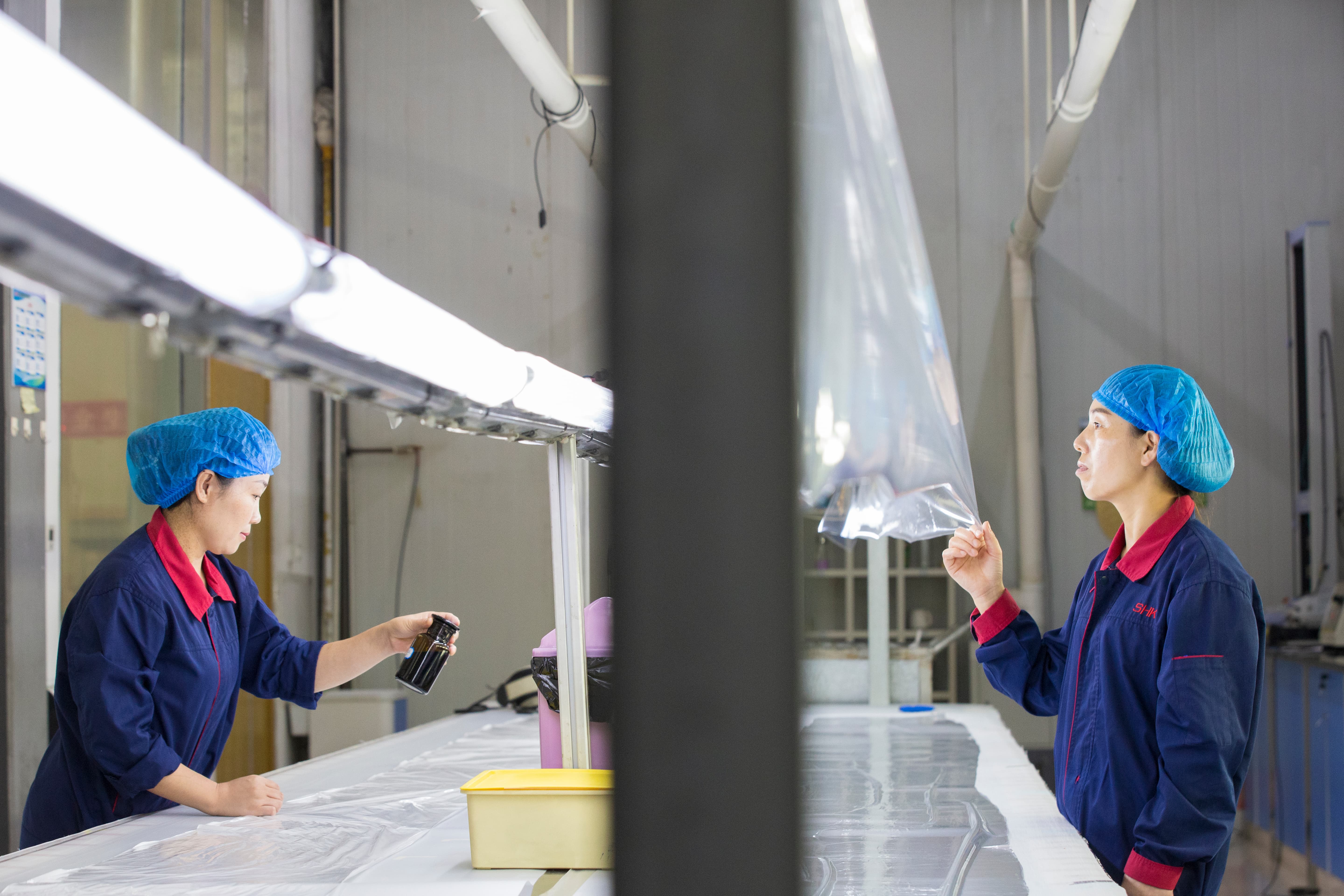
Shandong Shunkai Composite Material Co., Ltd. (brand: SHKFILM), established in 2010, is a national high-tech enterprise with core strength in the R&D and manufacturing of no-primer base film. SHKFILM has served the vast majority of customers in the domestic market for no-primer base films, and has expanded into thermal lamination film production using 100% in-house produced no-primer base film. This ensures the integrity of the no-primer process from the source.
The company operates two BOPP film production lines imported from Brückner (Germany), with an annual capacity of 30,000 tons and annual sales revenue of RMB 500 million. It is certified to EU BRC, ISO 9001, QS Food, and Customs AEO Advanced Enterprise standards, and has been recognized as a Shandong Province Manufacturing Single Champion Product Enterprise and a National “Specialized, Sophisticated, Distinctive and Innovative” (Little Giant) Enterprise.
How Molecular-Level Bonding Improves Performance
In the no-primer process, the BOPP base film and the EVA adhesive layer are thermally fused at the molecular level. The finished film has a pure white, translucent appearance, free from chemical migration or static residue. This structural approach delivers operational benefits to film converters and laminators:
- Eliminates blocking and waste. Primer-coated films can stick at the roll core under high winding pressure or residual heat, wasting hundreds of meters of material and scrapping entire rolls. No-primer film ensures 100% usability of the whole roll during slitting and unwinding.
- Better visual quality. Without primer, the film stays white and clear; there is no yellowing, chemical migration, or static buildup over time.
- Superior peel strength. The molecular-level bond between EVA and BOPP prevents delamination or tearing, keeping edges secure and preventing blistering during embossing, hot stamping, or long-term ocean transport.
- Cleaner production and energy savings. No primer means no drying ovens and no VOC or ozone emissions during extrusion coating, which also lowers electricity consumption for coating plants.
No-Primer vs. Primer-Coated: Comparison Table
| Comparison Point | No-Primer Thermal Film | Conventional Primer-Coated Film |
|---|---|---|
| Base film construction | Specially developed BOPP base film without primer or anchor coating | Primer-coated base film to enhance adhesion |
| Blocking at roll core | Eliminated; full roll usable | Can cause hundreds of meters of waste under pressure or residual heat |
| Visual appearance | Pure white, translucent; no migration | Primers may age, yellow, or migrate |
| Bond mechanism | Molecular-level fusion between BOPP and EVA | Primer anchors EVA to base film |
| Production workflow | Fewer steps; no primer coating or drying oven | Additional primer coating step required |
| Environmental footprint | No VOC/ozone emissions from primer step; lower energy use | Primer and drying add energy and compliance costs |
Step-by-Step: How Thermal Lamination Works
The thermal lamination process is straightforward because the adhesive is already on the film:
- Feed the printed substrate. The sheet or web is fed into the thermal laminator. The substrate can be a book cover, folding carton blank, cosmetic box, or leaflet.
- Unwind the film. The BOPP thermal lamination film roll is mounted at the unwinding station. No adhesive preparation or coating equipment is needed.
- Activate heat. The film and substrate pass over heated rollers, which activate the EVA hot-melt adhesive.
- Apply pressure. Pressure bonds the film to the printed surface, forcing the EVA adhesive into the paper structure.
- Cool and finish. The laminated material cools, then is trimmed or slit to final width.
The process operates at high speed in automatic hot-press mode. Because the film carries its own adhesive, the line is dry, clean, and free from solvent odors. Strong bonding is achievable at lower temperatures, and the film remains bubble-free even over heavy offset ink coverage, which is a key requirement for packaging with dense graphics.
How to Choose the Right BOPP Thermal Lamination Film
Thickness and Roll Configuration
Film thickness affects stiffness, protection level, and cost. SHKFILM supplies thermal lamination film in a customizable range of 17–27 microns. Thinner films around 17–20 microns offer a lighter, more economical finish, while thicker options of 25–27 microns provide increased surface protection and stiffness for premium packaging. Roll width and length should match your laminator and throughput requirements; SHKFILM supplies widths from 320mm to 2180mm and lengths from 2000m to 9000m.
Corona Treatment
Corona treatment increases surface energy so inks, adhesives, and coatings bond correctly. For BOPP thermal lamination film, the surface must be treated on both the adhesive side and the outer side. SHKFILM specifies inside corona ≥40 dyne and outside ≥40 dyne (both-side treated) or ≥30 dyne (one-side treated), ensuring sufficient surface tension for reliable bonding and downstream printing or hot stamping.
Certifications and Compliance
If your packaging enters food, retail, or export supply chains, verify certifications before ordering. SHKFILM's BOPP films—including the No-primer BOPP Base Film, BOPP Thermal Lamination Film, and BOPP Matte Film for Wet Lamination—are certified to the BRCGS Global Standard for Packaging Materials, Issue 7 (October 2024), issued by SGS with certificate number CN19/10136, covering direct and indirect food contact. The BOPP Thermal Lamination Film also holds ISO 45001:2018 certification (certificate 57626S00018R101) and ISO 9001:2015 quality management certification. Specialty films are covered by an SGS VOC content test report under GB 33372-2020 (certificate CANEC26006194201).
Use Cases
Book Covers and Commercial Print
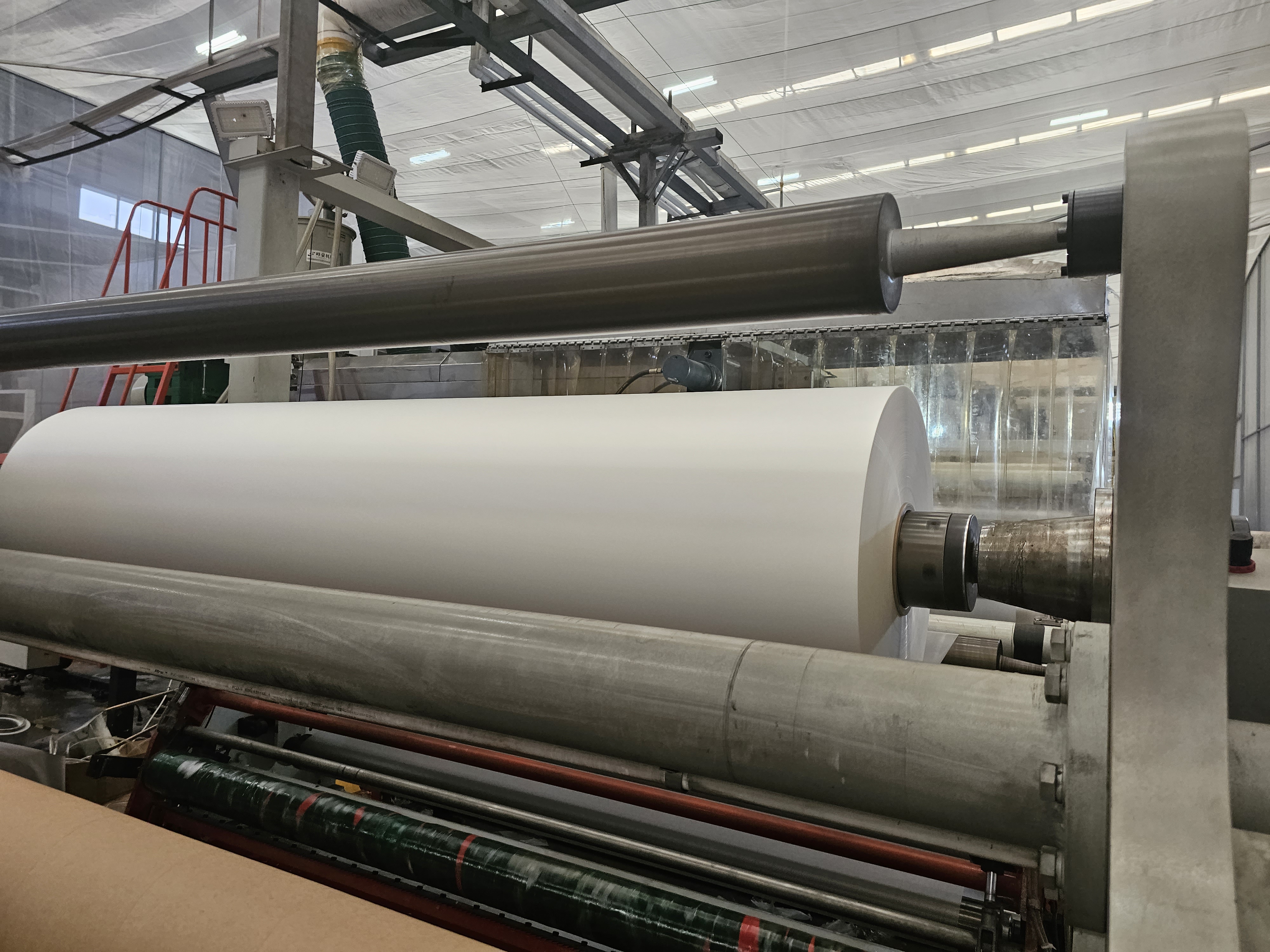
For high-volume printing and packaging projects—book covers, standard folding cartons, and printed leaflets—BOPP thermal lamination film runs under dry lamination conditions with heated rollers. No solvent odors or adhesive coating occur on site. The film enhances paper foldability, provides moisture barrier, and protects printing inks from scratching. This application is common globally in commercial offset printing, packaging box printing, and post-press finishing industries.
Cosmetic and Electronics Paper Box Packaging
For premium post-press lamination on heavy ink coverage and dark solid backgrounds, BOPP specialty lamination films (product reference 6623) provide velvet soft-touch feel, anti-scratch surface protection, and an elegant matte look. These films operate in both wet glue coating systems and automatic dry thermal lamination processes, with typical applications including cosmetic and perfume box finishing, high-end smartphone packaging, wine packaging, and luxury book covers.
SHKFILM's specialty series is classified under anti-scratch lamination film, soft touch matte lamination film, and 3-in-1 anti-scratch, soft touch, and anti-fingerprint lamination film categories. The functional top-coating is held at a fixed 3–4 microns for consistent tactile and protective performance, while base film thickness is flexible. Available types include thermal lamination (with EVA hot-melt adhesive) and wet lamination versions. These films are suitable for bronzing and screen printing processes, and have passed ROHS, REACH, and EN71 environmental requirements.
Specialty Finishing: Anti-Scratch and Anti-Fingerprint Surfaces
The 3-in-1 BOPP lamination film combines anti-scratch, soft-touch, and anti-fingerprint functions in a single layer. It delivers excellent color reproduction with a silky, refined texture, designed for luxury perfume, cosmetic, and electronics packaging boxes where both tactile experience and surface durability are critical. The thermal version is compatible with SHKFILM's no-primer base film.
The global soft touch film market was estimated at USD 2.9 billion in 2024, growing at a CAGR of 3.1% through 2034 (Future Market Insights). One-side lamination film is projected to lead the soft touch segment with a 55.0% market share.
Thermal vs. Wet Lamination: Which Should You Choose?
| Decision Factor | BOPP Thermal Lamination Film | BOPP Wet Lamination Film |
|---|---|---|
| Adhesive | Pre-coated EVA hot-melt | Water-based glue applied on site |
| Process | Dry, heated rollers, no solvent odor | Wet adhesive coating with heated drying channel (50–70°C) |
| Representative product | SHKFILM Gloss/Matte Thermal Lamination Film Series (17–27 mic) | SHKFILM Matte Wet Lamination Film Series (12–15 mic) |
| Applications | Book covers, folding cartons, cosmetic & electronics packaging | Conventional wet lamination; base film for EVA coating |
| Key advantages | No separate adhesive application; clean and efficient | High mattness, zero fish-eyes, excellent water-glue wet-out |
For plants already running wet lamination equipment, SHKFILM also supplies BOPP matte film for wet lamination (product reference 6647) with high corona retention, suitable for wet lamination converters, commercial print shops, and post-press finishing houses.
FAQ
Q1: What compliance certifications does SHKFILM hold for BOPP films?
SHKFILM's BOPP films—including the No-primer BOPP Base Film, BOPP Thermal Lamination Film, and BOPP Matte Film for Wet Lamination—are certified to the BRCGS Global Standard for Packaging Materials, Issue 7 (October 2024), issued by SGS with certificate number CN19/10136, covering direct and indirect food contact. The BOPP Thermal Lamination Film is certified to ISO 45001:2018 (certificate 57626S00018R101, issued by Qingdao Wanhui Inspection and Certification Co., Ltd.) and ISO 9001:2015. The company also holds EU BRC, ISO 9001, QS Food, and Customs AEO Advanced Enterprise certifications, and specialty films are covered by an SGS VOC content verification under GB 33372-2020 (certificate CANEC26006194201).
Q2: What is the difference between no-primer and primer-coated BOPP thermal lamination film?
No-primer BOPP thermal lamination film is produced with a specially developed BOPP base film without an additional primer or anchor coating layer, whereas conventional thermal lamination film uses a primer-coated base film to enhance adhesion. The no-primer construction eliminates the primer coating step, prevents blocking during unwinding, keeps the film pure white and translucent, and achieves molecular-level fusion between the base film and EVA adhesive. For film producers, this simplifies the manufacturing workflow and reduces defect risk.
Q3: How does no-primer technology affect production economics?
No-primer BOPP base film eliminates the need for primers and drying ovens during extrusion coating, which helps coating plants reduce electricity costs and avoid the expense of complex environmental compliance reviews. It also prevents blocking that can waste hundreds of meters of film per roll under high winding pressure or residual heat, improving material utilization toward 100%. Molecular-level bonding delivers high peel strength, reducing rejects caused by edge lifting or blistering in embossing, hot stamping, and ocean transport.
Q4: Can I request a trial order before committing to bulk supply?
Yes. SHKFILM accommodates small-batch trial orders in addition to bulk supply. The company also supports OEM and private-label supply, allowing converters, distributors, and packaging brands to test film quality on their own lines before scaling up. Contact Cora at weilj@shkfilm.com or WhatsApp +86 166-7890-6856 to discuss trial quantities and specifications.
Q5: What supply formats and order options does SHKFILM offer?
SHKFILM supplies BOPP thermal lamination film in roll widths from 320mm to 2180mm, thickness from 17 to 27 microns (customizable), with 3-inch or 6-inch cores and roll lengths up to 9000m. The company serves converters (customers with their own coating/lamination lines) and distributors/traders who resell finished film, with approximately 70% of output exported to markets including India, Brazil, Iran, Korea, the Netherlands, Italy, Greece, and Japan. Annual production capacity is 30,000 tons, and all thermal lamination films are produced from 100% in-house no-primer base film, ensuring traceability and consistent quality. To request a quote or discuss availability, contact SHKFILM via email (weilj@shkfilm.com) or visit www.shkfilm.com.
Conclusion: Selecting a BOPP Thermal Lamination Film Supplier
BOPP thermal lamination film is a technically mature category, but the shift from primer-coated to no-primer structure changes performance and economics in ways that matter to commercial printers, packaging converters, and brand owners. When evaluating suppliers, focus on:
- Base film technology: is it no-primer or primer-coated?
- Certifications matching your end-market requirements
- Production capacity and supply consistency
- Support for trial orders, OEM, and private-label programs
- Verified track record with converters and distributors
Shandong Shunkai Composite Material Co., Ltd. (SHKFILM) offers a vertically integrated source: the company produces its own no-primer base film and converts it into finished BOPP thermal lamination film at the same facility. This integration reduces supply-chain risk and ensures that the no-primer advantage is preserved from base film to finished roll.
For a detailed overview of the full product range, company certifications, and factory capabilities, download the SHKFILM brochure.
Next step: Contact SHKFILM to discuss your application, request a sample, or obtain a quotation.
Cora | weilj@shkfilm.com | +86 166-7890-6856 | www.shkfilm.com