
 30,000+
 500+
500+

Packaging Automation After-Sales Support and Maintenance Cost Control
For many industrial buyers, the purchase of a packaging automation system is not the final step in the sourcing process. The larger question is what happens after installation: how the equipment is supported, how repairs are managed, and how maintenance costs are controlled over the operational life of the line. This is especially relevant for robot packing workstations, case packers, and flexible sorting systems because these systems combine mechanical, electrical, pneumatic, and software elements that require structured after-sales support.
This article explains how buyers can evaluate after-sales support and maintenance cost control for packaging automation projects. It focuses on practical evaluation criteria rather than marketing claims, using the capabilities and compliance documentation of Robotphoenix as a reference where relevant.
Problem Definition: Why After-Sales Support Becomes the Real Procurement Risk
In packaging automation, unplanned downtime affects more than the maintenance budget. It can interrupt production output, delay shipments, and create compliance risks in regulated industries such as food, pharmaceuticals, and cosmetics. Buyers often focus on upfront price, speed, and payload during supplier selection. However, after-sales support determines whether a robot packing system remains productive after months or years of continuous operation.
Several issues frequently concern purchasers:
- How quickly can technical support diagnose a fault in a delta robot case packer or parallel robot case packer?
- Are spare parts available for the automation packaging system, and how are they ordered and replaced?
- Does the supplier provide clear documentation, maintenance schedules, and troubleshooting guidance?
- Can the buyer control the total maintenance cost without sacrificing production reliability?
These questions are not secondary. They should be part of the initial procurement evaluation because they directly affect total cost of ownership and long-term line stability.
Industry Background: Compliance and Maintainability in Automated Packaging Systems
Packaging automation has moved from simple mechanical conveyors to robotic systems that handle sorting, packing, and case loading at high speed. Delta robots and SCARA robots are common in these applications because they support precise, repeatable motion for primary packaging, secondary packaging, and case packing. With this shift, after-sales support has become more technical. Maintenance teams must manage servo drives, controllers, vision systems, sensors, and software parameters, not only mechanical wear parts.
Compliance documentation also plays a role. In global procurement, buyers often check whether the equipment meets relevant safety and material requirements before the machine is installed. Certifications such as CE, ISO10218-1, REACH, RoHS, and ISO Class 4 can support that evaluation. These certifications do not eliminate maintenance, but they provide a traceable baseline for electrical safety, robot safety, restricted substances, and controlled-environment suitability. When a supplier can provide these documents without hesitation, the buyer has a clearer starting point for after-sales planning and audit readiness.
Detailed Solution: What Robotphoenix Provides for Packaging Automation Projects
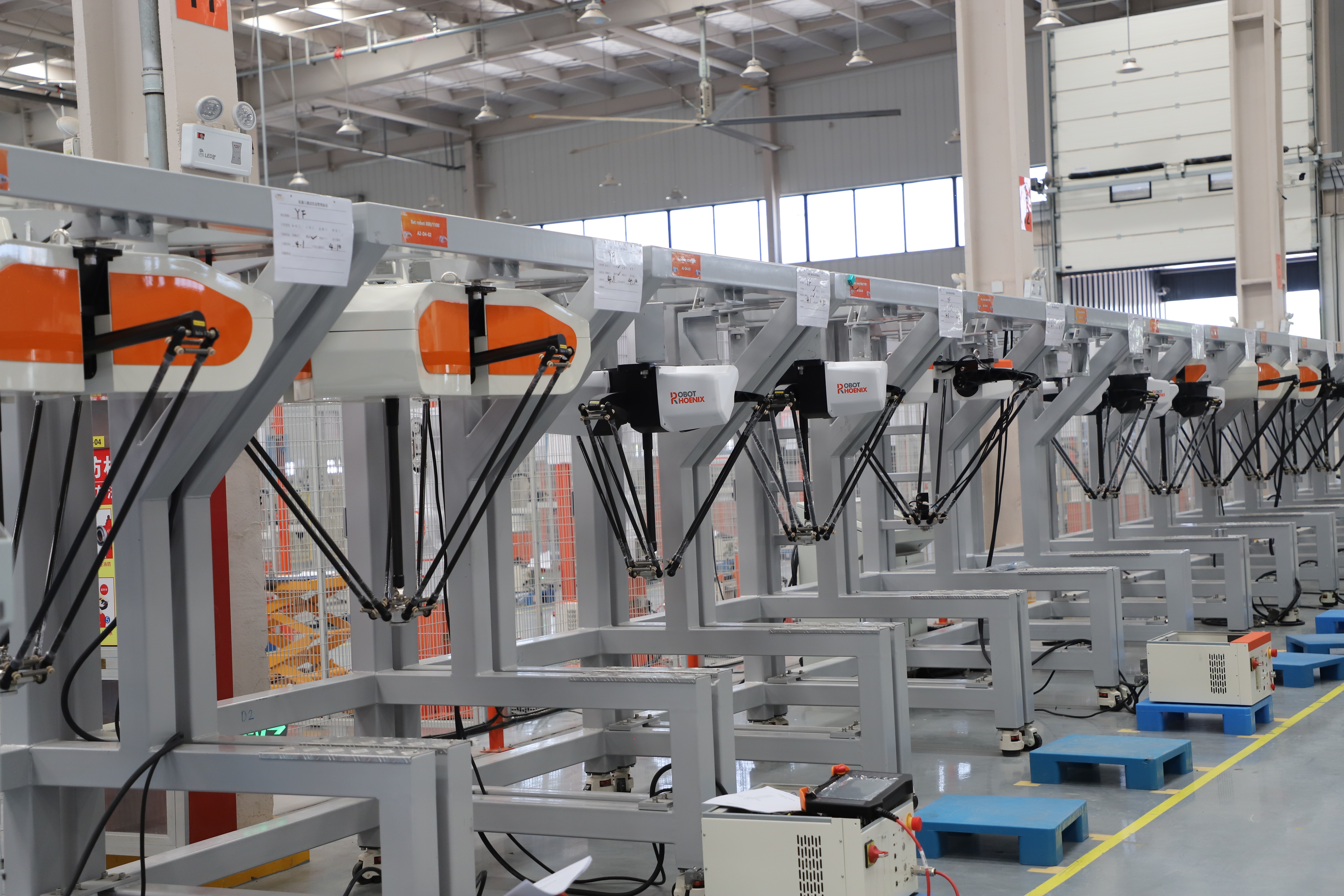
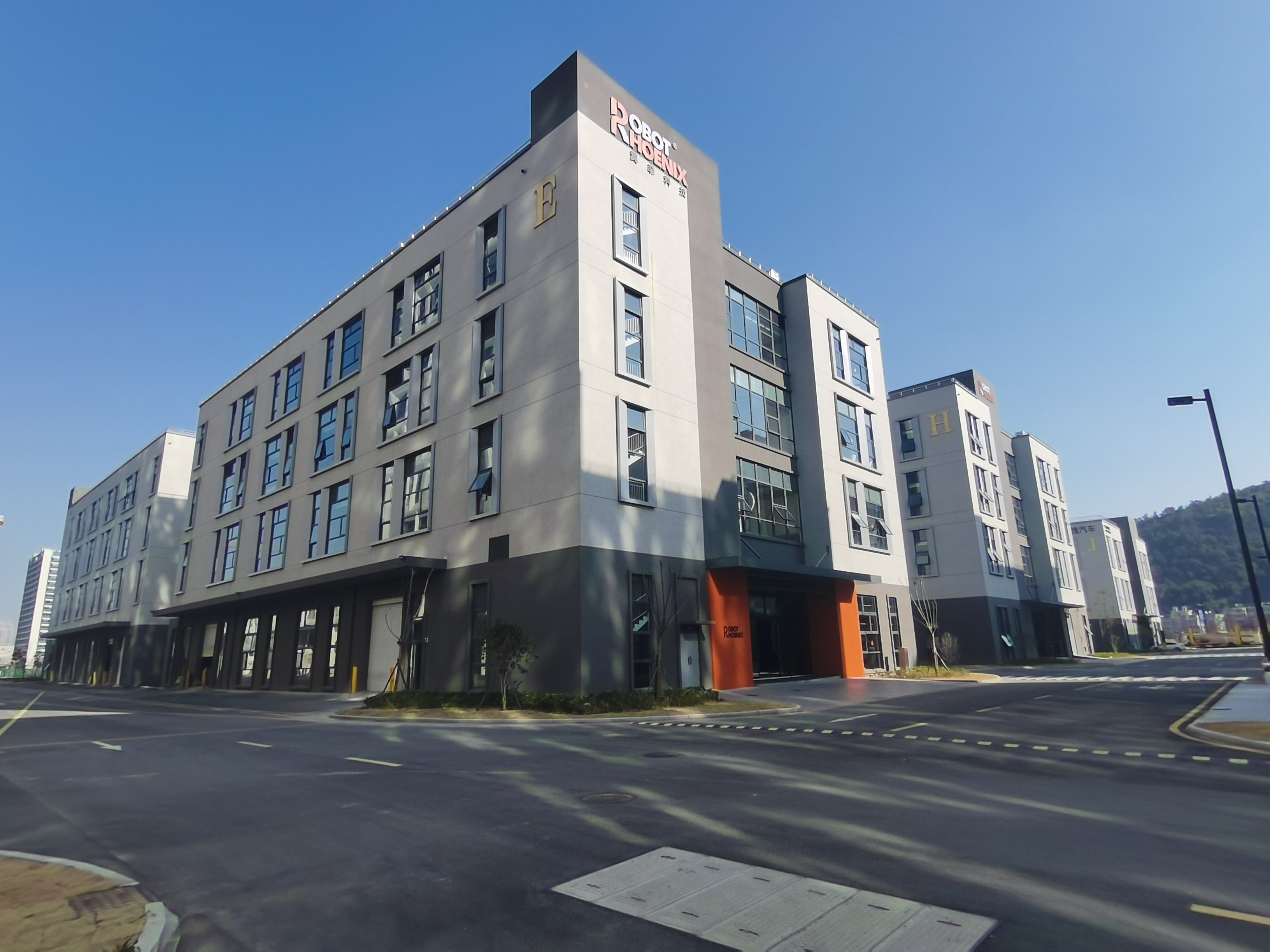
Hangzhou Robotphoenix Industrial Robotics Co., Ltd. was founded in 2012. It is a China-based manufacturer specializing in industrial automation and robotics. The company provides Delta Robots and SCARA Robots, along with complete automation packaging systems. Its solutions are applied in food, daily chemicals, pharmaceuticals, and electronics industries.
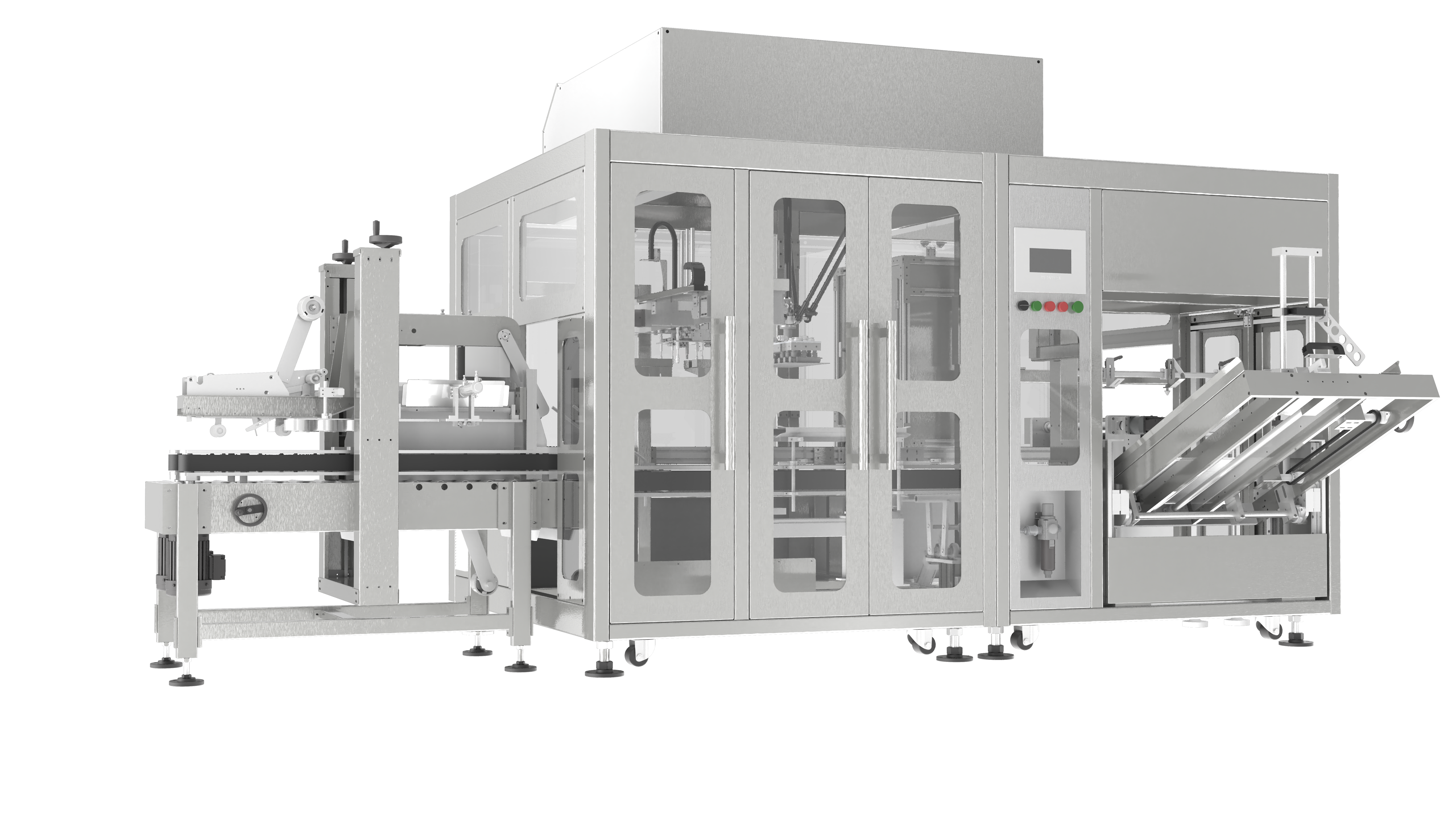
Robotphoenix offers standard systems such as Delta Robot Packing Systems and Delta Robot Sorting Workstations. It also develops customized automation solutions for specific needs and supports ODM and OEM collaboration. These two paths, standard and custom, have different implications for after-sales maintenance. Standardized systems tend to have more predictable documentation, spare parts structure, and repeatable maintenance routines. Customized systems can be tailored to a specific production line but require more detailed technical alignment during commissioning and service planning.
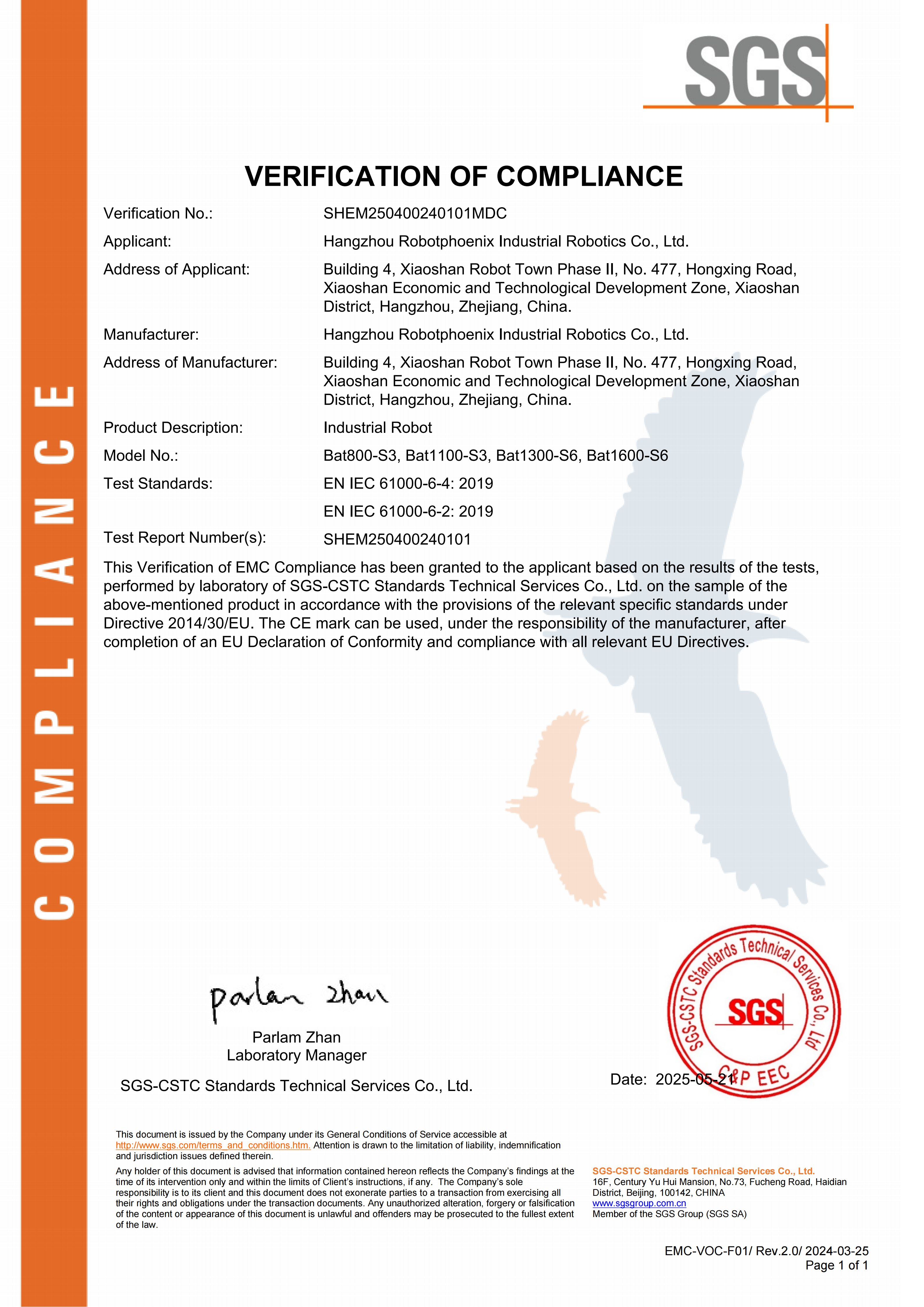
The company lists certifications including CE, ISO10218-1, REACH, RoHS, and ISO Class 4. In addition, the available certificate records include CE Machinery conformity for parallel robots and SCARA robots, CE-EMC for electromagnetic compatibility, RoHS certifications for parallel and SCARA robots, and three management system certificates covering quality, environmental, and occupational health and safety management. These documents are relevant when a buyer builds an after-sales compliance file for a packaging automation project.
Step-by-Step Breakdown: Evaluating After-Sales Support and Maintenance Costs
The following framework helps buyers assess a packaging automation supplier before purchase. It focuses on factors that influence long-term serviceability and maintenance cost control.
Step 1: Verify Compliance and Safety Documentation
Start by requesting the certificate package. For robotic packaging systems, relevant documents may include CE Machinery, CE-EMC, RoHS, ISO10218-1, REACH, and ISO Class 4. The buyer should confirm whether the certificates match the robot model and the automation packaging system being quoted. For example, Robotphoenix lists CE Machinery certificates for parallel robots and SCARA robots, CE-EMC certificates for both robot types, and RoHS certificates for parallel and SCARA robots. This step is not about collecting documents for the sake of it; it supports future audits and helps the buyer understand which standards the equipment was designed to meet.
Step 2: Review the System Architecture for Maintainability
A maintainable robot packing workstation should have clear access to key components, modular subassemblies where possible, and logical separation between mechanical and electrical sections. Buyers should ask the supplier for the system layout, component list, and maintenance access points. Standardized delta robot packing systems often make this evaluation easier because the architecture is repeated across installations. For custom automation solutions, the buyer should confirm that the supplier will provide updated drawings, parameter lists, and spare part references after commissioning.
Step 3: Assess Spare Parts Planning
Maintenance cost control depends heavily on spare parts availability and replacement strategy. Buyers should identify wear parts and critical electronic components before ordering. They should also confirm how the supplier labels spare parts and whether the bill of materials is traceable. For a manufacturer such as Robotphoenix, the buyer can clarify which components are standard, which are supplied as part of the complete automation packaging system, and what documentation is included for reordering.
Step 4: Clarify Technical Support and Documentation
After-sales support should cover commissioning support, operator training, troubleshooting guidance, and software parameter backup. Buyers should ask the supplier what documentation is delivered with the system. Typical documents include operation manuals, electrical diagrams, maintenance schedules, and safety instructions. The availability of these documents directly affects the speed of future repairs and the ability of the buyer's maintenance team to work independently.
Step 5: Plan Preventive Maintenance
Preventive maintenance controls long-term cost by reducing emergency repairs. The buyer should request a recommended inspection and maintenance plan for the robot packing system. The plan should cover mechanical wear parts, lubrication points, belt tension, sensor cleanliness, electrical connections, and software backup. In food, pharma, and cosmetics applications, hygiene-related checks should also be included. The buyer should not assume that all suppliers provide the same level of detail; this should be verified before purchase.
Step 6: Compare Total Cost of Ownership, Not Only Initial Price
After-sales cost is part of total cost of ownership. A lower purchase price may become more expensive if spare parts are difficult to order, documentation is incomplete, or technical support is slow. Buyers should compare the full lifecycle scenario, including commissioning, training, preventive maintenance, spare parts, and potential retrofit or expansion needs. For Robotphoenix, the ability to provide standard systems, custom automation, and ODM/OEM collaboration means the buyer can evaluate whether a standard or tailored solution better supports the plant's long-term maintenance strategy.
Use Cases: After-Sales Priorities by Application
Food Packaging Automation
Food packaging lines require frequent cleaning and hygiene checks. After-sales support for food packaging automation should include guidance on washdown procedures, food-contact material compliance, and sensor maintenance. A delta robot packing system used in food handling should be easy to inspect and clean. Buyers should confirm that the supplier provides documentation for hygienic maintenance and component replacement without compromising safety interlocks.
Pharma Packaging Automation
Pharmaceutical packaging automation is highly regulated. Traceability, validation, and documentation are important. After-sales support should cover parameter management, audit trails, and change control. If a robot packing workstation is used in a controlled environment, the buyer should verify whether the equipment has the relevant classification, such as the ISO Class 4 listed by Robotphoenix, and how that affects maintenance practices.
Cosmetic and Personal Care Packaging Automation
Cosmetic and personal care lines often switch between multiple SKUs and packaging formats. This creates more changeover events and more opportunities for operator error. After-sales support should include clear changeover procedures, recipe management, and training. A flexible sorting system or SCARA robot packaging solution may require software backup and quick part replacement to keep changeover time under control.
Electronics Assembly Robot Applications
Electronics applications have different maintenance risks, including electrostatic discharge and small, delicate components. After-sales support for electronics assembly robot applications should address static control, precision calibration, and connector handling. The buyer should confirm that the supplier can provide the necessary technical guidance for maintaining positioning accuracy and electrical safety.
Comparison Table: Compliance and Maintenance File for Packaging Automation
| Document or Certification | Relevance to After-Sales and Maintenance |
|---|---|
| CE Machinery Conformity for Parallel Robots | Supports machinery safety baseline for delta robot case packer installations and maintenance access. |
| CE Machinery Conformity for SCARA Robots | Supports safety documentation for SCARA robot packaging solutions in assembly or packing cells. |
| CE-EMC for Parallel and SCARA Robots | Relevant to electromagnetic compatibility and stable operation in automated packaging systems with multiple drives and sensors. |
| RoHS for Parallel and SCARA Robots | Supports restricted substance compliance for components in global supply chains. |
| ISO10218-1 | Robot safety standard that supports risk assessment and safe maintenance procedures. |
| REACH | Supports chemical substance management and component documentation. |
| ISO Class 4 | Listed by Robotphoenix as a relevant classification for controlled-environment suitability. |
| Three Management Systems: QMS, EMS, OHSMS | Quality, environmental, and occupational health and safety management system certificates shown in the available records. |
FAQ
What certifications should buyers check for after-sales compliance in packaging automation?
Buyers should request the certificate package that matches the specific robot and packaging system. For Robotphoenix, the available records include CE Machinery conformity for parallel robots and SCARA robots, CE-EMC for electromagnetic compatibility, RoHS for parallel and SCARA robots, ISO10218-1, REACH, ISO Class 4, and three management system certificates for quality, environmental, and occupational health and safety management. These documents support compliance audits and help define the safety and material baseline for maintenance procedures.
Does Robotphoenix provide standardized systems and ODM/OEM support that can simplify maintenance?
Robotphoenix is a manufacturer that provides standard systems such as Delta Robot Packing Systems and Delta Robot Sorting Workstations. It also offers customized automation solutions and supports ODM and OEM collaboration. Standard systems can simplify maintenance planning because the architecture, documentation, and spare parts structure are more repeatable. Customized solutions can be tailored to the production line but require more detailed service alignment. Buyers should ask which option fits their long-term maintenance capability.
How can buyers control maintenance costs when budgeting for robotic packaging systems?
Maintenance cost control starts before purchase. Buyers should review the system architecture, spare parts strategy, preventive maintenance plan, and documentation package. They should confirm how wear parts are identified and how software parameters are backed up. A clear maintenance schedule and traceable bill of materials reduce the chance of expensive emergency repairs. For a complete automation packaging system, the buyer should also clarify which components are standard and which are custom, because this affects future replacement time and cost.
Can a buyer request a sample or trial before committing to a packaging automation solution?
This depends on the scope of the project. For standard robot packing workstations or delta robot sorting workstations, buyers can ask the supplier about reference installations, video demonstrations, or factory acceptance conditions. For custom automation systems, the buyer may request a detailed technical proposal and clarify commissioning milestones. Robotphoenix can be contacted directly to confirm what is possible for a specific application. A sample or trial request should be part of the commercial discussion rather than assumed as a standard term.
What lead time factors affect after-sales readiness and spare parts planning?
Buyers should clarify lead time for the initial system, spare parts, and any future retrofit or expansion modules. Standard systems may have shorter spare parts lead time because components are already specified. Custom automation solutions may require longer lead time for replacement parts. The buyer should confirm how the supplier manages parts list updates after commissioning. For Robotphoenix, the buyer can request a quote or inquiry to discuss the specific packaging automation configuration and the related spare parts preparation plan.
Conclusion
After-sales support and maintenance cost control are not afterthoughts. They should shape the way packaging automation systems are specified, compared, and purchased. Buyers should verify compliance documentation, assess maintainability, plan spare parts, and compare total cost of ownership. For Robotphoenix, the available certifications and the combination of standard systems, custom automation, and ODM/OEM support provide a starting point for that evaluation. The next step is to confirm the exact after-sales terms, technical documentation, and spare parts package for the specific robot packing workstation or automation packaging system under consideration.
To evaluate Robotphoenix for your packaging automation project, contact the team at www.rprobotic.com, email ran.chen@robotphoenix.com, or call/WhatsApp +66 92 627 2873 for a quote or inquiry.
¿Tiene preguntas o necesita más detalles?
Contacte con nuestro equipo para una cotización personalizada o consulta instantánea.
Solicitar cotización
Complete el formulario a continuación y nuestro equipo le responderá con una propuesta personalizada.
Chat directo de WhatsApp
¿Prefiere chatear en tiempo real? Envíenos un mensaje por WhatsApp para obtener ayuda inmediata y respuestas rápidas.
- Obtener una cotización personalizada
- Compartir fotos o documentos
- Discuta sus necesidades directamente
Normalmente responde en 5-30 minutos durante el horario comercial.