 30,000+
 500+
500+

Controlling Industrial Robot Procurement Costs Without Sacrificing Quality
Controlling Industrial Robot Procurement Costs Without Sacrificing Quality
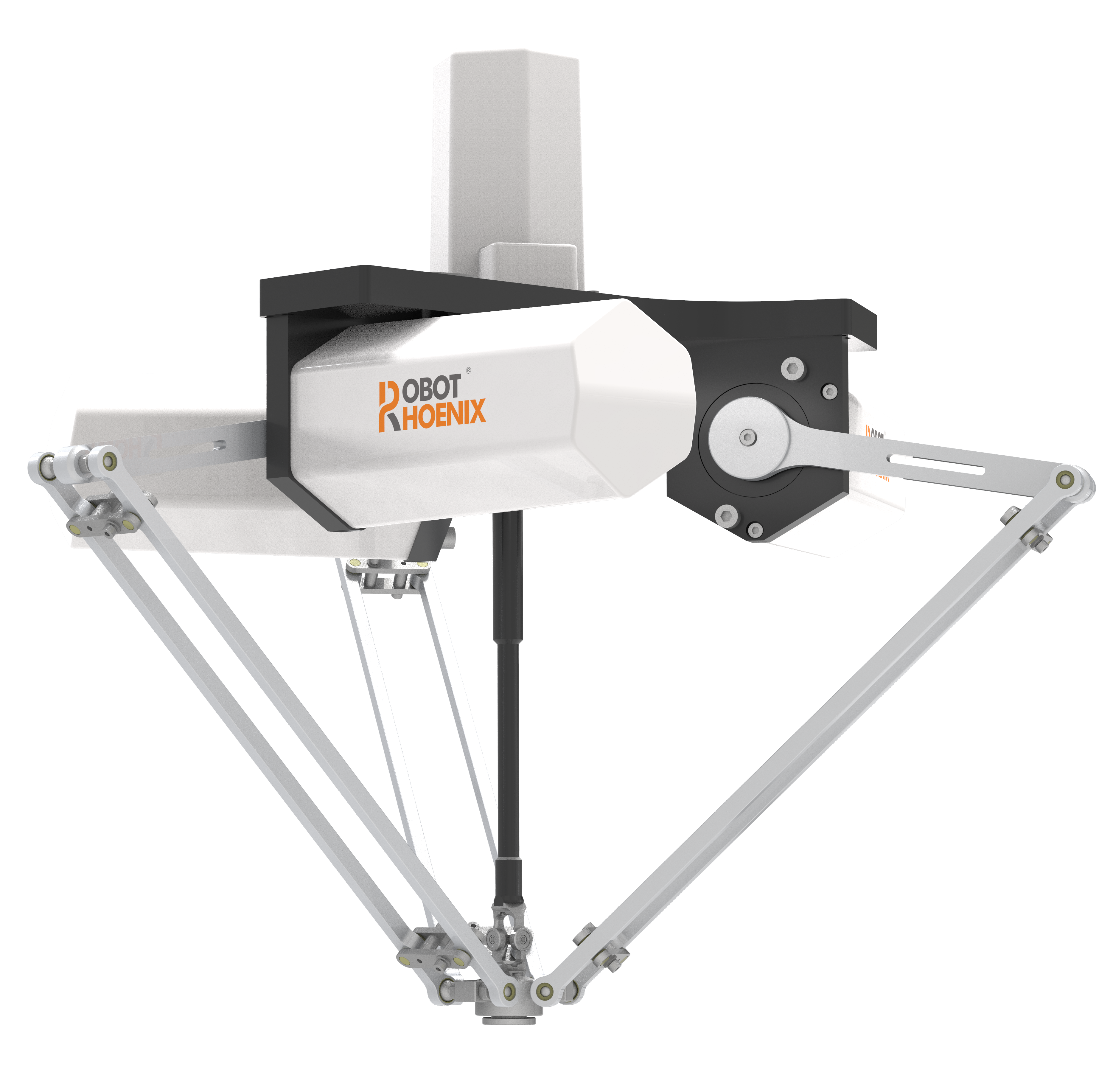
Delta Robot Bat360-S1 from Robotphoenix — a parallel robot model used in sorting and packing automation.
Industrial robot procurement cost is not the same as the purchase price. For buyers who need Delta robots, SCARA robots, or complete packaging automation, the real objective is to control total cost while keeping performance, compliance, and reliability intact. A lower-priced robot is not a good deal if it creates hidden costs in integration, testing, certification, or downtime. This guide explains how to evaluate quality early, avoid hidden cost drivers, and choose a supplier that supports both cost control and production requirements.
Robotphoenix, officially Hangzhou Robotphoenix Industrial Robotics Co., Ltd., is a China-based manufacturer founded in 2012. The company specializes in Delta robots and SCARA robots, as well as complete automation packaging systems. Its product portfolio covers standardized systems such as Delta Robot Packing Systems and Delta Robot Sorting Workstations, and it supports customized automation and ODM/OEM collaboration. This article uses Robotphoenix as a reference example while keeping the focus on buyer decision logic.
Problem Definition: When Cost Pressure Meets Quality Risk
Procurement teams in food, daily chemicals, pharmaceutical, and electronics industries are under constant pressure to reduce automation costs. At the same time, an industrial robot that fails in production creates cost that can exceed the original saving: line stoppages, rejected product, missed delivery dates, safety reviews, and emergency part replacement. The challenge is not only how to spend less; it is how to spend less without lowering the performance and compliance the production line depends on.
In this context, quality is broader than the robot arm. It includes the robot model, the compliance evidence, the factory process, the ability to integrate with the packaging line, and the supplier's after-sales response. A quality-first cost-control strategy treats all of these as part of the purchase decision.
Industry Background: Industrial Robot Sourcing Has Changed
Industrial robot buyers today can choose from global manufacturers, regional integrators, and specialized China-based manufacturers. This wider supply base can reduce the initial price of a Delta robot, parallel robot, or SCARA robot. It also increases the need for verification. When many suppliers offer similar-looking machines, the buyer's advantage comes from comparing documentation, certifications, production capability, and system scope, not from assuming all machines are equal.
Delta robots, often called parallel robots or spider robots, are widely used in high-speed pick-and-place and sorting tasks. SCARA robots are widely used in assembly and handling tasks that need repeatable vertical motion. For packaging production lines, the choice between a delta robot and a SCARA robot should be driven by the product, the speed requirement, and the layout of the line. The cheapest robot is the one that fits the process without extra reach, extra axes, or unnecessary complexity.
Detailed Solution: Six Cost Levers That Protect Quality
Cost control in industrial robot procurement is not about finding the lowest quote. It is about removing cost that does not add value. The following six levers are practical for Delta and SCARA robot buyers.
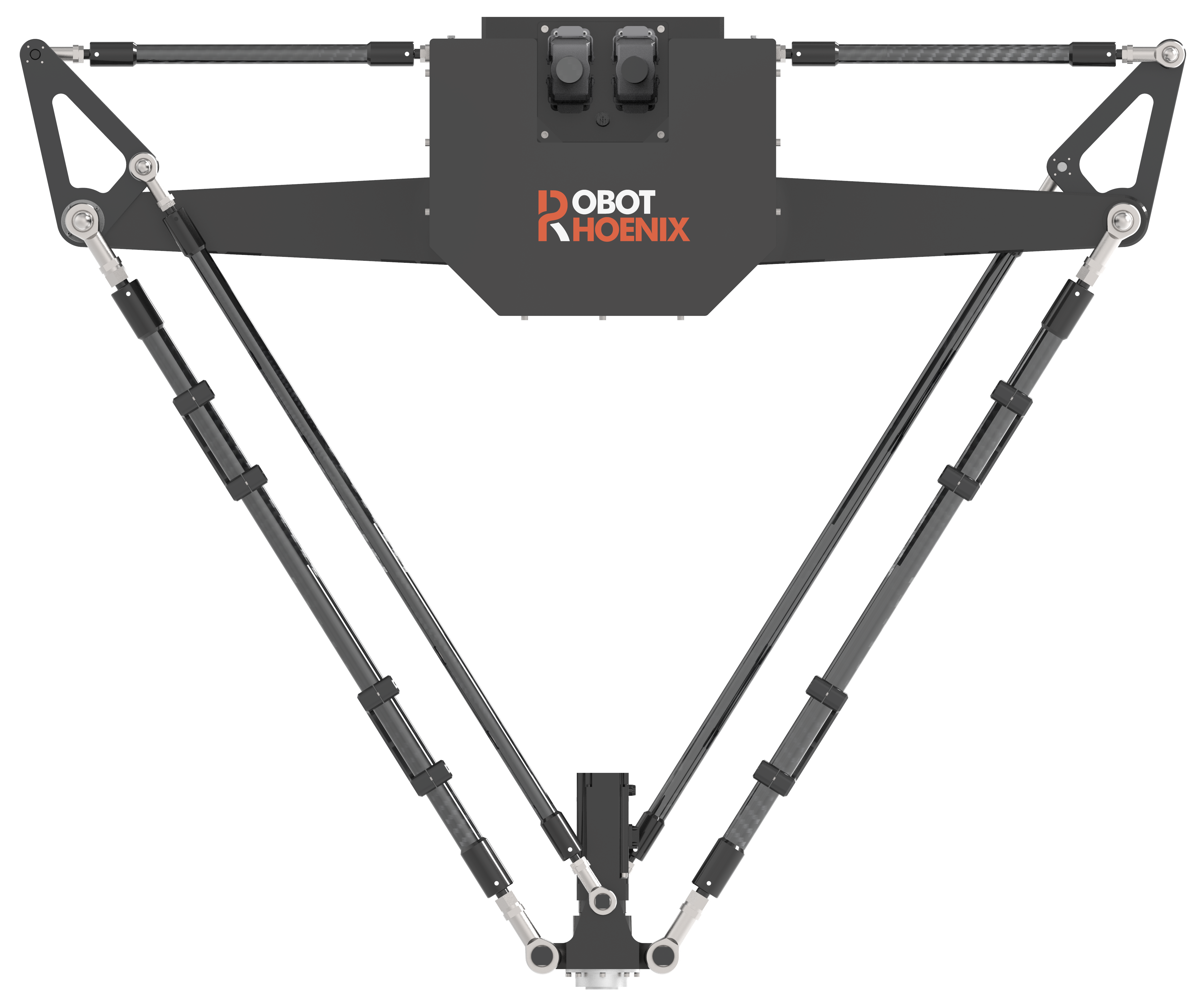
Delta Robot Bat1300N-S20 is part of the Robotphoenix Delta robot portfolio.
1. Start With a Standardized Robot Platform
For packaging and sorting applications, standardized Delta robot models reduce both engineering time and procurement cost. Robotphoenix offers a portfolio that includes Delta robot models such as Bat360-S1, Bat600C-S3, Bat800-S3, Bat1100-S3, Bat1300-S6, Bat1600-S6, and Bat2000M-S15, as well as standardized systems such as Delta Robot Packing Systems and Delta Robot Sorting Workstations. When a standardized model meets the reach, payload, and cycle-time requirement, the buyer avoids custom-engineering fees and inventory complexity.
2. Make Compliance Part of the Technical Specification
Quality begins with documentation. A robot supplier should be able to demonstrate that its products meet international requirements. Robotphoenix states that its robots are certified by CE, ISO10218-1, REACH, RoHS, and ISO Class 4. Buyers can request copies of these certificates before placing an order. If a supplier cannot provide compliance evidence, any initial price advantage may disappear during customs clearance, machine inspection, or end-user audit.
3. Evaluate the Supplier's Manufacturing and Management System
A quality robot is not judged only by a photo. Production stability is influenced by the factory environment, quality management, and supplier processes. Robotphoenix holds Three Management Systems certification covering QMS, EMS, and OHSMS. This kind of evidence supports a buyer's audit and reduces the cost of supplier qualification.
4. Match the Robot Type to the Motion Task
Using one robot for every station is rarely the lowest-cost strategy. A Delta robot is designed for high-speed pick-and-place and sorting. A SCARA robot is suited to assembly and handling tasks that need a stiff arm moving mainly in a horizontal plane. Robotphoenix produces both Delta and SCARA robots, which allows a buyer to compare the two architectures within one supplier relationship. Choosing the correct type avoids paying for unnecessary reach, axes, or complexity.
5. Include Integration and Packaging Systems in the Cost Model
A bare robot is only one line item. The cost of conveying, guarding, software, pickup tooling, changeover, and commissioning can exceed the robot itself. That is why complete packaging systems matter. Robotphoenix focuses on key processes in packaging production lines such as sorting and packing, and provides standardized systems plus customized automation solutions. Cost control improves when integration is considered at the same time as robot selection, not after.
6. Use ODM/OEM Collaboration When It Aligns With Your Strategy
For buyers who resell robots under their own brand or integrate automation into their own equipment, ODM and OEM collaboration can reduce product development cost and speed up time to market. Robotphoenix supports ODM and OEM collaboration. This is not a reason to lower technical standards; it is a way to convert an existing manufacturing capability into a lower-risk route to market.
Step-by-Step Breakdown: A Repeatable Cost-Control Process
- Define the task before comparing prices. Identify the product, line layout, required motion, environment, and packaging target. This prevents over-specifying and creates a fair comparison basis.
- Select the robot architecture. For high-speed sorting and pick-and-place, evaluate a Delta robot. For assembly and handling with repeatable vertical motion, evaluate a SCARA robot. Document the reason for each choice.
- Set a compliance gate. Define which certificates the robot must have. Use standards such as CE, ISO10218-1, REACH, RoHS, and ISO Class 4 as appropriate for the target market.
- Build a total-cost comparison. Compare not only machine price but also integration, installation, tooling, training, spare parts, maintenance, and potential downtime risk.
- Ask for proof and references. Review product documentation, factory images, management-system certificates, and model-level compliance evidence. Ask the supplier to explain how its standardized systems are applied to food, daily chemicals, pharmaceutical, and electronics lines.
- Plan after-sales and spare parts. Confirm the supplier's communication channel, spare-part process, and technical support before purchase. In a packaging line, waiting time is cost.
- Negotiate scope, not only price. A lower price for a bare robot may be less valuable than a slightly higher price for a complete, documented, compliant system.
Use Cases Across Packaging and Assembly Lines
Cost control is meaningful only when the robot performs reliably in the intended use case. Robotphoenix solutions are widely applied in industries such as food, daily chemicals, pharmaceuticals, and electronics. The following patterns are common in packaging production lines.
Food: Delta Robot Pick-and-Place and Sorting
Delta robots are often used for high-speed sorting and packing of packaged food, confectionery, bakery, and similar products. A delta robot for sorting can place products into packs, trays, or cartons in a repeatable cycle. The cost benefit comes from speed and reduced manual labor, not from lowering the quality of handling.
Daily Chemicals: Packing and Handling Stations
Bottles, tubes, and containers in daily chemical lines need to be oriented, grouped, and packed quickly. A standardized Delta robot system can be configured around the line layout to reduce engineering cost. Robotphoenix provides standardized Delta Robot Packing Systems and Delta Robot Sorting Workstations for these process stages.
Pharmaceuticals: Compliance-Sensitive Automation
Pharmaceutical packaging environments may require cleaner handling, traceable processes, and strong compliance documentation. Robots with certifications such as CE, ISO10218-1, REACH, RoHS, and ISO Class 4 can help buyers reduce qualification risk. For pharmaceutical buyers, the lowest-cost robot is the one that passes audits without repeated delays.
Electronics: SCARA Robot Assembly and Handling
SCARA robots are suitable for small-parts assembly, insertion, and handling where the arm needs stiffness and speed. The Python series SCARA robot models from Robotphoenix support this type of application. Buyers in electronics may reduce cost by standardizing one SCARA platform across several stations rather than engineering separate machines.
Comparison Table: Delta Robot vs SCARA Robot for Cost-Conscious Buyers
| Buyer question | Delta robot | SCARA robot |
|---|---|---|
| What is the main motion pattern? | Parallel-link architecture for rapid pick-and-place | Articulated arm with selective compliance for horizontal-plane handling |
| What is the most common packaging role? | Sorting, grouping, and packing on high-speed lines | Assembly, insertion, kitting, and handling beside the line |
| What is the cost-control priority? | Match reach and payload to the packing station | Match model size to assembly cycle and part weight |
| What standardized systems are available? | Delta Robot Packing Systems and Delta Robot Sorting Workstations | Python series SCARA robot models |
| What documents should the buyer request? | CE, ISO10218-1, REACH, RoHS, and ISO Class 4 certificates as applicable | Same compliance evidence for the specific SCARA model |
FAQ: Procurement Questions Buyers Ask Before Committing
Q1. What certifications should a compliant industrial robot have?
A1. For industrial robots used in export markets, compliance evidence usually includes CE machinery and EMC certification, robot safety standards such as ISO 10218-1, substance restrictions such as REACH and RoHS, and cleanroom-related classification such as ISO Class 4 where relevant. Robotphoenix states that its robots have been certified by CE, ISO10218-1, REACH, RoHS, and ISO Class 4. Buyers should request the certificate for the exact model under evaluation, not only for the product family.
Q2. How can I verify a supplier can build both Delta and SCARA robots for my application?
A2. Check the supplier's product range, standardized systems, and application references. Robotphoenix core products include Delta Robots and SCARA Robots, along with complete automation packaging systems. Its portfolio includes standardized systems such as Delta Robot Packing Systems and Delta Robot Sorting Workstations, and it also supports customized automation and ODM/OEM collaboration.
Q3. What is the most cost-effective way to buy an industrial robot without lowering quality?
A3. Define the handling task first, then choose the smallest standardized system that meets the requirement. Customization should be limited to areas where standard options cannot deliver the needed performance. Robotphoenix offers standardized packaging systems and customized automation solutions for specific needs. This approach keeps engineering cost under control while maintaining application fit.
Q4. Can I test a robot before investing in a full packaging line?
A4. A pilot or sample trial is a practical way to reduce risk. The buyer can share the product and application details, ask the supplier to recommend a robot model, and review how the system would handle the required sorting or packing process. Robotphoenix supports customized automation and ODM/OEM collaboration, so a pilot approach can be aligned with the buyer's production plan.
Q5. How can I protect against lead-time and after-sales risk when sourcing from a China-based supplier?
A5. Lead-time risk is reduced when a supplier has a standardized product portfolio and production experience. Buyers should check factory capacity, documentation, communication, spare-part support, and after-sales process before ordering. Robotphoenix is a China-based manufacturer founded in 2012, specializing in Delta robots, SCARA robots, and packaging automation. For lead-time planning and supplier qualification, contact Robotphoenix by email at ran.chen@robotphoenix.com or by phone/WhatsApp at +66 92 627 2873.
Conclusion
Procurement cost control for industrial robots is achieved by making quality part of the cost model. Buyers who define the application, verify compliance, evaluate the supplier's production system, and plan after-sales are more likely to avoid hidden costs. Standardized Delta robots, SCARA robots, and packaging systems can be a practical way to lower engineering cost without sacrificing performance.
Robotphoenix is one example of a China-based manufacturer that provides Delta and SCARA robots, standardized packaging systems, customized automation, and ODM/OEM collaboration. The company was founded in 2012 and is located in Hangzhou, Zhejiang, China. Its stated certifications include CE, ISO10218-1, REACH, RoHS, and ISO Class 4. Buyers should use these facts as part of their own verification process, not as a substitute for application testing.
Start Your Procurement Review With a Discussion
If you are evaluating an industrial robot system, begin with your production data and ask the supplier to explain how the robot will handle your product, line speed, and compliance needs.
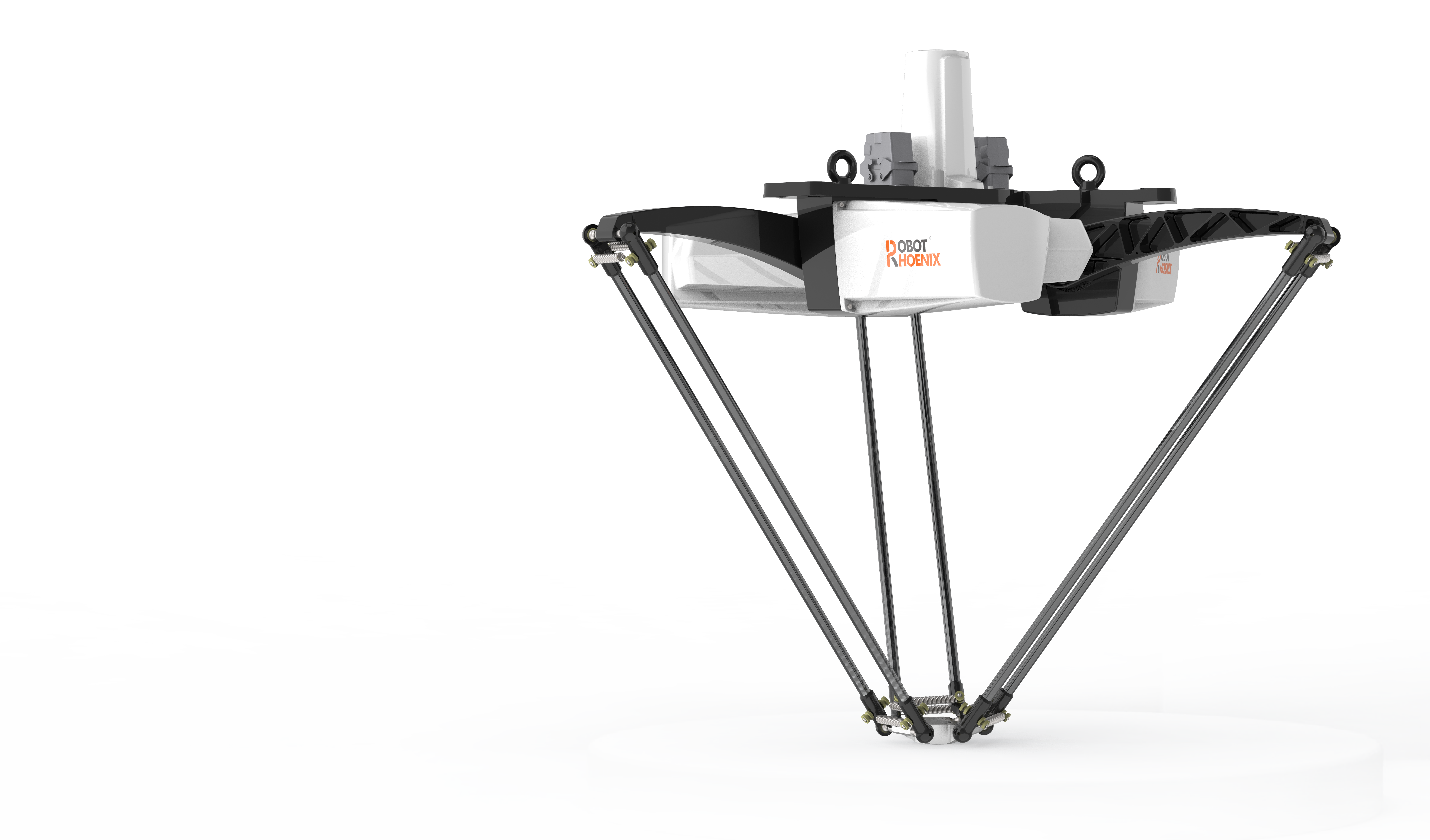
Delta Robot Bat1100C-S3 — standardized parallel robot available for application review.
Robotphoenix
Email: ran.chen@robotphoenix.com
Phone/WhatsApp: +66 92 627 2873
Website: https://www.rprobotic.com/