
 30,000+
 500+
500+

Una guía del comprador profesional para seleccionar proveedores de robots Delta y SCARA de alto rendimiento
The global demand for industrial automation is accelerating, driven by the need for higher productivity, consistent quality, and labor cost optimization. Within this landscape, Delta robots (also known as parallel or spider robots) and SCARA robots have become indispensable for high-speed, high-precision tasks like pick and place, packaging, sorting, and assembly. For procurement professionals, navigating the vast supplier market to find a reliable partner is a critical challenge. This guide provides a structured framework to evaluate and select the right Delta robot or SCARA robot supplier for your automation needs.
1. Define Your Application Requirements
The first step is a clear technical specification. The choice between a Delta robot and a SCARA robot hinges on application specifics.
| Criteria | Delta / Parallel Robot | SCARA Robot |
|---|---|---|
| Primary Strength | Extremely high speed and acceleration in a confined 3D workspace. | High precision and rigidity in the X-Y plane, with compliant insertion capability. |
| Typical Applications | Delta robot pick and place, food packaging delta robot, Delta robot for sorting, high-speed lightweight product handling. | SCARA robot for assembly, precision dispensing, screw driving, SCARA robot pick and place of electronic components. |
| Key Metrics | Cycles per minute (CPM), payload (often <10kg), reach, hygiene requirements (food/pharma). | Repeatability (e.g., ±0.01mm), vertical stroke, payload capacity, torque for screw driving. |
Clarify if you need a standard Delta robot system or a SCARA robot system, or a fully customized robotic arm delta cell. Detail the required payload, cycle time, workspace, and integration with vision systems or conveyors.
2. Evaluate Core Supplier Capabilities
Beyond the robot hardware, assess the supplier's holistic capabilities.
- Technical Expertise & Product Range: Look for a supplier with deep expertise in both kinematic structures. They should offer a range of models, from a compact 4-axis delta robot to a heavy-duty high-speed delta robot, and from a 4-axis SCARA robot to a high-precision SCARA robot. A diverse portfolio indicates strong R&D.
- System Integration & Customization: The best suppliers act as solution providers. Can they deliver a complete Delta robot sorting workstation? Do they support ODM and OEM collaboration for tailored Delta robot applications or SCARA robot applications? Visit their website, like https://www.rprobotic.com/, to review case studies.
- Manufacturing & Quality Assurance: Inquire about production capacity, quality control processes, and testing protocols. Certifications are non-negotiable indicators of quality and market compliance.
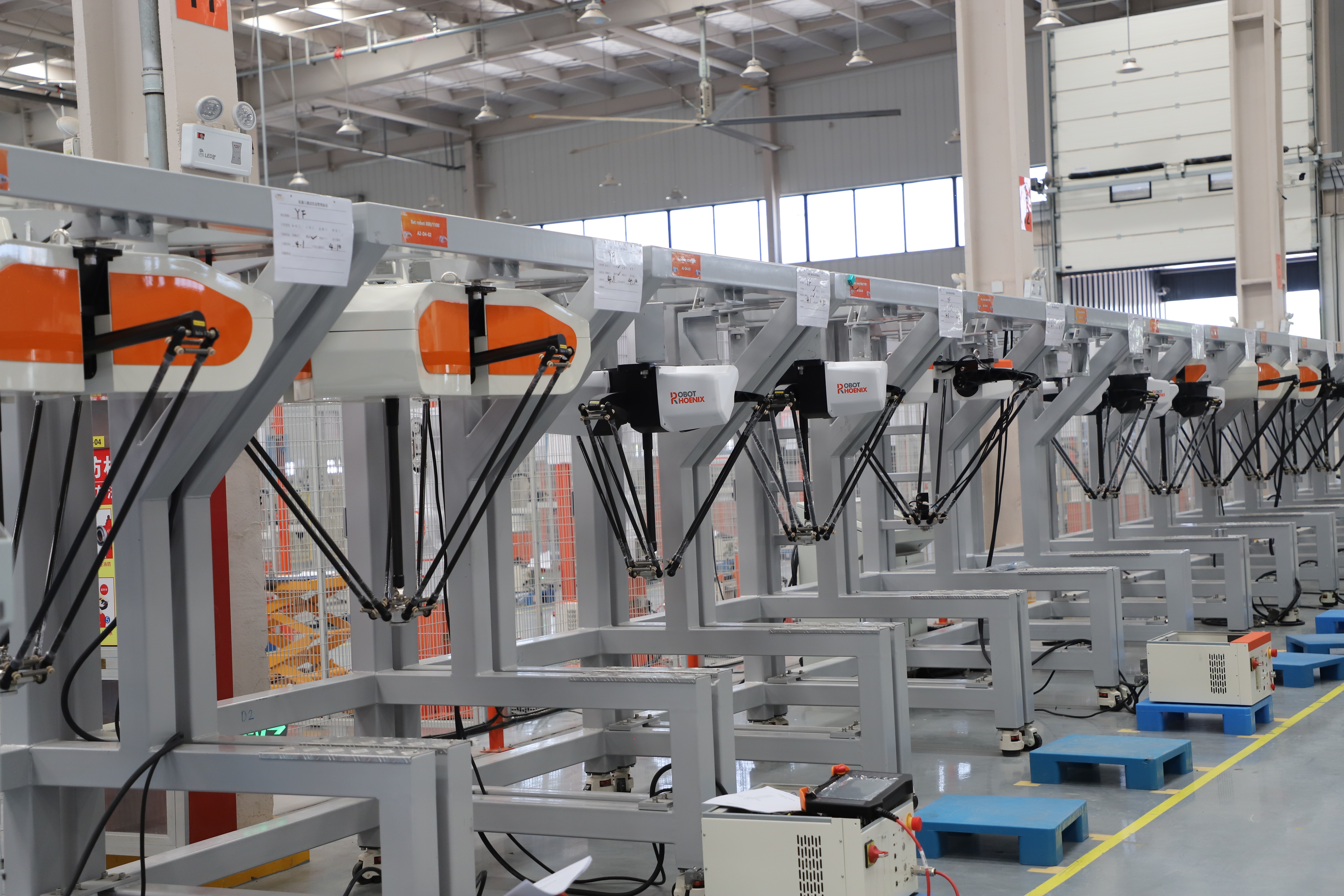
A modern production facility is essential for consistent robot quality and timely delivery.
3. Verify Compliance and Certifications
International certifications are mandatory for selling in global markets and ensure safety and reliability. Essential certifications for industrial robots include:
- CE Marking (Machinery Directive & EMC): Mandatory for the European market. It confirms the machine meets essential health and safety requirements. Look for specific certificates like CE Machinery Conformity Certificate for Parallel Robots.
- ISO Standards: ISO 10218-1 is the specific safety standard for robots. ISO 9001 (Quality Management) and ISO 14001 (Environmental Management) reflect robust operational systems.
- RoHS & REACH: These ensure the robot is free from hazardous substances, crucial for electronics and consumer goods industries.
Suppliers like Hangzhou Robotphoenix Industrial Robotics Co., Ltd. (Robotphoenix) publicly list their certifications, including CE, ISO10218-1, RoHS, REACH, and ISO Class 4 cleanroom standards, providing transparency and trust for buyers.
4. Analyze After-Sales Support and Global Footprint
The supplier relationship begins after installation. Evaluate their support structure:
- Technical Support: Availability of remote diagnostics, on-site engineering support, and spare parts logistics.
- Training & Documentation: Comprehensive manuals, training programs for your engineers, and easy-to-use software interfaces.
- Warranty & Service Contracts: Clear warranty terms and flexible service agreements to minimize downtime.
- Global Reach: For international buyers, a supplier with export experience and multilingual support, indicated by contact options like Phone/WhatsApp: +66 92 627 2873 and Email: ran.chen@robotphoenix.com, is advantageous.
5. Shortlist and Conduct Due Diligence
Create a shortlist of 3-5 suppliers that meet your technical and compliance criteria. Then, conduct deeper due diligence:
- Request Detailed Proposals: Ask for a technical proposal addressing your specific Delta robot pick and place or SCARA robot for assembly needs, including layout drawings, cycle time simulations, and a complete bill of materials.
- Check References: Request contact information for clients in similar industries (e.g., food, electronics, pharmaceuticals).
- Factory Audit (Virtual or On-site): If possible, visit the manufacturing facility. Assess the production environment, quality labs, and engineering team. Images of a well-organized factory and R&D center, as seen on supplier profiles, are good preliminary indicators.
- Evaluate Total Cost of Ownership (TCO): Look beyond the initial price. Consider energy efficiency, maintenance costs, expected lifespan, and potential productivity gains.
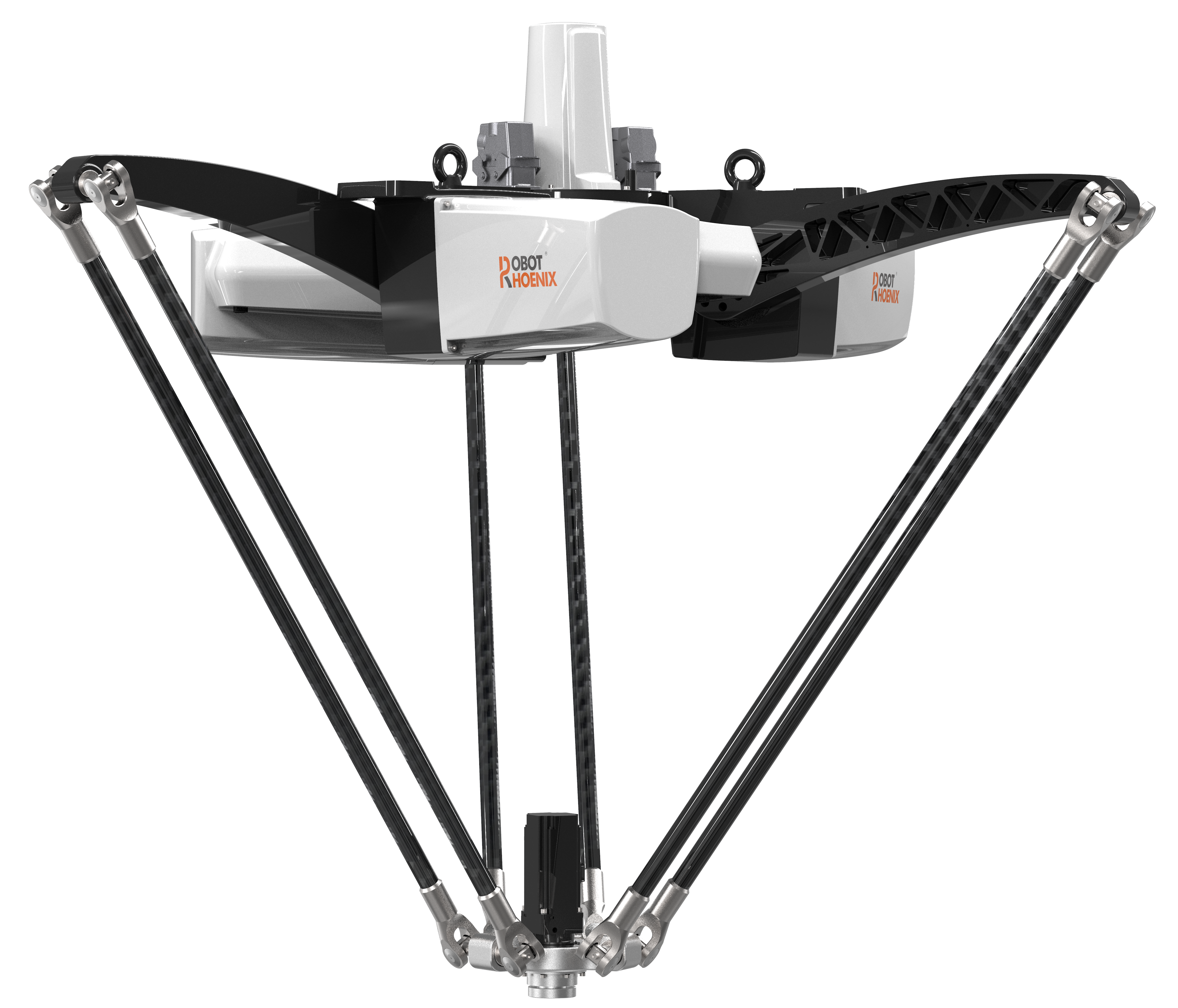
A high-speed Delta robot model, such as the Bat1300 series, designed for demanding pick-and-place tasks.
Conclusion
Selecting the right industrial robot supplier is a strategic decision that impacts your operational efficiency for years. By methodically defining needs, scrutinizing technical and compliance credentials, and evaluating long-term support, procurement teams can mitigate risk and secure a partnership that drives automation success. Focusing on suppliers with proven expertise in Delta robot systems and SCARA robot systems, a commitment to international standards, and a customer-centric approach will ensure your investment delivers maximum return.
For further information on robotics solutions, you can explore resources provided by manufacturers directly or consult with industry associations. A reliable partner will be transparent with their capabilities, certifications, and client successes, guiding you through the selection process to find the optimal robotic arm delta or high-precision scara robot for your unique application.