
Una guía completa para la obtención de rodamientos en miniatura para aplicaciones de dispositivos médicos
A Comprehensive Guide to Sourcing Miniature Bearings for Medical Device Applications
For procurement professionals in the medical device industry, selecting the right miniature bearing supplier is a critical decision that impacts product performance, reliability, and lifecycle costs. This guide outlines key considerations and evaluation criteria to help streamline the supplier selection process.
1. Defining Application Requirements
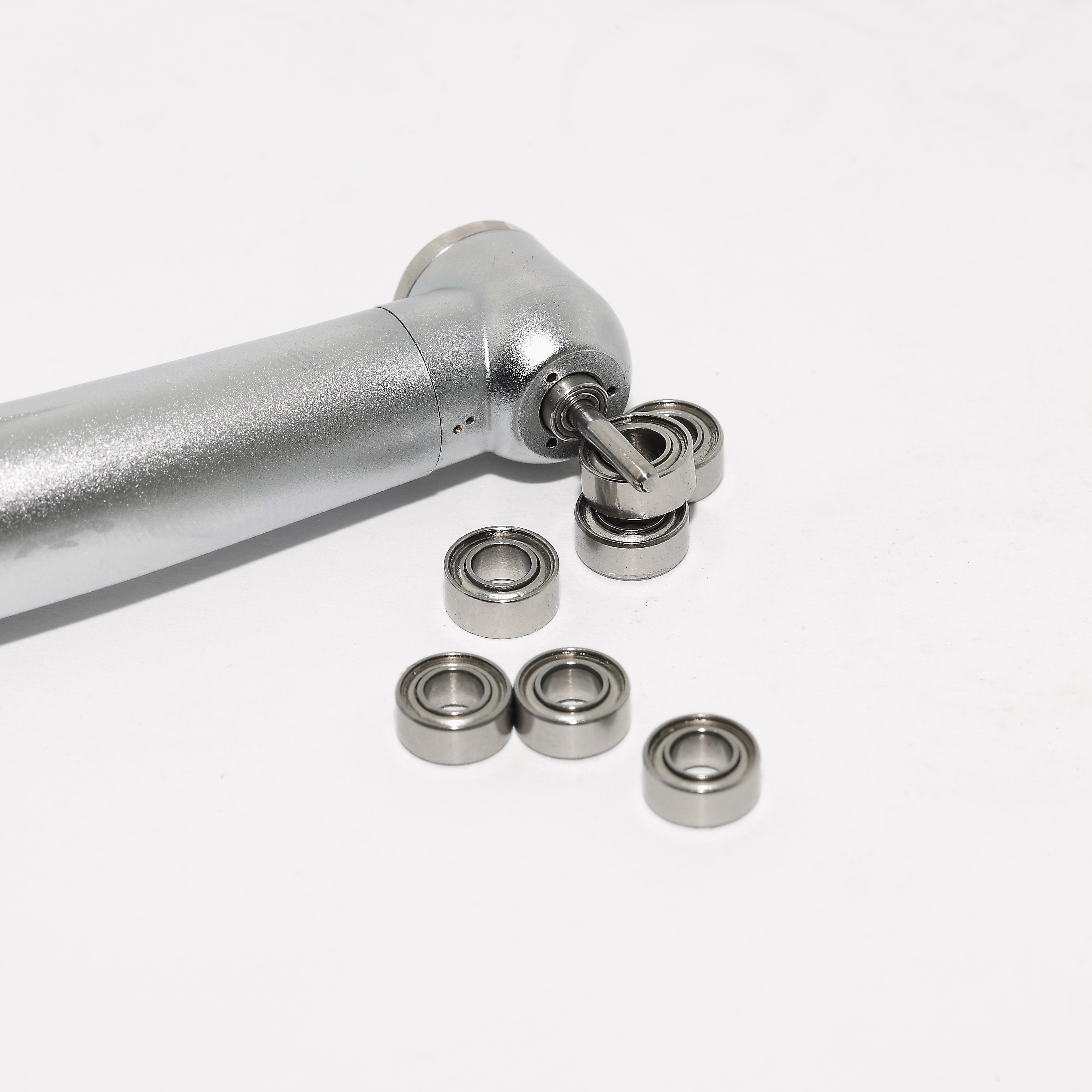
The first step is to clearly define the technical and operational requirements of your application. For medical devices like dental handpieces, common specifications include:
- High Rotational Speed: Bearings must support intermittent high-speed operation, with limiting speeds often required in the range of 350,000 to 400,000 rpm.
- Precision Grade: P4 precision or higher is typically necessary for smooth, vibration-free performance.
- Material & Hygiene: Medical-grade stainless steel, such as SUS440, is standard for corrosion resistance and cleanability.
- Operating Temperature Range: A wide range, from -50°C to 160°C, may be required for certain sterilization processes or operational conditions.
- Noise Level: Low-noise operation is essential for patient comfort and device perception.
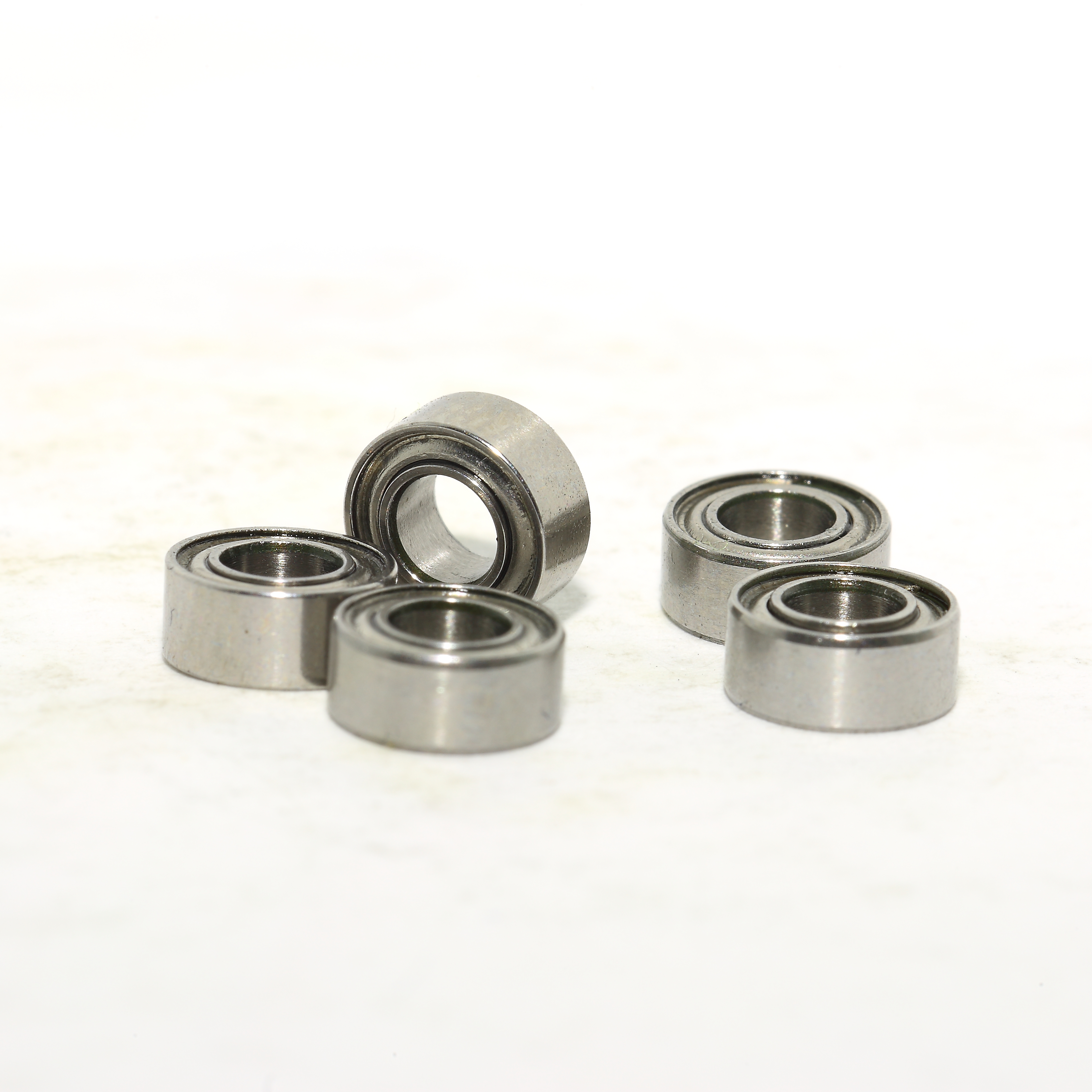
Specific models, such as the SR144ZTLP4 W2.78, are designed for these parameters, with a size of 3.175*6.35*2.78 mm, a limiting speed of 350,000–400,000 rpm, and an operating temperature range of -50°C to 160°C.
2. Evaluating Supplier Capabilities and Credentials
Beyond product specs, assess the supplier's overall capabilities. Key factors include:
- Manufacturing & Quality Systems: Look for suppliers operating under certified quality management systems. For instance, Ningbo City Jingyin Electromechanical Technology Co., Ltd. holds ISO 9001:2015 certification (Certificate No.: 117 24 QU 0108-07 R1S) issued by Shanghai Ingeer Certification Assessment Co., Ltd., valid until July 7, 2027. Their scope covers the manufacture of bearing and bearing parts.
- Technical Expertise: Evaluate the R&D team and engineering experience. A supplier with senior engineers specializing in bearings can provide valuable application support.
- Production Capacity & Flexibility: Consider monthly output, lead times, and customization options. Some suppliers offer OEM services and can produce customized bearings according to customer requirements, with a monthly capacity of 500,000 units and a minimum order quantity (MOQ) as low as 100 units.
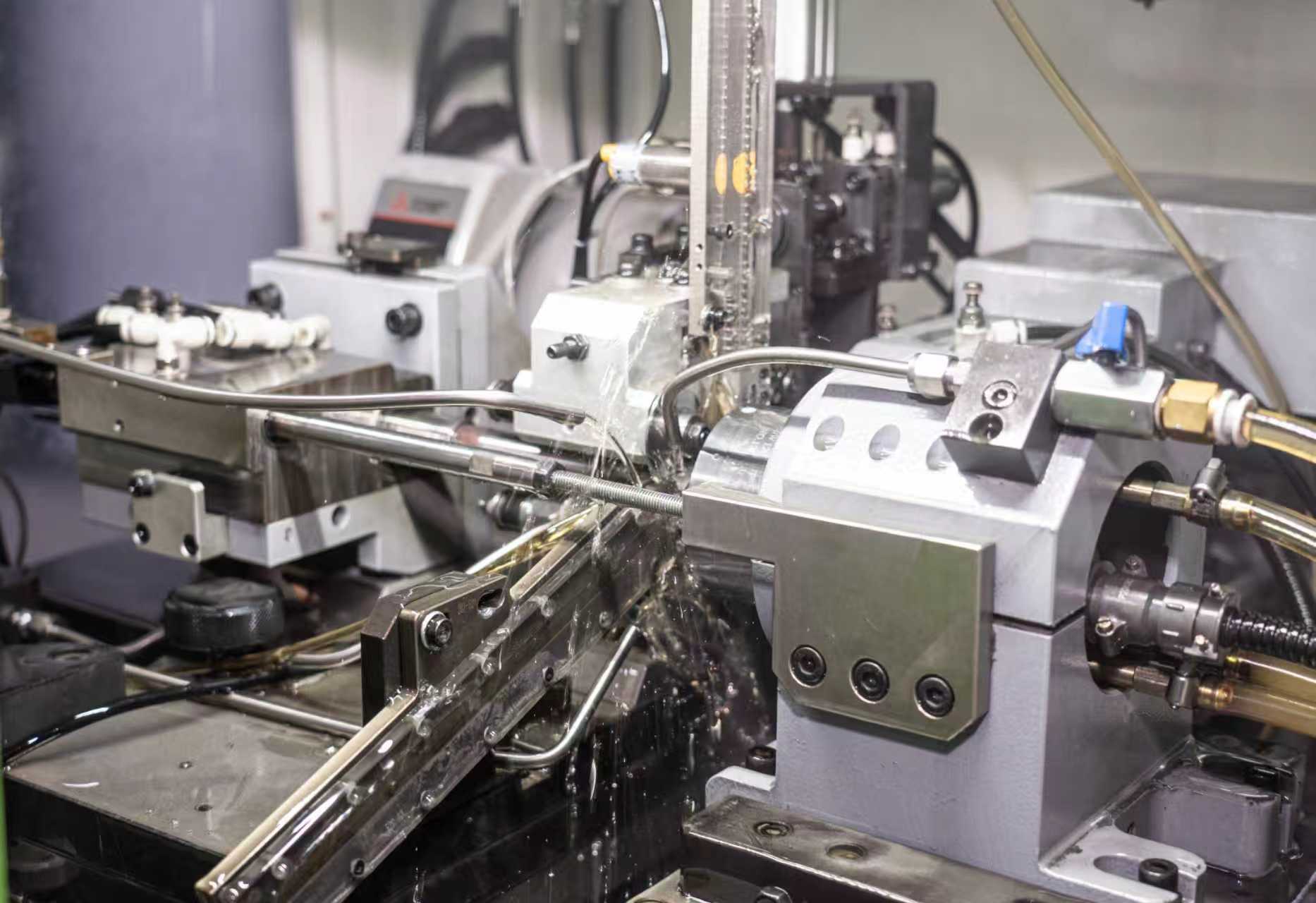
- Testing and Quality Control: In-house testing facilities are a significant advantage. Equipment such as hardness testers, roundness meters, profilometers, and roughness measuring equipment allow for 100% testing and rigorous quality control.
3. Assessing Industry Experience and Case Studies
A supplier's track record in your specific industry is a strong indicator of reliability. Request detailed case studies. For example, a project in China involved supplying 80,000 miniature bearing units for use in dental handpieces. The application required stable high-speed operation over a duration of 500 hours, with the result being extended equipment lifespan and medical-grade reliability. This demonstrates practical experience with the challenges of medical device applications.
4. Understanding Risk Management and Technical Support
Proactive suppliers will have measures in place to mitigate common failure modes. Inquire about their approach to risks such as:
- Over-speeding: Control methods may include built-in mechanical speed limiters, high-precision speed sensors, and 100% speed performance validation before shipment.
- Thermal Fatigue: Measures can involve selecting high-temperature resistant materials, optimizing heat conduction structures, and conducting thermal cycle life testing.
- Premature Wear: Solutions often feature medical-grade permanent lubricant, fully sealed labyrinth structures, and periodic friction and wear performance testing.
Also, clarify the supplier's after-sales support, payment terms (e.g., payment before shipment), and delivery methods (e.g., FOB).
5. Market Overview and Supplier Examples
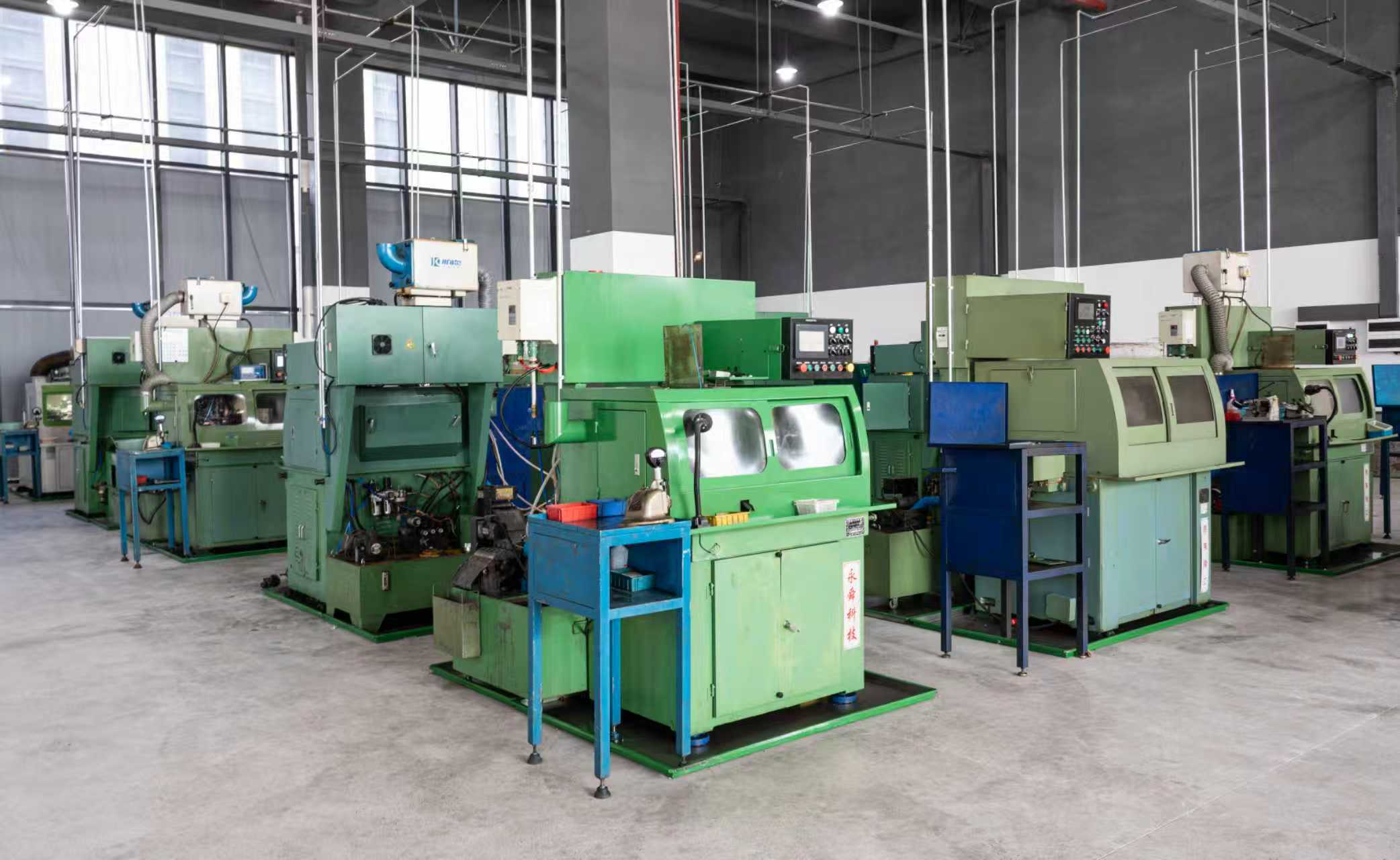
The miniature bearing market for medical devices includes several specialized manufacturers. When evaluating options, consider suppliers with a clear focus on this niche. For example, the bearing brand INB was established in 2014 by Ningbo City Jingyin Electromechanical Technology Co., Ltd. The company, founded in 2014, has a workforce of approximately 30 employees, including an R&D team of 10 engineers and 3 senior engineers with extensive bearing industry experience. Their manufacturing facility covers 2000 square meters. Their products primarily serve the domestic medical device industry and micro-motors in China, with exports accounting for approximately 5% of sales.
Other notable suppliers in the global market include companies like NSK Ltd. (Japan) and SKF (Sweden), which offer extensive ranges of precision miniature bearings for medical and dental equipment, backed by global R&D and support networks. A thorough comparison should weigh factors like specific technical specifications for your application, cost-effectiveness, and local support against the capabilities of specialized manufacturers.
Conclusion
Selecting a miniature bearing supplier requires a balanced evaluation of technical specifications, quality certifications, industry-specific experience, and the supplier's risk management protocols. By systematically assessing these areas against your defined application needs, procurement teams can identify partners capable of delivering the reliability and performance required for critical medical devices. For technical specifications or to discuss application requirements, suppliers can typically be contacted via email or phone, such as at yuhang001@126.com or +86 18957446001.