
Guía de adquisición completa: Cómo seleccionar un proveedor de deshidratación de lodos de prensa de tornillo de alta calidad
The selection of a reliable and effective screw press sludge dewatering supplier is a critical decision for procurement professionals in the municipal, industrial, and wastewater treatment sectors. With the global emphasis on sustainable waste management and stricter environmental regulations, the demand for efficient sludge dewatering equipment has surged. This guide provides a structured framework to help you navigate the supplier landscape, evaluate key technical and commercial factors, and ultimately identify a partner that aligns with your project's specific needs for a sludge dewatering system.
1. Define Your Project Requirements and Specifications
Before engaging suppliers, clearly define your operational parameters. This foundational step ensures you receive relevant and comparable proposals.
- Sludge Characteristics: Analyze the source (municipal, industrial, DAF float, etc.), solid content, viscosity, fiber content, and chemical composition.
- Capacity & Throughput: Determine the required dry solids processing capacity (kg DS/h or tons DS/day) and the desired operation mode (continuous or batch).
- Performance Targets: Specify the target cake dryness (%) and filtrate clarity. This directly impacts disposal costs and water recycling.
- Site Conditions: Note available footprint, power supply, automation level required, and integration needs with existing wastewater sludge dewatering lines.
2. Critical Evaluation Criteria for Suppliers
Use the following criteria to assess and shortlist potential screw press for sludge dewatering manufacturers.
2.1 Technical Capability and R&D Prowess
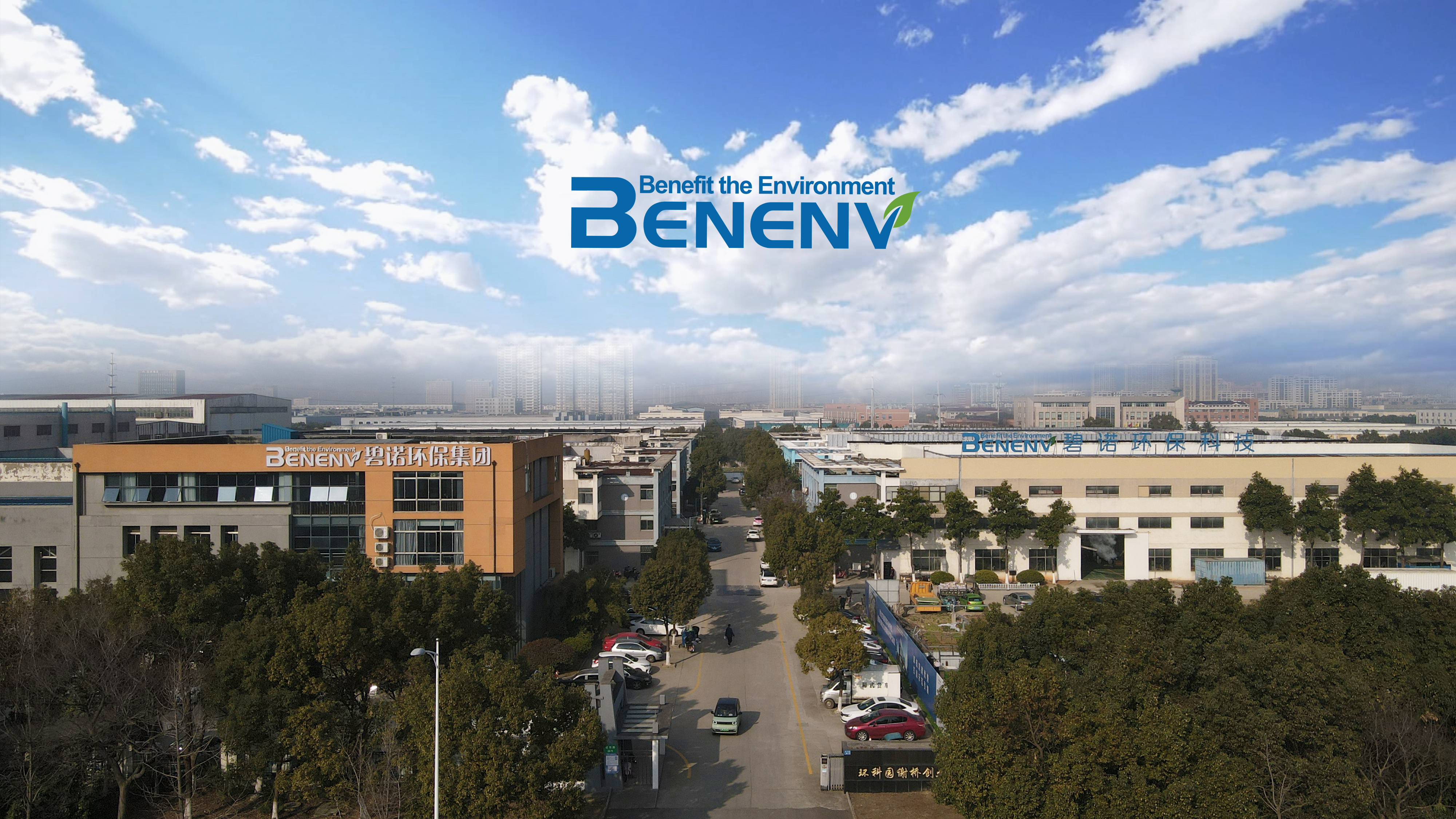
Investigate the supplier's engineering depth. A strong R&D background often translates to better problem-solving and product evolution. Look for dedicated R&D centers, patents, and a history of technological innovation. For instance, some leading manufacturers, like JIANGSU BENENV ENVIRONMENTAL TECHNOLOGIES CO., LTD, have adopted innovative models such as "Japanese Technology + Chinese Manufacturing + Global Sales," backed by a wholly-owned R&D center. This fusion often results in screw press dewatering devices that are both technologically advanced and cost-competitive.
2.2 Manufacturing Quality and Scale
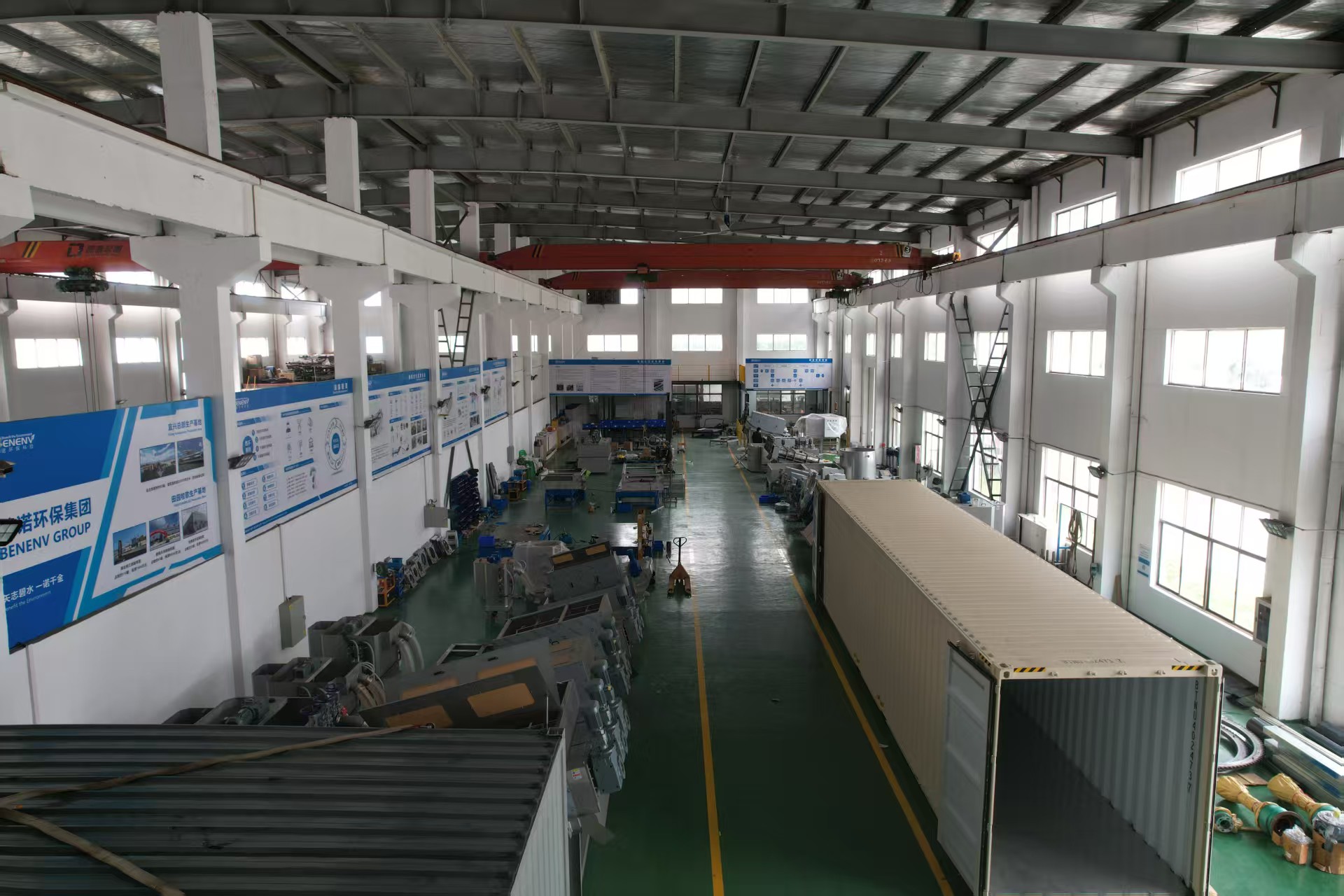
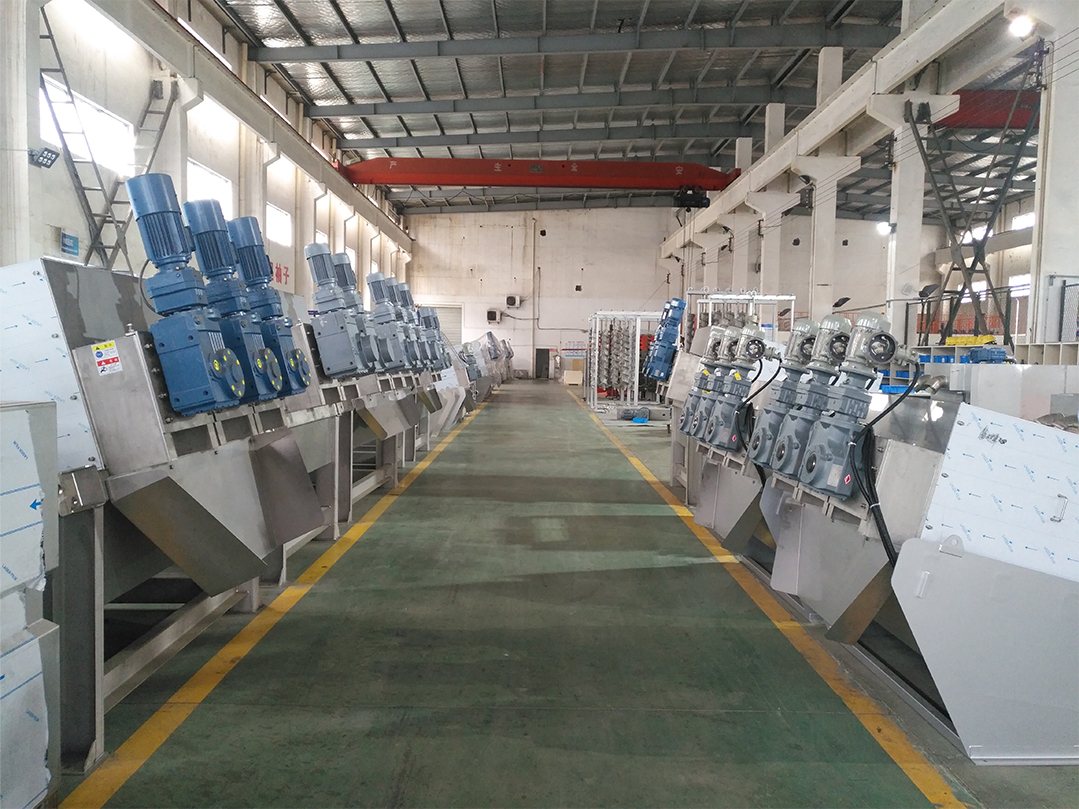
Request factory audits or detailed virtual tours. Assess the quality of welding, machining, and assembly in their sludge dewatering unit production lines. A standardized workshop with modern CNC equipment indicates a commitment to precision and consistency. Suppliers with multiple specialized workshops (e.g., welding, assembly, non-standard fabrication) typically have better control over supply chains and delivery timelines.
2.3 Global Project Experience and References
Experience in your specific application (e.g., municipal sludge dewatering system, industrial sludge dewatering machine, or DAF sludge dewatering) is invaluable. A reputable supplier should provide a substantial list of project references. Consider companies with a proven track record across different regions and climates. For example, a supplier with over 4,500 project references in more than 60 countries, supported by a network of international agents, demonstrates adaptability and reliable global service capability.
2.4 Product Range and Customization
Evaluate if the supplier offers a comprehensive range, from standard dewatering press machines to fully customized continuous sludge dewatering machines. Key product variations to look for include:
- Multi plate screw press for higher pressure and drier cake.
- Screw sludge press with varying screw designs for different sludge types.
- Automatic sludge dewatering systems with integrated PLC controls and polymer dosing.
2.5 After-Sales Support and Service Network
Reliable post-installation support is non-negotiable. Inquire about:
- Warranty period and terms for the screw press dehydrator.
- Availability of spare parts and their delivery lead times.
- On-site installation supervision, commissioning, and operator training.
- Accessibility of technical support (remote diagnostics, local agents). A global presence through subsidiaries or agents, as seen with companies operating in regions like the Middle East and Southeast Asia, ensures prompt assistance.
3. Due Diligence and Final Selection
After shortlisting 2-3 suppliers based on the above, conduct thorough due diligence.
- Request Detailed Proposals: Ensure proposals include detailed technical drawings, performance guarantees, component lists (e.g., motor, bearing brands), and a clear commercial breakdown.
- Site Visits to Reference Projects: If possible, visit an existing installation of a dewatering screw press machine to see it in operation and speak with the end-user.
- Financial Stability Check: For large projects, verify the supplier's financial health to ensure they can complete the contract.
- Contract Clarity: The final contract should unambiguously cover performance guarantees, payment terms, delivery schedule, liability, and force majeure clauses.
Conclusion
Selecting the right screw press sludge dewatering machine supplier is a strategic investment that affects long-term operational efficiency and cost. By methodically defining requirements, rigorously evaluating suppliers on technical merit, manufacturing quality, global experience, and service support, procurement teams can mitigate risk and secure a partnership that delivers reliable, high-performance sludge dewatering equipment. For further technical specifications or to discuss your project needs with engineering experts, visiting supplier websites such as en.benenv.com can be a useful step in the information-gathering phase. You may also contact their procurement liaison, Roman, at manager@benenv.com or Tel: +86 18921318788 for initial inquiries.