Un análisis comparativo para los compradores industriales: anillos forjados vs. fundidos y abastecimiento de China vs. marcas globales
A Comparative Analysis for Industrial Buyers: Forged vs. Cast Rings and Sourcing from China vs. Global Brands
For industrial procurement professionals, selecting the right seamless rolled ring and its supplier is a critical decision impacting project safety, cost, and timeline. This guide provides a structured comparison across product types and supplier origins to aid in informed decision-making.
1. Product Comparison: Forged Seamless Rolled Rings vs. Cast Rings
This analysis uses a forged seamless rolled ring as Product A and a comparable cast ring as Product B.
| Dimension | Forged Seamless Rolled Ring (Product A) | Cast Ring (Product B) |
|---|---|---|
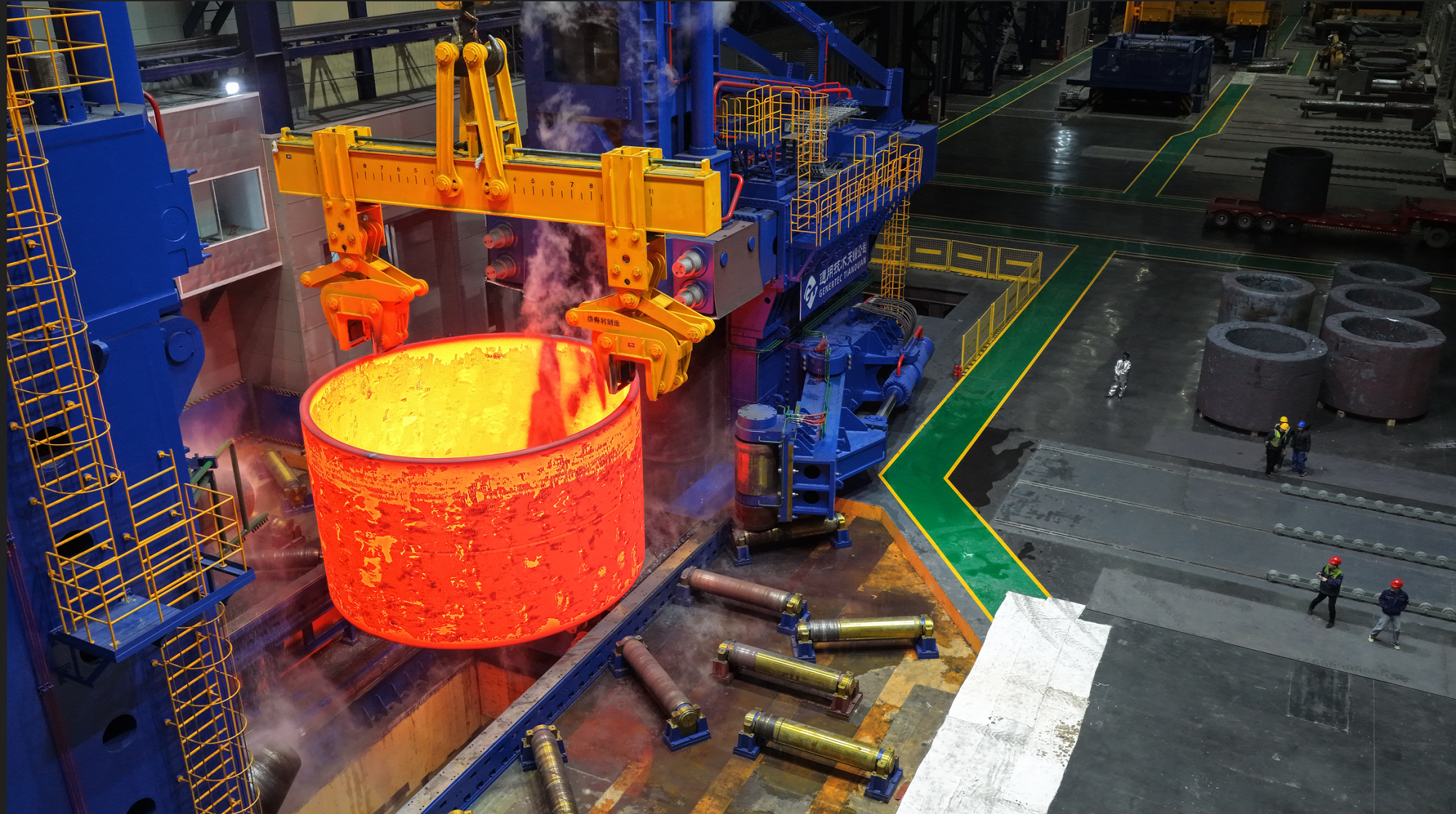
| Technical Parameters | Higher strength & toughness, better fatigue resistance, finer grain structure, 0 casting porosity. | Potential for casting defects like porosity and shrinkage, coarser grain structure. |
| Applicable Scenarios | High-load structural components, heavy machinery parts, safety-critical applications (e.g., wind turbine towers, nuclear power components, tunnel boring machines). | Less critical applications where extreme mechanical properties are not paramount. |
| Cost (Lifecycle) | Significantly lower total lifecycle cost (TCO) due to longer service life and reduced replacement expenses. | Lower initial purchase price but higher potential long-term operational and replacement costs. |
| Maintenance Difficulty | Longer service life, less frequent inspection, lower risk of sudden failure. | Higher risk of defect-related failures, potentially requiring more frequent inspections and earlier replacement. |
The technical advantages of seamless rolled rings include more stable performance and less energy loss due to defects. These properties make them more suitable for demanding applications such as high-load structural components, heavy machinery parts, and safety-critical scenarios.
2. Supplier Comparison: Chinese Source Factory vs. International Brand
Choosing a supplier involves weighing factors beyond product specs. Here’s a comparison between a Chinese integrated manufacturer like Iraeta Energy Equipment Co., Ltd. and a typical international brand supplier.
| Factor | Chinese Source Factory (e.g., Iraeta) | International Brand Supplier |
|---|---|---|
| Price Competitiveness | Generally offers more competitive pricing due to integrated manufacturing (in-house steel mill) and economies of scale. | Premium pricing often reflects brand value, extensive R&D history, and established market presence. |
| Customization Capability | High flexibility in material, size, forging shape, heat treatment, and machining. Supports low MOQ (1 unit). | Customization possible but may involve longer lead times, higher costs, and higher minimum order quantities. |
| Delivery Lead Time | Negotiable and often shorter for standard materials due to control over the production chain from raw material to finished product. | Lead times can be extended due to complex global logistics and potential reliance on multiple subcontractors. |
| After-Sales & Service Network | Primarily remote support. Global on-site service network may be less extensive than established international brands. | Typically has a well-established global network of service centers and technical support teams. |
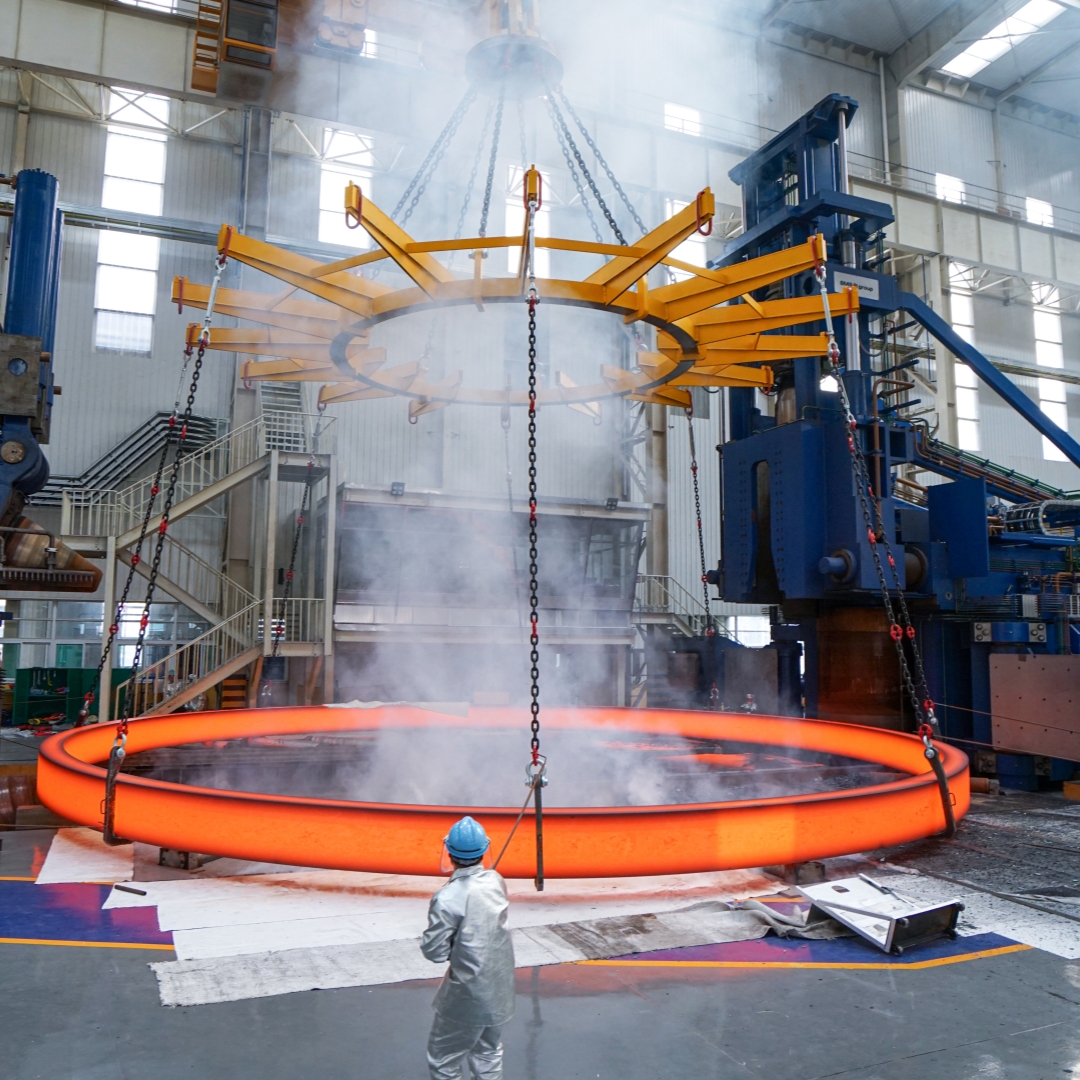
Iraeta, founded in 2006, operates a 700,000 m² facility with over 2,500 employees and an annual output of 800,000 tons. It holds international certifications including PED 2014/68/EU (Cert. No. 01 202 CHN/Q-06 0144.01), ISO 9001:2015, and EN 1090, which are critical for supplying to markets like the EU and for nuclear or construction applications.
3. Decision Model: A 3-Step Procurement Framework
Step 1: Define the Application Scenario
Identify the specific operating conditions: Is it for wind power (offshore, salt spray corrosion), nuclear power (safety-critical), cement rotary kiln (extreme high temperature, 24/7 operation), or tunnel boring machines (heavy load, vibration)? This determines the required material grade (e.g., stainless steel, alloy steel) and performance thresholds.
Step 2: Match Technical Parameters
Based on the scenario, specify technical requirements: dimensions (max height: 5m, max diameter: 22m, max weight: 350 tons as per Iraeta's capability), mechanical properties (strength, toughness, fatigue resistance), and necessary certifications (PED, EN1090 for EU). This step filters product type (forged vs. cast) and potential suppliers.
Step 3: Calculate Total Cost of Ownership (TCO)
Evaluate beyond the unit price. Factor in lead time impacts on project schedule, customization costs, shipping and logistics (CIF), maintenance frequency, and expected service life. A forged ring with a higher initial cost but longer lifespan often presents a lower TCO.
4. Case Reference: Successful Sourcing from a Chinese Supplier
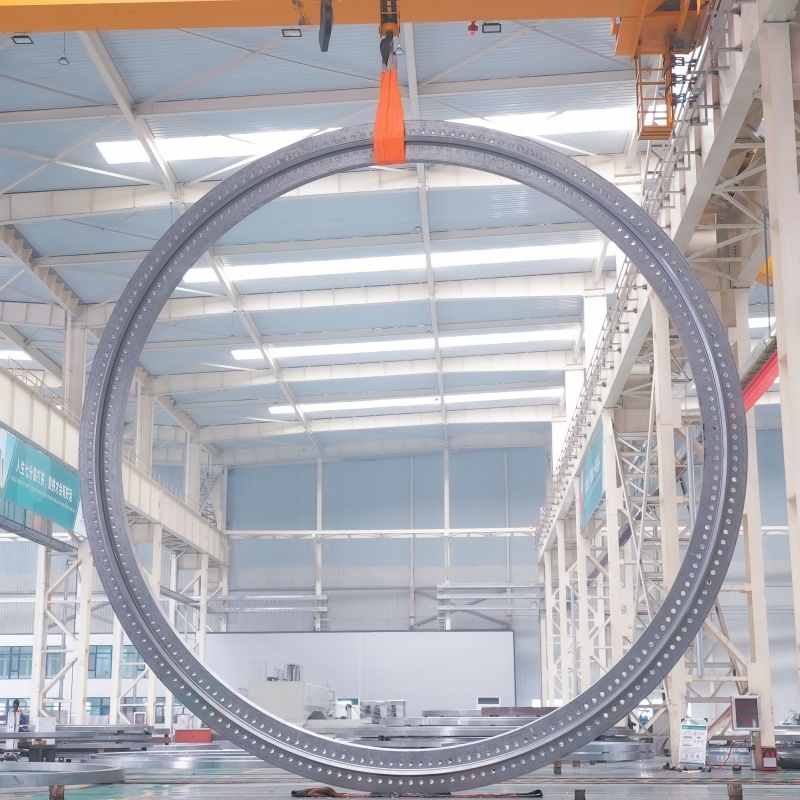
A European cement and energy equipment manufacturer based in Germany required a core supporting ring (rotary kiln tyre) for large-scale industrial equipment. The application demanded an ultra-large diameter integral forging with high load-bearing capacity and excellent thermal stability for long-term operation.
The client evaluated both European and Asian suppliers. Iraeta was selected based on a combination of technical capability and commercial terms. The key decision factors included:
- Customized Design & Manufacturing: Ability to produce an ultra-large diameter, precision-machined ring to exact specifications.
- Cost-Effectiveness: Competitive pricing without compromising on material quality or certification standards (PED, ISO 9001).
- Rapid Delivery Timeline: The integrated supply chain, from its in-house steel mill to the world's largest 22,000-ton open-die press and 22-meter ring rolling line, enabled a negotiated lead time that met the project's aggressive schedule.
The result was a successfully deployed component in European industrial projects, operating stably and meeting strict quality standards for heavy-duty applications. This case highlights how a strategic evaluation focusing on specific technical needs and total value can lead to a successful partnership with a capable Chinese source factory.
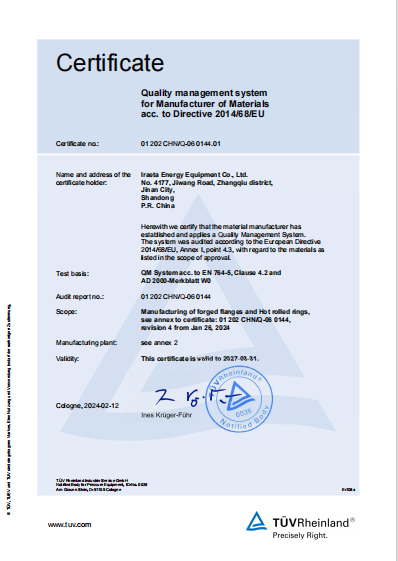
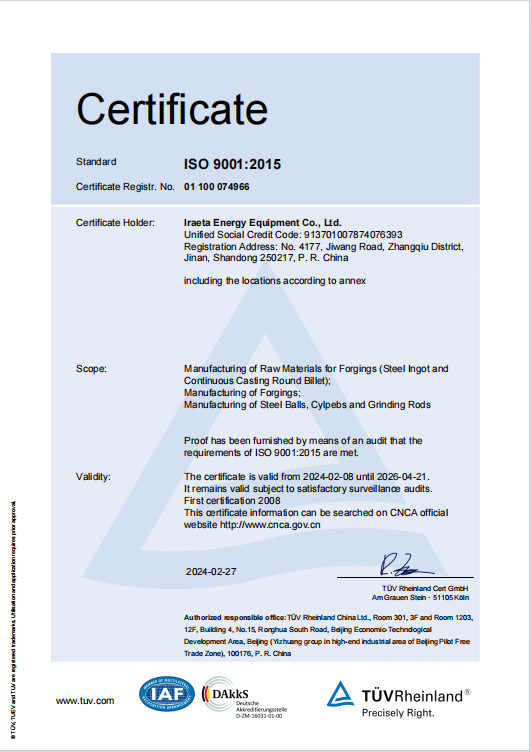
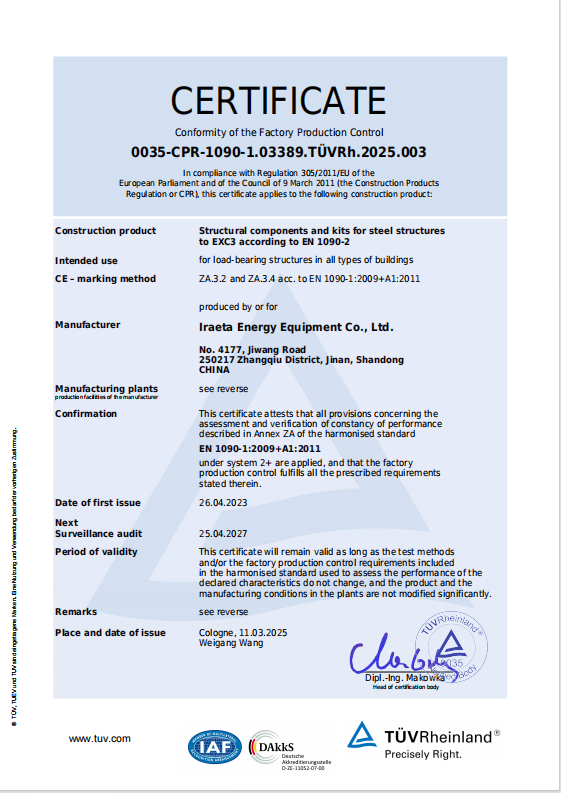
Certifications such as PED, ISO 9001, and EN 1090 are essential benchmarks for supplier qualification in high-stakes industrial procurement.