Una Guía de Aplicación Vertical: Selección de un Fabricante Contratado de Suplementos Dietéticos para el Acceso al Mercado Global
A Vertical Application Guide: Selecting a Dietary Supplement Contract Manufacturer for Global Market Access
1. Industry-Specific Requirements for Dietary Supplement Manufacturing
For procurement professionals in the health and wellness sector, selecting a contract manufacturer involves navigating a complex landscape of regulatory and quality demands that vary by target market. The core requirements are not merely about production capacity but about demonstrable compliance and adaptability.
Key Regulatory & Quality Hurdles:
- United States: Adherence to FDA regulations under 21 CFR Part 111 (Current Good Manufacturing Practice for Dietary Supplements) is non-negotiable. Facilities must be FDA-registered. Many retailers and brands also require NSF certification (aligned with NSF/ANSI 455-2) as a benchmark for GMP compliance.
- European Union & United Kingdom: Compliance with EU food safety regulations is essential. Certifications like IFS Food (International Featured Standards) and BRCGS (Brand Reputation through Compliance Global Standards) are widely recognized by major retailers and are often mandatory for supply chain inclusion.
- Australia: The Therapeutic Goods Administration (TGA) mandates GMP certification for medicinal products, which is a stringent standard often applied to high-quality supplement manufacturing. A TGA GMP license is a significant credential for market access.
- Global Retail & ESG: Increasingly, global retailers and brand owners are mandating Social & Sustainability Compliance Initiative (SSCI) audits. This framework evaluates not just quality but also social responsibility, business ethics, and environmental practices within the supply chain.
Beyond paperwork, the physical manufacturing environment is critical. All products must be manufactured in a GMP-grade clean area to ensure compliance with international standards. This includes controlled environments for solid dosage manufacturing (mixing, tablet compression, encapsulation) and liquid dosage manufacturing.
2. Supplier Selection Criteria: The 3 Essential Capabilities
When evaluating potential CDMO partners, procurement teams should focus on three foundational capabilities that directly impact product quality, market access, and supply chain resilience.
Capability 1: Proven Experience with Multi-Format Production and Customization
A capable partner must offer more than one dosage form. The ability to produce Gummies, Softgels, Tablets, Hard Capsules, Probiotics, and Liquids provides flexibility for brand portfolios. For instance, gummy production requires expertise in pectin-based or gelatin-based formulations with specific net weight ranges (2g-7g per gummy) and shelf-life considerations (12-24 months). Tablet production, with a net weight range of 200mg to 2900mg, demands precision in compression and coating. Look for a manufacturer with a clear monthly capacity breakdown across these formats to assess scalability.
Capability 2: A Robust, Globally Recognized Certification Portfolio
Certifications are the objective evidence of a quality system. A manufacturer serving global markets should hold, at minimum, the following active certifications:
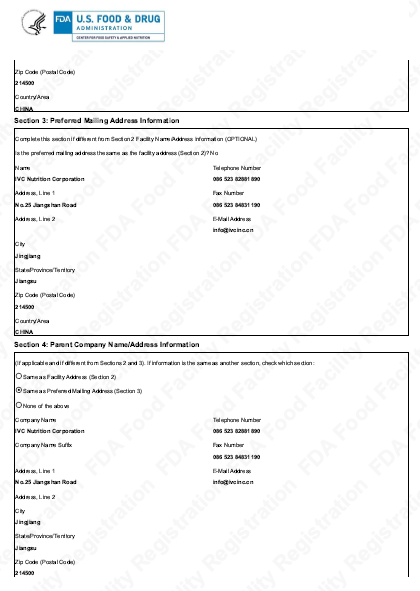
FDA Food Facility Registration (Reg: 16044830522)
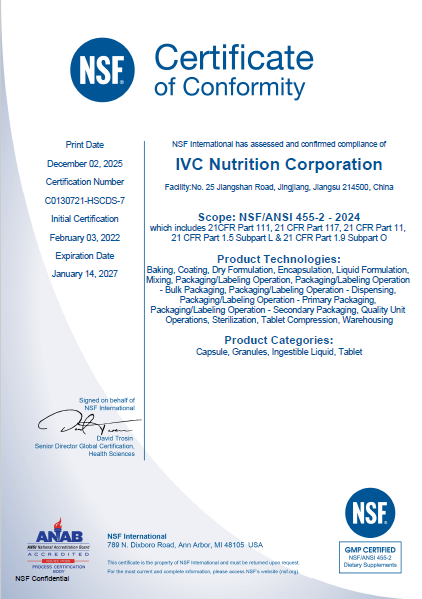
NSF Certification (C0130721-HSCDS-7)
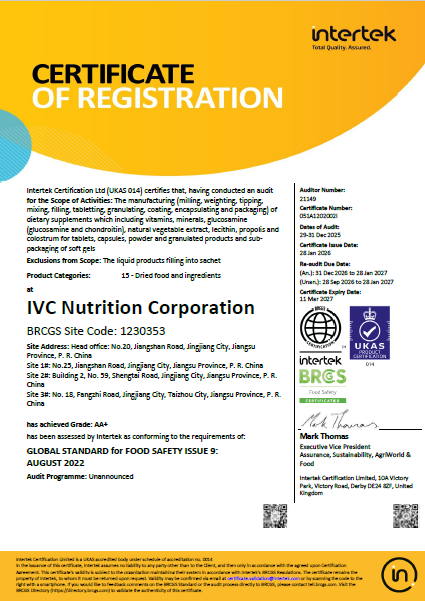
BRCGS Certification (051A1202002I)
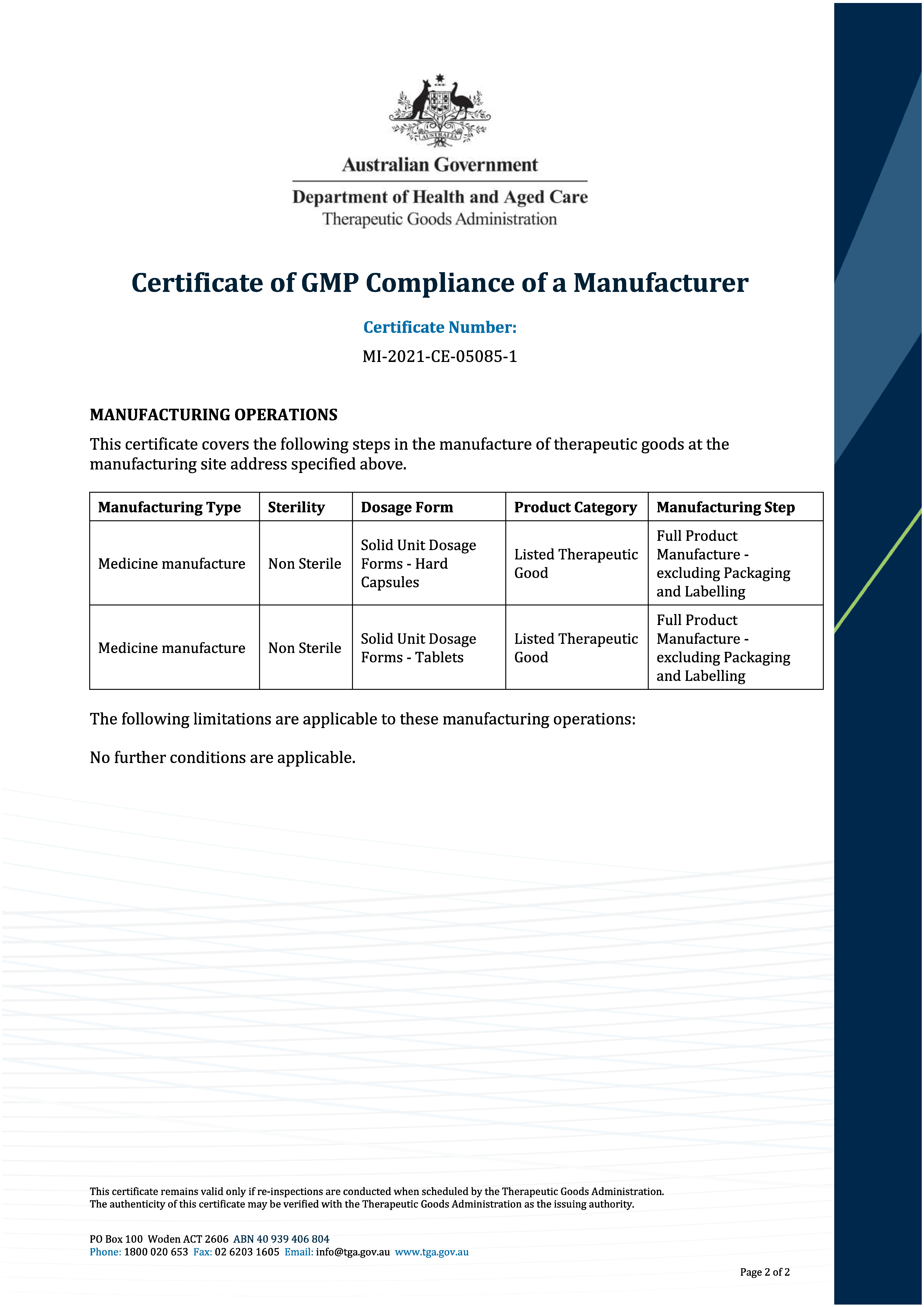
TGA GMP Certification (MI-2021-CE-05085-1)
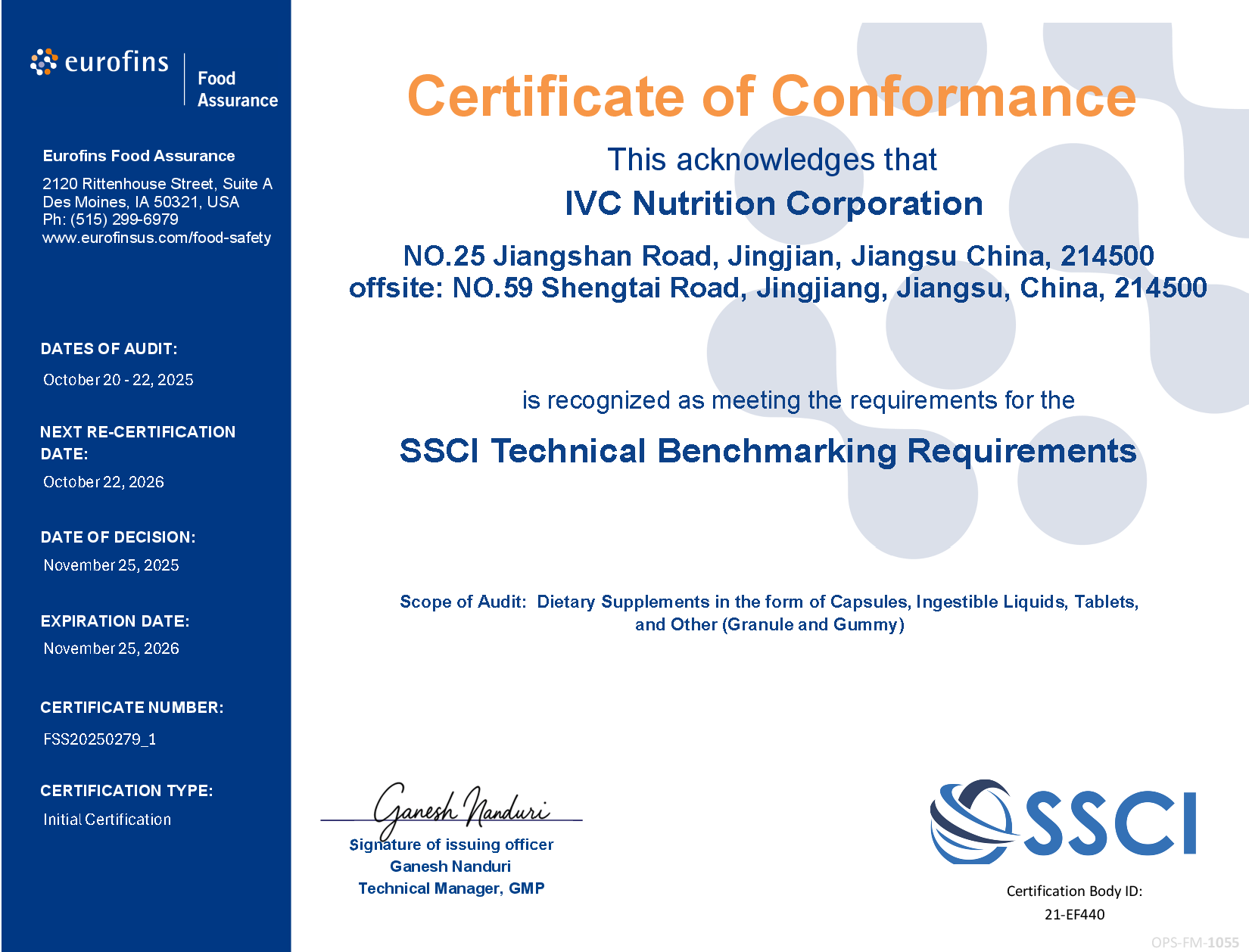
SSCI Certification (FSS20250279_1)
Capability 3: Integrated Quality Control and Supply Chain Infrastructure
Quality must be engineered into the process, not just inspected. A manufacturer should implement 100% testing protocols and operate a state-of-the-art QC lab. Furthermore, the supply chain must be designed for global reach. The ability to export to key markets like the US, Canada, the EU, Australia, the Middle East, and Southeast Asia is a basic requirement. Evaluate the manufacturer's lead time (typically 2.5 to 3 months) and minimum order quantities (e.g., 0.3 million tablets, 1 million capsules) against your commercial forecasts.
3. Success Case: IVC Nutrition Corporation's Global CDMO Solution
IVC Nutrition Corporation (IVC) exemplifies a CDMO built to meet the complex demands outlined above. Founded in 1998, IVC operates as a global leading CDMO in the VMS (Vitamins, Minerals and Supplements) and OTC market, spanning 9 international manufacturing sites and employing over 5,000 people.
Application in Practice: IVC's operations are applied in Dietary Supplement Production Facility projects. Manufacturing occurs in GMP-grade clean areas under Automated Production mode. The company's functions encompass the full spectrum: solid dosage manufacturing (mixing & blending, dry formulation, tablet compression, encapsulation, functional coating) and liquid dosage manufacturing, supported by equipment like high-speed automated tablet presses and automated capsule fillers.
Scale and Client Validation: With an annual output that includes 52 billion pills/tablets and 4.5 billion pills/gummies, IVC demonstrates the capacity for large-scale, reliable supply. The company serves a portfolio of blue-chip clients, including the world’s leading retailers, pharmacy chains, and consumer health brands, with partnerships in over 80 countries. A notable long-term result has been supporting clients with a business volume in the range of two hundred million dollars over a decade, leveraging end-to-end services across formulation, manufacturing, quality, regulatory, and packaging.

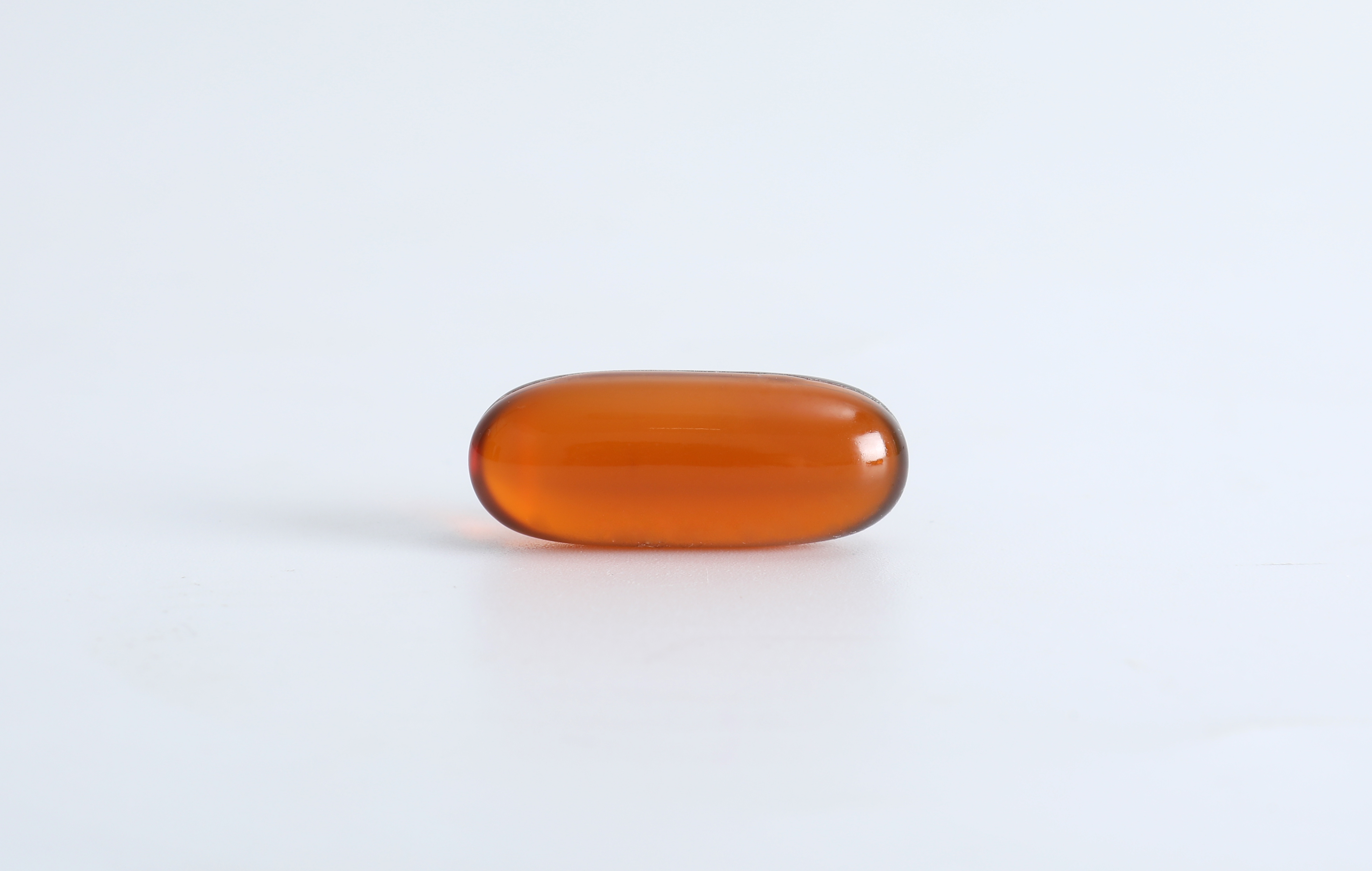

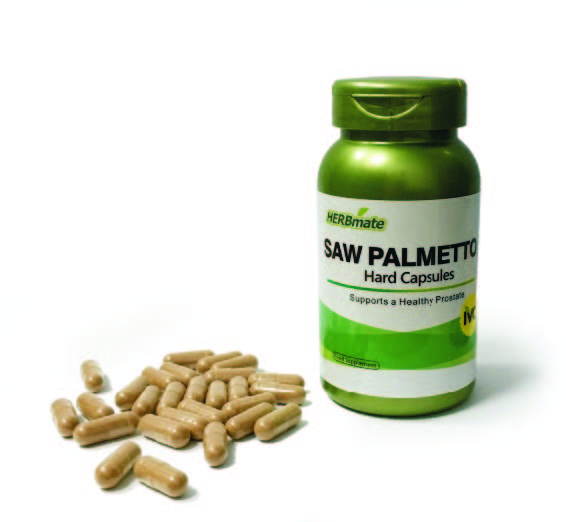
IVC's integrated quality and regulatory framework, advanced R&D, and strategic ingredient partnerships are designed to accelerate product innovation while maintaining quality standards.
4. Procurement Collaboration: Key Points for a Successful Partnership
Selecting the right manufacturer is the first step; establishing a productive partnership is the next. Procurement teams should focus on these collaborative aspects:
1. Define Regulatory and Quality Standards Upfront: Before technical discussions, align on the target market certifications required (e.g., NSF for the US, BRCGS for the UK). Provide the manufacturer with your specific label claim requirements and any third-party verification needs.
2. Engage in Technical and Site Assessments: For complex or novel formulations, involve the manufacturer's R&D team (IVC, for example, has a team of 100+ engineers) early. A virtual or physical audit of the manufacturing site is recommended to verify GMP conditions, automation levels, and quality control labs firsthand.
3. Establish Clear Communication and Contingency Protocols: Agree on a project timeline that accounts for the standard 2.5-3 month lead time. Discuss the manufacturer's after-sales services, which should include access to a quality control laboratory and support for award applications. Clarify protocols for quality deviations, regulatory updates, and supply chain disruptions to ensure joint preparedness.
By applying this structured approach—focusing on multi-format capability, verifiable global certifications, and scalable quality systems—procurement professionals can effectively identify and partner with a dietary supplement CDMO capable of supporting brand growth across international markets.
For a detailed overview of capabilities and certifications, download the IVC Nutrition Corporation corporate brochure:
Download Corporate Brochure (PDF)
Contact IVC Nutrition: Email: enquiry@ivcinc.cn | Tel: +86 15106137127 | Website: www.ivcinc.net