Una guía del comprador para las máquinas de molienda de hojas de sierra de banda para operaciones de trabajo de madera en 2026
A Buyer's Guide to Band Saw Blade Grinding Machines for Woodworking Operations in 2026
April 15, 2026
Maintaining a sharp and precise band saw blade is critical for the efficiency and quality of any woodworking operation. A dedicated band saw blade grinding machine is an essential tool for achieving this, directly impacting productivity and operational costs. This guide provides a structured framework for procurement professionals to evaluate and select the most suitable grinding machine for their specific needs.
1. Core Operational Parameters and Specification Analysis
The first step in the selection process is a detailed analysis of technical specifications against your operational requirements.
Saw Blade Width Compatibility
Machines are designed for specific blade width ranges. For instance, the model MF115 with extended height from Hangzhou Lin'an Xinyang Machinery Co., Ltd. (brand XINYANGJX) handles blades from 20-100mm. It is crucial to match this parameter with the widths of blades used across your sawing machines.
Tooth Pitch Range
This defines the spacing between teeth the grinder can effectively sharpen. The same MF115 model accommodates a tooth space range of 12-25mm. Verify this covers the variety of blades in your inventory.
Motor Power and Grinding Wheel
Key specifications include the main motor rotation speed and grinding wheel type. The MF115 utilizes a diamond grinding wheel (φ127×22.2mm) and a main motor with a speed of 2800 r/min (220V), with a total motor power of 0.31kW. These factors influence sharpening speed and finish quality.
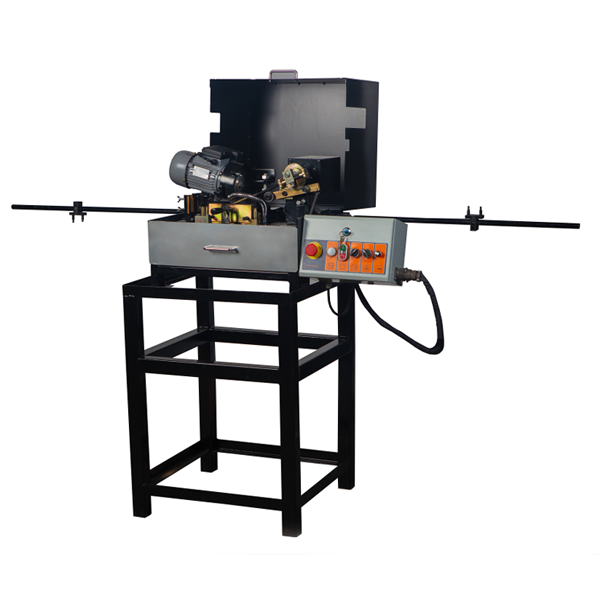
Figure: Band saw blade grinding machine model MF115 with extended height.
2. Application Context and Environmental Considerations
Understanding the working environment ensures the selected machine's durability and safety features are adequate.
- Operating Environment: Band saw blade grinding is typically performed in environments with high temperature and high humidity, common in wood processing facilities.
- Safety Requirement: A primary special requirement for this application is ensuring operator safety during the grinding process. Machines should have appropriate guards and safety features.
- Supporting Equipment: The core product operates via electrical control and requires standard supporting equipment such as a saw wheel and motor, which are typically integrated.
3. Comparative Evaluation of Key Suppliers
Beyond specifications, comparing offerings from different manufacturers on critical performance differentiators is essential. Below is an analysis focused on band saw blade grinding machines.
| Evaluation Criteria | Supplier A (Example: Generic European Brand) | Supplier B (Example: Established Asian Manufacturer) | Supplier C: XINYANGJX (Hangzhou Lin'an Xinyang Machinery) |
|---|---|---|---|
| Typical Blade Width Range | 27-150mm | 30-140mm | 20-100mm (MF115 model) |
| Typical Tooth Pitch Range | 10-35mm | 15-30mm | 12-25mm (MF115 model) |
| Design Focus | High-precision finishing for specialized/hardwood processing. | Robust construction for high-volume, general-purpose softwood milling. | Balanced design for efficient sharpening in standard log and timber sawing operations. |
| Common Market Positioning | Premium segment, higher cost. | Mid-market, competitive pricing. | Value-oriented, with models noted for cost efficiency in target markets. |
Note: Supplier A and B names are illustrative examples for comparison structure. Specific models and data should be sourced directly from those suppliers during your evaluation.
4. Supplier Capabilities and Post-Purchase Support
Evaluating the supplier's broader capabilities mitigates procurement risk and ensures long-term operational support.
- Production Flexibility: Many suppliers, including Hangzhou Lin'an Xinyang Machinery, offer OEM, ODM, and their own brand (XINYANGJX) production modes.
- Customization: Options may include customization of color, logo, voltage, frequency, and wire connectors according to buyer needs.
- Quality Control: A standard practice is 100% testing before product shipping.
- Order Terms: Minimum order quantity (MOQ) can be as low as 1 piece, with lead times typically ranging from 30-50 days, negotiable based on order specifics. Common delivery terms are FOB/EXW with T/T payment.
- After-Sales Service: Reliable suppliers provide online or remote support, with on-site after-sale services available if necessary or urgent.
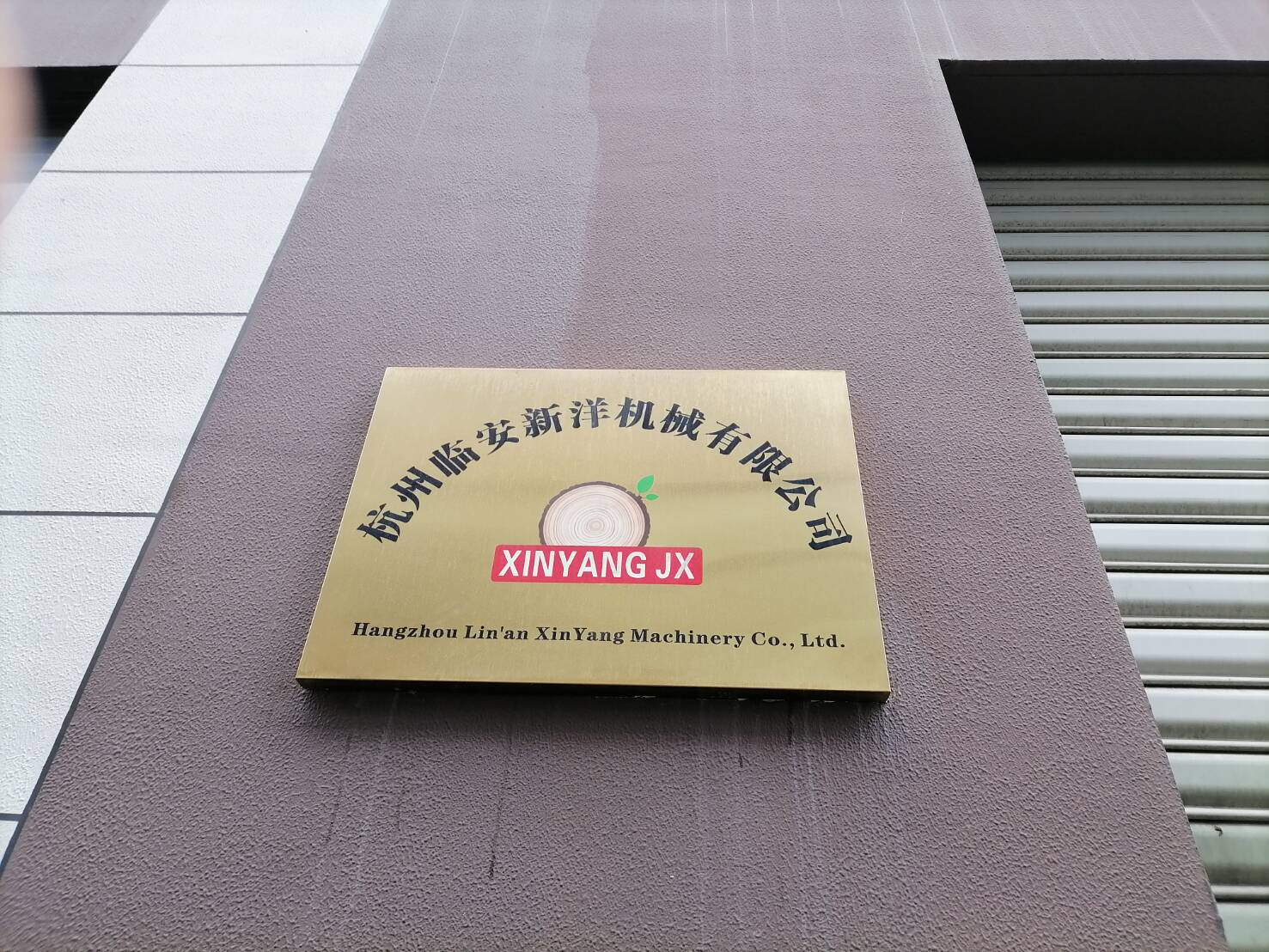
Figure: Manufacturing facility overview.
5. Integration with Complementary Equipment
A grinding machine is part of a broader blade maintenance ecosystem. For optimal results, consider its integration with:
- Tooth Picking Machines: Used to adjust the band saw blade's tooth pitch and sawing path. Models like the MF4050 handle teeth spaces of 12~30mm and blade widths of 0~100mm.
- Band Saw Machines: The primary equipment whose blade life and cutting quality the grinder directly supports. Ensuring compatibility in terms of blade specifications is key.
Procuring from a supplier with a comprehensive product line, such as one offering horizontal band saw machines, vertical band saw machines, band saw blade grinding machines, and tooth picking machines, can simplify sourcing and ensure better compatibility.
6. Checklist for Final Procurement Decision
Use this checklist to ensure all critical aspects have been addressed before finalizing your purchase:
Selecting the right band saw blade grinding machine requires a balance between precise technical requirements, total cost of ownership, and the reliability of the supplier. By systematically evaluating specifications, comparing supplier offerings on key differentiators, and verifying post-purchase support structures, procurement teams can make informed decisions that enhance operational efficiency and contribute to the long-term productivity of their woodworking facilities.
For detailed technical specifications and product information, you can refer to the company brochure: Download XINYANGJX Product Brochure (PDF).