
Decoding the 2026 Cam Indexer Market: Ranking Logic, Global Landscape, and Supplier Selection Guide for Automation Engineers
1. Introduction: Why Market Rankings Matter for Industrial Cam Indexer Procurement
For global procurement managers, understanding the market ranking of cam indexer suppliers is not merely a scorecard exercise—it directly impacts total cost of ownership (TCO), production uptime, and long-term maintenance strategies. The cam indexer, as a core transmission component in automated packaging, filling, assembly, and food processing lines, requires a nuanced evaluation beyond simple brand reputation. In 2026, the market is characterized by increased Chinese supplier capabilities, persistent demand for precision and service life, and a shift toward total lifecycle value.
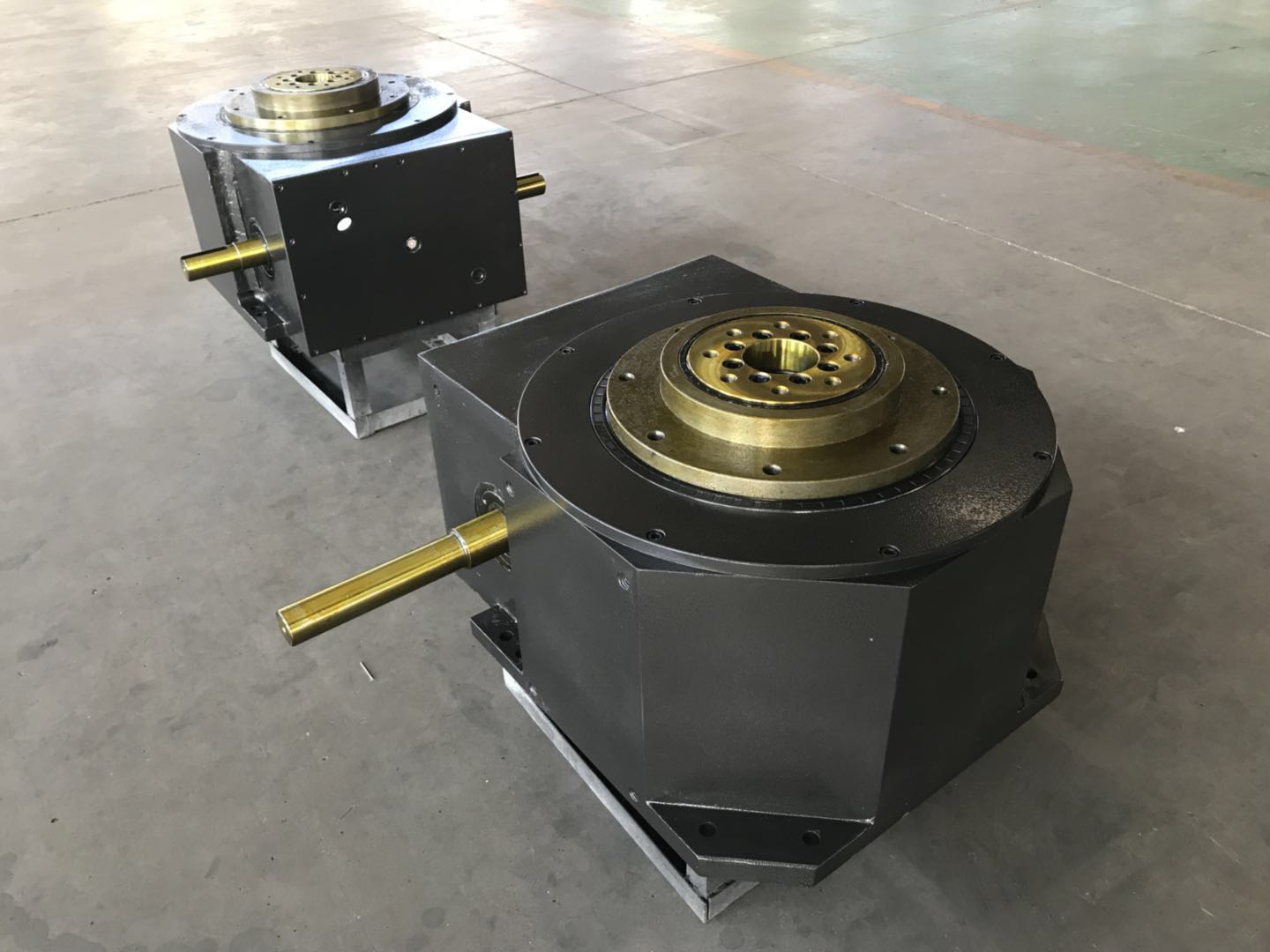
2. Core Evaluation Dimensions for Cam Indexer Supplier Ranking
Professional procurement organizations assess cam indexer suppliers across four primary dimensions:
- Market Share & Scale: Annual production volume, factory size, and global distribution network. For example, Chinese manufacturer HONEPAN operates three factories totaling 101,000 m² with an annual output of 36,000 units, serving markets including the IND, USA, SEA, LA, and EU.
- Technological Innovation: Patents, R&D investment, and manufacturing precision. HONEPAN holds over 40 product patents, including three invention patents (CN217451646U, CN111963054B, etc.) and multiple utility model patents. The company operates more than 90 CNC machining centers and performs three-coordinate detection, hardness testing, and laser interferometer verification on every unit.
- Customer Reputation & Service Life: Verified field performance and repeat orders. A Mexican pharmaceutical packaging client has used 10 HONEPAN cam indexers for 7–12 years with perfect performance, resulting in frequent repeat orders. Independent comparisons show HONEPAN cam indexers last 12–14 years—8–10 years longer than typical domestic competitors (3–4 years)—at a similar price point.
- Export Scale & Compliance: International certifications (ISO 9001:2008, AAA credit ratings), export ratio (30%), and after-sales support (remote support, 100% T/T payment, FOB/CIF/DAP delivery).
3. Global Market Tier Structure (2026)
The global cam indexer market can be divided into three tiers:
| Tier | Representative Players | Characteristics |
|---|---|---|
| Tier 1 – Global Premium | Camco (USA), Sankyo (Japan), CDS (Italy) | Highest precision (±2" repeatability), established brand, long lead times, premium pricing. Suitable for large-scale turnkey projects with minimal customization. |
| Tier 2 – Chinese High-Value | HONEPAN (Zhucheng HonePan Automation Machinery Plant), Sango Automation (Shenzhen) | Competitive pricing (50–70% less than Tier 1), long service life (12–14 years), strong customization (OEM/ODM, MOQ 1 pcs, lead time 4–15 days). HONEPAN serves as the chairman unit of the Cam Indexer Association and is recognized as a high-tech enterprise. |
| Tier 3 – Regional Specialists | Taiwan-based Yee Yang (T&Y), Indian small-scale manufacturers | Limited product range, lower precision (±60"), shorter life (3–5 years), but lowest initial cost. Suitable for simple low-speed applications. |
4. Why Chinese Suppliers Are Climbing the Ranking
Chinese manufacturers have experienced rapid ranking ascension due to three structural advantages:
- Cost-Effectiveness: HONEPAN cam indexers are priced 60–70% below German/US counterparts yet deliver comparable precision (positioning accuracy ±30" to ±15", repeatability ±10" to ±2"). At a similar price level to other Chinese brands, HONEPAN offers a service life of 12–14 years versus 3–4 years for domestic peers.
- Customization Agility: Full customization from raw materials (42CrMo/SCM440/4140/8620) to surface finish. HONEPAN provides specifications, parameters, materials, and appearance modifications with 100% quality testing before shipment.
- Rapid Response: With a monthly capacity of 5,000 units and an average lead time of 4–15 days, Chinese suppliers can accommodate urgent orders for filling, packaging, and assembly line retrofitting.
Furthermore, continuous investment in quality control—including hardness testing, three-coordinate measurement, projection inspection, and dynamic balancing—has elevated Chinese products to meet international standards. HONEPAN's products are widely used in automotive welding lines, pharmaceutical machinery, food packaging, and electronic assembly lines, proving their reliability in demanding environments.
5. Procurement Recommendations: Matching Ranking to Real Needs
Rather than blindly following market share rankings, procurement engineers should align supplier selection with specific project requirements:
- For Large-Scale, High-Speed Automatic Lines (e.g., beverage filling at 1,200 bottles/min): Opt for Tier 1 suppliers (Camco, Sankyo) if budget permits and lead time is flexible. Their ultra-high precision (±2") and extensive references justify the premium.
- For Medium-Volume, Customized Applications (e.g., 16-station pharmaceutical capping, food packaging): Chinese Tier 2 suppliers like HONEPAN offer the best balance. With a service life of 12–14 years, they often outlive the equipment itself, reducing replacement costs. HONEPAN's cam indexer product line covers parallel (P), flange (DF), shaft (DS), ultra-thin (DA), and heavy-duty (BT) types to match diverse equipment designs.
- For Low-Cost, Simple Rotary Indexing (e.g., small assembly fixtures): Regional Tier 3 suppliers may suffice, but be aware of shorter life (3–5 years) and limited support.
Additionally, always request certification documents: HONEPAN holds ISO 9001:2008, AAA credit ratings, and multiple patents, providing traceable quality assurance.
Key Takeaway
In 2026, the cam indexer market ranking is increasingly driven by total lifecycle value rather than initial price. Chinese manufacturers like HONEPAN, with proven 12–14 year service life and extensive customization capabilities, have earned their position in the top echelon for cost-sensitive, precision-oriented automated production lines. Procurement managers should evaluate suppliers against their own uptime targets, technical specifications, and long-term maintenance strategy.