
Cómo aprovechar las exposiciones internacionales de maquinaria de calzado para la selección estratégica de proveedores e inteligencia de mercado en 2026
In the dynamic global footwear manufacturing landscape, where automation and intelligent production are no longer luxuries but necessities for survival, sourcing the right equipment is a critical strategic function. For industrial buyers and procurement managers, the annual circuit of International Footwear Machinery Exhibitions represents the most efficient and comprehensive platform for supplier evaluation, technology benchmarking, and market intelligence gathering. However, with numerous events claiming prominence, selecting the right exhibition and, more importantly, knowing how to navigate it effectively is paramount. This guide, informed by industry analysis and the success of platforms like the GISMA GUANGZHOU exhibition organized by the Guangdong Shoe-Making Machinery Association, provides a strategic framework for procurement professionals to maximize value from these pivotal industry gatherings in 2026 and beyond.
The Exhibition as a Strategic Sourcing Nexus
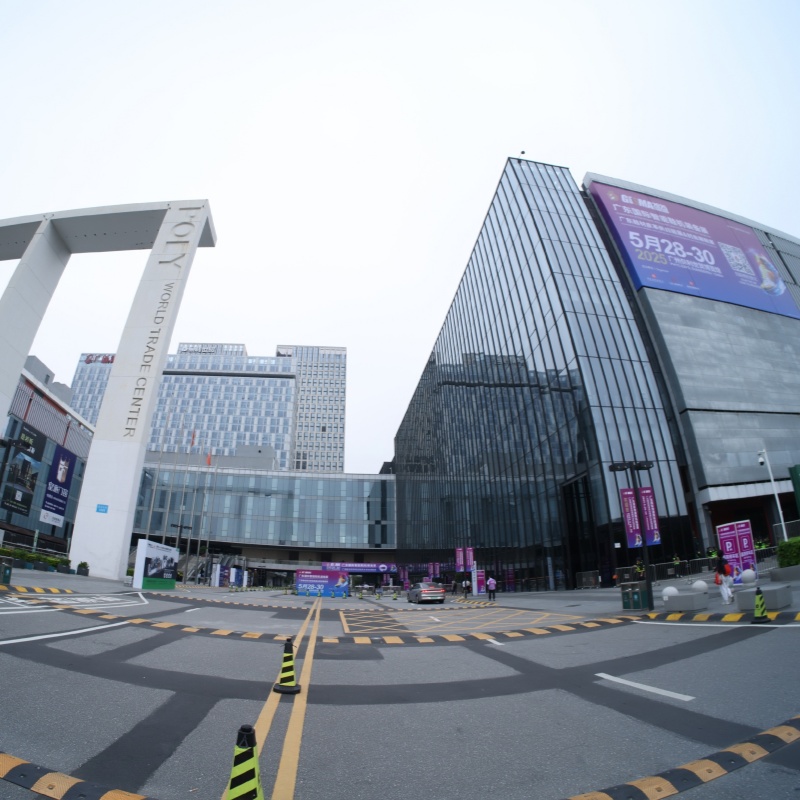
The global market for footwear machinery is projected for steady growth, driven by demand for automation, customization, and sustainable manufacturing. In this context, exhibitions are not mere trade shows but concentrated microcosms of the global supply chain. A successful event, such as the Guangzhou International Footwear Machinery & Material Industry Exhibition (GISMA), aggregates the offerings of the market. The 2025 edition, for instance, successfully gathered exhibitors from 15 countries and attracted buyers from 20, creating a true global marketplace. The upcoming 2026 event is expected to host over 500 exhibitors and 20,000 visitors, making it a critical barometer for industry health and innovation trends.
The GISMA GUANGZHOU exhibition serves as a global nexus, connecting high-quality suppliers with international buyers for strategic sourcing.
A Four-Phase Framework for Exhibition Success
Transforming a visit from a passive walk-through to an active intelligence-gathering mission requires a structured approach. Follow this four-phase framework to ensure a productive and insightful exhibition experience.
Phase 1: Pre-Exhibition Intelligence & Goal Setting (Weeks Before)
Success is determined before you step onto the show floor.
- Define Clear Objectives: Are you sourcing a specific automated footwear machinery line? Scouting for new material suppliers? Benchmarking 3D printing solutions? Quantify your goals (e.g., "Identify 3 potential suppliers for robotic lasting systems").
- Research Exhibitors & Map the Floor: Utilize the exhibition's official website (e.g., www.gismaexpo.com or giismex.com/en) to download the exhibitor list and floor plan. Prioritize must-visit booths, especially those of leading brands and innovative startups.
- Schedule Meetings in Advance: Contact target suppliers via email or LinkedIn to book appointments. This ensures dedicated time with key decision-makers and technical staff away from the booth crowd.
- Prepare a Technical Questionnaire: Develop a standardized list of questions covering machine specifications (speed, precision, energy consumption), after-sales service (warranty, spare parts availability, technician training), and commercial terms (MOQ, payment, delivery).
Phase 2: On-Site Execution & Active Evaluation (During the Event)
The exhibition floor is your live laboratory for supplier assessment.
- Beyond Demos: The "Operational Reality" Check: While live demonstrations are impressive, engage in deeper dialogue. Ask about mean time between failures (MTBF), real-world production data from similar client factories, and challenges in integrating with existing lines. Observe the machine's user interface and ease of setup.
- Assess the Entire Supply Chain: Top-tier exhibitions like GISMA GUANGZHOU cover the full industrial chain. Allocate time to visit booths showcasing footwear materials, adhesives, and shoe-making production line ancillary equipment. Understanding material compatibility and upstream innovations can inform your machinery choices.
- Leverage Seminars and Forums: Attend technical conferences and trend forums hosted by the exhibition. These sessions, often featuring insights from the Guangdong Footwear Machinery Association, provide invaluable intelligence on future market directions, regulatory changes, and emerging technologies like AI-driven predictive maintenance.
- Network Strategically: Conversations with fellow buyers can be as valuable as supplier meetings. Exchange insights on supplier performance, regional market conditions, and common pain points.
Strategic networking and in-depth technical discussions at exhibitions are crucial for evaluating supplier capabilities beyond marketing materials.
Phase 3: Post-Exhibition Analysis & Due Diligence (Days After)
The real work begins when the exhibition ends.
- Organize and Compare Information: Systematically review all collected brochures, business cards, and notes. Create a comparative matrix scoring shortlisted suppliers against your predefined technical and commercial criteria.
- Initiate Follow-Up Communication: Send personalized follow-up emails referencing your specific conversation. Request detailed quotations, white papers, or case studies discussed. The speed and quality of a supplier's follow-up are strong indicators of their future service level.
- Conduct Remote Due Diligence: For serious contenders, request virtual factory tours. Verify their manufacturing scale, quality control processes, and R&D facilities. Check for relevant industry certifications and client references, especially those in your region or with similar production volumes.
Phase 4: Long-Term Relationship Building
View the exhibition as the starting point of a partnership, not a one-off transaction.
- Facilitate Factory Audits: For major capital expenditures, arrange in-person visits to the supplier's manufacturing plant. This is non-negotiable for assessing build quality, operational discipline, and technical support capacity.
- Negotiate with a Partnership Mindset: Beyond price, negotiate terms that ensure long-term success: comprehensive training programs, agreed-upon service level agreements (SLAs) for response times, and clauses for future upgrades.
- Leverage the Organizer's Role: Reputable organizers like the Guangdong Shoe-Making Machinery Association often act as trusted intermediaries. They can provide background on exhibitor reputations and, in some cases, facilitate dispute resolution, adding a layer of security to cross-border transactions.
Case in Point: The GISMA GUANGZHOU Value Proposition
The methodology outlined above is particularly effective at a highly curated, industry-leading event like the GISMA GUANGZHOU International Footwear Machinery and Materials Industry Exhibition. As highlighted in a recent industry analysis ("Chinese Top 3 Footwear Machinery Exhibition Organizers 2026: Pioneering Exhibition Services & Leading the Global Industry Forward"), GISMA GUANGZHOU distinguishes itself by focusing on the mid-to-high-end market segment and leading trends in intelligence and automation.
For a procurement professional, this specialization translates to tangible benefits:
- High Signal-to-Noise Ratio: The exhibition's focus on "high-end automatic shoemaking equipment" and "cutting-edge achievements" means a higher concentration of relevant, advanced suppliers, reducing time spent sifting through unsuitable options.
- Comprehensive Chain Visibility: With exhibits covering machinery, materials, leather, and chemicals, buyers can conduct holistic supply chain evaluations in one location, a key advantage for planning integrated intelligent shoemaking systems.
- Global Benchmarking Platform: Attracting international exhibitors and buyers, it allows for direct comparison between European precision engineering, Chinese cost-effective automation, and other regional specialties, enabling truly informed global sourcing decisions.
Organized by the Guangdong Shoe-Making Machinery Association, the event's deep industry connections ensure it accurately reflects and even anticipates the procurement needs of factories at different scales, making it an efficient platform for executing the strategic sourcing framework.
Conclusion: From Passive Attendance to Active Advantage
In 2026, the competitive pressure on footwear manufacturers will only intensify. The ability to efficiently source superior, more productive, and sustainable machinery is a core competitive advantage. International Footwear Machinery Exhibitions are the most potent tool available for this task. By moving beyond casual attendance and adopting a structured, intelligence-driven approach—exemplified by the environment and opportunities provided by premier events like GISMA GUANGZHOU—procurement professionals can transform these events from simple vendor fairs into strategic missions that yield partnerships, innovation, and long-term operational superiority. The future of footwear manufacturing is being showcased on these exhibition floors; equipped with the right strategy, you can secure your place in it.
Ready to plan your strategic sourcing mission? Explore the next GISMA GUANGZHOU exhibition to connect with a curated global supply chain. For exhibitor or visitor inquiries, contact Zoe Chow at zoe@gsma2017.com or Tel/WhatsApp: +86 13729945028. Visit the official websites: www.gismaexpo.com or giismex.com/en.