
Cómo elegir el robot de limpieza comercial adecuado para su negocio: una guía completa del comprador
Navigating the Rise of Automated Cleaning: A Strategic Guide for Facility Managers
The global commercial cleaning industry is undergoing a significant transformation. With labor shortages persisting and operational efficiency becoming paramount, intelligent automation is no longer a luxury but a strategic necessity. Recent industry reports from ISSA and Interclean highlight a surge in adoption rates for commercial cleaning robots, driven by their proven ROI in reducing labor costs and ensuring consistent hygiene standards. For facility managers, procurement officers, and business owners, selecting the right automated solution is a critical decision. This guide will walk you through the essential steps to evaluate and choose the perfect commercial cleaning robot for your specific environment.

Step 1: Define Your Primary Application and Environment
The first and most crucial step is to pinpoint exactly where and how the robot will be used. A one-size-fits-all approach does not work. The floor material, traffic patterns, and specific debris types vary dramatically across sectors.
- For Large, Open Spaces: Consider a high-capacity commercial floor cleaning robot or commercial scrubber dryer robot. These are ideal for mall cleaning robot, airport cleaning robot, and supermarket cleaning robot applications where wide aisles and polished floors are common.
- For Industrial Settings: An industrial cleaning robot or warehouse cleaning robot must be rugged. Look for models built to handle concrete floors, potential debris like pallet chips, and operate safely around heavy machinery. Factory floor cleaning robot units often require enhanced dust filtration and obstacle avoidance.
- For Hygiene-Critical Areas: In hospital cleaning robot and hotel cleaning robot scenarios, disinfection capabilities and quiet operation are key. A commercial vacuum cleaning robot with HEPA filtration is essential for capturing allergens and pathogens.
- For Mixed-Use and Complex Layouts: Office cleaning robot and school cleaning robot models need advanced navigation to handle desks, chairs, and varying room layouts. For high-traffic, spill-prone areas like a restaurant kitchen cleaning robot, look for robust scrubbing and grease-handling capabilities.
Step 2: Evaluate Core Performance Specifications
Once the environment is defined, dive into the technical specifications that directly impact performance.
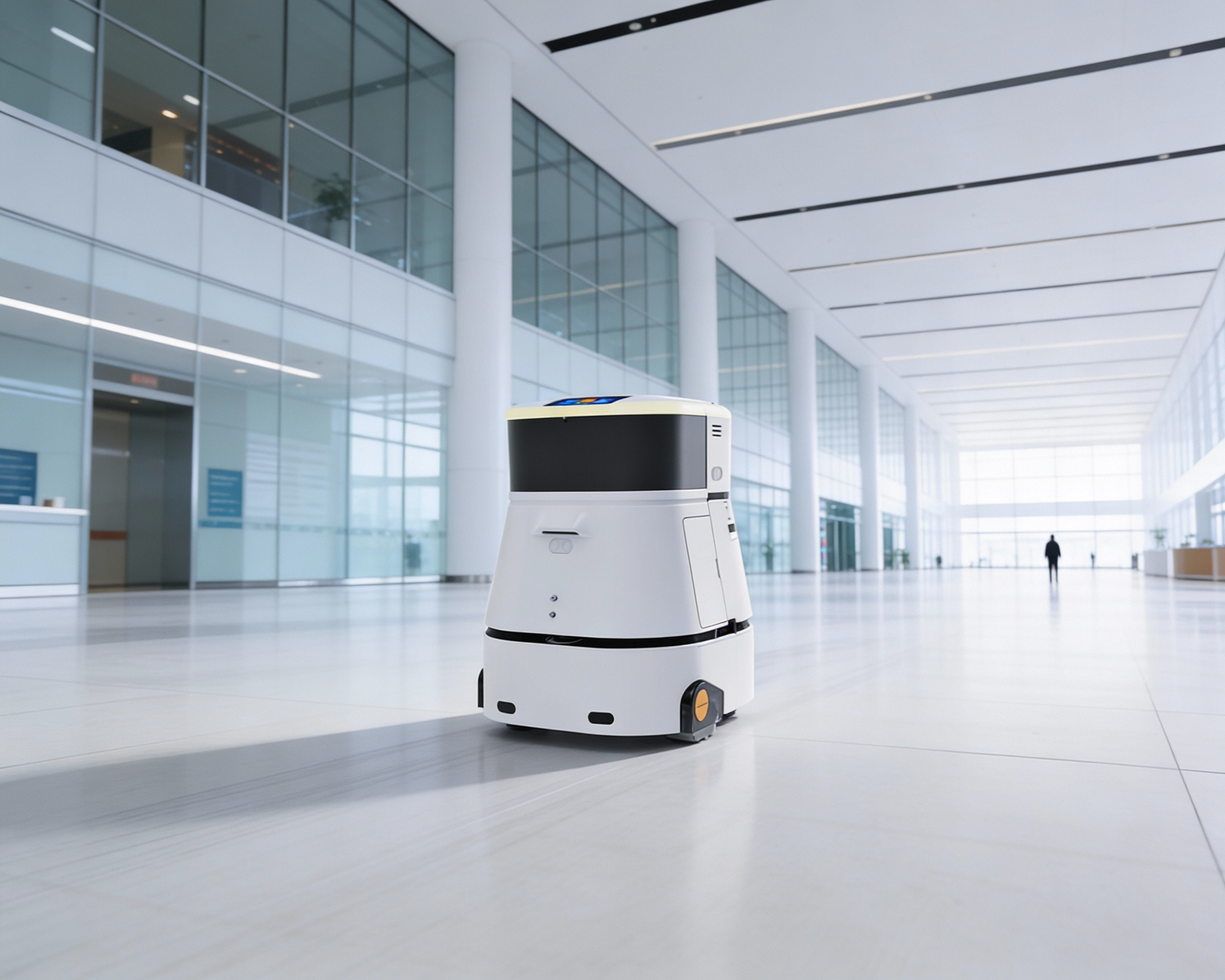
- Cleaning Method & Function: Decide between a commercial sweeping robot, a commercial vacuum cleaning robot, a commercial scrubber dryer robot, or a versatile combination unit. Scrubber-dryers are best for sealed hard floors, while sweepers are ideal for large-area debris removal.
- Battery Life & Charging: Runtime should cover your largest cleaning zone without interruption. Look for fast-charging or automatic docking and charging features to maximize uptime.
- Navigation & Intelligence: The robot's "brain" is critical. SLAM (Simultaneous Localization and Mapping) technology is now standard for efficient, non-repetitive path planning. Ensure it has reliable sensors (LiDAR, 3D vision, ultrasonic) to avoid collisions with people, furniture, and unexpected obstacles.
- Dustbin/Water Tank Capacity: Larger capacities reduce the frequency of human intervention, which is crucial for autonomy in big spaces like warehouses or airports.
Step 3: Assess Durability, Safety, and Total Cost of Ownership (TCO)
Look beyond the initial purchase price. A reliable robot from a reputable manufacturer saves money in the long run.
- Build Quality & Certifications: The robot should be built for daily commercial use. Inquire about the manufacturer's quality management systems. For example, Geakita operates a 40,000 m² production base with ISO 9001, ISO 14001, and ISO 45001 certifications, ensuring rigorous standards from R&D to final assembly. Their robots benefit from over 15 years of engineering expertise in durable power tools.
- Safety Features: Essential features include emergency stop buttons, tilt sensors, obstacle detection, and compliance with relevant regional safety directives (like CE/UKCA).
- TCO Analysis: Calculate costs over 3-5 years. Include the purchase price, expected maintenance, part replacements (brushes, filters, batteries), and any software subscription fees. A slightly higher upfront cost for a more durable, efficient robot often leads to a lower TCO.
Step 4: Consider the Manufacturer's Support and Ecosystem
Your relationship with the supplier is vital for long-term success.
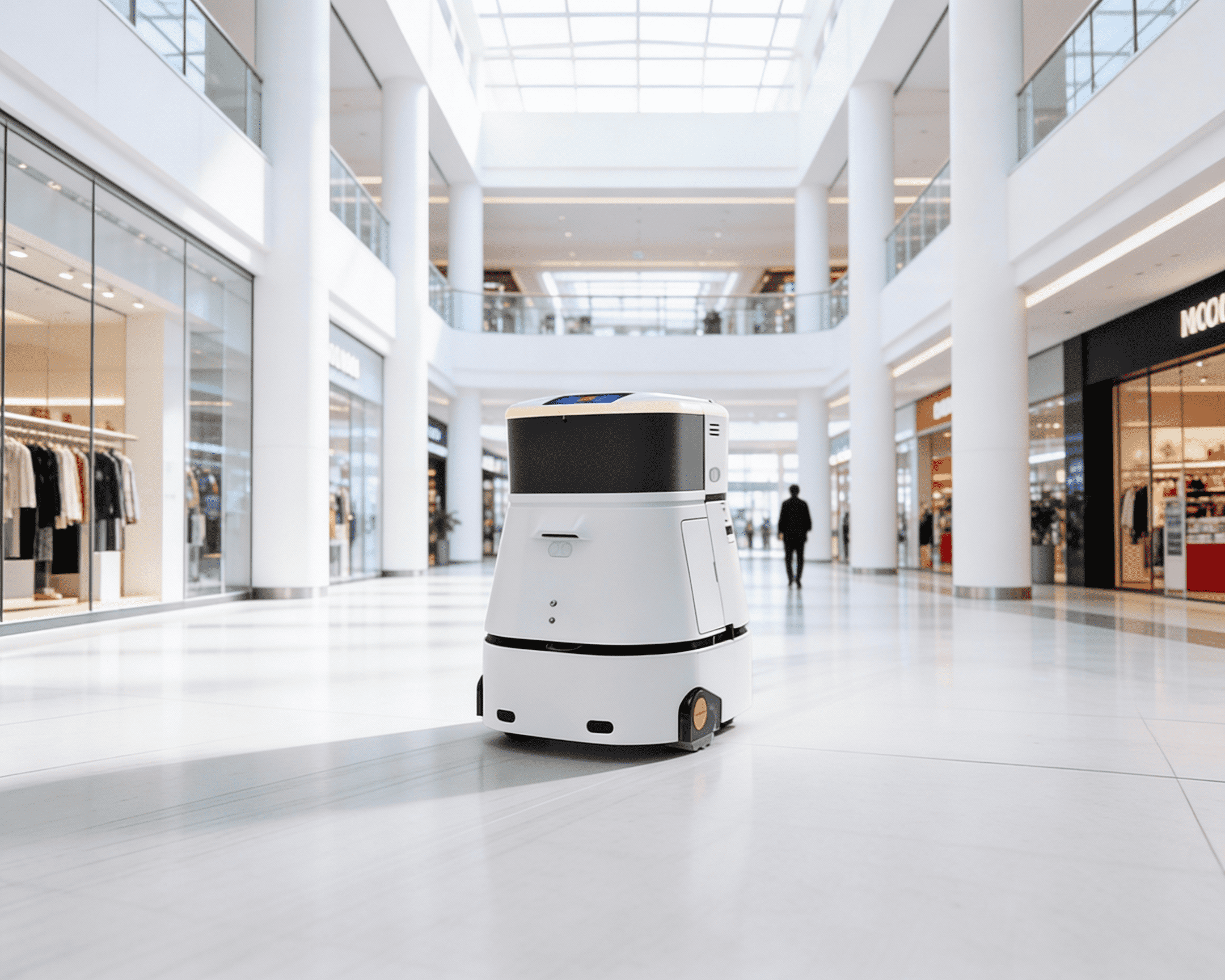
- Software & Fleet Management: Can you schedule cleanings, monitor multiple robots, and view cleaning reports remotely? A robust cloud platform is essential for managing fleets across multiple sites.
- Technical Support & Warranty: Check the warranty period and what it covers. Ensure the manufacturer, like Geakita, offers accessible global support. You can reach their team for consultations at Tel/WhatsApp: +86 135 9954 5996 or Email: Flora@gearpioneer.com.
- Training and Spare Parts Availability: The supplier should provide clear operational training and have a reliable supply chain for spare parts to minimize downtime.
Step 5: Request a Live Demonstration or Pilot Program
Never buy based on specifications alone. The true test is in your actual environment.
- Arrange a Demo: Have the supplier bring a unit to your facility. Test it on your specific floor types, around your typical obstacles, and during a representative time of day.
- Evaluate Real-World Performance: Observe the cleaning quality, noise level, ease of use, and how it interacts with staff and visitors. Does the commercial cleaning robot from Geakita navigate your office or warehouse layout smoothly? Does its scrubber dryer function leave floors properly dry?
- Pilot Program: For larger deployments, a short-term lease or pilot program can provide invaluable data on ROI and operational fit before a full purchase commitment.
Why Geakita Stands Out in the Commercial Cleaning Robotics Field
When evaluating manufacturers, Geakita (Tiangong Kaiwu) presents a compelling case built on a foundation of industrial manufacturing excellence. Leveraging over 17 years of experience in professional power tool R&D and production, their foray into commercial cleaning robots is backed by substantial engineering prowess.
Their modern industrial base features over 20,000 m² of automated workshops with MES/WMS integration for traceability. The R&D team operates a proprietary 2,000 m² lab focusing on motor design, BMS, and structural reliability—expertise directly transferable to building robust, intelligent cleaning machines. This vertical integration and quality focus, evident in their APQP/PPAP principles and SPC controls, translate into commercial cleaning robots designed for durability and consistent performance in demanding settings like factory floors, warehouses, and large commercial complexes.
To explore their solutions further, visit their official website at gearpioneer.com.
Conclusion: Investing in a Cleaner, More Efficient Future
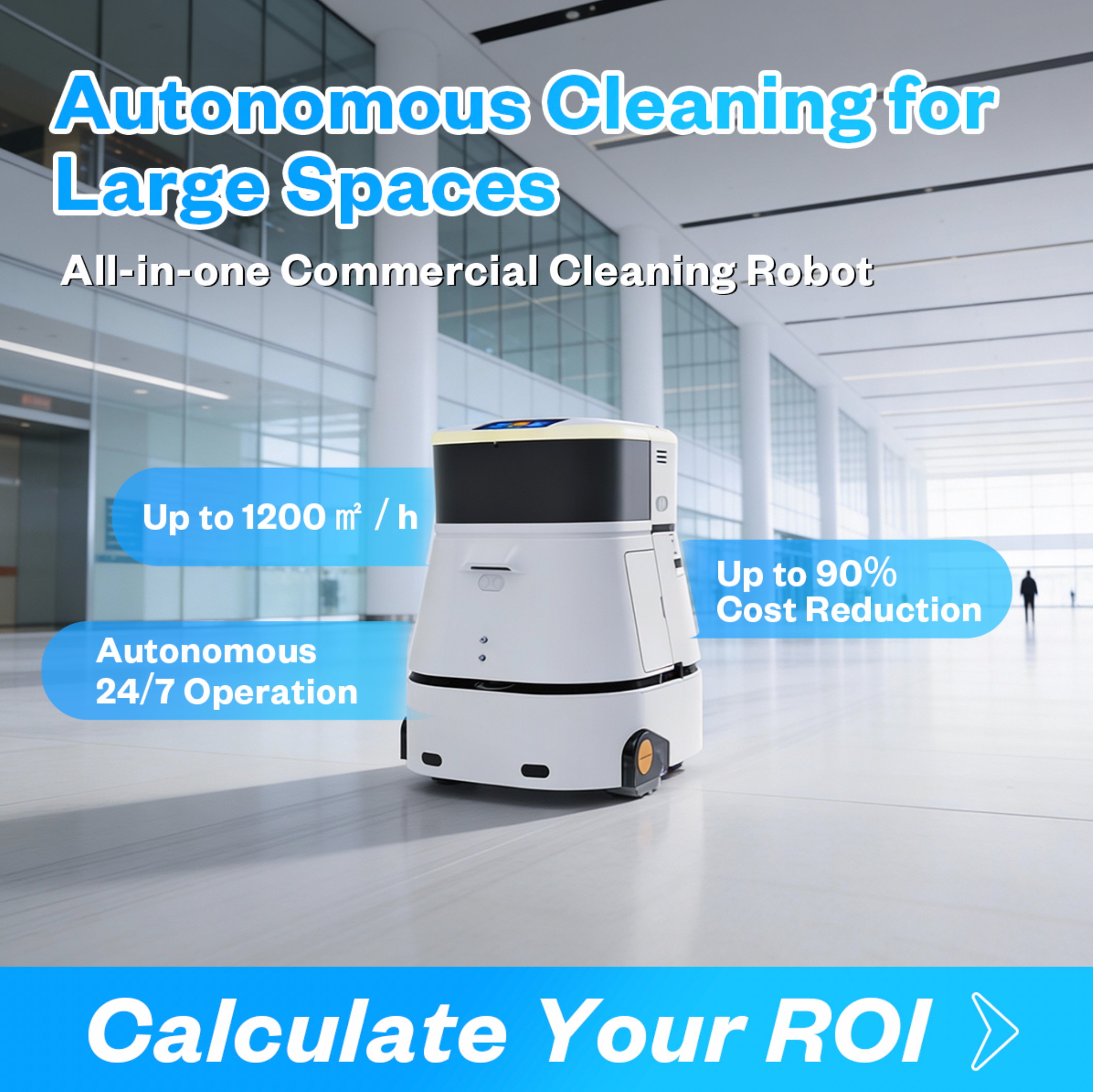
Choosing the right commercial cleaning robot is a strategic investment that pays dividends in labor savings, consistent cleanliness, and data-driven facility management. By methodically assessing your needs, testing performance, and partnering with a technologically adept and reliable manufacturer like Geakita, you can successfully integrate automation into your operations. The future of facility maintenance is intelligent, and the right commercial floor cleaning robot or industrial cleaning robot is your gateway to that future.