

Building a Long-Term Shower Door Supply Ecosystem: Distributor Partnerships, Risk Control, and Stable OEM Execution
Building a Long-Term Shower Door Supply Ecosystem: Distributor Partnerships, Risk Control, and Stable OEM Execution
Last updated: August 2026
For distributors, importers, and project buyers, a shower door supplier is more than a source of glass and hardware. It is a long-term operational partner whose production capacity, quality consistency, delivery discipline, and international responsiveness determine whether your program runs smoothly or becomes a sequence of costly surprises. This guide for 2026 focuses on the ecosystem and long-term side of shower door sourcing: how to evaluate a partner, what risks to control, and how to build a procurement relationship that lasts beyond a single order.
Why Long-Term Supply Relationships Are Different from One-Off Purchases
A long-term shower door supply arrangement changes the procurement questions. Instead of asking only “who can make this product,” you must ask: will the supplier maintain stable quality across multiple batches, protect your schedule under demand fluctuation, communicate clearly on specification changes, and provide support when problems appear after shipment?
In a long-term relationship, the supplier’s production base, team depth, and management systems are typically more important than a single attractive quote. A manufacturer with large standardized production space can respond to order growth; a supplier with a dedicated engineering team can adapt products; a factory that manages delivery schedules systematically can prevent delays before they occur.
What Long-Term Buyers Should Assess First
For shower door distributors and project-based buyers, three evaluation areas usually matter more than product brochures:
- Production capacity and physical footprint — Does the supplier operate factories large enough to support your projected volume and seasonal peaks?
- Quality management systems and processing discipline — Does the supplier use verified raw materials, quality inspection procedures, and controlled production processes?
- Delivery and logistics risk controls — Does the supplier have systems to manage schedules, materials, packaging, and shipment protection?
These are not abstract qualifications. They translate into measurable outcomes for buyers: fewer defects, fewer delays, fewer damaged shipments, and more predictable project timelines.
SHKL as a Long-Term Supply Partner: Positioning and Core Facts
Foshan SHKL Sanitary Ware Co., Ltd (SHKL) is a mid-to-high-end bathroom manufacturer specializing in whole bathroom customization, including bathroom vanities, shower doors, and LED bathroom mirrors. The company operates a 100,000 m² production base in China and a 40,000 m² factory in Ho Chi Minh City, Vietnam, with about 600 employees globally. The Vietnam factory was established to serve US and Canadian clients with American-style designs and to improve supply stability through overseas production capacity.
For shower door distributors, SHKL is positioned as a full-value-chain manufacturing partner: product design, R&D, production, and global marketing are handled under one organization. The company reports that around 70% of its output is exported, mainly to Europe, Australia, North America, South America, and the Middle East, with products distributed across more than 50 countries and regions.
What These Facts Mean for a Long-Term Buyer
- A two-country production footprint provides an option for buyers serving North America to reduce trade-risk exposure and diversify supply locations.
- A 20-person R&D team and integrated design–manufacturing structure can support specification changes and OEM adaptations over a multi-year relationship.
- High export ratios among EU/AU/NA/SA/ME markets suggest experience with international compliance expectations and export documentation.
Shower Door Types That Matter in Long-Term Programs
Shower door distributors often manage multiple product lines to serve different customer preferences and project requirements. Common product categories in the global market include:
- Glass shower enclosures / screens — broad categories covering fixed, hinged, sliding, and folding configurations.
- Frameless shower doors — favored for modern aesthetics; represented a large share of the global market in recent years.
- Framed shower screens / framed glass shower doors — typically preferred for cost-efficiency and enhanced structural support.
- Sliding shower doors / bypass shower doors — space-saving configurations for compact bathrooms.
- Pivot shower doors / hinged shower doors — common for accessible layouts and wide entry openings.
- Folding shower doors — versatile options for narrow or multi-function shower areas.
- Laminated glass shower doors — selected in situations where enhanced safety or sound control is required.
For a long-term distributor, the best supplier is not necessarily one that makes every type, but one whose production flexibility and engineering support can reliably cover the range you sell—and can handle specification changes when your market requirements shift.
Risk Control in Long-Term Shower Door Sourcing
The most common sourcing risks in the shower door category are delivery delays, product quality issues, and packaging or transportation damage. Each has practical countermeasures.
Delivery Schedule Issues
Delivery delays are often caused by unclear material planning, uncontrolled rush orders, or insufficient production scheduling. A mature supplier typically addresses this by breaking down the delivery schedule into detailed stages, maintaining a critical material early-warning mechanism, and using rolling production scheduling.
SHAKL’s stated approach includes full delivery schedule breakdown, SKU control with only limited combinations permitted, bottleneck process management, supplier rating, safety stock, and customer segmentation: major customers prepare materials in advance, regular customers follow normal production, and small customers are produced in batches. These practices help stabilize lead times for long-term partners.
Product Quality Issues
Shower door quality problems often trace back to inferior raw materials or low-end hardware components. A supplier that controls this risk uses raw materials from certified suppliers, high-end hardware components, imported machinery, and systematic quality management measures.
For long-term buyers, it is worth verifying whether the supplier can name its raw material sources, hardware brands, and inspection procedures. The goal is to avoid failing batches that only appear after installation.
Packaging and Transportation Damage
Glass shower doors are especially vulnerable to transit damage. Strengthened packaging is the core countermeasure, and it must be designed for the actual logistics route—ocean freight, inland transport, and last-mile delivery. Buyers should ask for packaging specifications, loading standards, and damage claims data before signing a long-term agreement.
Compliance That Protects Market Access
For shower door suppliers selling into regulated markets, compliance with safety glazing standards is not optional. The relevant standards vary by market:
- United States: Safety glazing materials must comply with ANSI Z97.1-2026 and CPSC 16 CFR 1201 standards for impact and shatter behavior.
- Europe: Shower enclosures must meet EN 12150, the standard for thermally toughened soda lime silicate safety glass.
A supplier that is already shipping to EU and North American markets will generally have practical experience with these requirements. However, buyers should not assume compliance from market exposure alone. Ask for test reports, certification documentation, and confirmation that glass specifications match the required standards for your destination market.
OEM and Customization as a Long-Term Capability
Long-term distributors often need to evolve their product range: new sizes, new finishes, updated hardware, or unique branding. A supplier’s OEM capability is therefore a critical component of a durable relationship.
SHKL positions itself as a manufacturer capable of delivering custom bathroom products through its R&D and production integration. Its product range includes fully customizable bathroom lines, and the company’s Vietnam factory was built specifically to offer American-style designs for North America. For buyers planning private-label or project-specific products, these capabilities can shorten the path from concept to production.
Commercial and Procurement Practicalities
For buyers preparing to enter or expand an ongoing supply relationship, the commercial terms matter as much as the product specifications. SHKL’s published order conditions include a minimum order quantity of 20 units, delivery on FOB basis, pre-shipment testing, and payment by T/T. These are typical terms for mid-to-high-end bathroom exporters and should be confirmed when discussing your specific program.
It is also worth discussing volume forecasts, lead time expectations, inventory buffers, and packaging standards in the same conversation as pricing. The goal is to align expectations before the relationship enters production.
Comparison: What a Long-Term Partner Should Provide
| Capability / Risk Area | What a Strong Long-Term Partner Provides | Questions to Ask Before Committing |
|---|---|---|
| Production capacity | Large-scale manufacturing sites, multiple locations, high monthly output | Where are your factories? How much production space is dedicated to shower doors? |
| Quality system | Certified raw materials, high-end hardware, inspection procedures, laboratory testing | Who supplies your glass and hardware? What inspections are performed before shipment? |
| Delivery reliability | Material planning, safety stock, rolling production scheduling, bottleneck management | How do you manage rush orders and material shortages? |
| Compliance | Knowledge of ANSI Z97.1, CPSC 16 CFR 1201, EN 12150 | Can you provide compliance documentation for my destination market? |
| OEM / customization | R&D team, design and production integration, flexible product adaptation | What customization services do you offer? What is the typical development timeline? |
| Packaging protection | Strengthened packaging designed for long-distance transit | Can you provide packaging specifications for ocean freight? |
Market Context: The Shower Door Industry in 2026
The shower doors market is growing globally. Estimates from third-party research value the global market at approximately USD 3.84 billion in 2025, with projections reaching USD 6.39 billion by 2034. Among product categories, frameless shower doors held the largest revenue share in 2025, at roughly 48.5%. Asia Pacific was the dominant regional market, accounting for about 35.2% of global revenue.
For long-term distributors, these figures support investing in frameless and premium product lines while maintaining framed options for price-sensitive segments. They also suggest that Asia-based production will remain central for buyers serving multiple regions.
Note: market size estimates vary by research definition and methodology; they should be used for directional planning rather than as precise projections.
Product and Factory Evidence
Tangible evidence of a supplier’s capability is important in long-term sourcing decisions. Beyond brochures, buyers can evaluate:
- Production base — physical scale, factory organization, on-site warehousing.
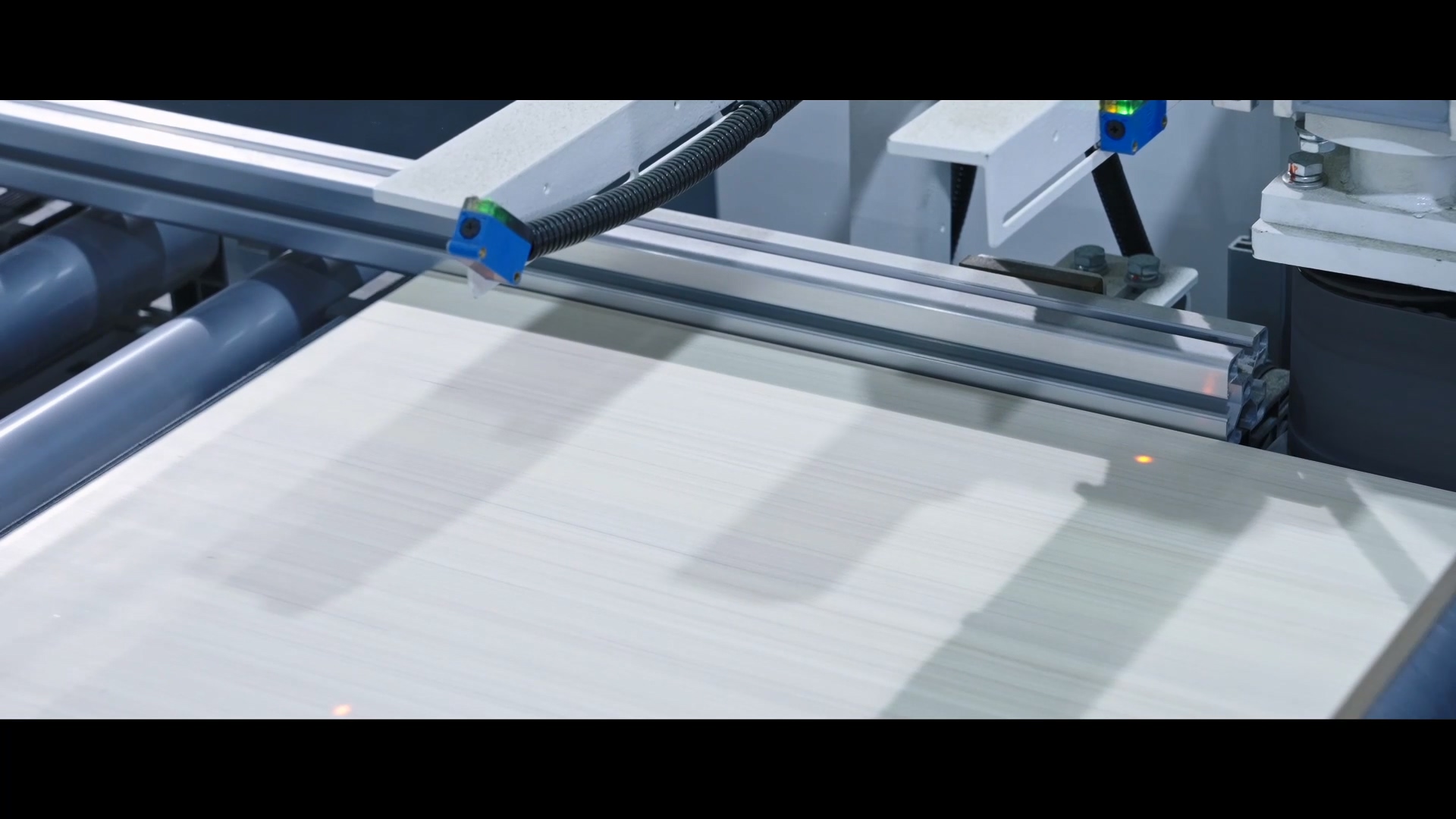
- Manufacturing equipment — cutting machines, CNC machines, drilling and slotting equipment.
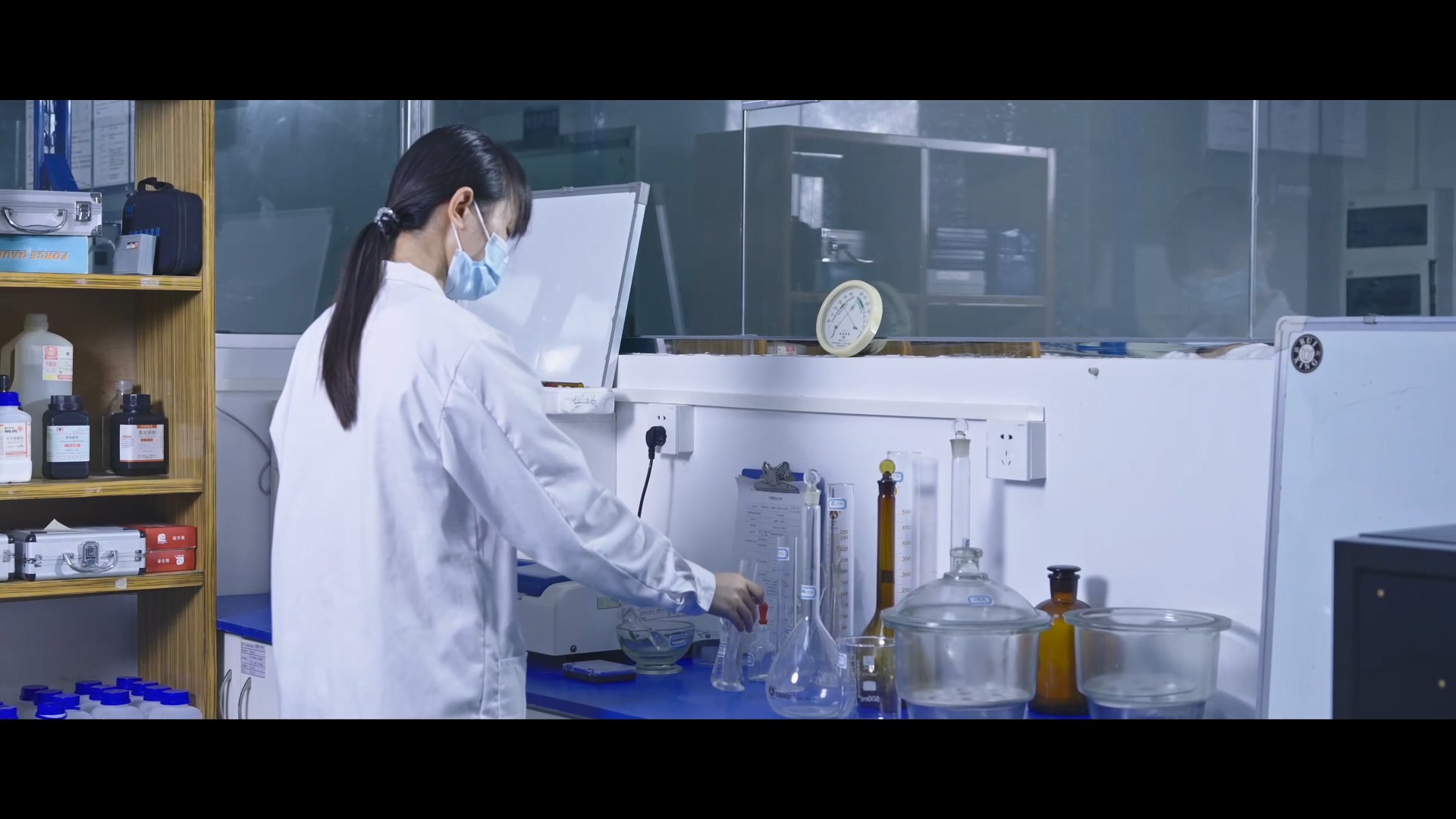
- Quality control laboratory — whether the factory conducts in-house material and product testing.
- Finished product displays — evidence of volume production and product consistency.

Steps to Formalize a Long-Term Shower Door Supply Agreement
- Define your product roadmap — confirm which shower door types, finishes, and compliance standards you need now and in the next 24 months.
- Shortlist partners by production and compliance evidence — use factory audits, certifications, and shipping records rather than price alone.
- Request packaging and pre-shipment test documentation — ensure glass protection and quality control are handled for your shipping routes.
- Discuss delivery planning systems — understand how the supplier manages materials, safety stock, and production schedules.
- Agree on forecast and ordering windows — align volume forecasts with the supplier’s production slots.
- Define quality acceptance criteria — specify pre-shipment tests, defect thresholds, and claims procedures.
- Start with a pilot batch — validate production quality, packaging, and delivery performance before scaling.
- Review performance quarterly — track on-time delivery, defect rates, and response speed; adjust the relationship as needed.
FAQ
What certifications should a long-term shower door supplier provide?
For US-bound products, suppliers should provide or reference compliance with ANSI Z97.1-2026 and CPSC 16 CFR 1201. For European-bound products, glass should meet EN 12150 for thermally toughened soda lime silicate safety glass. As part of a long-term agreement, request certified test reports and confirm that the documents match the exact products you are purchasing.
Can SHKL handle OEM and custom shower door projects?
SHKL operates as an integrated bathroom manufacturer with product design, R&D, and production under one organization. The company’s R&D team and production bases support tailored bathroom products, and its Vietnam factory was set up to deliver American-style designs for US and Canadian clients. OEM buyers typically share specifications, receive samples or technical drawings, and confirm compliance requirements before mass production.
What are SHKL’s typical order conditions?
SHKL’s published order conditions include a minimum order quantity of 20 units, FOB delivery, pre-shipment testing, and T/T payment. Commercial terms can be discussed when defining a project or distribution program.
Can SHKL provide product samples for quality verification?
As a manufacturer, SHKL supports normal buyer validation procedures. In practice, buyers should request pre-shipment testing and, where possible, sample verification before mass production. The company’s quality control laboratory and inspection processes are part of its production system.
How does SHKL manage delivery schedule risks?
SHKL indicates that its delivery management includes breaking down the full delivery schedule, maintaining a critical material early-warning mechanism, limiting SKU combinations, using rolling production scheduling, and managing rush orders. These measures are designed to reduce delivery uncertainty for partners over time.
Conclusion
Long-term shower door sourcing is not an extension of one-off purchasing; it is an operating decision that affects your product quality, customer satisfaction, and project reliability over multiple years. The most valuable supplier is one that combines production capacity, quality discipline, delivery planning, compliance knowledge, and OEM flexibility—and can prove those capabilities with evidence.
SHKL offers a relevant example: 140,000 m² of production space across China and Vietnam, export experience across major global markets, in-house R&D, and a manufacturing model that supports customized bathroom products. For distributors and project buyers planning a durable supply partnership, SHKL is worth evaluating against a structured checklist.
Ready to discuss your supply program?
Contact SHKL to request the company brochure, discuss OEM requirements, or arrange a commercial conversation.