 6000㎡
6000㎡
 100
100

Beyond Standard Briquettes: Custom Charcoal Manufacturing with FYC
Beyond Standard Briquettes: Custom Charcoal Manufacturing with FYC
Charcoal buyers evaluating a new supplier rarely need a standard catalog product. Hookah lounges, BBQ restaurant groups, and incense brands usually need a specific size, shape, burn profile, and packaging identity that fits their market position. FYC—Dalian Tiancheng Charcoal Industry Technology Co., Ltd.—is a charcoal manufacturer based in Dalian, Liaoning, China, that provides OEM, ODM, custom manufacturing, and custom packaging solutions for hookah charcoal, incense charcoal, and barbecue charcoal.
This guide evaluates FYC's manufacturing capabilities from a buyer's perspective. It covers which specifications can be customized, how production is controlled, what lead times and order volumes are realistic, and how existing customers already use these capabilities. It is written for importers, distributors, and brand owners who are actively evaluating suppliers and preparing to place custom orders.
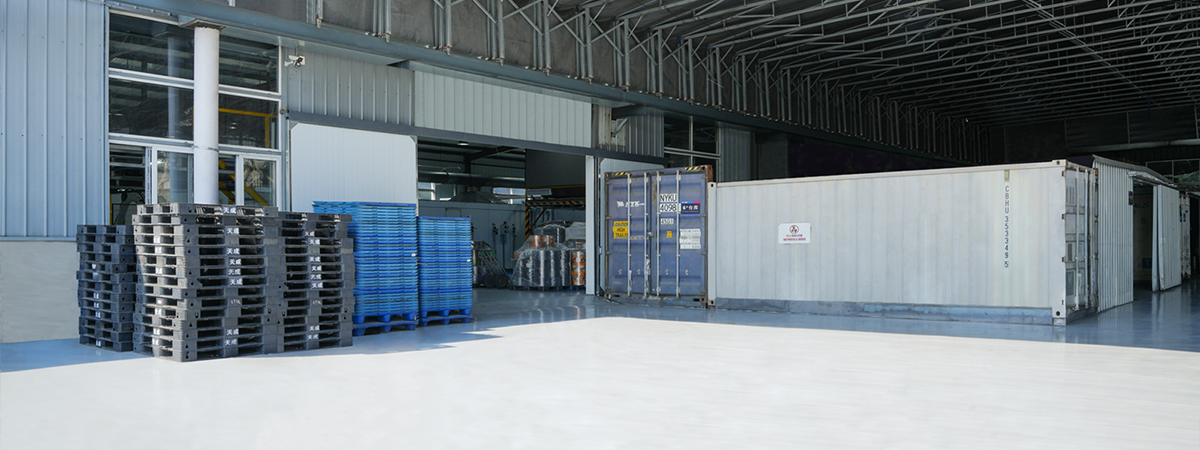
FYC operates a 6,000 m² charcoal factory in Dalian with a daily production capacity exceeding 50 metric tons.
What Buyers Need from a Charcoal Manufacturer
Most charcoal catalogs list standard items: cube hookah charcoal in a fixed size, round incense charcoal tablets, hexagonal BBQ sticks. Commercial demand, however, is much more specific. Consider three common scenarios:
- A premium shisha lounge in Saudi Arabia may require 25mm cubes with ultra-low ash content (below 3%) and a magnetic box carrying the lounge's logo.
- A Korean BBQ restaurant group may need hexagonal bamboo charcoal sticks with high density and zero sparking because they are used in built-in dining-table grills.
- A German outdoor retailer may need lightweight, portable, instant-ignition charcoal products that meet EU environmental standards.
None of these requirements is served by a one-size-fits-all catalog. Buyers therefore face the same evaluation questions during supplier selection. Can the factory produce the exact shape and size? Can it control ash content, burning time, and fixed carbon? Can it print logos and manufacture retail packaging? What is the minimum order quantity, and how long will production take?
The risk of skipping this capability check is concrete: product mismatch, packaging that fails in retail, shipment delays, and inconsistent quality across containers. Capability verification should therefore come before price negotiation. The rest of this guide examines FYC's manufacturing capabilities against these operational questions.
Why Custom Capability Is Becoming a Competitive Requirement
Market data supports the shift toward specification-driven sourcing. The global charcoal market was valued at USD 8.1 billion in 2025 and is projected to reach USD 11.6 billion by 2033, according to Grand View Research. Within this market, the global hookah (shisha) charcoal market was valued at approximately USD 1.8 billion in 2025, with a projected CAGR of 6.2% through 2034, according to Dataintelo.
Regional patterns reinforce the importance of format and performance. The Middle East and Africa dominated the regional charcoal market, capturing a revenue share of 48.8% in 2025, largely due to high consumption in traditional cooking and shisha culture. In Europe, compliance requirements are formalized: barbecue charcoal and briquettes are governed by EN 1860-2:2005, which specifies limits for ash content, fixed carbon, and moisture. This standard directly affects material choices and production processes for any supplier serving EU markets.
Material trends also influence sourcing decisions. Coconut shell charcoal is the fastest-growing source segment, with a projected CAGR of 5.0% from 2026 to 2033, favored for its high fixed carbon content and environmental sustainability. At the same time, established exporters such as Indonesia—the world's largest wood charcoal exporter, with an export value of approximately USD 351.4 million in 2024 and 22.96% of global market share—show that wood-based supply remains structurally important. A manufacturer that can switch between coconut shell, bamboo, and fruit wood inputs gives buyers more flexibility in matching product performance to destination-market preferences.
FYC's Manufacturing Capabilities: What a Buyer Can Customize
FYC's capability set starts with production modes. The manufacturer provides OEM, ODM, custom manufacturing, and custom packaging solutions production services. In practice, this means a buyer can work with an existing FYC product design (OEM), request a new or modified design developed by the factory's R&D team (ODM), specify a fully custom product (custom manufacturing), or use FYC's packaging production for retail-ready boxes (custom packaging).
Customization Dimensions
- Product shape: cube, hexagonal, round, stick
- Size: 25mm, 33mm, 50mm, and other dimensions
- Logo printing on charcoal or packaging
- Customized retail packaging: magnetic box, flip-top box, pull-out box
- Material composition: adjustable to application requirements
These five dimensions cover most commercial charcoal programs. Shape determines how the charcoal behaves in a hookah bowl, a table grill, or an incense burner. Size controls burn time and heat intensity. Logo printing and retail packaging determine how the product performs on the shelf. Material composition—coconut shell, bamboo sawdust, hardwood, or fruit wood—drives ash content, calorific value, and smoke profile.
Production Capacity and Scale
The FYC factory in Dalian covers 6,000 square meters and employs around 100 people. Annual output reaches 4,000,000 pieces, with a monthly capacity of approximately 600–800 metric tons. Advanced assembly line equipment supports a daily output exceeding 50 metric tons. For buyers, these figures indicate that custom orders can scale from trial quantities to full-container programs without changing production lines.
R&D and Product Development
FYC employs 8 engineers, including 3 Masters/Postgraduate R&D engineers. The team develops 34 new product models annually. For buyers, this R&D capacity is relevant to ODM projects: if a standard shape or size does not match the target market, the factory has the design capability to develop a new model rather than reject the request.
Quality Control
Quality control is a frequent concern in charcoal sourcing because inconsistent units cause poor burning, customer complaints, and brand damage. FYC applies 100% comprehensive inspection on all production lines, with 3 professional QA/QC inspectors. The factory maintains full traceability of raw materials and has hosted on-site Intertek supplier assessments. Buyers can request third-party inspection (SGS or Intertek) as part of the order process.
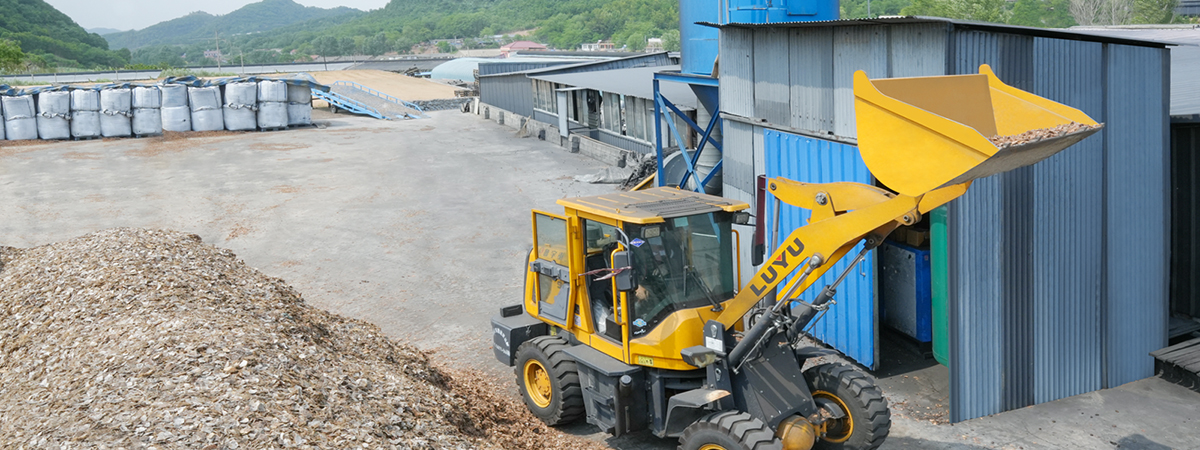
FYC applies 100% comprehensive inspection across all production lines for custom charcoal orders.
Export and After-Sales Service
FYC exports to the Middle East (Saudi Arabia, UAE), Europe (Germany, UK), Southeast Asia, and North America. The company provides multilingual support in English, Spanish, and French, and works with a global shipping network of 50+ logistics partners. After-sales support includes a response time within 4 hours, a 100% on-time delivery guarantee, 24/7 technical support for charcoal usage and storage, and compensation for quality discrepancies.
How a Custom Charcoal Order Works: Step by Step
For buyers in the execution stage, the following workflow describes how an FYC custom charcoal order moves from specification to shipment.
Step 1 — Define the product specification. Confirm the charcoal type (hookah, incense, or BBQ), shape (cube, hexagonal, round, or stick), and size (25mm, 33mm, 50mm, etc.). State the application so performance parameters—burning time, ash content, calorific value—can be matched to the right material formulation.
Step 2 — Select material composition. Choose from coconut shell, bamboo sawdust, hardwood, or fruit wood based on the target market. For example, fruit wood charcoal and coconut shell charcoal powder are used for incense charcoal tablets, while bamboo sawdust is common in high-density BBQ sticks. If the buyer is uncertain, FYC's engineering team can advise based on the intended application.
Step 3 — Design packaging and branding. Decide between standard packaging and custom retail packaging. FYC supports logo printing and custom boxes including magnetic, flip-top, and pull-out designs. This step is especially important for retail distribution and for businesses building a branded product line.
Step 4 — Confirm commercial terms. Order volume is flexible: from 1 box for express stock, to 1 ton for wholesale, to full-container quantities (1x20GP or 1x40HQ). Payment options include T/T (30% deposit, 70% against B/L copy), L/C at sight, Western Union, and Alibaba Trade Assurance. Delivery terms include FOB, CIF, CFR, DDP (door-to-door for specific regions), and EXW.
Step 5 — Approve samples. Because the minimum order can start from a single box for express stock, buyers can validate product quality and packaging before committing to mass production. This is effectively a low-cost sampling step within the ordering process.
Step 6 — Mass production. Standard stock orders are typically completed in 7–15 days. Customized mass production takes 20–30 days. Planning the correct lead time avoids supply gaps.
Step 7 — Inspection and shipment. FYC conducts pre-shipment inspection (PSI) and 100% production-line testing. Third-party inspection (SGS or Intertek) can be arranged at the client's request. Shipping is then handled through the company's logistics network under the agreed delivery term.
Real-World Capability Evidence: Three Custom Scenarios
Saudi Arabia — Premium Shisha Lounge & Hookah Bar Chain
A premium shisha lounge and hookah bar chain in Saudi Arabia used FYC hookah charcoal (TC-01) for continuous social shisha service in upscale city-center lounges. The project scale was 50 metric tons per quarter—approximately 200 tons annually—with 2.5 years of continuous cooperation. Key highlights included a consistent cube shape (25mm), ultra-low ash content (below 3%), and luxury magnetic box packaging customized with the client's logo. The project achieved stable, odorless burning with zero client complaints, and customer session duration improved due to long-lasting heat.
Germany — National Outdoor & Camping Equipment Retailer
A national outdoor and camping equipment retailer in Germany distributed 12,000 sets of disposable grills (TC-03) per summer season. The product featured a lightweight design, high portability, and eco-friendly foil materials that met EU environmental standards. FYC achieved 100% on-time delivery despite high seasonal demand, and consumer feedback was positive on instant lighting convenience. The grills were used for outdoor picnics, beach BBQs, and seasonal park activities.
South Korea — Authentic Charcoal BBQ & Grill Restaurant Group
A charcoal BBQ and grill restaurant group in South Korea received a monthly supply of one 40HQ container (approximately 20–22 tons) of hexagonal bamboo charcoal sticks (TC-02). The product featured high density and zero sparking, fitting built-in dining-table grills. The project achieved zero smoke interference in indoor dining and a 15% reduction in total charcoal consumption, attributed to the high calorific value. The charcoal was used for high-temperature meat searing and slow indoor roasting of premium BBQ cuts.
These three cases demonstrate different dimensions of manufacturer capability: format consistency and premium packaging in Saudi Arabia, compliance-sensitive product design and delivery reliability in Germany, and material and format performance in South Korea. Together, they cover the most common reasons buyers move from standard catalogs to custom charcoal programs.
FYC Product Lines at a Glance
| Product Line | Available Shapes & Sizes | Materials | Burning Time | Key Characteristics & Typical Applications |
|---|---|---|---|---|
| Hookah Charcoal (TC-01) | Cube, hexagonal, bamboo; 25mm / 40mm | Premium natural coconut shell, fruit wood | 90–120 minutes (cube 25/40mm); 45–70 minutes (quick light) | Calorific value > 7800 kcal/kg; ash content < 3% (premium grade); fixed carbon > 85–90%; smokeless, odorless, high hardness. Applications: hookah bars, shisha lounges, incense burners (bakhoor), home relaxation. |
| BBQ Charcoal (TC-02) | Quadrilateral, hexagon, 50mm square-hole, 50mm four-hole, spherical, Fangyuan | Bamboo sawdust, hardwood, fruit wood | 6–8 hours (bamboo charcoal sticks); 70 minutes (fruit wood quick light) | Superior heat, high temperature, high calorific value; ultra-low ash content; high hardness; smokeless, odorless, constant temperature. Applications: barbecue restaurants, outdoor camping, home cooking, catering. |
| Incense Charcoal (TC-04) | 33mm round; black, silver, gold; cube | Fruit wood charcoal, coconut shell charcoal powder | 45–70 minutes | Quick light / fast ignition; scent diffuser; smokeless, odorless. Custom packaging support: flip-top box, magnetic box, pull-out box. Applications: bakhoor incense burners, aromatherapy, home relaxation. |
| Disposable Grill (TC-03) | Copper foil box (small / large) | Eco-friendly quick-light charcoal, food-grade galvanized or chrome-plated steel mesh | Instant lighting | Lightweight, compact, self-igniting charcoal layer, uniform heat radiation, 100% biodegradable materials. Applications: outdoor picnics, camping, travel, garden parties. |
The specifications above are standard parameters. Custom formulations, sizes, and packaging are confirmed during the specification stage of an OEM or ODM order.
Frequently Asked Questions
What certifications and quality standards does FYC hold?
FYC has obtained SGS and ISO certifications, reflecting adherence to international standards. For European markets, barbecue charcoal and briquettes are governed by EN 1860-2:2005, which sets limits for ash content, fixed carbon, and moisture. FYC supports pre-shipment inspection and third-party inspection (SGS or Intertek) at the client's request, and production lines operate under 100% comprehensive inspection with full raw-material traceability.
Which charcoal shapes, sizes, and packaging options can FYC customize?
FYC supports cube, hexagonal, round, and stick shapes; sizes including 25mm, 33mm, 50mm, and others; logo printing; and customized retail packaging in magnetic, flip-top, and pull-out boxes. Material composition can also be adjusted. These options apply to hookah charcoal, incense charcoal, and barbecue charcoal through OEM, ODM, custom manufacturing, and custom packaging services.
What are the MOQ and payment terms for custom charcoal orders?
The MOQ is flexible. Express stock starts from 1 box; wholesale orders start from 1 ton; full-container orders are typically 17 tons (1x40HQ). Payment terms include T/T with 30% deposit and 70% against B/L copy, L/C at sight, Western Union, and Alibaba Trade Assurance. FYC's service model is built around professional service, high-quality products, competitive prices, and fast delivery.
Can buyers place a small trial order before bulk charcoal production?
Yes. Because the express-stock MOQ starts from 1 box, buyers can validate product quality and packaging before committing to mass production. For wholesale programs, buyers can also request pre-shipment inspection and third-party testing (SGS or Intertek) to verify that the batch meets the agreed specification.
How long does production take for standard and custom charcoal orders?
Standard stock orders are typically completed in 7–15 days. Customized mass production takes 20–30 days. Buyers should also account for shipping time under the agreed delivery term, such as FOB, CIF, CFR, DDP, or EXW. To confirm current production slots or request a sample, contact FYC's customer service team.
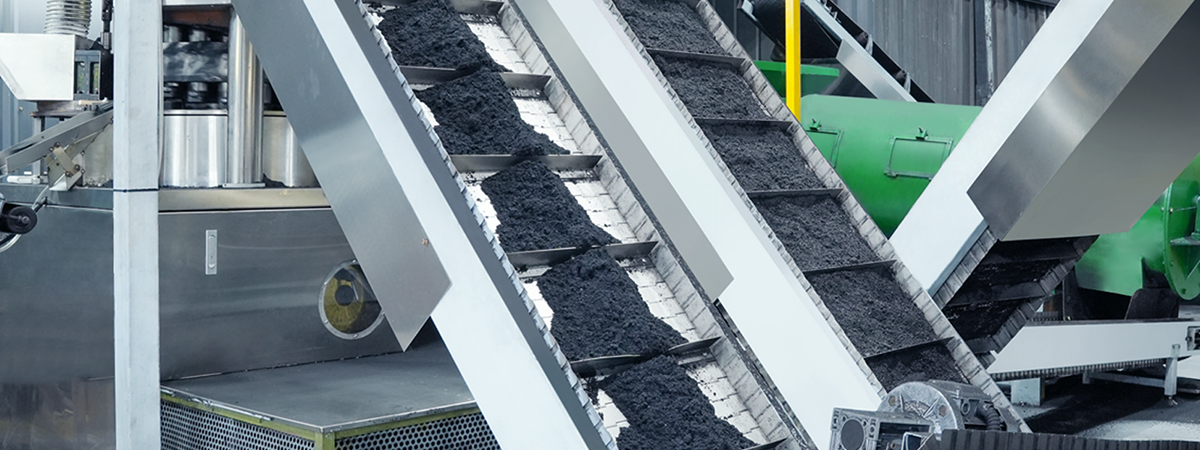
FYC exports custom hookah, BBQ, and incense charcoal to markets including Saudi Arabia, UAE, Germany, and the UK.
Conclusion: Choose a Charcoal Manufacturer on Capability Evidence
The distinction between a charcoal supplier and a charcoal manufacturing partner lies in capability. A supplier delivers from stock. A manufacturer with OEM and ODM capability can adapt shape, size, material, and packaging to the buyer's market requirements, then reproduce that specification at scale with consistent quality control.
FYC's relevant evidence includes a 6,000 m² factory, a monthly capacity of 600–800 metric tons, 100% comprehensive production-line inspection, SGS and ISO certifications, third-party inspection support, 34 new product models developed annually, and documented use cases across shisha lounges, BBQ restaurants, and outdoor retail in Saudi Arabia, Germany, and South Korea. For buyers in the evaluation and execution stage, these facts answer the practical question: what can this factory do for my order?
Ready to discuss your charcoal specification?
Contact FYC to request a sample, confirm lead times, or ask for a quote.
Email: paris@fyc-charcoal.com | WhatsApp: +86 135 9132 7260
Website: fyc-charcoal.com