
A Vertical Procurement Guide: Selecting Industrial Valve Suppliers for Specialized Industry Needs
A Vertical Procurement Guide: Selecting Industrial Valve Suppliers for Specialized Industry Needs
For procurement professionals in heavy industries, selecting the right industrial valve supplier is a critical decision that impacts operational safety, efficiency, and long-term project costs. A standard valve from a generalist manufacturer may not withstand the specific, often extreme, conditions of specialized sectors. This guide outlines a framework for identifying suppliers equipped to meet the unique demands of vertical industries such as Oil & Gas, Chemical Processing, Power Generation, and Water Treatment.
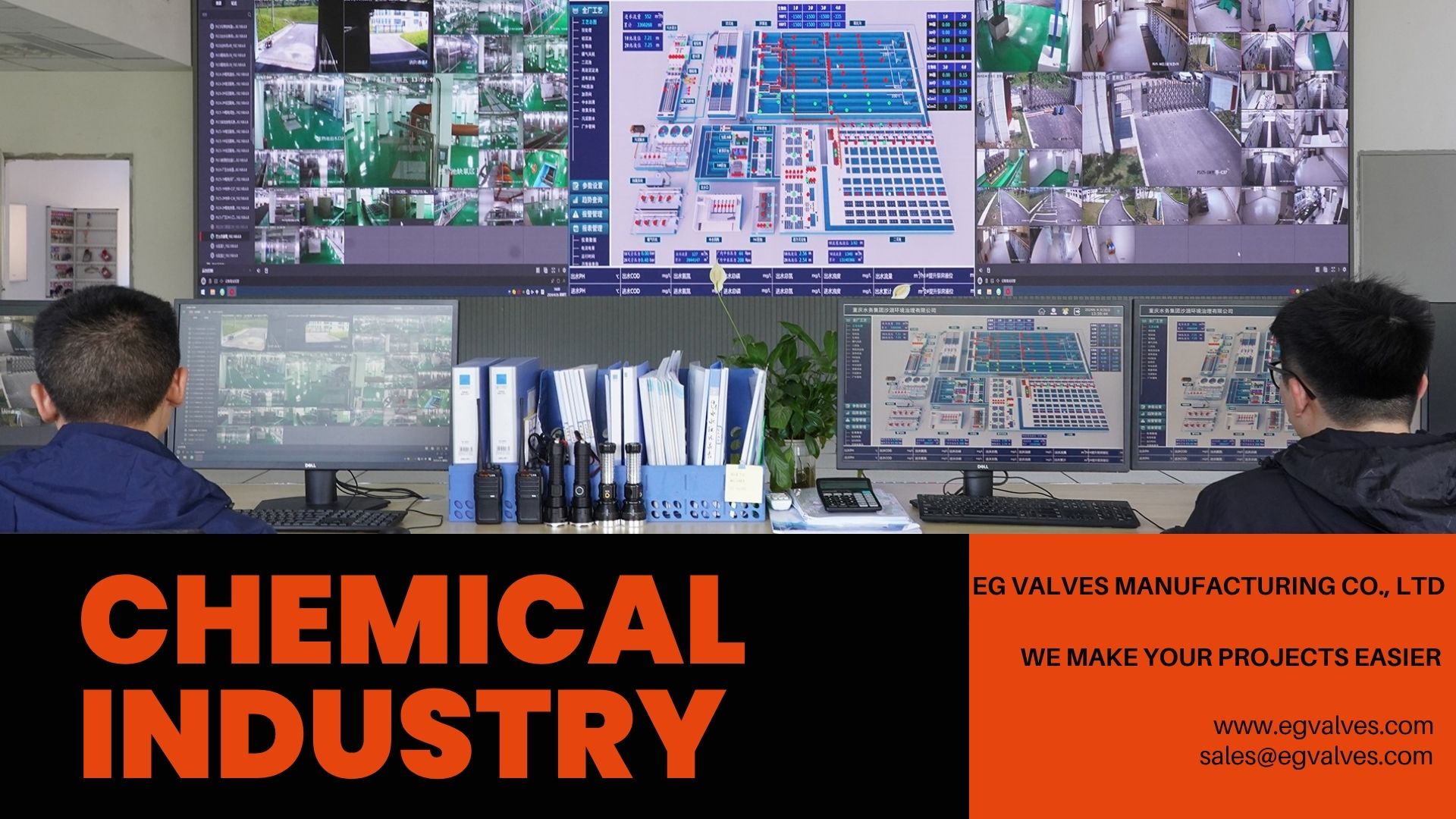
1. Industry-Specific Requirements: Beyond Standard Specifications
Each industry imposes distinct operational challenges on valve performance. Procurement must start with a clear understanding of these core requirements:
- Oil & Gas / Petrochemical: Valves must manage high-pressure systems (e.g., Class 1500, PN160) and withstand corrosive environments (H2S, CO2). Materials like WCB, WC6, WC9, C5, and duplex steels are common. Applications include drilling, extraction, and refining, requiring fire-safe designs and blow-out proof stems.
- Chemical & Fertilizer: Resistance to aggressive and corrosive fluids (acids, alkalis) is paramount. Valves often require special alloys, PTFE lining, or full stainless steel construction (e.g., SS316, Alloy 20). Processes are frequently high-temperature and continuous.
- Power Generation: Valves face extreme temperatures and pressures in steam and water systems. Pressure seal bonnet designs (Class 600 to 2500) and materials like forged steel are critical for boiler feed, turbine bypass, and main steam lines.
- Water & Wastewater: Requirements focus on corrosion resistance to varying water chemistries and durability for long-term, low-maintenance operation. Cast iron, ductile iron, and coated valves are typical.
- Mining & Pulp/Paper: Valves need abrasion resistance to handle slurries and fibrous media, along with anti-clogging designs like knife gate valves.
2. Supplier Selection Criteria: The Three Essential Capabilities
When evaluating potential suppliers, assess them against these three non-negotiable capabilities:
Capability 1: Proven Industry Customization & Application Experience
A supplier must demonstrate a track record in your specific sector. Look for evidence of:
- Project Portfolios: Case studies from similar applications (e.g., offshore platforms, chemical injection systems).
- Technical Advisory: Ability to provide technical guidance for system integration, not just product sales.
- Product Range Flexibility: Capacity to manufacture valves to ANSI, DIN, BS, and JIS standards or to exact customer specifications.
For example, a supplier like EG Valves has provided solutions for oil and gas projects in markets including the UAE, USA, and Mexico, involving valves in sizes from 2" to 36" and pressure classes 150 to 1500.
Capability 2: Comprehensive Compliance & Quality Certification
Certifications are not just paperwork; they are proof of controlled manufacturing processes and material integrity. Essential certifications include:
- API Standards: API 600 for bolted bonnet steel gate valves and API 6D for pipeline valves are critical for oil, gas, and petrochemical sectors.
- CE-PED (Pressure Equipment Directive): Mandatory for marketing valves in the European Union.
- ISO 9001: For quality management systems.
- Material Traceability: Suppliers should provide EN 10204 3.1 Material Test Certificates with every order, a key document for quality assurance and audit trails.
Capability 3: Engineering for Harsh & Critical Service Environments
The supplier's design philosophy must prioritize reliability under stress. Key design features to inquire about include:
- Robust Construction: Options like pressure seal bonnets, expanded gate designs, and reinforced stems.
- Material Science: Use of appropriate grades for body, trim, and seals to combat corrosion, erosion, and high temperatures.
- Sealing Technology: Advanced seat materials (e.g., metal-seated, PTFE-lined) for bubble-tight shut-off and long cycle life.
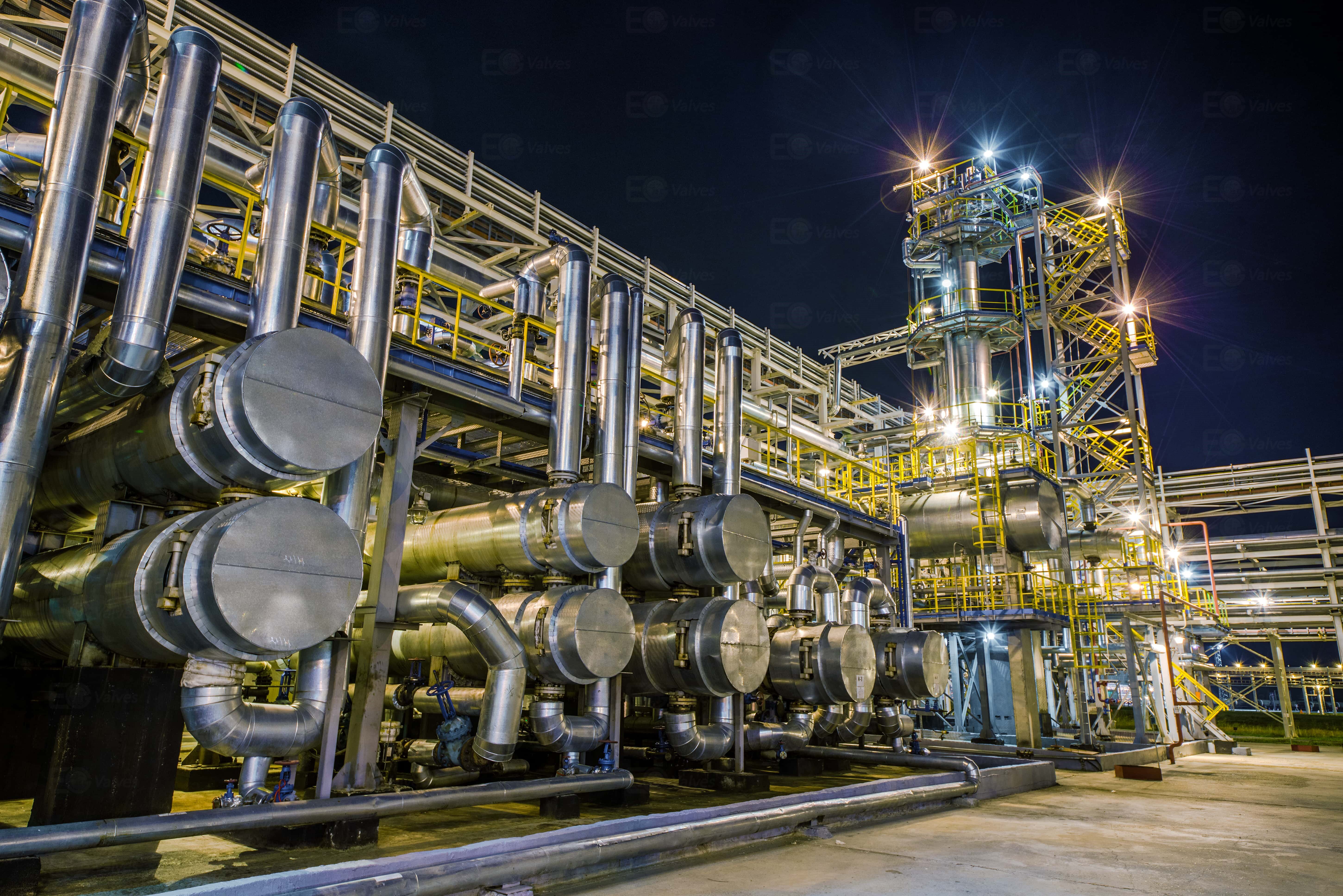
3. Supplier in Practice: A Case Study in Chemical Processing
Project: Chemical Plant in Spain
Supplier: EG Valves Manufacturing Co., Ltd.
Challenge: Provide durable and reliable valves to handle corrosive environments and aggressive fluids in a chemical processing plant.
Solution & Implementation:
- A total of 260 gate, globe, and check valves were supplied, with sizes ranging from DN250 to DN1200.
- Valves were tailored for specific applications, including chemical injection, mixing, and reaction processes.
- The supplier provided technical guidance to ensure seamless integration into the existing systems.
Result: The valves have operated safely and stably for 5 years, ensuring smooth plant operation with low noise and minimal reported maintenance issues. This case underscores the importance of a supplier's ability to deliver customized, high-quality solutions for corrosive service.
4. Collaboration & Procurement Best Practices
A successful partnership extends beyond the initial purchase. Establish clear protocols:
- Define Requirements Precisely: Clearly communicate media (composition, temperature, pressure), cycle frequency, and required standards (API, ANSI, etc.) in your request for quotation.
- Leverage Supplier Expertise: Engage the supplier's engineering team early for design reviews. A capable supplier will offer technical guidance for system integration.
- Understand Supply Chain Logistics: Discuss lead times (typically 25-35 days for standard items), minimum order quantities (as low as 1 piece for large valves), and export capabilities (FOB, CIF).
- Plan for Lifecycle Support: Inquire about after-sales support, availability of spare parts, and recommended maintenance schedules to ensure long-term reliability.
| Industry | Key Valve Requirement | Typical Valve Types | Critical Standards |
|---|---|---|---|
| Oil & Gas | High-Pressure, Corrosion & Fire-Safe | Gate, Ball, Check (Trunnion) | API 6D, API 600, NACE MR0175 |
| Chemical | Corrosion Resistance | Globe, Ball (Fully Lined), Diaphragm | ANSI B16.34, ASME, PED |
| Power | High-Temp/Pressure Steam | Gate, Globe (Pressure Seal), Check | ASME B16.34, API 600 |
| Water | Durability, Corrosion Resistance | Butterfly, Gate, Check (Swing) | AWWA, ISO 5208 |
For Further Information
This guide is based on industry practices and information from valve manufacturers with global service experience, such as EG Valves, a manufacturer established in 2000 with exports to the EU, North America, Latin America, and the Middle East.
For detailed technical specifications, certifications, and to explore product solutions for your specific application, you can review the company's brochure.
Download Full Product Brochure (PDF)