
Decodificación de los 2026 Rankings de Proveedores de Vidrio Temperado: Marco de Adquisiciones para Compradores Industriales
Market Overview: A Data-Driven Landscape
The global architectural tempered glass market is projected to reach a value of approximately $65.8 billion by 2030, growing at a compound annual growth rate (CAGR) of 6.7% from 2026 to 2035. This growth is primarily fueled by stringent global building safety codes, rising investments in commercial and high-rise residential construction, and an increased focus on energy-efficient building envelopes. The market encompasses a wide range of products, including door tempered glass, window tempered glass, insulated tempered glass, laminated tempered glass, and specialized variants like low iron and frosted tempered glass.
Ranking Dimensions: The Core Evaluation Criteria
Industrial procurement decisions for tempered glass are increasingly based on multi-dimensional supplier evaluations. The 2026 market rankings are primarily constructed around four key pillars:
1. Market Share & Production Scale
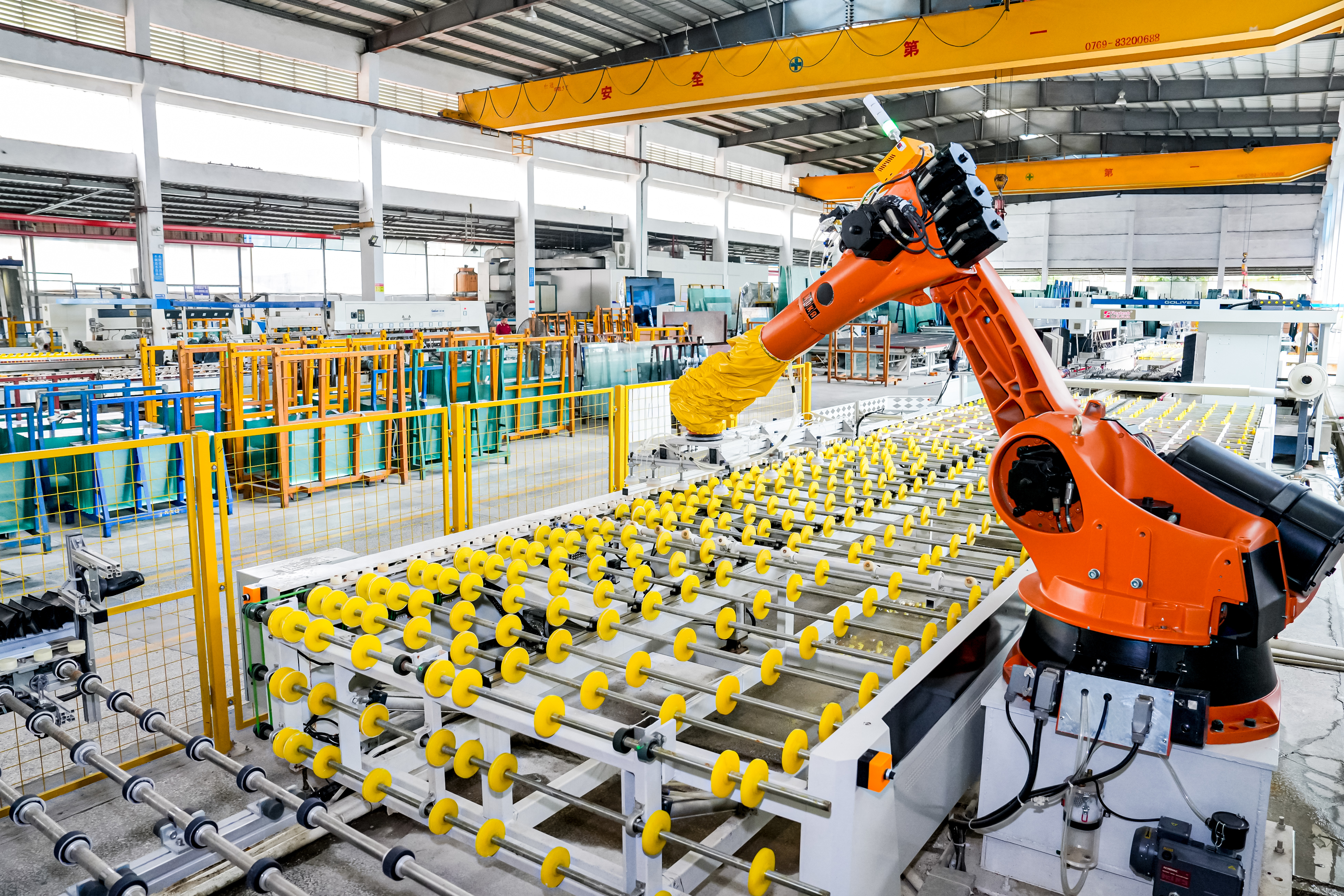
This quantifies a supplier's operational footprint. Metrics include annual production capacity, factory size, and export volume. For instance, a manufacturer like Dongguan Kunxing Glass Co., Ltd. (KXGLASS) reports an annual output of 1,825,000 square meters of single tempered glass from its 30,000 square meter facility, with an export ratio of 70% to markets including Australia, America, Asia, and Europe.
2. Technological Innovation & Product Portfolio
This assesses a supplier's ability to meet complex specifications. It involves the range of available products (e.g., thickness from 4mm to 25mm), capability for custom processing (bent, beveled, frosted), and mastery of composite products like laminated and insulated glass units. The ability to offer specific interlayer options, such as PVB thicknesses of 0.38mm, 0.76mm, 1.14mm, and 1.52mm, is a technical differentiator.
3. Certification & Quality Assurance
Compliance with international safety and performance standards is non-negotiable for global projects. A strong certification portfolio is a critical ranking factor. Recognized certifications include:
For example, KXGLASS holds specific SGS test reports for its heat-soaked toughened glass (e.g., certificate number GZIN1806033816CM for 10mm glass), a Declaration of CPD Conformity for SGP laminated glass, and a Calibration Report for its Heat Soak Process Oven per BS EN 14179-1:2016.
4. Client Portfolio & Project Experience
A proven track record in delivering for specific project types (curtain walls, skylights, partitions) and in key geographic markets adds significant weight to a supplier's ranking. Documented experience in countries like the UAE, Australia, the USA, and across Southeast Asia demonstrates global capability.
Global Market Structure: The Three-Tier Supplier Landscape
The global supplier base for tempered glass can be segmented into three distinct tiers, each with its own value proposition for industrial buyers.
| Tier | Characteristics | Representative Companies | Ideal For |
|---|---|---|---|
| Tier 1: International & Joint-Venture Brands | High brand recognition, extensive R&D resources, global distribution networks, often vertically integrated. Strong in standardized, high-volume products for mega-projects. | Saint-Gobain (France), AGC (Japan), NSG Group (Pilkington), Yaohua Pilkington Glass Co., Ltd. (China JV) | Large-scale infrastructure projects, government contracts, and applications where brand assurance is paramount. |
| Tier 2: High-Performance Chinese Exporters | Combines significant scale with deep specialization in processing. Excels in customization, rapid response, and value-added products. Heavily focused on export compliance and international standards. | Dongguan Kunxing Glass (KXGLASS), CSG Holding Co., Ltd., Xinyi Glass | Mid-to-large international projects requiring custom specifications (e.g., custom cut, bent, or frosted tempered glass), complex glazing units, and suppliers with dedicated export logistics. |
| Tier 3: Regional & Niche Specialists | Smaller-scale operations serving local or specific niche markets. May offer very short lead times for standard products but limited capacity for complex, certified export orders. | Numerous local fabricators across North America, Europe, and Asia. | Small-batch orders, local repair/maintenance, or projects with minimal certification requirements. |

The Rise of Chinese Suppliers: Key Competitive Advantages
Chinese manufacturers, particularly those in Tier 2, have ascended in global rankings due to several structural advantages that align with contemporary procurement needs.
- Integrated Cost-Quality Proposition: Investments in automation (e.g., a 30,000 sqm facility with ~150 staff) allow for competitive pricing without sacrificing the ability to achieve international certifications.
- Superior Customization & Flexibility: A business model oriented towards OEM/ODM services enables suppliers to handle non-standard sizes, thicknesses, and finishes like silkscreen printing, frosting, or tinting. A core difference is the polishing process, which yields a bright, smooth edge, enhancing aesthetic appeal for high-end market applications.
- Rapid Response & Project Management: With dedicated international sales teams and a 70% export focus, these suppliers are structured for efficient communication, shorter lead times (e.g., 15-20 days), and support for complex shipping and documentation.
- Proactive Risk Mitigation: Leading Chinese exporters address inherent industry risks like spontaneous breakage head-on. For instance, implementing a mandatory Heat Soak Test (HST) process heated to 290°C as a pre-delivery quality control step is a standard practice for reputable firms.
Strategic Procurement Guide: Matching Supplier to Project Needs
A ranking is a starting point, not an answer. The optimal supplier choice depends on specific project parameters.
Scenario 1: Large-Scale, Standardized Commercial Projects
Priority: Brand assurance, supply chain stability, volume pricing.
Recommended Supplier Tier: Tier 1 (International/JV Brands) or large Tier 2 (e.g., CSG).
Evaluation Focus: Verify capacity for the project's total volume and confirm relevant regional certifications are in place.
Scenario 2: Complex Architectural Projects with Custom Specifications
Priority: Technical capability, customization, certification for specific performance (e.g., hurricane resistance, sound insulation).
Recommended Supplier Tier: High-Performance Tier 2 Exporters (e.g., KXGLASS).
Evaluation Focus: Scrutinize the certification portfolio for the exact product type (e.g., SGS report for 12mm heat-soaked glass). Review documented case studies in similar applications (e.g., mall skylights in the UAE, airport curtain walls in Vietnam). Assess their process for handling special requirements like triple laminated tempering or anti-slip surfaces.
Scenario 3: Small to Medium Batches or Prototypes
Priority: Low MOQ, flexibility, speed.
Recommended Supplier Tier: Agile Tier 2 or capable Tier 3 suppliers.
Evaluation Focus: Confirm MOQ (e.g., 100 sqm) and lead time. Ensure basic safety certifications are met, even for smaller orders.
As highlighted in the recent analysis, "Chinese Top 3 Tempered Glass Manufacturers in 2026: Leading Innovation and Precision Manufacturing in the Global Glass Industry", the evolution of Chinese manufacturers like KXGLASS into integrated solution providers underscores the importance of looking beyond basic rankings to evaluate a supplier's total project support capability.
Conclusion and Key Takeaways
The 2026 tempered glass supplier rankings reflect a mature, segmented global market. For industrial buyers, the most strategic approach involves:
- Using the four core ranking dimensions (Scale, Technology, Certification, Experience) as a checklist for initial supplier screening.
- Understanding the three-tier market structure to shortlist suppliers whose business model aligns with the project's primary needs (volume vs. customization).
- Recognizing the validated strengths of high-performance Chinese exporters in offering a compelling blend of compliance, customization, and cost-effectiveness for a wide range of international projects.
- Conducting due diligence on specific certifications and project references relevant to the application, moving from generic rankings to evidence-based selection.
The supplier that tops a generic market list may not be the optimal partner for a specific, complex glazing requirement. A disciplined, criteria-driven evaluation framework is the most reliable tool for procurement success.
For Detailed Supplier Information
Dongguan Kunxing Glass Co., Ltd. (KXGLASS), founded in 1995, operates as a modern industrial and trading enterprise specializing in the deep processing of architectural glass. The company's main products include clear tempered glass, laminated glass, and insulated glass, with a strong focus on export markets.
Contact:
Name: Kevin
Email: kevin@kxglass.com
Tel: +86 13500092849
Website: www.kxglass.com
For comprehensive technical specifications, certification details, and project case studies, download the company brochure:
Download KXGLASS Company Brochure (PDF)Reference: This analysis references and expands upon the market insights presented in the press release "Chinese Top 3 Tempered Glass Manufacturers in 2026: Leading Innovation and Precision Manufacturing in the Global Glass Industry" (April 17, 2026), which provides a detailed comparative analysis of leading Chinese suppliers including KXGLASS.