
Una guía práctica para especificar e implementar carcasas eléctricas IP66 para entornos hostiles
Introduction: The Critical Role of IP66 Enclosures
In demanding industrial and infrastructure applications, the protective enclosure is not merely a box but a critical life-support system for sensitive electrical and electronic components. An IP66-rated enclosure provides a specific and high level of ingress protection: it is completely dust-tight and protected against powerful water jets from any direction. This guide outlines a systematic approach for procurement professionals to specify, source, and implement IP66 electrical enclosures that are fit for purpose in harsh environments.
Step 1: Define the Application Environment
The first and most critical step is to conduct a thorough analysis of the operating environment. This determines the fundamental material and design requirements.
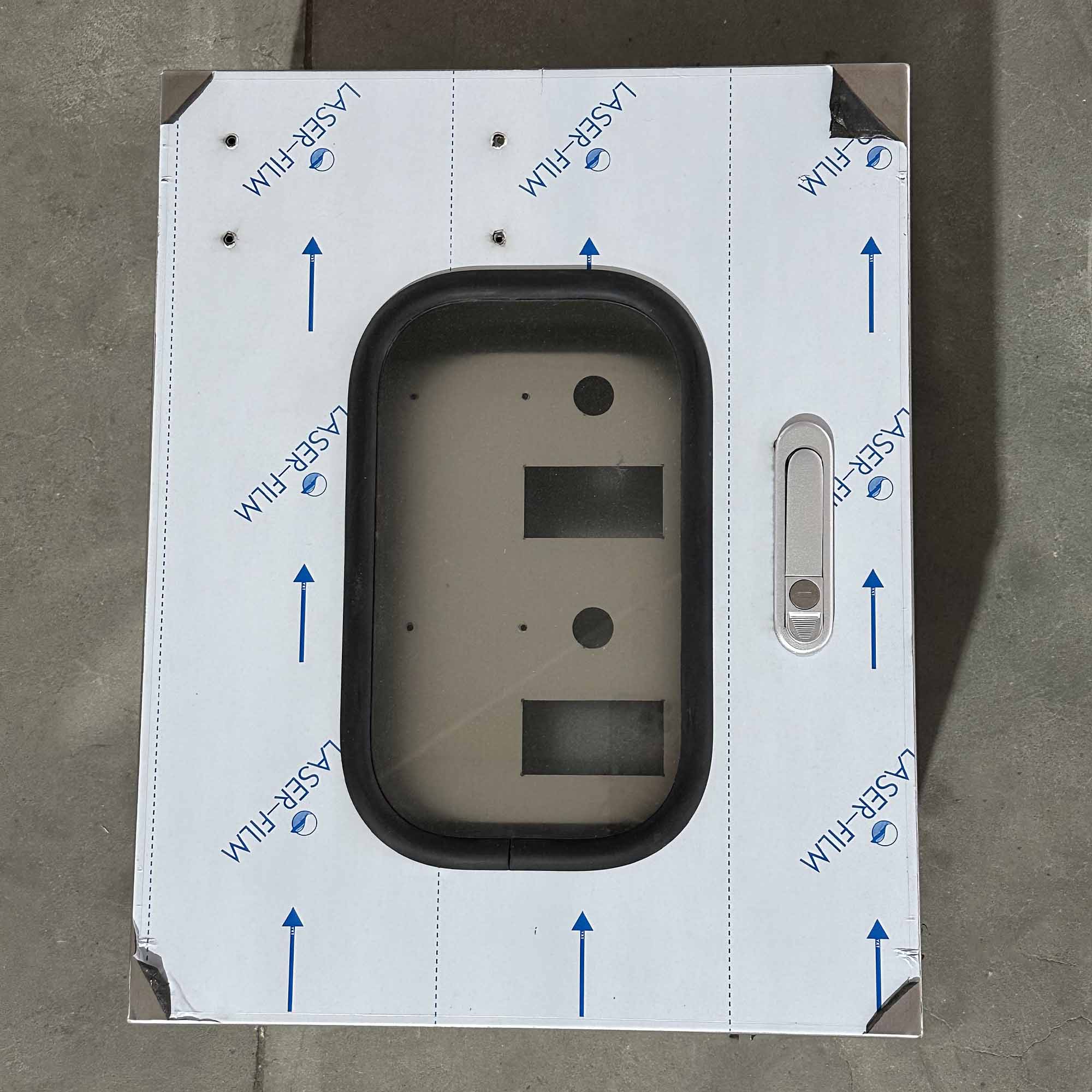
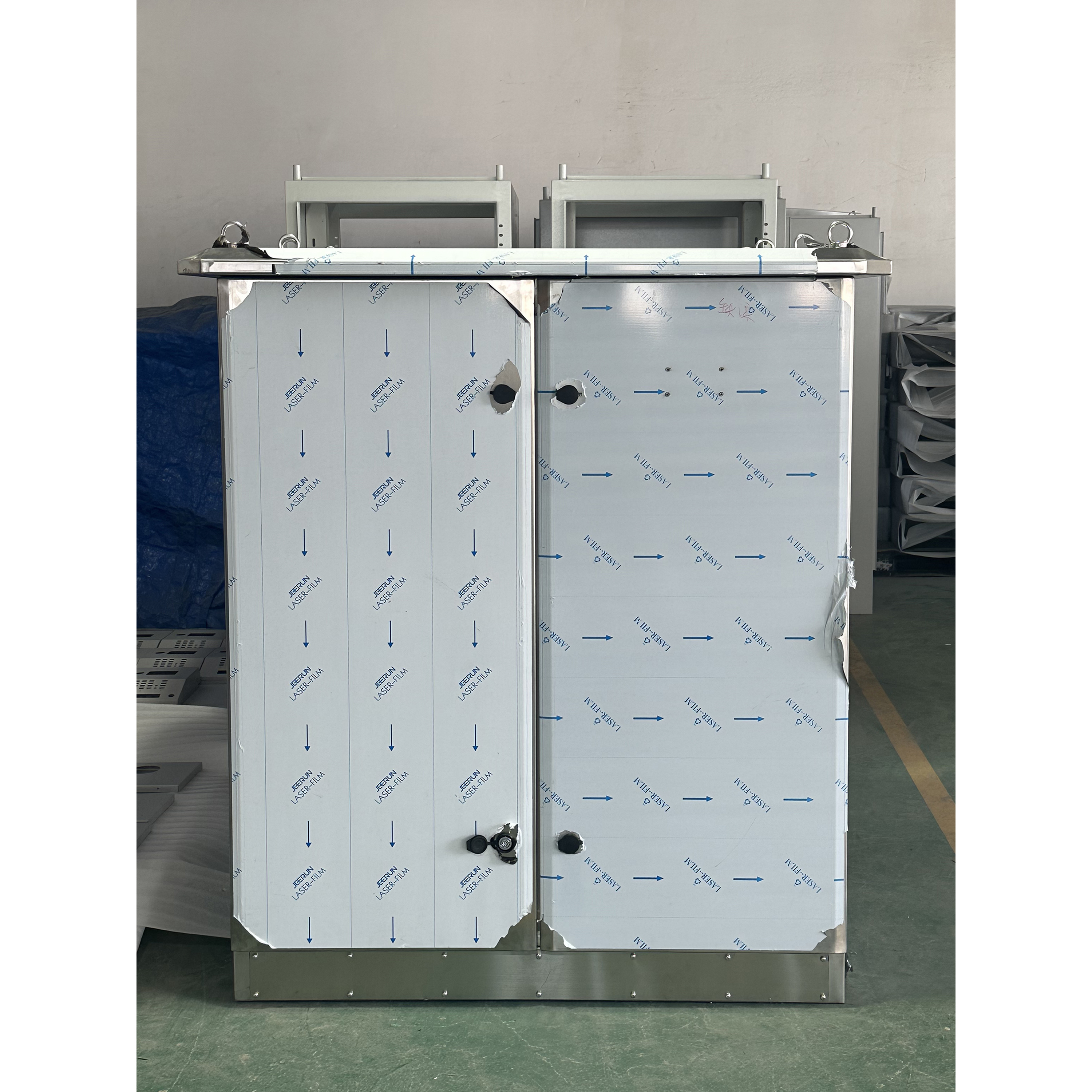
- Primary Environment: This product is designed for outdoor, industrial site, and clean workshop environments. It operates under outdoor, semi-outdoor, or industrial site environments, resistant to harsh conditions such as sun and rain exposure, high dust, high humidity, salt spray corrosion, and acid-base corrosion.
- Target Industries: This product is designed for outdoor/industrial environments including new energy (PV/wind energy/energy storage), industrial automation, municipal infrastructure, outdoor communication, petrochemical, and water treatment.
- Indoor Control Room Use: For control console applications, this product is designed for indoor industrial workshop or control room environments that are clean, non-corrosive, and equipped with air conditioning or ventilation systems.
Step 2: Select the Appropriate Material
Material selection is dictated by the environmental analysis from Step 1. The wrong material can lead to premature failure, regardless of the IP rating.
| Material | Typical Thickness | Best For | Surface Treatment |
|---|---|---|---|
| 304 / 316 Stainless Steel | 1.5mm - 2.0mm | Coastal areas, chemical plants, food & pharmaceutical (corrosion resistance). | Brushed or polished finish. |
| Cold-Rolled Steel (SPCC) | 1.5mm - 3.0mm | General industrial environments, indoor control rooms. | Phosphating + electrostatic powder coating (e.g., RAL7035). |
| Galvanized Steel | 1.5mm - 2.0mm | Outdoor applications requiring a balance of cost and corrosion resistance. | Hot-dip galvanizing or electro-galvanizing. |
For example, Dalian Yinlu Electrical Control Equipment Manufacturer utilizes materials such as CRS (Cold Rolled Steel), Stainless Steel (304/316), Aluminum, and Carbon Steel, with surface treatments including powder coating and brushed finishes, depending on the specific project requirements and environmental class.
Step 3: Specify Mechanical and Electrical Integration
An enclosure must integrate seamlessly with both the installation site and the internal components.
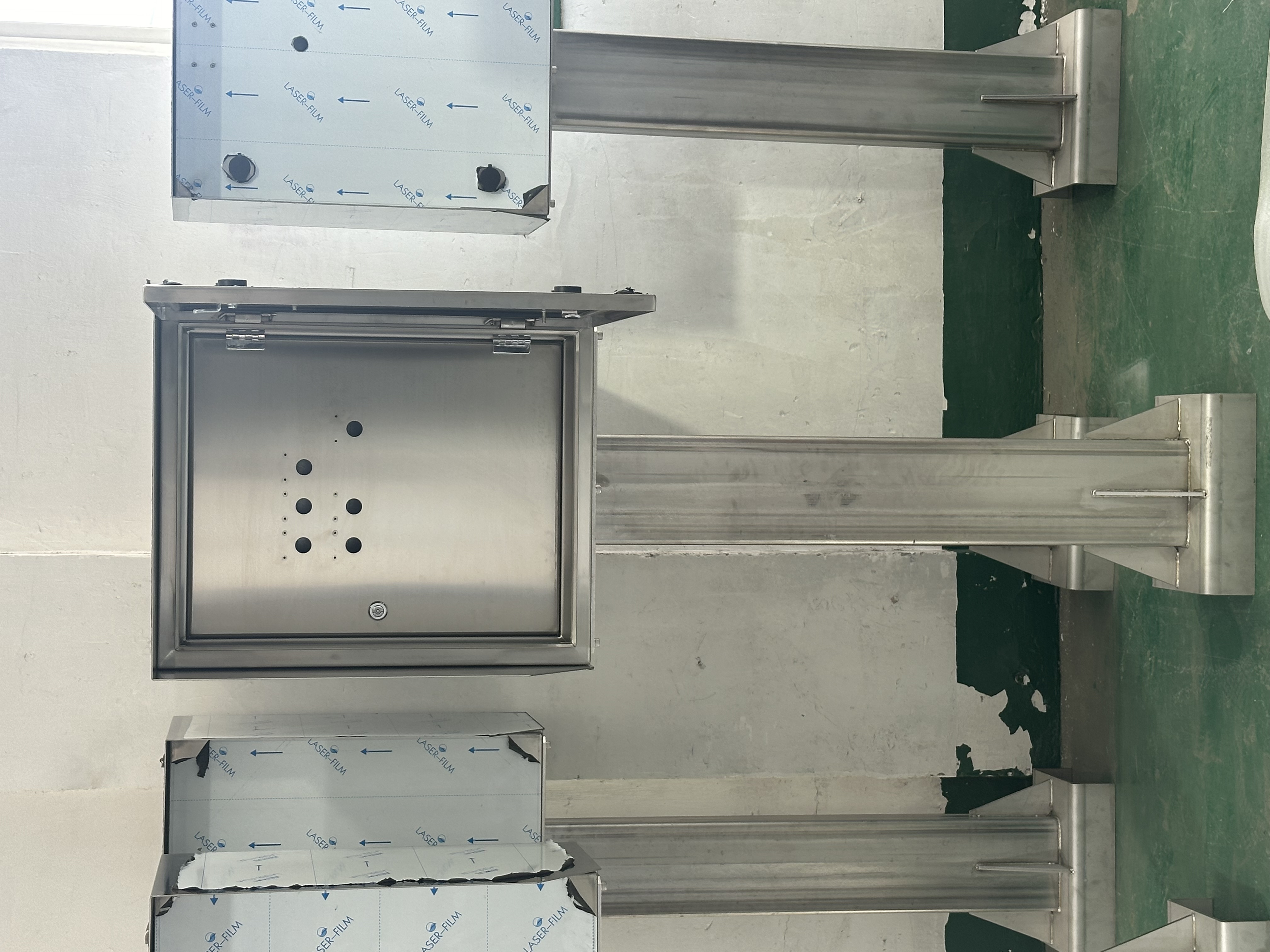
- Installation Method: Wall, pedestal, or floor mounting is available for this product. The choice depends on space, accessibility, and equipment weight.
- Internal Configuration: This product requires core supporting equipment such as pressure gauges, transmitters, digital meters, solenoid valves, terminal blocks, circuit breakers, sensors, and small PLC modules. Ensure the supplier can provide or accommodate built-in mounting plates, DIN rails, and proper cable management systems.
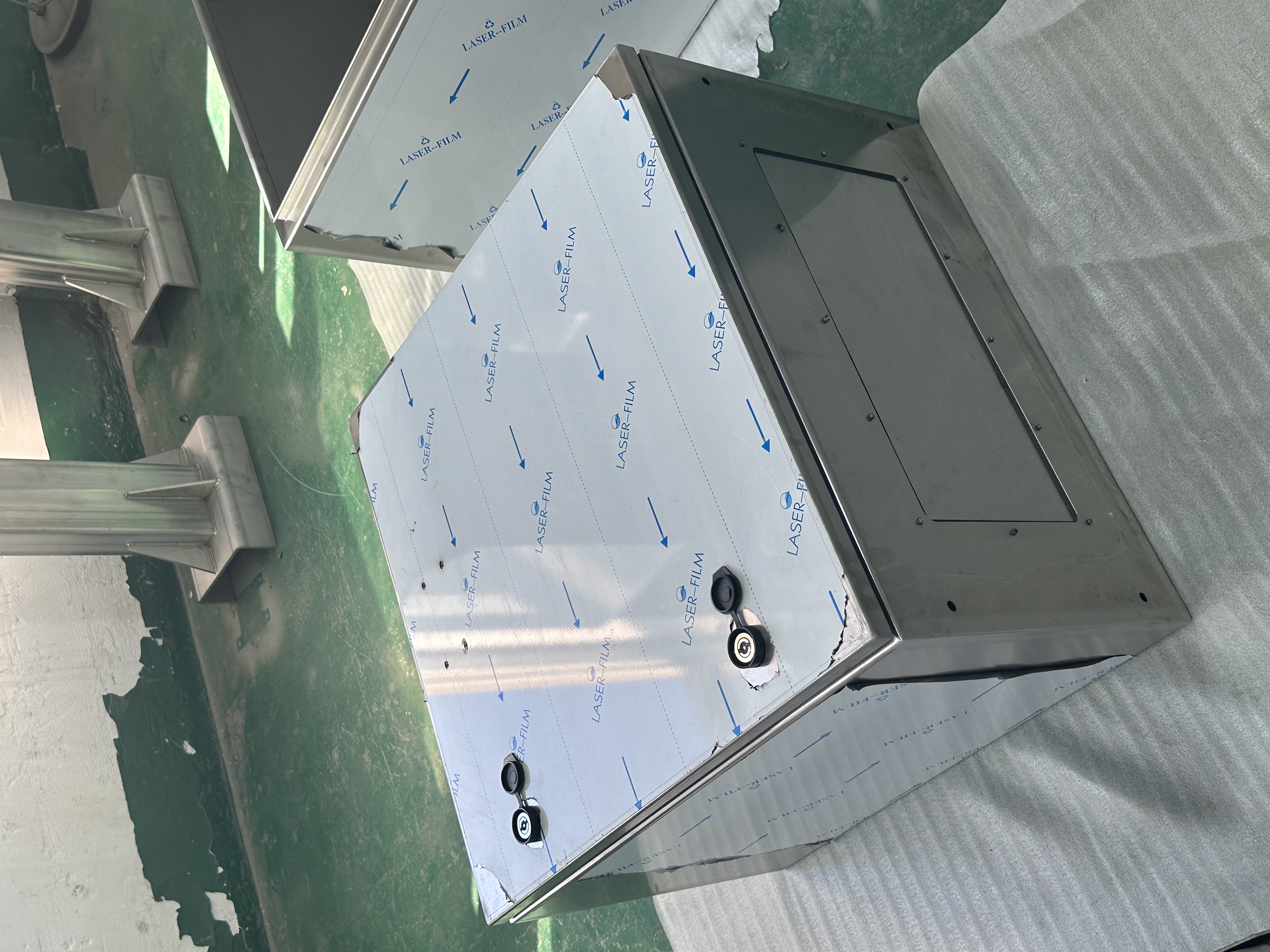
- Auxiliary Equipment: It must be used with auxiliary supporting equipment such as cable glands, waterproof connectors, grounding bars, instrument brackets, heat dissipation louvers, dehumidifiers, and observation windows. Specify these upfront.
Operation Mode: It is critical to understand that this product operates in a passive protective structure mode with no active moving parts. It only provides physical protection for internal devices, operating synchronously with internal equipment. Its operational status (24-hour continuous or intermittent) is determined by the internal industrial control equipment it houses.
Step 4: Evaluate Supplier Capabilities and Compliance
Beyond product specs, assess the manufacturer's ability to deliver a reliable, compliant solution.
- Customization: Can they support full OEM/ODM services? Dalian Yinlu, for instance, offers customization in material, color, logo, size, IP rating, surface treatment, and cutouts & mounting.
- Certifications: Verify relevant certifications. Dalian Yinlu holds a CE Verification of Conformity (certificate IN-DL-5805-22013-1) issued by SGS, confirming compliance with EN 60529:1991+A1+A2 for electric control cabinets, and an ISO 9001:2015 certificate (19923Q01395R0M) for quality management.
- Production & Quality Control: Inquire about monthly capacity, lead times, and quality control processes (visual, wiring, function, safety, sealing, packaging). A manufacturer with a 5000m² facility and standardized processes is typically more reliable for larger or complex orders.
- Proven Experience: Review case studies. Suppliers like Yinlu have provided solutions for clients in diverse sectors, including custom enclosures for ABB PGC5000 Series Gas Chromatographs and specialized control panels for metro rail projects.
Step 5: Procurement and Project Management Considerations
Finalize the procurement with clear terms to mitigate project risk.
- Prototype & Approval: For custom designs, insist on a prototype review and formal sign-off before mass production.
- Documentation: Ensure all technical parameters (voltage, current, IP rating, dimensions, material) are confirmed in signed drawings or technical agreements.
- Testing & Acceptance: Define a clear acceptance protocol, including standard tests like power-on functionality, insulation resistance, and withstand voltage tests. Specify a timeframe (e.g., 7 days post-delivery) for raising any objections.
- Logistics: Discuss packaging (e.g., wooden crates, moisture-proofing for sea freight) and shipping terms (FOB, CIF, DAP, etc.).
By following this structured, five-step guide, procurement teams can move beyond basic price comparisons. They can develop robust specifications, identify capable suppliers like those with extensive experience in harsh environment applications, and implement IP66 enclosure solutions that ensure long-term reliability, safety, and performance for critical electrical systems.
For a comprehensive overview of technical specifications, customization options, and project case studies, download the full product brochure from Dalian Yinlu.
Download Full Product Brochure (PDF)