Guía integral para la adquisición: Selección de proveedores de equipos de detección de gas de primer nivel
Procuring reliable gas detection equipment is a critical decision for ensuring workplace safety, regulatory compliance, and operational efficiency across industries. The global market offers a vast array of suppliers, making the selection process complex. This professional procurement guide is designed to help buyers systematically evaluate and identify high-quality suppliers of gas detectors, analyzers, and monitoring systems, focusing on key technical, commercial, and compliance criteria.
1. Core Evaluation Criteria for Suppliers
When screening potential partners, consider the following non-negotiable factors:
Technical Capability & Product Portfolio
Assess the breadth and depth of the supplier's offerings. A leading provider should cover a wide spectrum, from basic carbon monoxide detectors and gas leak detectors to advanced flue gas analyzers, VOC gas analyzers, and biogas gas analyzers. Look for expertise in both portable gas detectors for spot checks and fixed gas detector systems for continuous area monitoring. The ability to provide integrated solutions, such as online monitoring networks and cloud platforms, indicates advanced technological maturity.
Certifications & Quality Assurance
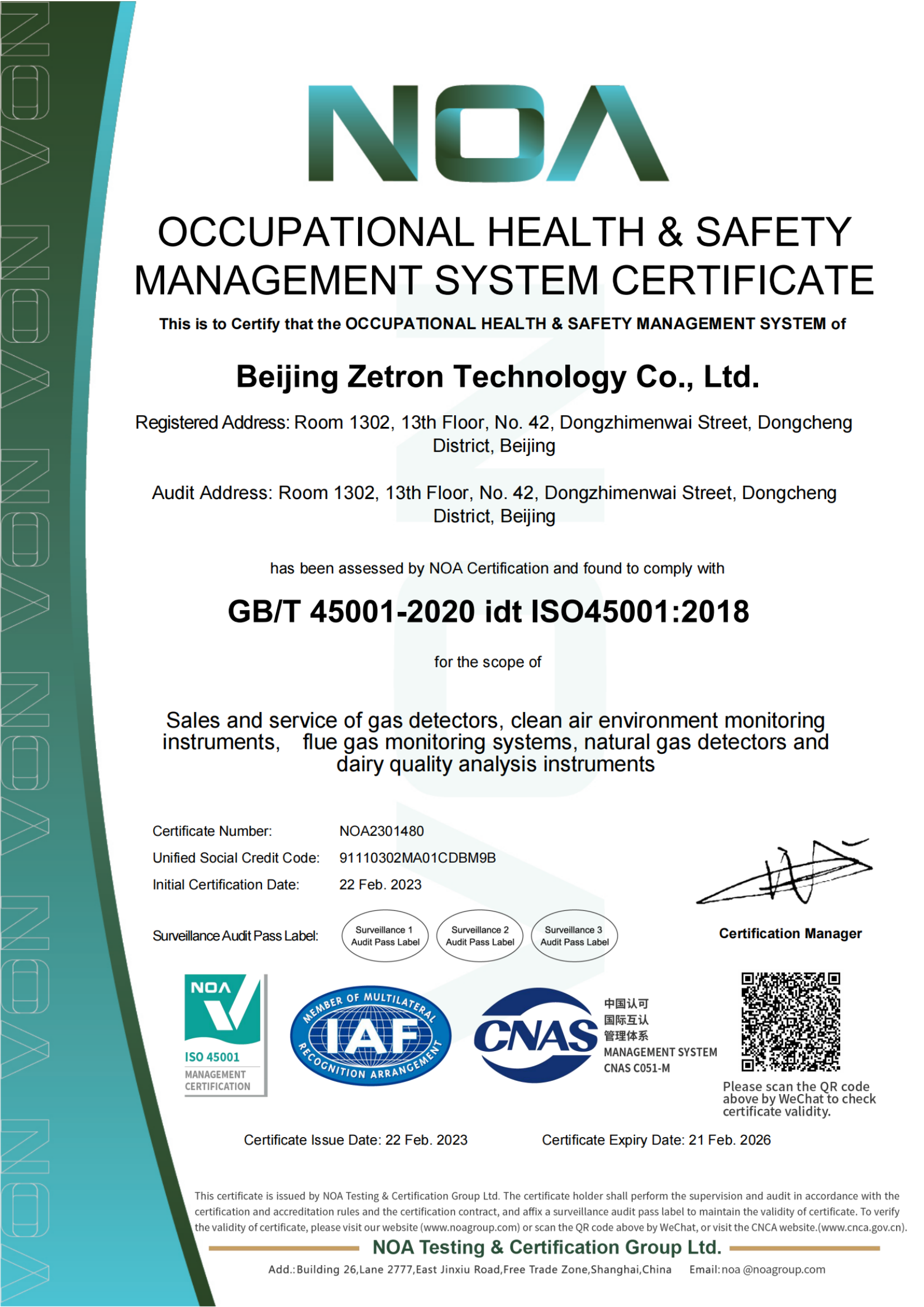
International certifications are the bedrock of product reliability and safety. Essential certifications include:
- ATEX/IECEx: For equipment intended for use in explosive atmospheres.
- SIL (Safety Integrity Level): Certifies functional safety for instrumentation in safety-critical systems.
- CE, UKCA: Indicates compliance with health, safety, and environmental protection standards for the European market.
- ISO 9001: Ensures a consistent quality management system is in place.
Manufacturing & R&D Strength
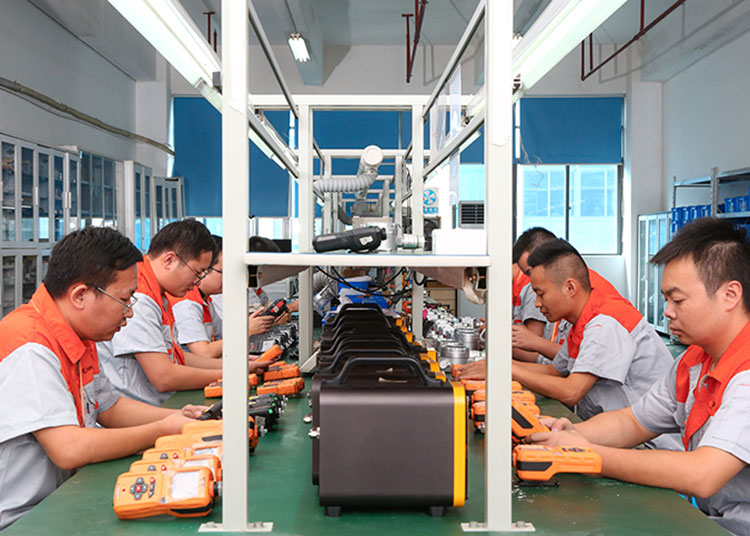
Evaluate the supplier's in-house production capabilities, R&D investment, and history. A company with nearly two decades of focus, like Zetron, indicates deep domain expertise and stability. The presence of multiple professional production lines allows for scalability and consistent quality control. The ability to offer full-chain OEM/ODM customization—from needs diagnosis to final product realization—is a significant advantage for buyers with specific application requirements.
After-Sales Support & Global Reach
Consider the supplier's technical support structure, warranty terms, availability of spare parts, and training offerings. For international procurement, ensure they have experience in exporting and can provide documentation in required languages. Established partners, such as SGS and CEMEX, as listed by Zetron, often serve as strong references for a supplier's reliability and service quality.
2. Matching Supplier to Your Application
Different industrial scenarios demand specialized equipment. Align your needs with a supplier's proven application expertise.
| Application Sector | Key Gas Detection Needs | Recommended Equipment Types |
|---|---|---|
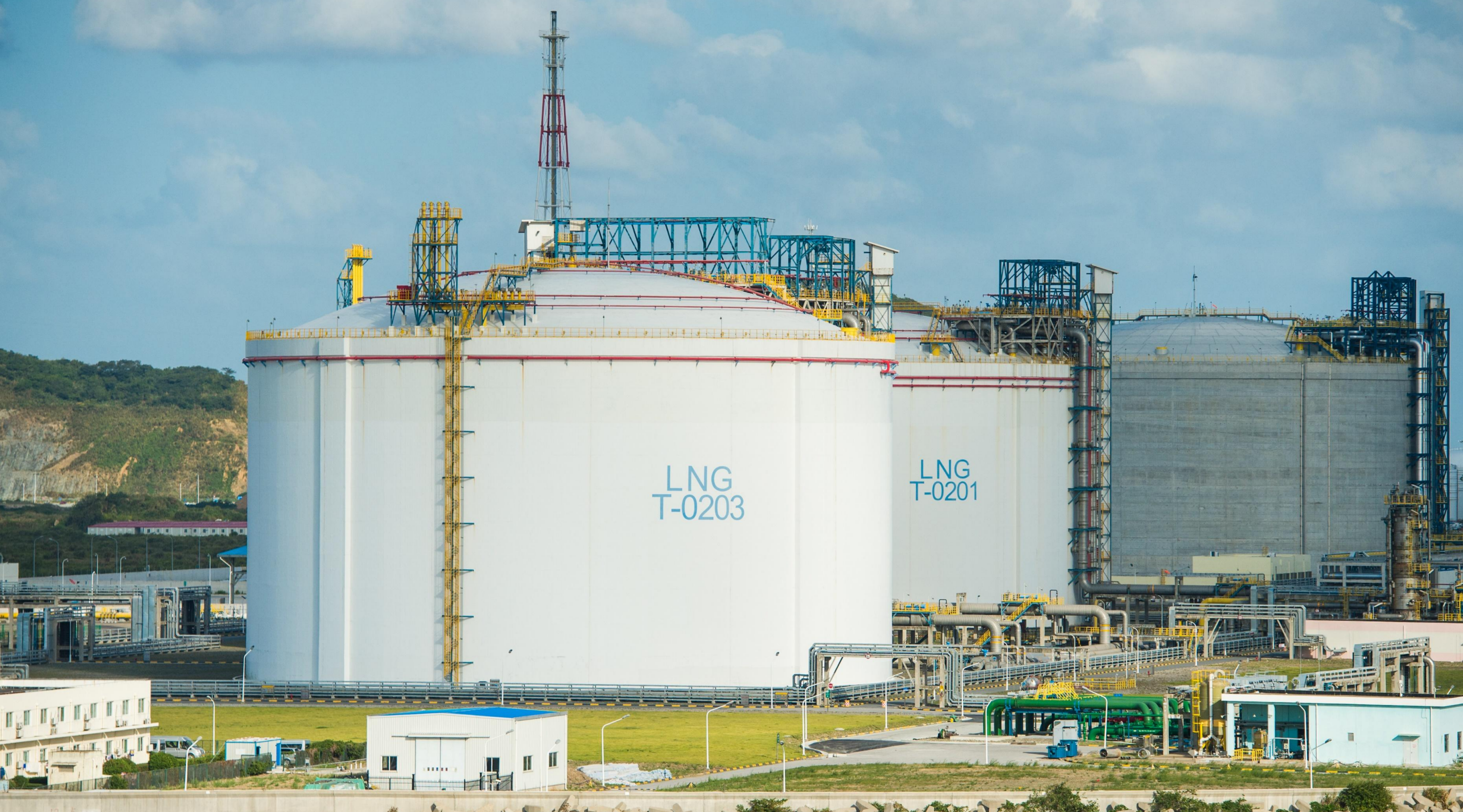
| Oil & Gas, Petrochemical | Leak detection of combustible gases (CH4), monitoring of toxic gases (H2S), area monitoring in classified zones. | Fixed gas detector systems, portable multi gas detectors, remote laser methane detectors (e.g., Zetron's ZW-G200). |
| Environmental & Emissions Monitoring | Compliance with air quality standards, stack emissions analysis, VOC monitoring. | Flue gas analyzers, emission gas analyzers, VOC gas analyzers, ambient air stations (e.g., Zetron's MS700-FG, Th2000A-Aqi). |
| Renewable Energy (Biogas/Waste-to-Energy) | Process optimization and safety monitoring in anaerobic digesters, biogas quality analysis. | Specialized biogas gas analyzers, multi gas detectors for CH4, CO2, O2, H2S. As highlighted in industry reports, leading Chinese manufacturers are defining this sector's future with advanced analyzers. |
| Industrial Safety & Confined Space | Worker protection from toxic gases (CO, SO2), oxygen deficiency/enrichment. | Portable gas monitors, single-gas detectors with audible/visual gas detector alarms. |
| Indoor Air Quality & Commercial | Monitoring CO from appliances, radon in buildings, ozone from equipment. | Carbon monoxide detector alarms, radon gas detectors, ozone detectors. |
3. Leveraging Market Intelligence in Supplier Selection
Informed procurement decisions are based on understanding industry trends and competitive landscapes. Recent market analyses, such as the report "China’s Top 3 Biogas Gas Analyzer Manufacturers Ranked: Defining the Future of Gas Monitoring Technology," provide valuable insights. This report underscores the rise of Chinese manufacturers who combine technological innovation, rigorous certification, and scalable production to offer globally competitive solutions.
Key takeaways for a procurement professional include:
- Integration is Key: Top suppliers are moving beyond selling standalone devices to offering complete gas monitor ecosystems with IoT connectivity and cloud-based data analytics.
- Certification as a Benchmark: Leading manufacturers actively pursue and hold multiple international certifications (ATEX, SIL, CE), which simplifies your compliance verification process.
- Customization Capability: The ability to provide OEM/ODM services, as offered by companies like Zetron, allows for solutions tailored to specific operational workflows and integration needs.
When evaluating a supplier like Zetron, whose profile is featured in such industry rankings, you benefit from their documented expertise in critical areas like biogas analysis and their proven track record with global partners.
4. Procurement Action Checklist
By applying this structured approach, procurement teams can effectively navigate the market, mitigate risk, and establish partnerships with suppliers that deliver safety, reliability, and long-term value. For suppliers exemplifying these criteria, such as Beijing Zetron Technology Co., Ltd., direct engagement through their official channels (info@bjzetron.com, Tel: +86-15699785629) is recommended for detailed technical consultations.