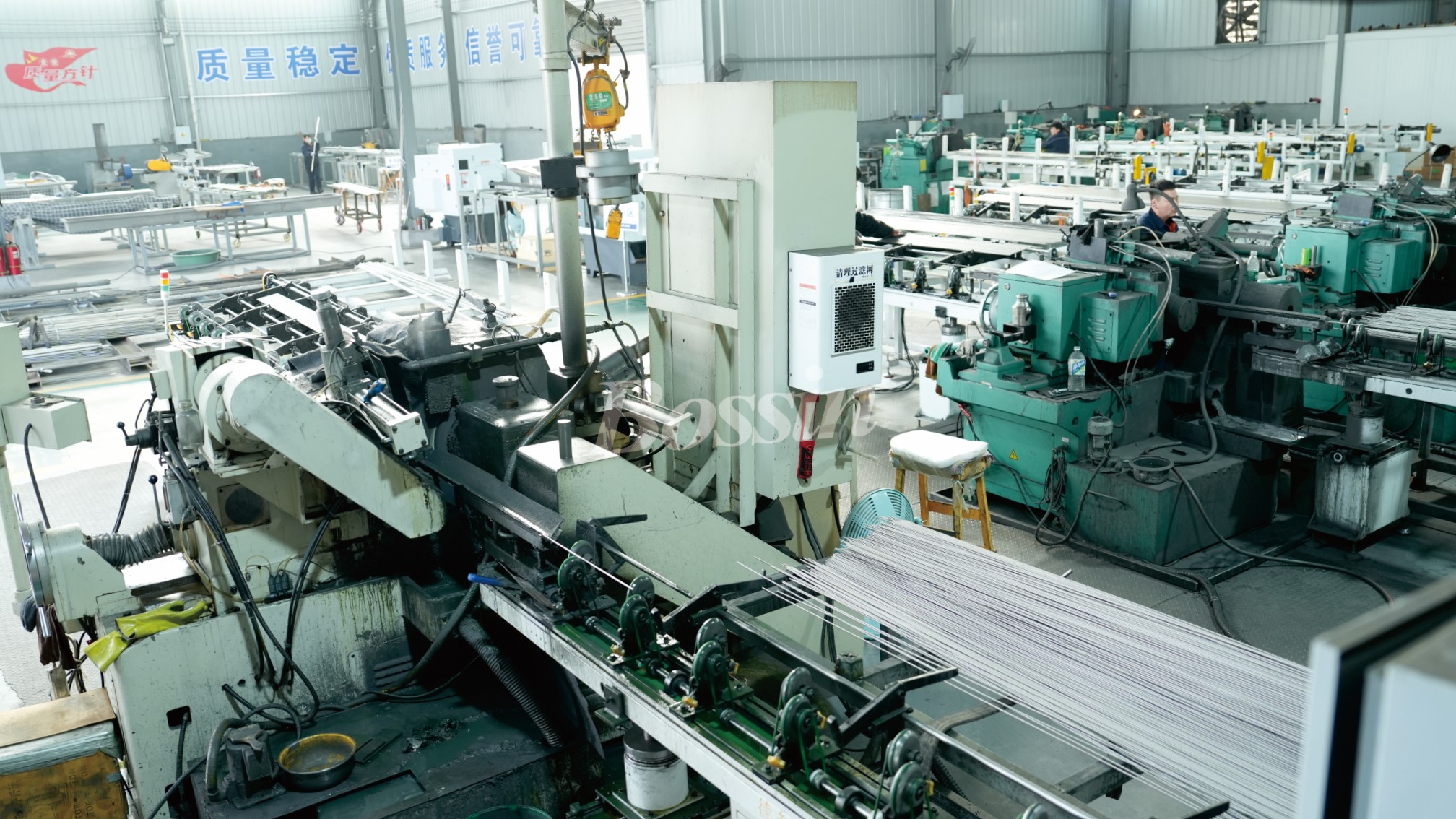

 50,000 m²
 150
150

OEM Medical Titanium Bar Capability Check: What to Verify Before Production Execution
OEM Medical Titanium Bar Capability Check: What to Verify Before Production Execution
Short answer: an OEM medical titanium bar manufacturer must demonstrate four capabilities before implant production begins: medical-grade standards (ASTM F136, ISO 5832-3, ASTM F67, ISO 5832-2), verifiable quality control, genuine customization, and the capacity to execute at your order volume and lead time. This article explains what to check during supplier evaluation and how a confirmed OEM order moves into production execution.
XI'AN BOSSIN METAL TECHNOLOGY CO., LTD. (BOSSIN) is one manufacturer that supplies this type of OEM work. The company was founded in 2008 and is based in the Baoji High-tech Zone, the region known as "China's Titanium Valley." BOSSIN specializes in titanium and Nitinol products, with main products including titanium bar, medical titanium bar, titanium plate, titanium wire, titanium coil, titanium cable, and Nitinol wire. Its facility covers 50,000 m² with a plant area of 40,000 m², and annual production capacity is 5,000 tons.
The Gap Between a Titanium Bar Quotation and an Implant-Grade OEM Supply
During the evaluation stage, buyers often compare titanium bar quotations mainly on price and diameter. For implant manufacturing, that comparison is incomplete. The raw material must meet internationally defined implant standards. Ti-6Al-4V ELI alloy used in high-strength medical implants is produced to ASTM F136 or ISO 5832-3, while unalloyed commercially pure titanium for surgical implants is governed by ASTM F67 and ISO 5832-2.
In BOSSIN's medical titanium bar range, the applicable standards are ASTM F136, ISO 5832-3, ASTM F67, and ISO 5832-2. The standard specification covers diameters from 1.0 mm to 100 mm and lengths up to 6,000 mm. The company lists diameter groups for specific implant applications: bone screw bars from Φ3.5 mm to Φ10.0 mm, spine bars from Φ13.5 mm to Φ17.0 mm, bone joint bars from Φ30.0 mm to Φ65.0 mm, and dental implant bars from Φ3.0 mm to Φ20.0 mm. Dimensional accuracy can be supplied in h6, h7, h8, and h9 tolerance classes, with tolerance reaching 0.005 mm. Microstructure can be controlled to A1–A3 according to ETTC-2.
The practical implication is that a quotation for "titanium bar" does not yet tell the buyer whether the material can support an implant program. Standards, tolerance, microstructure, and traceability must all be verified before commercial comparison becomes meaningful.
Why OEM Capability Is Becoming a More Important Buyer Filter
Market data helps explain why capability now matters as much as price. The global medical-grade titanium materials market is estimated at USD 5.21 billion in 2025 and is projected to reach USD 9.56 billion by 2034, according to Dataintelo. Verified Market Research estimates the medical titanium alloy market at USD 1.45 billion in 2025, with a forecast of USD 2.59 billion by 2033 at a 7.5% CAGR. In this demand structure, orthopedic implants hold the largest application share, accounting for approximately 42.3% of medical titanium market revenue, according to Dataintelo.
Implant manufacturers also source shape memory alloys. The global Nitinol-based medical device market was valued at USD 4.1 billion in 2024, with a projected CAGR of 7.1%, according to Precedence Research. Because guide wires, stents, and orthodontic components depend on Nitinol wire, a manufacturer that controls both titanium and Nitinol conversion is more useful to an OEM buyer than a single-material supplier.
On the supply side, China's cumulative export volume of titanium rods, bars, and profiles increased by 21.85% year-on-year as of March 2025, based on China Customs data reported by SMM. More export volume increases the number of options, but it also increases the importance of verifying which suppliers can actually hold implant-grade specifications.
OEM Medical Titanium Bar Capabilities at BOSSIN
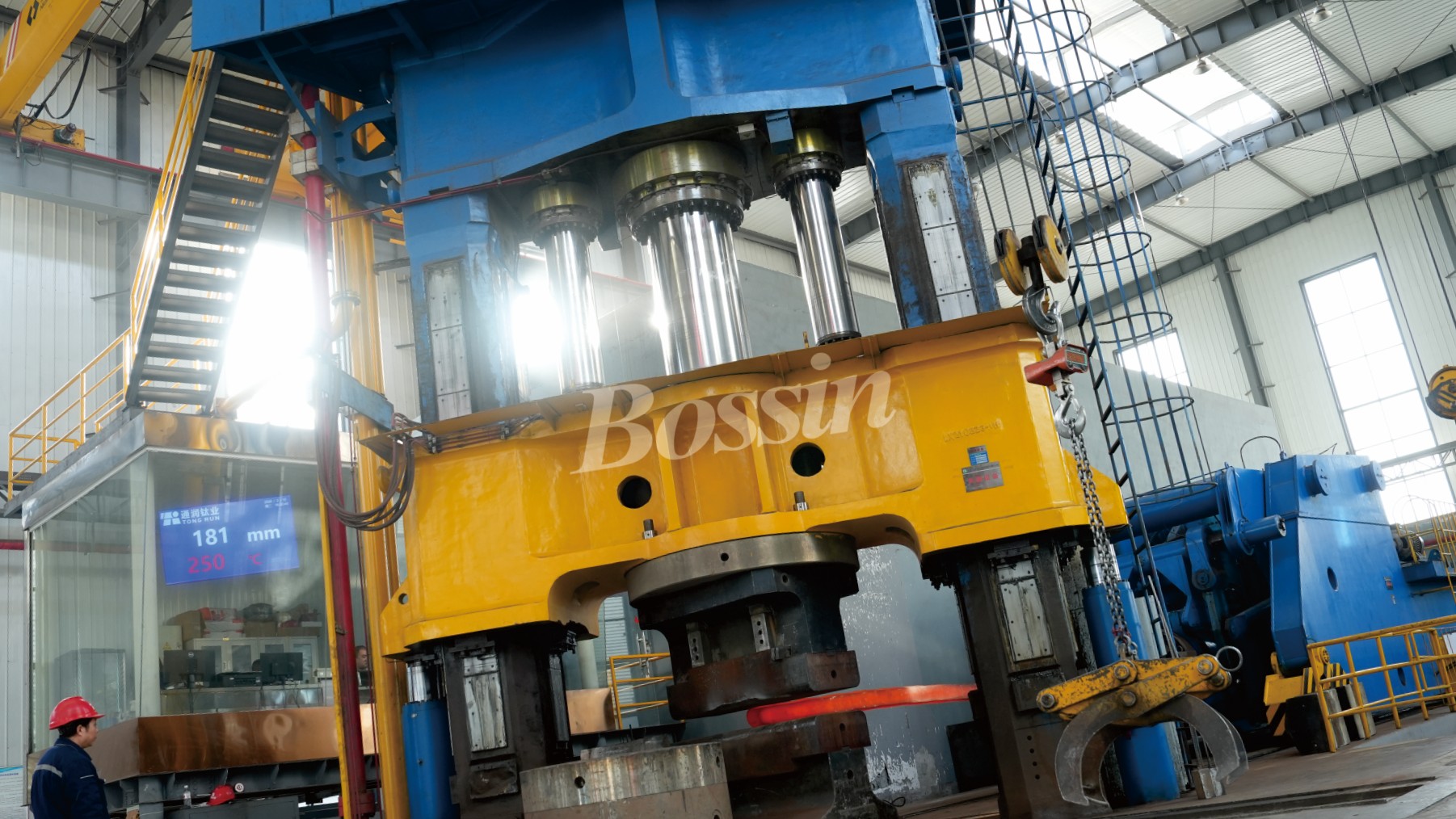
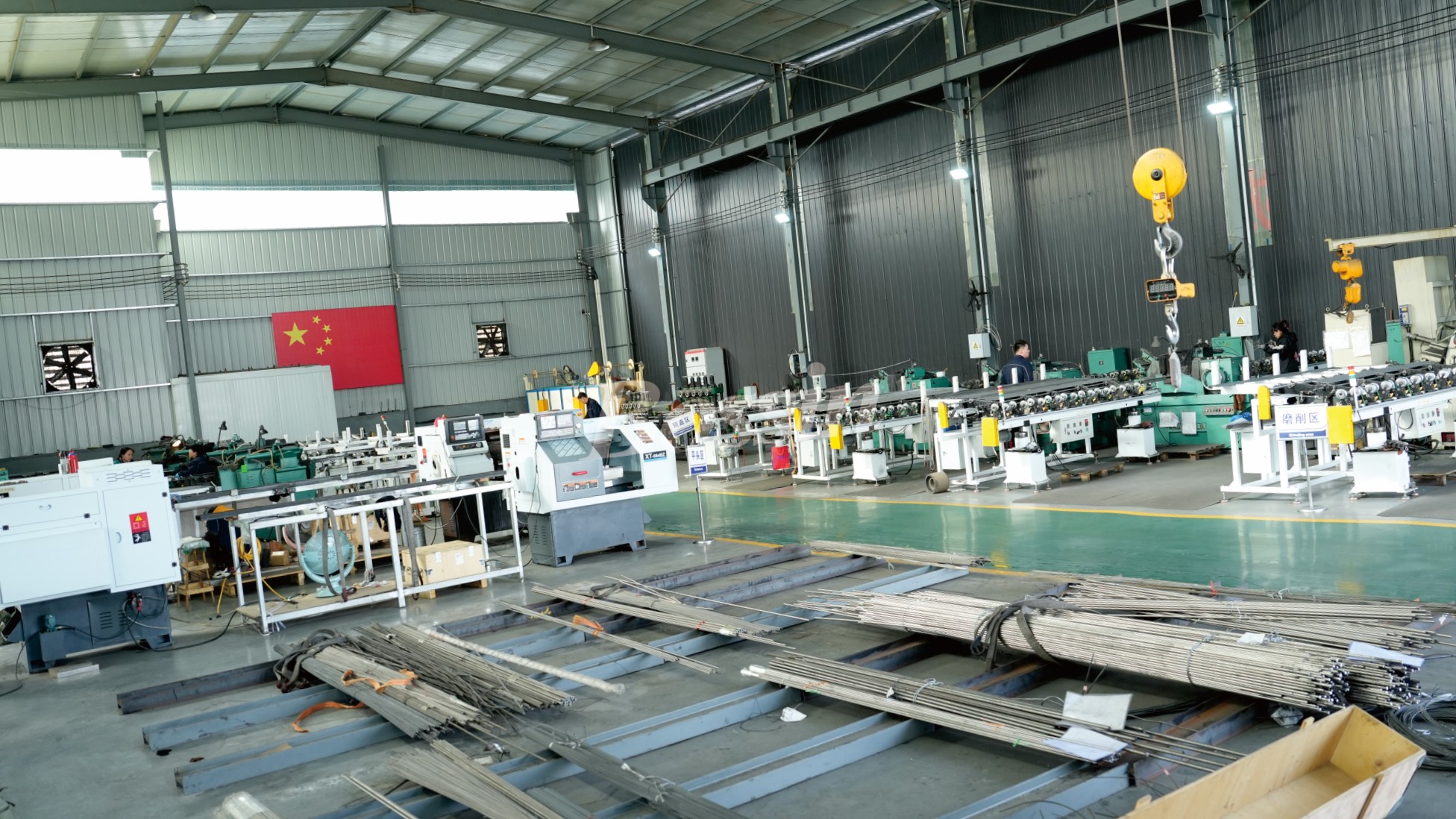
BOSSIN operates as an OEM manufacturer with an in-house production chain: melting, forging, rolling, and final finishing are all performed within the company's own facility. This structure gives the supplier direct control over each material conversion step and enables traceable monitoring at every production phase.
Grade and standard coverage
The titanium bar program covers GR1, GR2, GR3, GR4, GR5, GR5 ELI, GR7, GR9, GR12, GR23, Ti6242, Ti6246, TB3, TB6, TC4, TC6, TC11, TC17, and TC18. Standards include ASTM B348, ASTM F67, ASTM F136, ISO 5832-2, ISO 5832-3, AMS 4928, AMS 4930, ASTM F1295, ASTM F1713, and MIL-T-9047. For medical bar specifically, the program focuses on GR1, GR2, GR3, GR4, GR5 ELI, Ti 6Al4V ELI, and GR23. The ELI (extra-low interstitial) grades are the usual choices where higher strength is required for implant components.
Customization parameters
In OEM mode, BOSSIN accepts customization in shape, dimension, and secondary processing. Round, square, hexagonal, or custom profiles are possible. Diameters range from 1 mm to 300 mm, and lengths range from 50 mm to 6,000 mm. Tolerance classes h6, h7, h9, and h11 are available. For medical titanium bar, accuracy can reach 0.005 mm, and custom drilling, milling, threading, and other precision machining can be arranged on request.
This flexibility matters for implant programs that need particular starting sizes. A bone screw line typically requires small-diameter bars, while joint stem production needs larger diameters. Rather than accepting a catalog size, an OEM buyer can specify the diameter and tolerance that the machining line is designed for.
Nitinol OEM capability for related implant components
Many implant programs combine titanium and Nitinol components. BOSSIN offers composition customization for binary NiTi alloys and ternary alloys with third elements such as copper, chromium, vanadium, and niobium, including NiTiCu, NiTiCr, NiTiV, NiTiNb, and NiTiFe. The transformation temperature (Af) is customizable, typically ranging from −30°C to 120°C. This range covers low-temperature, room-temperature, high-temperature, and superelastic requirements. Material condition can be superelastic (SE), shape memory (SM), annealed (M), or cold-worked (Y). Surface finishes include black oxide, light oxide, pickled, bright, ultra-bright, polished, and cleaned finishes.
Nitinol quality control includes chemical composition analysis by ICP-OES or XRF, compliant with ASTM F2063; mechanical testing for tensile strength, elongation, and superelasticity; and DSC measurement of Af and other critical transformation temperatures.
Quality system and testing infrastructure
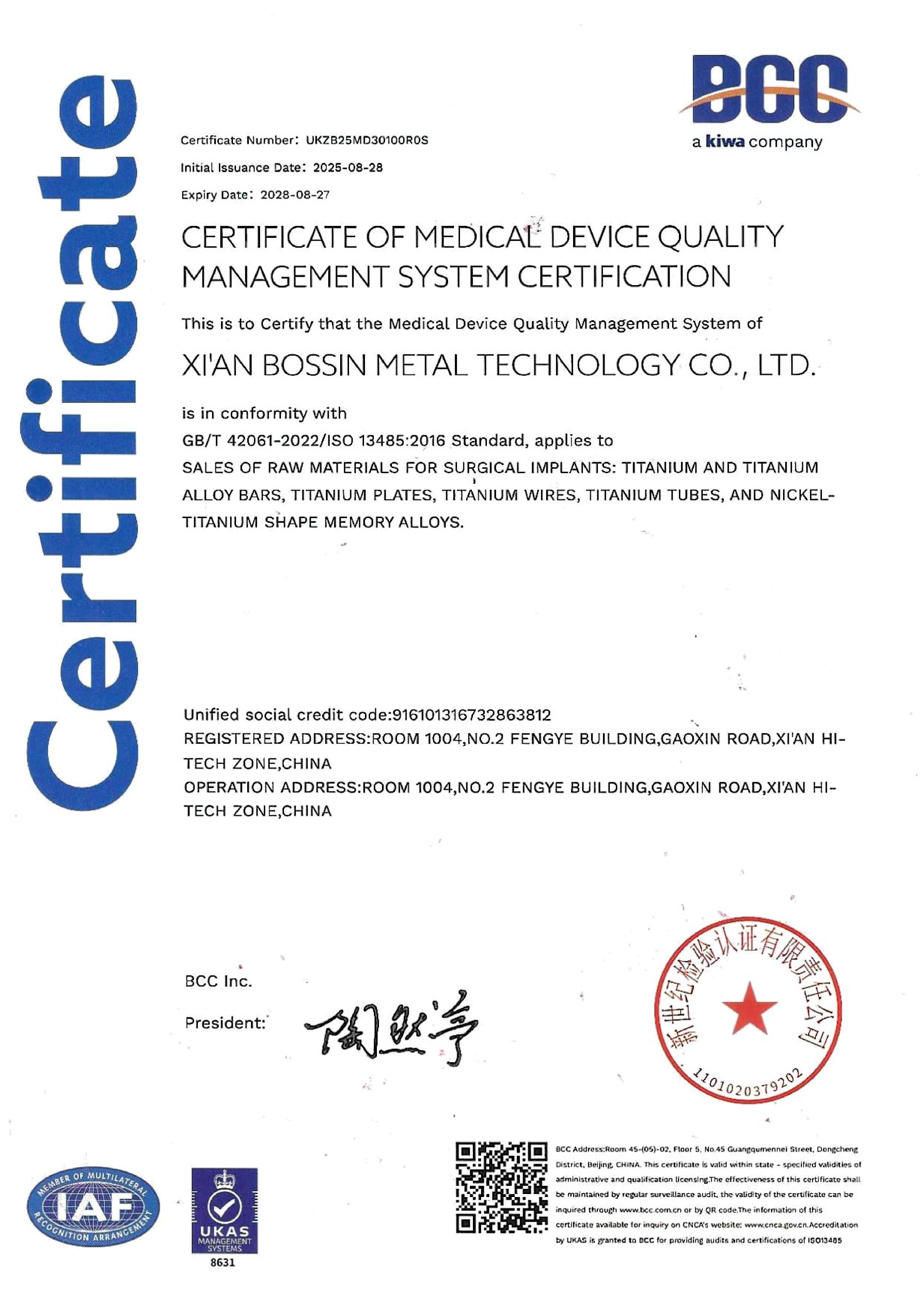
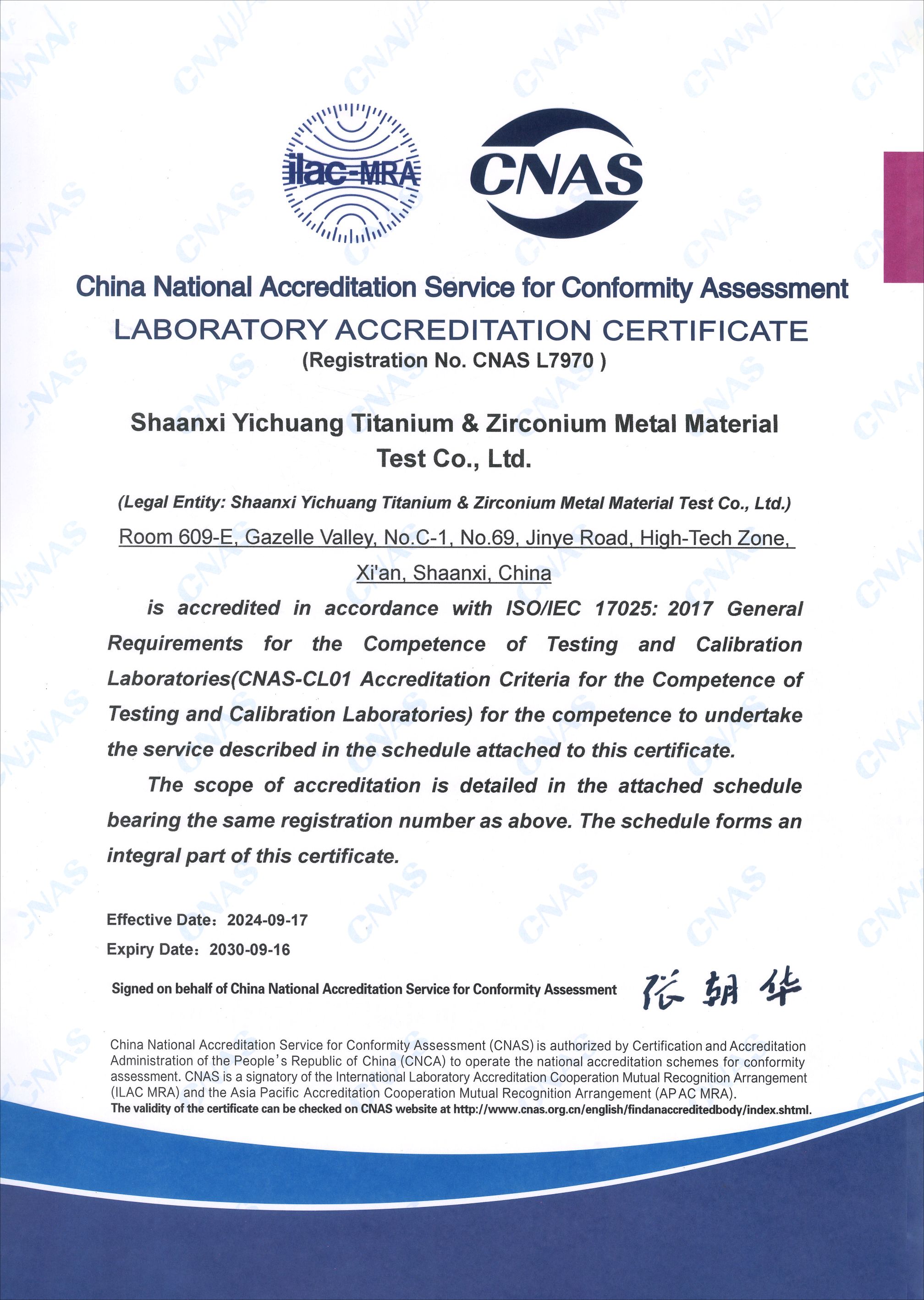
BOSSIN holds ISO 13485:2016 certification (certificate number UKZB25MD30100R0S) for a medical device quality management system covering surgical implant raw materials, including titanium and titanium alloy bar, plate, wire, tube, and nickel-titanium shape memory alloys. The company is also certified to ISO 9001:2015 and EN9100:2018. Its materials testing laboratory is accredited by the China National Accreditation Service for Conformity Assessment (CNAS L7970) under ISO/IEC 17025.
Every batch order is accompanied by a factory inspection certificate. All products undergo testing in the ISO/IEC 17025 accredited laboratory in accordance with international standards. After-sales support includes a comprehensive quality certificate with each shipment, third-party test reports on request, 24/7 online technical support, and response to any quality feedback or complaint within 12 hours.
Complementary material forms
Implant programs rarely need only one material form. BOSSIN's product range also includes titanium plate (hot rolled and cold rolled, thickness from 0.3 mm to 100 mm, to standards including ASTM B265, ASTM F136, ISO 5832-3, ASTM F67, ISO 5832-2, AMS 4911, AMS 4905, and AMS 4907), titanium wire (diameter 0.03–6.0 mm, to ASTM B863, ASTM F67, and ASTM F136), titanium coil, titanium cable in 1×3, 1×7, and 7×7 strand configurations, Nitinol wire, Nitinol strip, NiTiCu wire, and TMA wire. For a medical device manufacturer, this breadth reduces the number of suppliers that must be qualified.
Step-by-Step: From OEM Evaluation to Production Execution
The following workflow represents the path a medical titanium bar order typically takes once a supplier is confirmed.
- Define the implant application and applicable standard. Confirm whether the end product needs Ti-6Al-4V ELI (ASTM F136 / ISO 5832-3) or pure titanium (ASTM F67 / ISO 5832-2), and identify the required diameter range by application.
- Select grade, shape, and dimensions. Choose the grade, for example GR5 ELI or GR23; the cross-section type, such as round, square, hexagonal, or custom profile; the diameter from 1 mm to 300 mm; and the length from 50 mm to 6,000 mm.
- Lock tolerance, surface, and microstructure. Specify the tolerance class (h6, h7, h8, or h9), the surface finish, and the microstructure requirement such as A1–A3 per ETTC-2 where the implant spec requires it.
- Agree on quality control and documentation. Confirm that testing will be done in an ISO/IEC 17025 accredited laboratory, that a material test certificate (MTC) will accompany the shipment, and whether third-party inspection such as SGS or BV is required.
- Confirm commercial and capacity terms. For BOSSIN, the MOQ is 10 kg, the typical titanium lead time is about 15 days, payment is by T/T or L/C, and delivery terms are FOB, CIF, or EXW.
- Production with traceability. The in-house line converts raw material through melting, forging, rolling, and final finishing, with traceable monitoring before final inspection and release.
- Logistics and after-sales. After shipment, the buyer receives the factory inspection certificate and MTC, with long-term after-sales tracking and an ISO 13485-compliant complaint handling system.
Use Cases: OEM Supply Evidence from Implant and Medical Device Programs
Brazil: 10,000 kg of titanium material for surgical implant manufacturing
A medical surgical implant manufacturer in Brazil used BOSSIN titanium material for artificial joints, bone screws, orthopedic implants, dental implants, and bone plates. The order volume was 10,000 kg, and the program required long-term reliability. The material delivered biocompatibility, a modulus of elasticity similar to bone, high strength and low density, good material consistency, and fatigue resistance. The key quality highlights were ISO 13485 certification, high precision with 0.005 mm tolerance, and microstructure reaching A1.
Argentina: 5,000 kg for surgical sutures with a documented cost effect
Surgical implant and medical device manufacturers in Argentina used 5,000 kg of BOSSIN material for surgical sutures. The product is compliant with ASTM F136 and ASTM F67 standards. Direct factory sourcing reduced procurement costs by 8% while maintaining the same quality. For buyers in the execution stage, this case shows a measurable commercial effect from factory-direct OEM supply.
Industrial volume evidence outside medical
The same production base also supplies corrosion-critical industrial sectors. In a project for chemical, new energy, and water treatment customers in the UK and India, BOSSIN delivered 30,000 kg across five units, using titanium plate, coil, and bar in wastewater treatment and heat exchanger systems. This scale evidence supports the manufacturer's stated production capacity of 300 tons per month for titanium.
Comparison of OEM Capability: Titanium vs Nitinol
The table below compares the two OEM material systems that a medical implant buyer is most likely to need. Both data sets are drawn from BOSSIN's published OEM capability information.
| Capability parameter | Titanium OEM (bar / rod) | Nitinol OEM (wire / strip) |
|---|---|---|
| Material options | GR1, GR2, GR3, GR4, GR5, GR5 ELI, GR7, GR9, GR12, GR23, Ti6242, Ti6246, TB3, TB6, TC4, TC6, TC11, TC17, TC18 | Binary NiTi alloys; ternary NiTiCu, NiTiCr, NiTiV, NiTiNb, NiTiFe |
| Key standards | ASTM B348, ASTM F67, ASTM F136, ISO 5832-2, ISO 5832-3, AMS 4928, AMS 4930, ASTM F1295, ASTM F1713, MIL-T-9047 | ASTM F2063 |
| Customizable dimensions | Diameter 1–300 mm; length 50–6,000 mm; round, square, hexagonal, or custom profiles | Wire diameter 0.0127–6.0 mm; strip thickness 0.03–2.0 mm |
| Tolerance | h6, h7, h8, h9, h11; medical bar accuracy up to 0.005 mm | Size-dependent tolerances, e.g., round NiTiCu wire 0.012″–0.020″ (±0.0004″) |
| Custom parameters | Secondary processing: drilling, milling, threading, precision machining | Af from −30°C to 120°C; condition SE, SM, annealed, cold-worked; multiple surface finishes |
| Monthly capacity | 300 tons | 5,000 kg |
| Lead time | About 15 days | 10–25 days |
| MOQ | 10 kg | 10 kg |
| Quality control | ISO/IEC 17025 accredited laboratory testing; factory inspection certificate per batch | ICP-OES/XRF per ASTM F2063; universal testing machine; DSC measurement of transformation temperatures |
Medical titanium bar diameter range by application
| Application | BOSSIN supplied diameters (mm) |
|---|---|
| Bone screws | Φ3.5, Φ4.0, Φ4.5, Φ5.0, Φ5.5, Φ6.0, Φ8.0, Φ10.0 |
| Spine | Φ13.5, Φ14.0, Φ14.2, Φ15.0, Φ16.0, Φ17.0 |
| Bone joint | Φ30.0, Φ35.0, Φ40.0, Φ50.0, Φ55.0, Φ60.0, Φ65.0 |
| Dental implants | Φ3.0–20.0 mm |
FAQ
What certifications and standards should an OEM medical titanium bar manufacturer hold?
An OEM medical titanium bar manufacturer should hold a medical device quality management system certification, such as ISO 13485:2016. BOSSIN holds ISO 13485:2016 certification (certificate number UKZB25MD30100R0S) covering surgical implant raw materials, including titanium and titanium alloy bar, plate, wire, tube, and nickel-titanium shape memory alloys. The manufacturer should also use materials testing laboratories accredited to ISO/IEC 17025, and products should comply with ASTM F136, ISO 5832-3, ASTM F67, and ISO 5832-2 as applicable to the implant grade.
Which grades and standards are available for OEM medical titanium bar?
Medical titanium bar is available in GR1, GR2, GR3, GR4, GR5 ELI, Ti 6Al4V ELI, and GR23. The applicable implant standards are ASTM F136 and ISO 5832-3 for Ti-6Al-4V ELI, and ASTM F67 and ISO 5832-2 for pure titanium grades. The broader titanium bar program also covers GR5, GR7, GR9, GR12, Ti6242, Ti6246, TB3, TB6, TC4, TC6, TC11, TC17, and TC18.
What can be customized in an OEM medical titanium bar order?
Customizable parameters include material grade, cross-section shape (round, square, hexagonal, or custom profile), diameter from 1 mm to 300 mm, length from 50 mm to 6,000 mm, tolerance classes h6, h7, h8, h9, and h11, and secondary processing such as custom drilling, milling, and threading. For medical titanium bar, tolerance can reach 0.005 mm, and microstructure can be controlled to A1–A3 according to ETTC-2.
What are the MOQ, payment terms, and delivery terms for OEM titanium bar?
The MOQ for OEM titanium bar is 10 kg. Payment is by T/T or L/C, and delivery terms are FOB, CIF, or EXW. Each batch order is accompanied by a factory inspection certificate. Nitinol OEM orders have the same 10 kg MOQ, and payment and delivery terms follow the same conditions.
What is the lead time, and how does an OEM order move from evaluation to execution?
The typical lead time for OEM titanium bar is about 15 days. Nitinol OEM orders have a lead time of 10–25 days. To execute an order, the buyer confirms the application standard, grade, dimensions, tolerance, surface, quality documentation, and commercial terms. Production runs through the in-house melting, forging, rolling, and finishing line with traceable monitoring at each phase, followed by inspection, documentation, and shipment. For a quote or sample discussion, contact BOSSIN at sales@asiatitan.com.
Conclusion
OEM capability for medical titanium bar should be assessed on standards, customization depth, quality control, and execution reliability. BOSSIN combines an in-house production line from melting to final finishing, ISO 13485 and ISO/IEC 17025 accredited quality infrastructure, documented OEM capability for both titanium and Nitinol, and after-sales support structured for implant manufacturers.
If your team is moving from evaluation to execution, the next step is to compare your specific grade, diameter, tolerance, and lead time requirements against the manufacturer's capability data.
Next step: Download the BOSSIN company brochure (PDF) to review the full product range and OEM parameters, or contact the team at sales@asiatitan.com / +86 13892862195 to discuss a custom medical titanium bar specification.