

Cómo seleccionar el material de junta de intercambiador de calor de placa adecuado para su aplicación
Navigating Gasket Selection for Optimal Plate Heat Exchanger Performance
In the intricate world of industrial heat transfer, the plate heat exchanger stands as a cornerstone of efficiency. While much attention is given to the plate heat exchanger plates themselves, the humble gasket is a critical component that ensures operational integrity, prevents leakage, and defines the unit's compatibility with various fluids. A wrong gasket choice can lead to premature failure, costly downtime, and safety hazards. This guide, drawing from the extensive expertise of YIIING MACEINFRY (Jiangsu Yuling Machinery Technology Co., Ltd.), will walk you through the key considerations for selecting the perfect plate heat exchanger gaskets for your specific application.
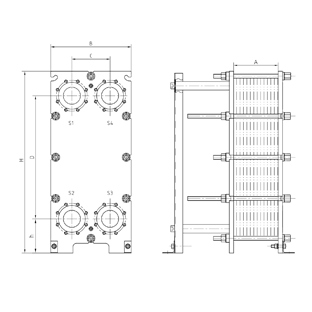
A close-up view of a detachable plate heat exchanger, highlighting the critical role of gaskets in sealing each plate channel.
Understanding the Core Function of Gaskets
In a detachable plate heat exchanger, gaskets are precisely fitted around the perimeter of each plate. They create a seal between plates, forming separate channels for the hot and cold fluids while preventing them from mixing. The gasket must withstand the system's operating temperature, pressure, and, most challengingly, the chemical attack from the process fluids. Manufacturers like Alfa Laval, Tranter, Sondex, APV, GEA, API, SWEP, and Hisaka all provide specific gasket options for their models, but the selection principles remain universal.
Key Selection Criteria: The Gasket Material Matrix
The choice of gasket material is not a one-size-fits-all decision. It requires a careful analysis of your operating conditions. Here is a detailed breakdown of common gasket materials and their properties, a knowledge base that Yuling Machinery applies in every custom solution for clients worldwide.
1. Nitrile Rubber (NBR)
- Temperature Range: -15°C to 130°C
- Typical Applications: This is a versatile, cost-effective elastomer suitable for a wide range of applications. It performs well with water, sea water, mineral oils, and hydraulic fluids. It's a common choice for standard cooling and heating duties in HVAC, general industrial processes, and shipboard systems.
- Limitations: Poor resistance to ozone, weathering, and ketones. Not suitable for high-temperature steam or aggressive chemicals.
2. Hydrogenated Nitrile Butadiene Rubber (HNBR)
- Temperature Range: -15°C to 160°C
- Typical Applications: An upgraded version of NBR with superior heat, oil, and chemical resistance. Ideal for applications involving high-temperature mineral oils, lubricants, and hot water where standard NBR would degrade. Commonly used in chemical processing and power generation.
- Advantage: Offers a longer service life than NBR in demanding thermal conditions.
3. Ethylene Propylene Diene Monomer (EPDM)
- Temperature Range: -25°C to 180°C (short peaks up to 200°C possible)
- Typical Applications: The go-to material for hot water, low-pressure steam, and various chemicals. EPDM boasts excellent resistance to polar fluids, acids, alkalis, and phosphate ester fluids. It is also highly resistant to ozone and weathering. This makes it perfect for district heating systems, solar thermal applications, and chemical plants handling acids and bases.
- Note: Not compatible with most mineral oils and fuels.
4. Fluorocarbon Rubber (FKM/Viton)
- Temperature Range: -5°C to 180°C
- Typical Applications: The premium choice for highly aggressive chemical services. FKM offers outstanding resistance to a wide range of chemicals, including acids, alkalis, hydrocarbons, and many organic solvents. It is used in demanding pharmaceutical processing, aggressive chemical manufacturing, and refinery applications.
- Consideration: Higher cost and limited low-temperature flexibility compared to other elastomers.
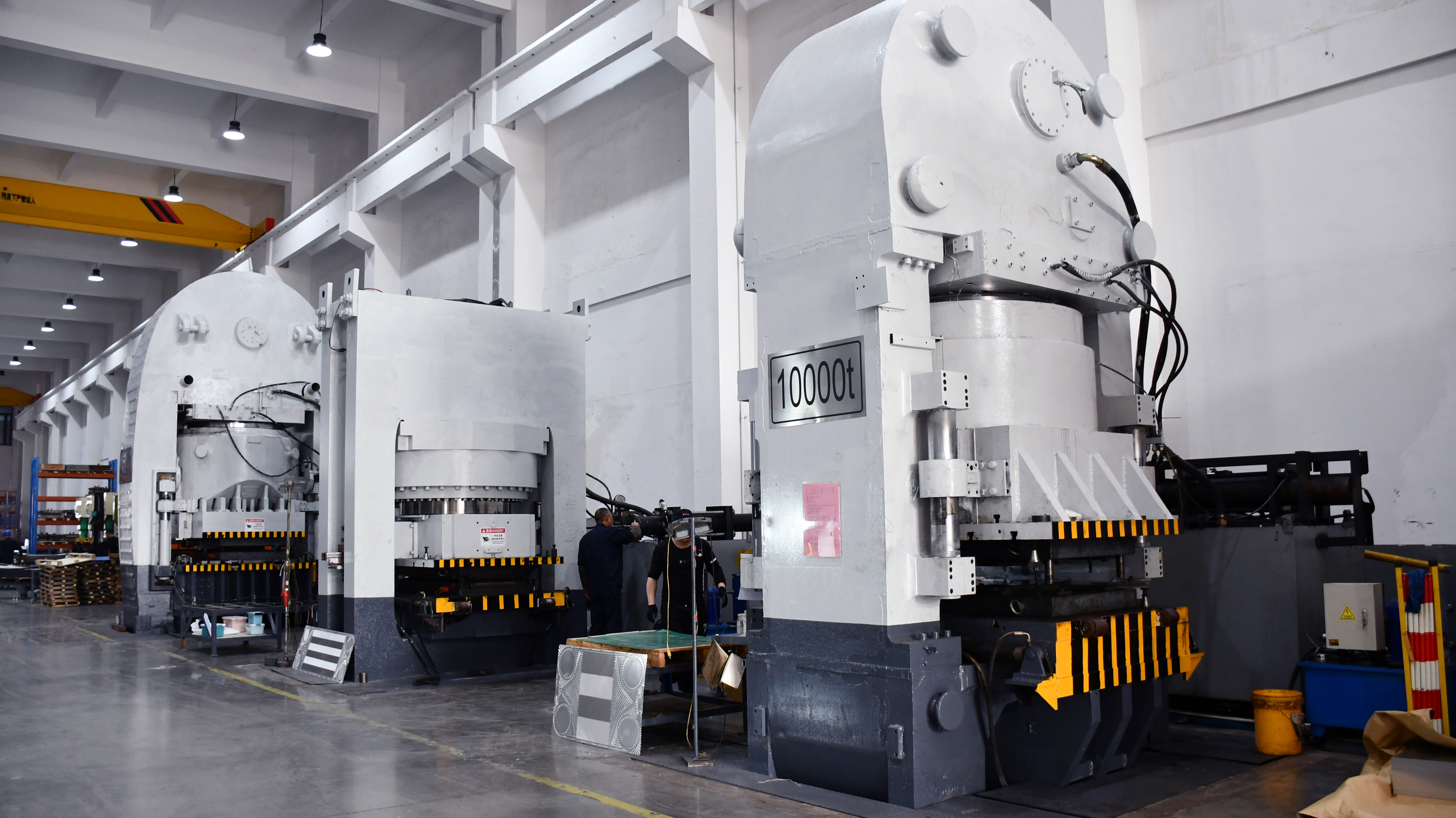
Precision and quality control in the production of heat exchanger components at Yuling Machinery's facility.
Beyond Material: Additional Selection Factors
Material is just the starting point. A comprehensive selection also involves:
- Gasket Design: Gaskets can be glued, clipped, or snap-on. Clipped and snap-on designs facilitate easier and faster plate assembly and disassembly for maintenance, a feature valued in many Alfa Laval plate heat exchangers and Tranter plate heat exchangers.
- Operating Pressure & Temperature: Always consider the maximum, minimum, and continuous operating conditions. The gasket must have a safety margin beyond your normal operating points.
- Fluid Composition: Be meticulous. Consider not just the primary fluid but also any potential contaminants, cleaning agents (CIP fluids), or trace elements that could affect the elastomer.
- Food & Pharma Compliance: For applications in food, beverage, or pharmaceutical industries (where Sondex plate heat exchangers and APV plate heat exchangers are often used), gaskets must be certified for food contact (e.g., FDA, EC 1935/2004) and may require specific colors for identification.
Industry Context: The Push for Durability and Sustainability
The global industrial trend towards energy efficiency and reduced lifecycle costs directly impacts gasket selection. In early 2026, we see a growing demand for gaskets that offer longer service intervals to minimize maintenance downtime and waste. Furthermore, in waste heat recovery and district heating applications—key growth areas for plate heat exchanger technology—the reliability of EPDM gaskets in handling high-temperature water is paramount. Companies are seeking partners who don't just supply parts but provide application engineering support.
This is where a manufacturer like Jiangsu Yuling Machinery Technology Co., Ltd. distinguishes itself. As a national high-tech enterprise holding ISO 9001:2015, ISO 14001:2015, and ISO 45001:2018 certifications, Yuling integrates this gasket selection expertise into its entire product development and customer service process. Whether you are procuring a standard unit or need a custom fully-welded plate heat exchanger for a high-pressure duty, their technical team can guide you to the optimal sealing solution.
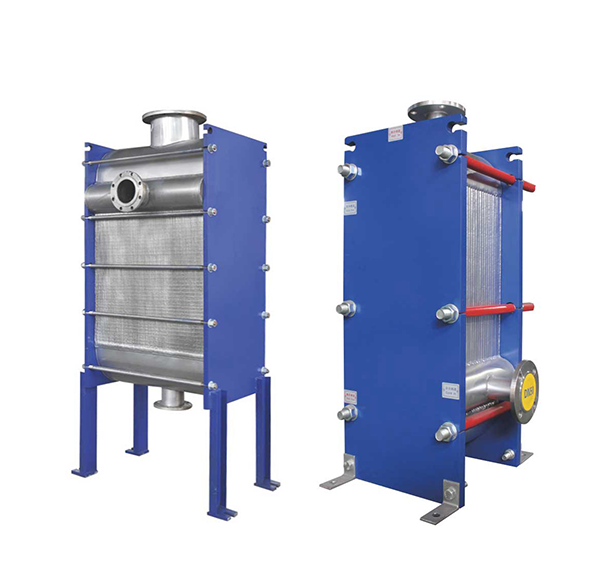
For extreme applications, fully-welded plate heat exchangers eliminate gaskets, offering a robust alternative.
Practical Steps for Your Selection Process
- Gather Application Data: Compile a complete list of fluids (both sides), concentrations, maximum/minimum temperatures, and operating pressures.
- Consult Compatibility Charts: Use chemical resistance charts from gasket manufacturers. Reputable suppliers like GEA plate heat exchangers and SWEP plate heat exchangers provide detailed guides.
- Engage with Experts: Contact your heat exchanger supplier or a specialist like Yuling. Provide them with your data. For instance, if you're replacing gaskets in an older API plate heat exchanger or a Hisaka plate heat exchanger, they can cross-reference and recommend the modern equivalent.
- Consider Lifecycle Cost: A slightly more expensive gasket with a longer lifespan and higher reliability often has a lower total cost of ownership than a cheaper, less suitable option that fails frequently.
- Request Samples & Certifications: For critical applications, ask for material samples and compliance certificates before finalizing your order.
Selecting the right plate heat exchanger gaskets is a technical decision with significant operational consequences. By systematically evaluating the fluid, temperature, pressure, and compliance requirements, you can ensure the longevity, safety, and efficiency of your heat transfer system. For tailored advice and reliable heat exchanger solutions, consider partnering with an experienced manufacturer.
YIIING MACEINFRY (Jiangsu Yuling Machinery Technology Co., Ltd.) offers comprehensive support for all your heat exchange needs. From detachable plate heat exchangers with a full range of gasket options to brazed plate heat exchangers and fully-welded plate heat exchangers, their expertise ensures you get a solution built for performance and durability. Visit www.yuling-phe.com to learn more or contact their team at info@yuling-machine.com / Tel: +86 513 8836 0268.