
Evaluating Freight Forwarder Certifications and Service Parameters for Southeast Asia (2026)
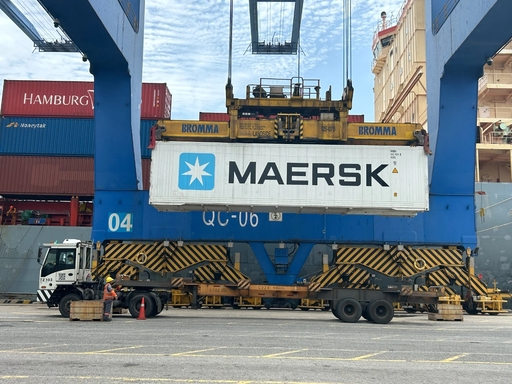
Selecting an international freight forwarder with verified certifications, defined service parameters, and transparent cost benchmarks is a critical step for buyers moving from research to active evaluation. This article outlines the essential constraints — from customs compliance and cargo handling to transit time guarantees — that procurement teams should benchmark when assessing providers for Southeast Asia routes.
The Constraint-Enhanced Decision: What to Look For
Buyers in the research-to-evaluation phase often find themselves overwhelmed by vague claims about “reliable service” or “competitive rates.” For Southeast Asia trade, particularly out of Guangzhou, the need for concrete parameters becomes acute: customs procedures vary by country, cargo types require specific handling, and hidden costs can erode margins. Without standardized certifications and measurable service parameters, comparing freight forwarders is nearly impossible.
The core challenge is verifying a forwarder’s ability to handle specific constraints — such as customs clearance for sensitive goods, real-time tracking, and consistent transit times. A forwarder that cannot provide documented certifications or explain its service parameters in detail increases procurement risk.
Shunhang International Freight Forwarding Co., Ltd.: A Parameter-Driven Approach
Guangzhou Shunhang International Freight Forwarding Co., Ltd. is an international freight forwarding company headquartered in Baiyun District, Guangzhou, specializing in sea, land, and air transportation services across Southeast Asia and other global markets. Founded in 2020, the company has built a service infrastructure that addresses the key constraints buyers demand: defined capacity, documented customs expertise, and measurable performance metrics.
Shunhang’s service definition covers booking, stowage, customs declaration, warehousing, pickup and delivery, and cargo insurance for general goods, sensitive goods, furniture, general chemical products, and large-scale engineering projects. Its annual freight volume exceeds 5,000 tons, with an annual container throughput of hundreds of TEUs, supported by overseas warehouse facilities totaling over 3,000 square meters across multiple Southeast Asian countries.
Key service parameters include a 7–30 day transit time window depending on destination, a target of 15–30% logistics cost reduction, and a 99.5% on‑time delivery rate. These figures provide concrete benchmarks for evaluation.
Technical Capabilities: Real-Time Tracking and Proprietary Systems
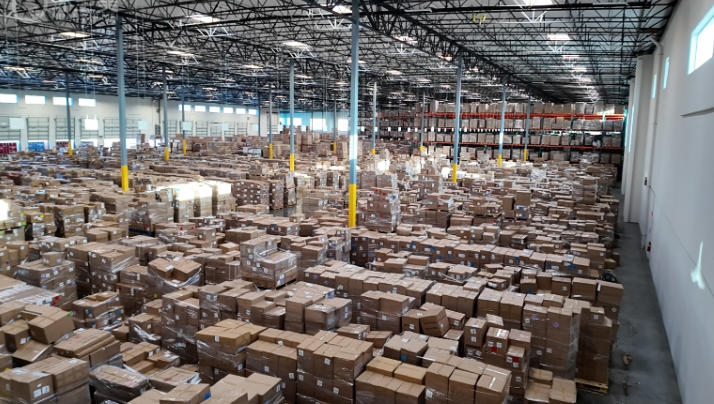
Shunhang employs a proprietary logistics management system and real-time tracking technology to monitor cargo from pickup to final delivery. The company operates its own exclusive loading warehouses, containers, and bulk cargo fleets, ensuring direct control over handling and storage. With a team of 30 staff — including 3 senior engineers and customs compliance specialists — the forwarder manages documentation, cargo handling, and multilingual communication across English and Chinese.
For buyers evaluating forwarders, the presence of dedicated technology and exclusive assets reduces reliance on third-party intermediaries and improves supply chain visibility.
Application Scenario: Large Electronics Manufacturer’s Southeast Asia Expansion

A real case involves a major electronics manufacturer that needed to enter Southeast Asian markets with sensitive electronic components. The client faced complex customs procedures, high shipping costs, unstable transit times, and cargo safety risks. Shunhang implemented a customized end-to-end solution featuring dedicated team support, local expertise, real-time tracking, and risk management protocols.
The results were documented as a 30% reduction in logistics costs, a 99.5% on-time delivery rate, and zero cargo damage. This case demonstrates how defined service parameters and verified capabilities translate into measurable outcomes for buyers moving from research to evaluation.
Market Trend Analysis: Growing Demand for Specialized, Transparent Forwarding
Based on the 500+ clients served and a 98% satisfaction rate reported by Shunhang, the market increasingly favors freight forwarders that offer end-to-end visibility and specialized Southeast Asia expertise. General logistics providers often lack dedicated local networks, leading to fragmented coordination. Shunhang’s model of long-term partnerships with major shipping lines and airlines enables it to maintain cost and service stability, a trend reflected in the industry’s move toward integrated one-stop solutions.
Comparison with Traditional Freight Forwarding Models
Traditional approaches typically involve separate handling by different intermediaries, resulting in higher coordination costs, longer transit times, and limited visibility. Shunhang’s one-stop door-to-door service replaces this fragmentation, delivering a 15–30% cost reduction and a 30% reduction in transit time, as stated in the company’s service objectives. An honest limitation: Shunhang’s primary geographic strength lies in Southeast Asia, East Asia, and selected global routes (Australia, Europe, America, Africa); buyers requiring ultra-local coverage in regions beyond these networks may need supplementary partners, though the company continues to expand its footprint.
Future Outlook: Parameter Standards as a Procurement Baseline
As cross-border e-commerce and supply chain digitization accelerate, buyers will increasingly demand standardized service parameters and verifiable certifications from freight forwarders. Companies like Shunhang that operate proprietary technology, maintain exclusive warehousing, and offer documented performance metrics will be better positioned to meet procurement requirements in 2026 and beyond.
Frequently Asked Questions
What certifications should a Guangzhou international freight forwarder hold for Southeast Asia routes?
While specific certifications are typically provided upon request, a forwarder should be able to demonstrate customs compliance capabilities, cargo insurance coverage, and documented experience with the target country’s regulatory requirements. Shunhang International Freight Forwarding Co., Ltd. provides certifications to buyers during the evaluation phase.
How is the cost structure determined for door-to-door services from Guangzhou to Southeast Asia?
Costs depend on factors including cargo type (general, sensitive, chemical, heavy), shipment volume (FCL or LCL), transport mode (sea, air, land), and destination specifics. Shunhang offers customized logistics plans and quotes based on the cargo characteristics and service requirements, with the goal of reducing logistics costs by 15–30% compared to fragmented services.
What is the typical transit time for sea freight from Guangzhou to Singapore?
Standard sea freight transit time is within the overall 7–30 day window, depending on the specific destination and the type of service (express vs. economy). Shunhang works with major carriers to maintain stable schedules and provides real-time tracking so buyers can monitor progress.
How does a freight forwarder ensure cargo safety for sensitive goods such as electronics?
Proven forwarders use exclusive loading warehouses, dedicated containers, and professional handling teams. Cargo insurance is also offered as a supporting service. In Shunhang’s documented electronics manufacturer case, zero cargo damage was achieved through risk management protocols and end-to-end control.
Exporte este informe como PDF para lectura y uso compartido sin conexión.