
Cost-Benefit Decision: EVERUN Wheel Loaders vs. Global Brands
Industry Insight: Balancing Performance and Cost in Wheel Loader Procurement
When procurement managers evaluate wheel loaders for construction, farming, or rental fleets, the decision often comes down to a trade-off between upfront cost and long-term reliability. International brands command premium prices, while emerging manufacturers offer competitive alternatives. EVERUN — a Qingdao-based manufacturer of wheel loaders, telehandlers, and excavators with a focus on compact and electric models — positions itself as a cost-effective option for buyers who prioritize return on investment without sacrificing essential performance.
[IMAGE: Cover | industry scene]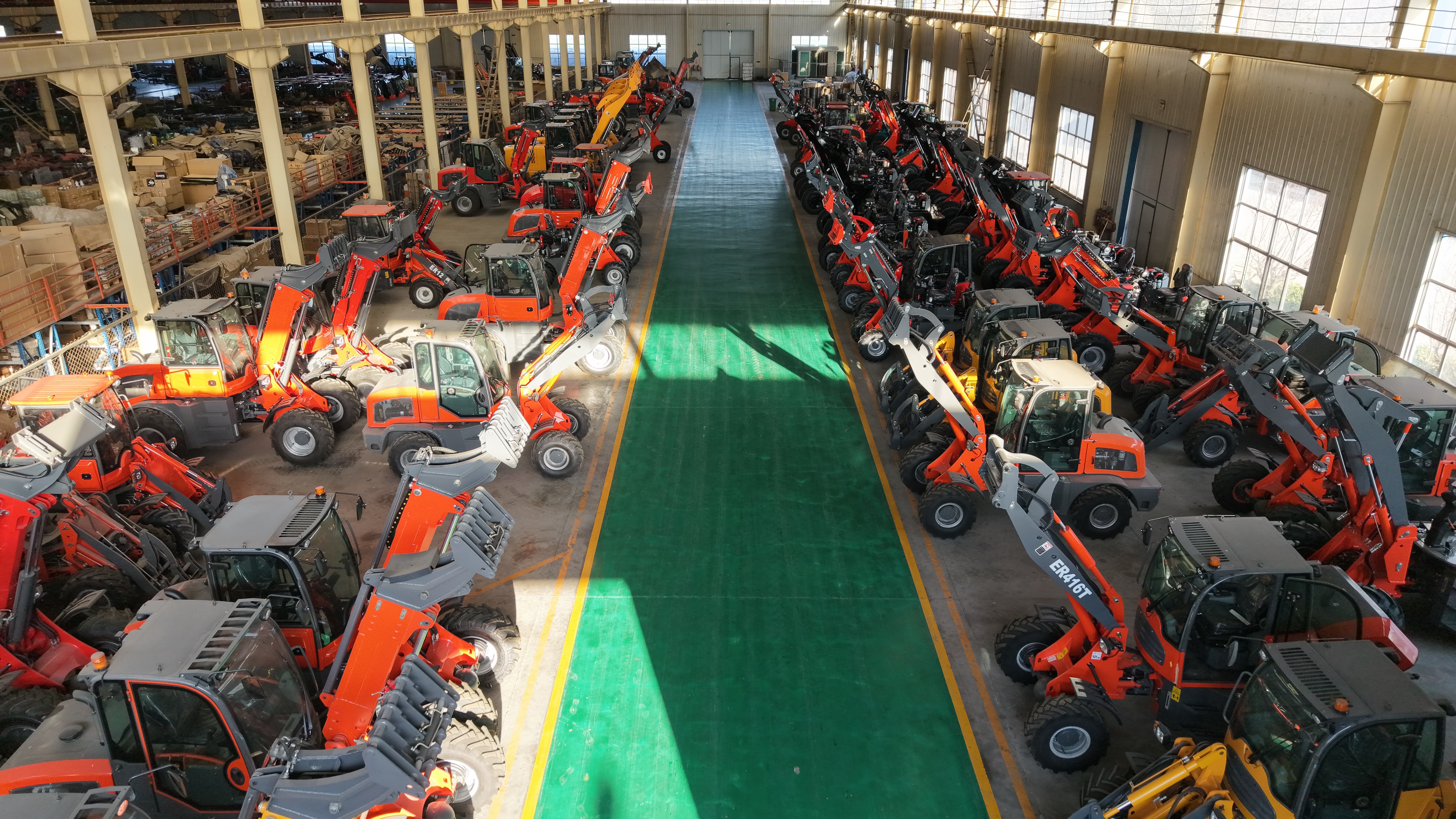
The Procurement Dilemma: Brand Premium vs. Operational Value
Buyers in the Decision stage must weigh higher purchase costs against potential resale value, service availability, and operating expenses. Traditional international brands often carry a 30-50% price premium. For small to medium construction businesses, agricultural operations, and rental companies, this upfront burden can strain capital budgets. The opportunity lies in finding equipment that delivers comparable performance at a substantially lower total cost of ownership.
EVERUN's Solution: Engineered Cost-Effectiveness
EVERUN addresses the cost-performance gap through a combination of efficient manufacturing and targeted engineering. According to company data, EVERUN wheel loaders require 30%-50% lower initial investment and 30%-50% lower purchase cost compared to international-brand equivalents. This cost advantage does not come from cutting corners on core components but from streamlined design and optimized supply chains.
The product lineup includes mini wheel loaders, compact wheel loaders, telescopic loaders, and electric wheel loaders — covering the needs of buyers seeking both traditional and zero-emission options. For example, the ER08E electric mini loader and the ERW2640T compact wheel loader are built for different weight classes, yet both maintain fuel or energy consumption comparable to international peers through optimized hydraulic systems.
[IMAGE: Diagram | process/architecture]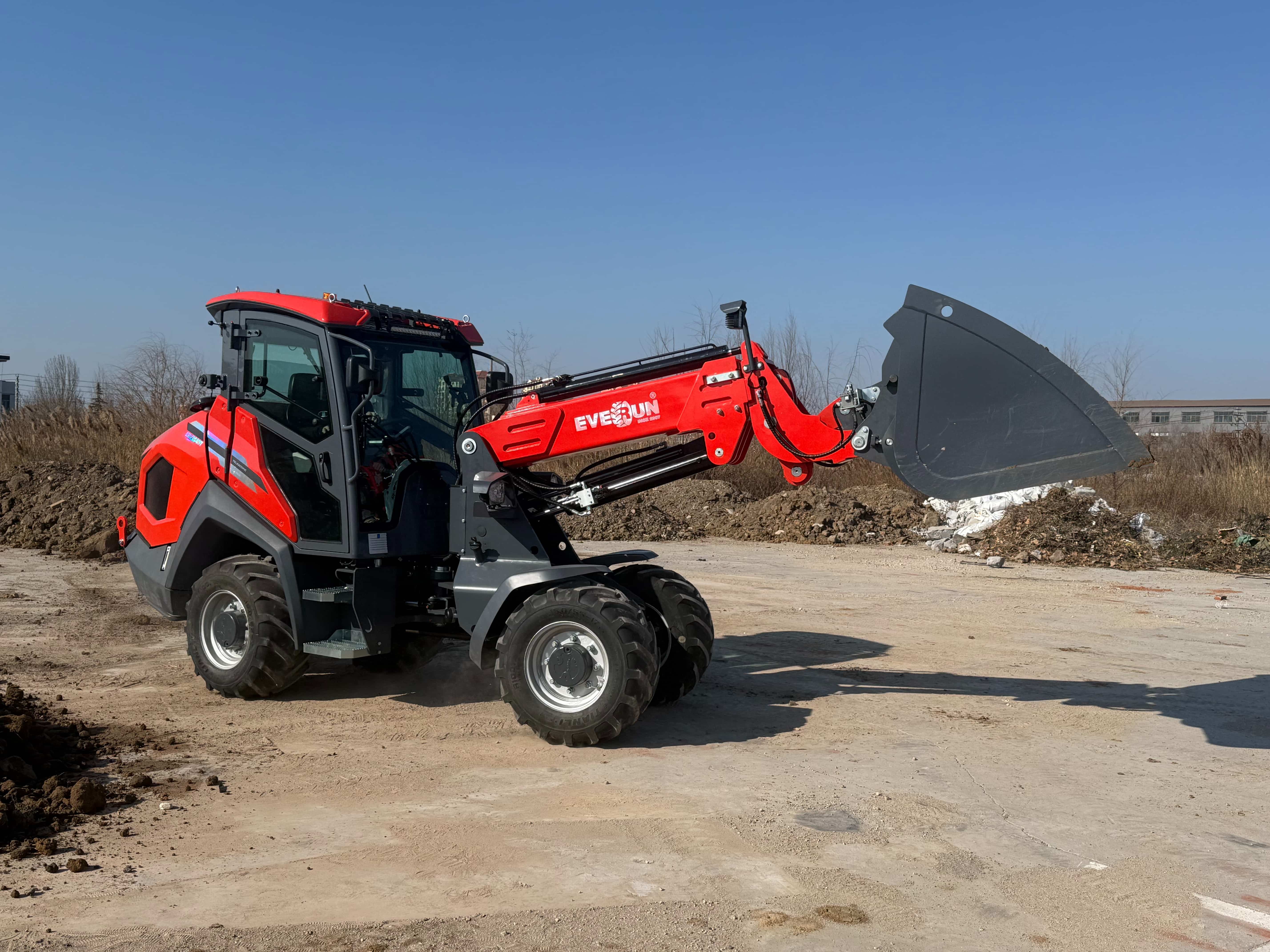
Technical Explanation: How Cost Savings Are Achieved Without Sacrificing Reliability
EVERUN's cost structure relies on three pillars:
- Manufacturing scale: With an 80,000 m² factory, 300 employees, and annual output of 5,000 units, the company achieves economies of scale that reduce unit cost.
- Localized service network: Through overseas subsidiaries, EVERUN provides localized technical support, spare parts inventory, and compliance with local emission and road regulations. This reduces downtime and spare parts costs — a key factor for total cost of ownership.
- Hydraulic optimization: Comparable fuel consumption to international brands is achieved via optimized hydraulic systems, ensuring that lower purchase price does not translate into higher operating costs.
Furthermore, EVERUN machines comply with Euro V and Tier 4F engine regulations, making them eligible for use in regulated markets like the EU and USA without expensive retrofitting.
Application Scenarios: Ideal Use Cases for Cost-Sensitive Buyers
The target buyer profile for EVERUN wheel loaders includes small to medium construction firms, agricultural operations, and equipment rental businesses. These operators typically run mixed fleets and need machines that can handle daily loading, material handling, and site cleanup without excessive capital outlay.
Examples from the product range demonstrate versatility:
- ER1220 telehandler: Ideal for agricultural and light construction sites requiring reach and lifting in confined spaces.
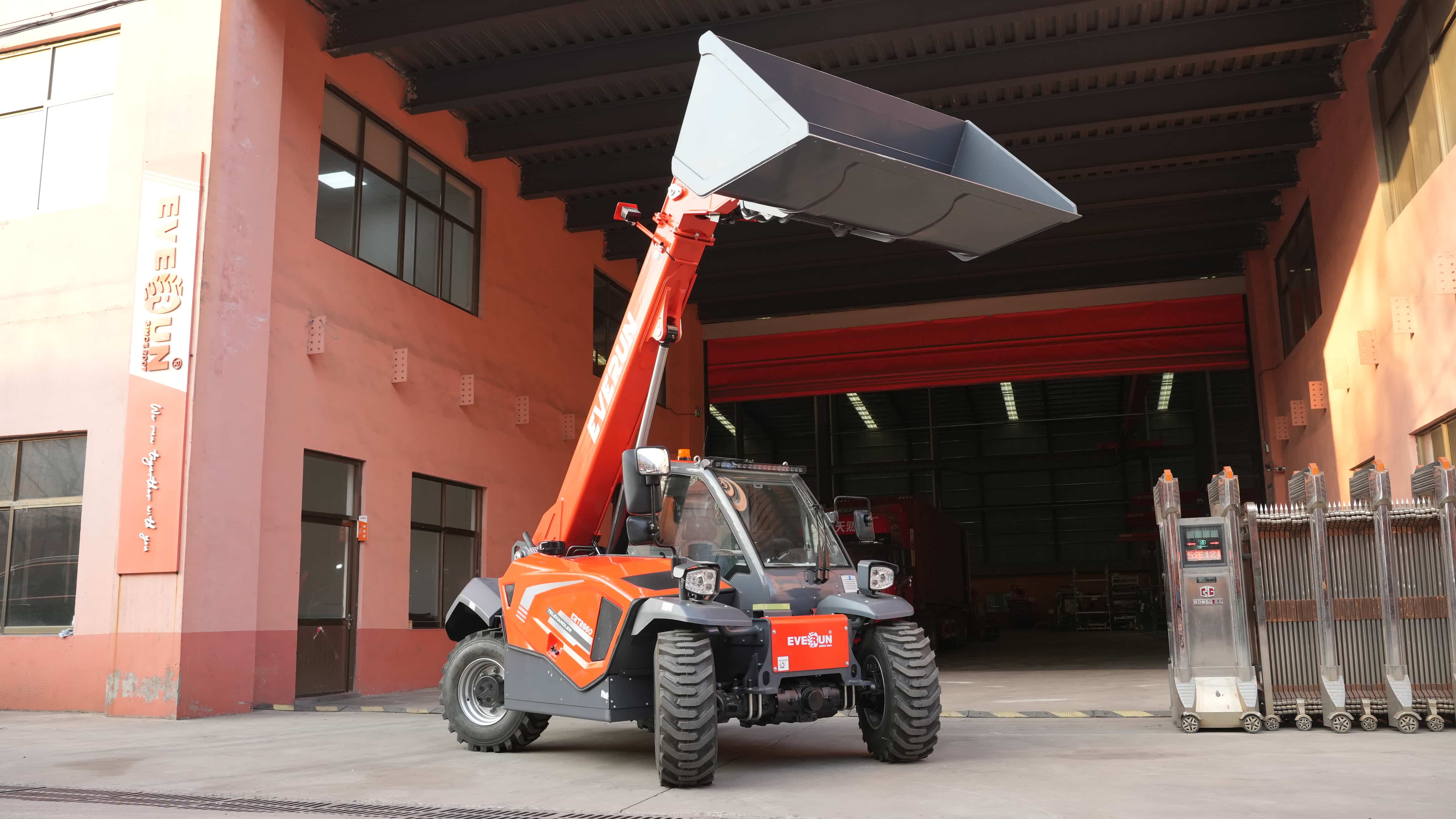
- ERT2860 telescopic wheel loader: Combines loader bucket with telescopic boom for material handling in warehouses and farms.
- ER08E electric mini loader: Suitable for indoor or emission-restricted environments, with zero emissions and low noise.
Market Trend Analysis: Growing Demand for Value-Focused Equipment
Industry trends show a shift toward equipment that offers the best total cost of ownership rather than just the lowest sticker price. In markets like the EU and USA, where EVERUN already exports 100% of its production, buyers increasingly demand machines that meet strict emissions standards while remaining affordable. The rise of electric and compact loaders further opens opportunities for manufacturers that can deliver both lower acquisition cost and lower operating expenses. EVERUN’s expansion of its electric lineup — including the ER08E — aligns with this trend, although its electric models currently represent a smaller portion of total sales compared to diesel variants.
Comparison with Traditional Solutions: An Honest Limitation
While EVERUN wheel loaders offer a 30-50% cost advantage over international brands like Caterpillar and Komatsu, there is a trade-off in brand recognition and resale value. Established international brands often maintain higher residual value after several years of use, which can offset part of the initial premium. However, for buyers who plan to hold equipment for its full service life rather than resell, EVERUN’s lower purchase price and reduced spare parts cost can yield a higher overall return on investment. Additionally, its service network — built through overseas subsidiaries — is still expanding, meaning availability of parts and service in remote regions may not yet match that of top-tier global brands.
Future Outlook
EVERUN continues to invest in R&D, with a team of 30 engineers focused on product improvement and new model development. The company’s vision — built on the pillars of “Safer, Greener, and More Efficient” — suggests a push toward more electric and intelligent machines. As global demand for compact and electric loaders grows, EVERUN is well-positioned to capture market share among cost-conscious buyers who do not want to compromise on compliance or operating efficiency.
Frequently Asked Questions
Q: How much can I save upfront by choosing EVERUN over a brand like Caterpillar or Komatsu?
A: EVERUN offers 30%-50% lower initial investment and 30%-50% lower purchase cost compared to international brand alternatives, based on company data.
Q: Will lower purchase cost result in higher maintenance expenses later?
A: No. EVERUN’s lower spare parts cost and faster service — supported by overseas subsidiaries that provide localized technical support and parts inventory — help keep total ownership costs down.
Q: Are EVERUN machines compliant with emission regulations in Europe and North America?
A: Yes. EVERUN wheel loaders meet Euro V and Tier 4F engine regulations, and its overseas branches ensure machines comply with local emission and road requirements.
For a detailed product portfolio and technical specifications, download the official EVERUN brochure:
EVERUN Company Brochure (PDF)
Exporte este informe como PDF para lectura y uso compartido sin conexión.