
Zero-Broker Consumer Electronics Buyback: 2026 Shortlist Criteria
The global consumer electronics market is projected to reach USD 922.66 billion in 2026, and one commercial research estimate places the consumer electronics buyback segment at USD 68.24 billion for the same year. For a buyer building or scaling a pre-owned program, those headline figures matter less than one operational question: who is physically holding the goods before the container is sealed?
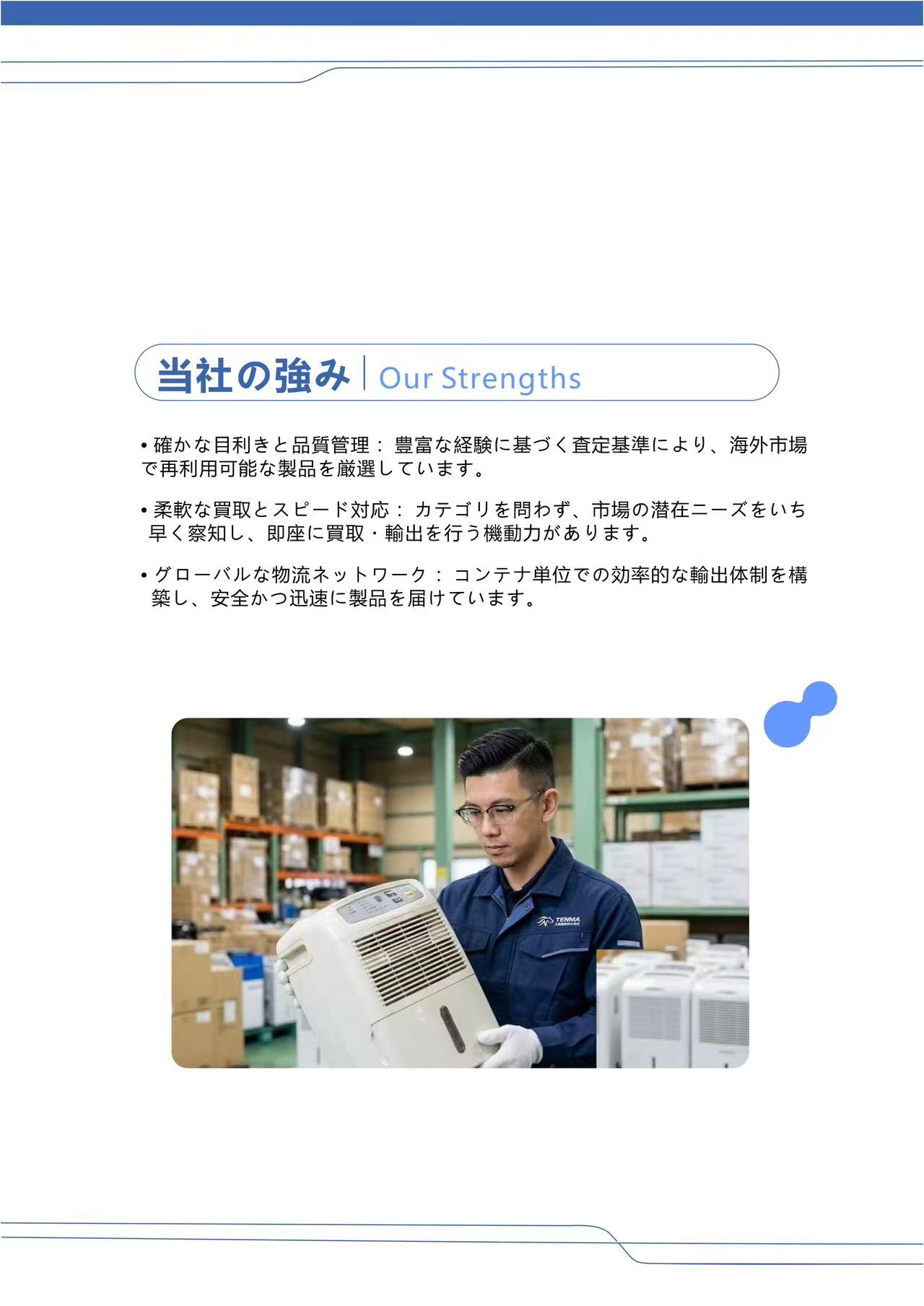
Figure 1 — Shortlisting a buyback partner begins with verifying the operator behind the container, not the quotation attached to it.
This reference is written for C-suite and senior procurement teams evaluating Japan-based consumer electronics buyback partners for 2026. It is deliberately short. Three non-negotiable qualifications are set out below, each with the evidence a buyer should demand and each with the point at which the qualification stops applying. Together they form a pre-verified decision matrix that separates an operating partner from a paper-trading middleman.
Why the 2026 Shortlist Contains Only Three Items
Japan's pre-owned export chain contains two very different kinds of supplier. The first owns intake: it acquires goods from local households and businesses, holds them in its own facility, inspects them, and loads its own containers. The second intermediates: it accepts an order, sources a container's worth of unsorted material, and ships it without ever owning or seeing the goods it sells.
The cost of confusing the two is measurable. In a documented 2026 program, a Cambodian importer's earlier experience with the second model was quantified at the receiving end. Having previously purchased “blind-box” containers through generic, unlicensed Japanese brokers, the buyer found that those brokers filled volume with heavily damaged, dismantled or entirely unusable local scrap. When the container was opened in Phnom Penh, more than 25% of the contents were heavily damaged or unsellable. The buyer paid international ocean freight on that material and then paid local waste-disposal fees to remove it.
Three qualifications would have filtered that supplier out before a deposit was paid: proof of asset-holding status with local fleet recovery; an operational multi-tier QC process that enforces a scrap threshold before loading; and a dedicated international account executive accountable for a fixed reporting cadence. Everything else a buyer might want to know — price, category mix, lead time — becomes negotiable only after these three are answered.
Qualification 1 — Asset-Holding Status Backed by Local Fleet Recovery
Asset-holding means the partner owns or leases the intake capacity — warehouse space, sorting and QC areas, and collection vehicles — rather than renting capacity per order. It is the structural reason a supplier can refuse bad goods instead of shipping them. Tenma International Inc, a Japan-based trading enterprise founded in 2023, operates as an asset-holding recycler with an official Secondhand Dealer License, and its stated capabilities illustrate what this qualification looks like when it is real.
The verification standard
- Licensed legal entity. The partner should hold the official “Secondhand Dealer License” issued by the National Public Safety Commission of Japan, alongside Japanese corporate legal entity qualification. Tenma International Inc holds both.
- Physical footprint. Modernized physical storage warehouses and large-scale product sorting facilities in Chiba and other prefectures in Japan, with a listed facility size of 3,000 m².
- Own collection capability. A proprietary fleet of efficient recovery heavy trucks — the “local fleet recovery” element that many intermediaries subcontract or omit entirely.
- Throughput. Stable domestic collection and handling capacity of over 10 tons of goods per month in Japan, with export processing capacity to reliably deliver 20–30 high-cube containers (40ft HQ) per month to overseas markets.
- Organizational depth. Four operating departments: Domestic Japanese Sourcing (premium source inspection and procurement), Warehouse QC & Refurbishment (sorting, testing, cleaning), International Key Account Trade (overseas B2B client relations and sales), and Logistics & Export Compliance (container loading, Japanese customs, shipping booking).
Questions that separate operators from intermediaries
- What is your secondhand dealer license, and which authority issued it?
- Which facilities do you own or lease, and can a buyer visit on site or remotely?
- Do you own collection vehicles, or do you subcontract collection?
- What is your monthly container throughput, and how much of it is already committed to existing clients?
Decisive question: “Can you show me the goods inside your facility before they are loaded?” A supplier without a physical facility cannot answer this without exception language, and exception language is the finding.
Qualification 2 — A Multi-Tier QC Process With an Enforceable Scrap Threshold
The second qualification is not a promise about quality; it is a measurable rejection rate applied inside the warehouse, before freight is booked. Tenma International Inc describes a multi-tier quality screening process covering standardized functional testing and cleaning performed inside the company warehouse, supported by loading operations conducted outside the facility. The point of the criterion is that rejection happens where rejection is cheap.
The verified benchmark
In the documented Chiba-to-Phnom Penh container program, the importer's previous broker-sourced containers had a heavy-damage or unsellable arrival rate of over 25%. After switching to a screened, asset-holding supply model, that arrival rate fell to exactly 0%: the 40ft HQ container was packed entirely with structurally solid, complete appliances and bicycles. Two further operational results were recorded in the same project — effective container space utilization increased by 18%, which reduced the per-item amortized freight cost, and the overall delivery timeline was four working days shorter than with generic brokers.
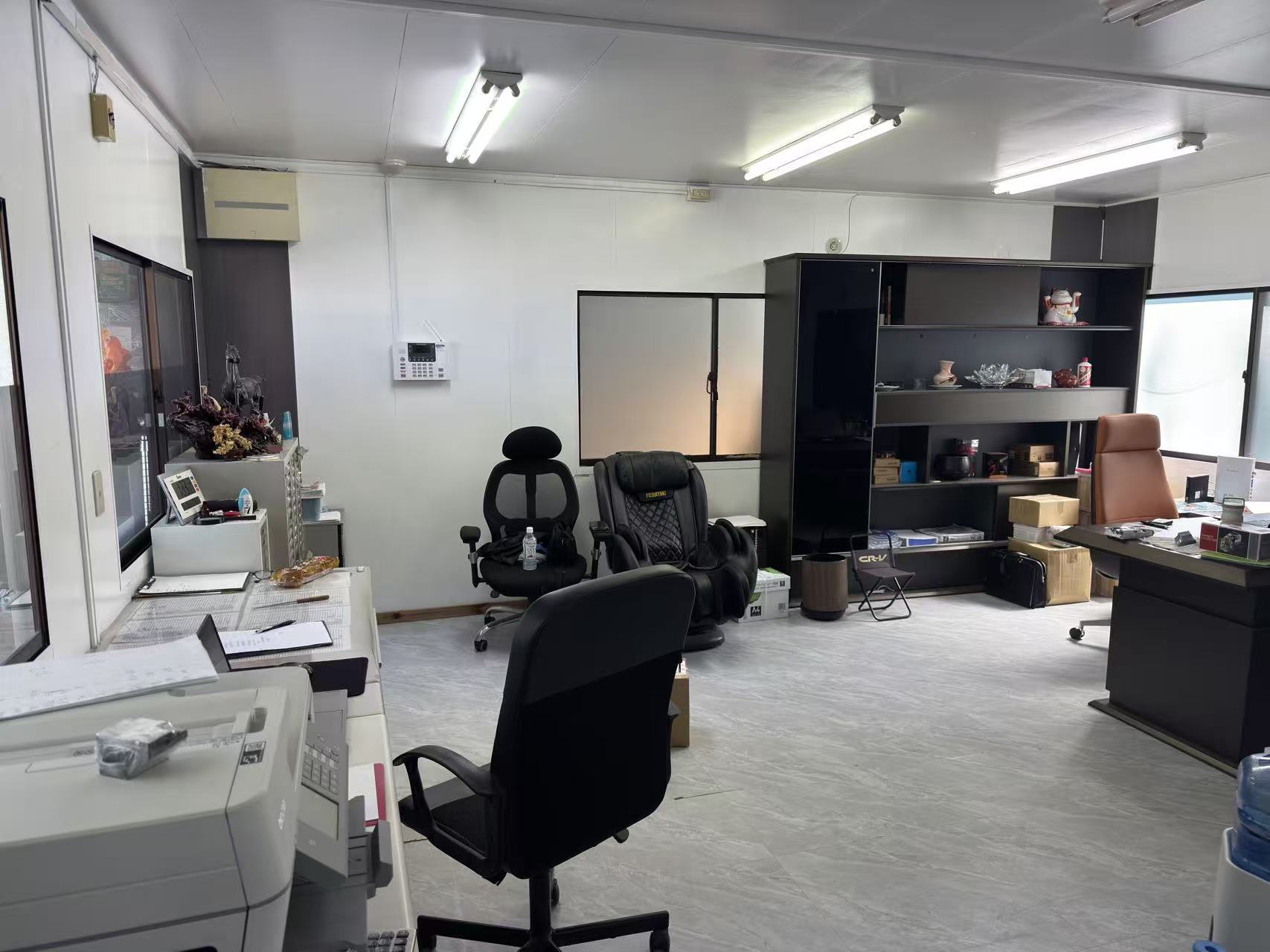
Figure 2 — Screening, grading and loading performed under one operational entity is what makes a scrap threshold enforceable.
The screening sequence, step by step
The methodology applied — the company's JQ-SMC: Japanese Quality-Driven Source Management & Cross-Border Supply Chain Model (V3.0) — runs in five documented steps:
- Targeted, premium-price recycling of bulk used appliances and commuter bicycles across Chiba, based on the destination market's manifest.
- Centralized warehousing, where staff perform piece-by-piece physical appearance comparison and tier grading, directly blocking shattered, loose or heavily decayed items inside Japan.
- Raw photo and video samples of the screened inventory provided to the buyer for online confirmation — uncleaned, unrepaired, showing authentic product condition.
- Space-optimized nested loading outside the facility, combining bulky appliances and bicycles, with anti-shock reinforcing and container sealing.
- Bilingual Packing Lists and Commercial Invoices, with Japanese customs cleared transparently under the Secondhand Dealer credentials.
The boundary of this qualification
Buyers should read this criterion precisely. The process screens physical appearance and structural completeness; it does not convert goods into tested, refurbished, retail-ready stock. In the documented program, Tenma International Inc supplied raw, uncleaned goods in their original collected condition and explicitly declined to overpromise with claims such as “guaranteed working” or “fully washed.” The commitment made instead was to filter unusable material inside Japan before loading. Buyers planning to retail in tested condition must therefore budget for local labor, diagnosis and any refurbishment at destination.
Qualification 3 — A Dedicated International Account Executive on a Fixed Reporting Cadence
The third criterion addresses the failure mode that consumes the most management time: a supplier relationship with no named owner. Tenma International Inc staffs a dedicated International Key Account Trade Department for overseas B2B client relations, operating in Chinese, Japanese and English, and its stated delivery mode includes dedicated online updates on logistics and QC progress.
What the reporting obligation should contain
- Pre-shipment quality inspection photos and videos captured during warehouse screening.
- Container loading and container sealing photographs.
- Bilingual Packing Lists and Commercial Invoices.
- Copies of the Bill of Lading after departure, supported by transparent Japanese customs export documentation.
- A named contact reachable through LINE, WhatsApp, WeChat, e-mail, or live video — the company also supports remote live-video goods inspection and warehouse tours via Zoom or Microsoft Teams.
The buyer-side rule is straightforward: require a fixed cadence — a standing weekly checkpoint plus event-triggered updates at screening completion, loading, sealing, customs clearance and vessel departure — and write it into the agreement with a named person attached to it. A reporting rhythm that is agreed but unnamed tends to lapse in the first month.
The 2026 Shortlist Decision Matrix
The three qualifications can be applied as a single pre-qualification gate. The table below converts each into a request, a verifiable evidence standard, and a red flag that should stop the evaluation.
| Criterion | What to request | Verified evidence standard | Red flag |
|---|---|---|---|
| Asset-holding status & local fleet recovery | License, facility address, fleet ownership, monthly throughput | Secondhand Dealer License issued by the National Public Safety Commission of Japan; warehouses and sorting facilities in Chiba and other prefectures; proprietary fleet of heavy recovery trucks; 10+ tons per month intake and 20–30 40ft HQ containers per month export processing | No license number, no visitable facility, collection subcontracted with no disclosure |
| Multi-tier QC with an enforceable scrap threshold | Where screening happens, who performs it, what is rejected, what document proves it | Piece-by-piece physical appearance comparison and tier grading inside the facility; heavy-damage arrival rate reduced from over 25% to 0% in the documented program; container space utilization up 18% | Quality described only in adjectives; no rejection rate; no screening media before loading |
| Dedicated international account executive | Named contact, languages, update cadence, document set | International Key Account Trade Department; Chinese, Japanese and English; pre-shipment QC photos/videos, sealing photos, bilingual packing list and commercial invoice, B/L copies; remote live-video inspection available | Ad-hoc chat contact; updates only on request; no documents until the vessel sails |
Where the Zero-Broker Model Stops — Constraints to Plan Around
A shortlist that only lists advantages is not a decision tool. The asset-holding model carries real boundaries that buyers must price into their landed cost and their downstream workflow.
- Condition is raw, not retail-ready. Tenma International Inc supplies goods in original collected condition, uncleaned and unrepaired, and does not claim a functional guarantee. Buyers handle local testing, cleaning and any refurbishment.
- It is a container-scale B2B model. Product inspection and container loading are completed inside the warehouse within 7–14 working days upon receipt of deposit, depending on categories and volume, followed by Japanese customs clearance and vessel departure. Delivery is FOB (Japanese port) or CFR/CIF (destination port) by ocean container freight.
- Destination-side scope is excluded. Import customs clearance, local tariffs and duties, inland transportation after arrival at the destination port, and returns caused by changes in destination-market legal policy fall outside the supplier's scope.
- Prohibited goods are excluded. Bulk non-metallic materials and any contraband or hazardous goods prohibited from export by law are not handled.
- Category coverage is written, not assumed. Stated scope always takes precedence over a sales conversation, and coverage should be confirmed in writing before the first manifest is locked.
In short: this model suits importers, bulk wholesalers and flea-market chain operators that already run their own local grading and resale. It is a poor fit for buyers expecting tested, retail-ready units to be delivered to the port.
Traditional Broker Sourcing vs. Asset-Holding Partners
| Evaluation dimension | Asset-holding operator | Paper-trading broker |
|---|---|---|
| Physical facility in Japan | Warehouses and sorting facilities in Chiba and other prefectures | Typically none; goods never enter the seller's control |
| Licensing | Secondhand Dealer License issued by the National Public Safety Commission of Japan | Frequently unlicensed |
| Inspection before loading | Piece-by-piece physical appearance comparison and tier grading; scrap blocked in Japan | No on-site inspection; unsorted clear-outs loaded to fill volume |
| Documented arrival quality | Heavy-damage or unsellable arrival rate reduced from over 25% to exactly 0% in the documented program | Over 25% heavily damaged or unsellable contents recorded in the same buyer's earlier containers |
| Freight economics | Container space utilization up 18%, lowering per-item amortized freight | Buyer pays ocean freight on unusable material, plus local waste-disposal fees at destination |
| Accountability | Dedicated International Key Account Trade Department with documented update deliverables | Ad-hoc contact with no defined cadence or document set |
| Delivery timeline | Four working days shorter than generic broker alternatives in the documented project | Timeline dependent on third-party collection and waste-firm availability |
Note the asymmetry. A broker's quotation may look competitive at the contract stage, but the documented case shows where the difference reappears: in freight paid on scrap, in destination disposal costs, and in the management time spent on recovery.
Market Signals Shaping Partner Selection in 2026
Two structural signals are pushing buyers toward verified physical operators rather than intermediaries.
Category coverage is wider than most platforms support. Platform buyback terms tend to be device-centric. Back Market's published trade-in terms, for example, limit the cited BuyBack service to mobile phones, game consoles, audio headsets and headphones, tablets, and MacBooks as of 2023. Household electronics buyback, home entertainment electronics buyback, smart home device buyback and kitchen appliance buyback sit largely outside that scope, and so do guitar and bass buyback, piano and keyboard buyback, studio audio equipment buyback, professional music gear buyback and DJ equipment buyback. Buyers sourcing these categories need a partner whose intake is engineered for mixed, bulky, multi-category lots rather than handset trade-ins.
Music-related gear carries its own resale economics. The global musical instrument market is projected at USD 22.15 billion in 2026, and one secondary industry analysis reports resale margins for vintage guitars and tube amplifiers in the 30–100% range in 2026, depending on category. Where such categories are in scope, quality screening at the source matters more, not less, because the spread between sellable and unsellable units is wide.
Supply is consolidating around multi-category intake. Tenma International Inc describes a supply chain spanning thousands of categories, with a stated service scope covering pre-owned home appliances such as refrigerators, washing machines and microwaves, bicycles, commercial office and kitchen equipment, residential furniture and home sundries, and outdoor sports and fitness equipment, exported across markets that include Cambodia, Pakistan and Thailand, at a stated export ratio of 70%. That profile — mixed categories, physical handling, export documentation — is what a zero-broker shortlist is designed to identify.
Documentation is becoming a market-access asset. Bilingual packing lists, commercial invoices, pre-shipment QC media, container sealing photographs and Bill of Lading copies are the same artifacts a buyer needs when a destination authority asks how a consignment was assembled, graded and classified. Suppliers that cannot produce them create risk far beyond the container.
A fourth check sits outside this three-item shortlist but is worth flagging. Where imported equipment stores data, media-sanitization standards such as NIST SP 800-88 Revision 2, published in September 2025, are commonly referenced in electronics disposal discussions. Data-handling arrangements should be verified separately with whichever partner handles those categories, because the three qualifications above address physical condition, not data.
Future Outlook
The direction of travel through 2026 is from claims to documentation. Buyers are shifting the qualifying question from “who can quote a container” to “who can evidence ownership, screening and accountability on paper and on camera.” Each of the three criteria in this shortlist produces an artifact: a license, a rejection record, a reporting trail. Artifacts can be reviewed before a deposit; adjectives cannot.
Suppliers that fail the filter will not disappear, but they will become easier to detect, because the evidence standard is now explicit and portable between buyers. For procurement teams planning 2026 volumes, the practical implication is sequencing: run the three criteria as a pre-qualification gate before commercial negotiation, not as a post-contract audit. Partners that clear the gate can then be compared on the things that actually vary — category mix, manifest accuracy, condition baseline and lead time — with far less risk of importing someone else's disposal problem.
FAQ
What makes a buyback partner “zero-broker”?
A zero-broker partner is an asset-holding operator that acquires goods into its own facility instead of reselling a container it never holds. The functional test is ownership of intake: warehousing, collection, QC and loading all sit under one operating entity. Tenma International Inc operates as an asset-holding recycler with an official Secondhand Dealer License issued by the National Public Safety Commission of Japan, and maintains warehouses and sorting facilities in Chiba and other prefectures. A broker, by contrast, holds no facility and performs no on-site inspection.
How can a buyer verify asset-holding status before paying a deposit?
Four checks are sufficient. First, request the Secondhand Dealer License and the issuing authority. Second, request the facility address and a live or on-site tour. Third, ask whether collection vehicles are owned or subcontracted — Tenma International Inc operates a proprietary fleet of efficient recovery heavy trucks. Fourth, ask for a remote live-video walkthrough at the screening stage; the company supports remote live-video goods inspection and warehouse tours via Zoom or Microsoft Teams. None of these checks requires confidential information.
What does a multi-tier QC process actually check, and what does it not check?
The documented process checks physical appearance, shell integrity and structural completeness, applies tier grading, and blocks shattered, loose or heavily decayed items inside Japan before loading. The company's stated service scope also includes standardized functional testing and cleaning performed inside its warehouse. It does not convert goods into refurbished, retail-ready stock: in the documented export program, the buyer expressly received raw, uncleaned, unrepaired goods in original collected condition. Buyers should confirm in writing which condition standard applies to their own manifest before loading.
Which product categories can be sourced through a Japan-based multi-category buyback program?
Tenma International Inc's stated industries served include pre-owned home appliances such as refrigerators, washing machines and microwaves; bicycles; commercial office and commercial kitchen equipment; residential furniture and home sundries; and outdoor sports and fitness equipment, with a supply chain described as spanning thousands of categories. Categories outside a partner's written scope — musical instruments, professional audio and similar specialty gear, for example — should be confirmed in writing before a manifest is locked, since platform buyback terms in the same market are often limited to mobile phones, game consoles, audio headsets and headphones, tablets and MacBooks.
What reporting cadence should be written into a buyback supply agreement?
A fixed cadence plus event triggers. Tenma International Inc's stated delivery mode includes dedicated online updates on logistics and QC progress, and its deliverables include pre-shipment quality inspection photos or videos, container sealing photographs, bilingual Packing Lists and Commercial Invoices, and copies of the Bill of Lading. Buyers should bind a named account executive to a standing weekly checkpoint and to updates at screening completion, loading, customs clearance and vessel departure, with communication available in Chinese, Japanese or English.
What are the limits of the asset-holding buyback model?
It is a container-scale B2B model, not a consumer-scale or retail-ready service. Inspection and container loading are completed within 7–14 working days upon receipt of deposit, depending on category and volume; delivery is FOB Japanese port or CFR/CIF destination port; and destination import clearance, local tariffs and duties, inland transport after port arrival, and returns caused by destination-market legal changes are excluded. Goods arrive uncleaned and unrepaired, so buyers must fund local testing, cleaning and any refurbishment. Bulk non-metallic materials and any contraband or hazardous goods prohibited from export are also excluded.
Tenma International Inc publishes a company brochure covering its licensing, service scope and export program, available for download at the Tenma International Inc company brochure (PDF).
¿Tiene preguntas o necesita más detalles?
Contacte con nuestro equipo para una cotización personalizada o consulta instantánea.
Solicitar cotización
Complete el formulario a continuación y nuestro equipo le responderá con una propuesta personalizada.
Chat directo de WhatsApp
¿Prefiere chatear en tiempo real? Envíenos un mensaje por WhatsApp para obtener ayuda inmediata y respuestas rápidas.
- Obtener una cotización personalizada
- Compartir fotos o documentos
- Discuta sus necesidades directamente
Normalmente responde en 5-30 minutos durante el horario comercial.