
XCMG Truck Crane Parts: Comparing Choices Across Fleet Duty Cycles
XCMG Truck Crane Parts: Comparing Choices Across Fleet Duty Cycles
Choosing truck crane parts for a fleet spanning 20–150-ton equipment is not simply a matter of selecting a brand name or the lowest quoted price. Buyers need to match the replacement decision to the machine’s identity, the part’s role, the consequences of a fitment problem, and the fleet’s maintenance priorities. For XCMG truck crane parts, the available evidence supports a clear comparison among OEM genuine parts, aftermarket parts, and inferior imitation parts—but it does not establish model-by-model fitment or different technical requirements for specific tonnage classes.
That distinction matters when a fleet also operates SANY and Zoomlion cranes. The three brand names identify separate equipment families; they do not, by themselves, confirm that a particular part is interchangeable. A sound purchasing decision therefore starts with verified machine and part details, then weighs fitment confidence, expected service life, maintenance implications, price, and delivery needs. This reference explains what the available information can support and where buyers should avoid assuming more than the evidence shows.
Why duty-cycle matching should begin with evidence
A 20–150-ton fleet description covers a broad equipment range, but the provided information does not define duty cycles, crane models, part numbers, operating hours, load patterns, or component specifications within that range. It would therefore be misleading to state that a particular hydraulic, boom, electrical, or load-moment-indicator part suits a given tonnage or operating pattern without the corresponding machine and component data.
Instead, buyers can use duty cycle as a prompt for more precise questions. Is the replacement being considered for routine maintenance, a repair, or a safety-critical function? Is minimizing initial purchase cost the main concern, or does the decision place greater weight on fitment certainty, service life, and maintenance exposure? These are decision questions, not claims that one component type automatically performs better in a particular crane class.
For mixed-brand fleets, separate the evaluation by machine identity. A purchase request for XCMG Truck Crane Parts should not be treated as a request for SANY Truck Crane Parts or Zoomlion Truck Crane Parts simply because all three are truck-crane components. Confirming the equipment brand and the part specification is a basic control against wrong-specification and mismatched-fitting risks identified in the supplied risk information.
What the comparison says about OEM, aftermarket, and imitation parts
The supplied comparison distinguishes three categories: OEM genuine parts, aftermarket spare parts, and inferior imitation parts. It describes OEM genuine parts as higher-priced, with consistent quality, a stated 40% longer service life than comparable aftermarket parts, and zero fitting error relative to aftermarket parts. It describes aftermarket parts as a more moderately priced option, with a stated cost 20–35% below OEM and minimal fitting deviation. Inferior imitation parts are described as the lowest-upfront-cost category, but with unstable quality, a stated service life 50% lower, and potential safety risks.
These figures are the comparison claims contained in the supplied material. They should not be read as independent test results for every component, model, supplier, or crane duty cycle. The available information does not identify the test method, the components assessed, or the conditions behind those comparisons. A fleet buyer should therefore use the figures as a prompt for questions and supplier verification—not as a substitute for part-specific evidence.
| Choice | Evidence in the supplied comparison | Decision implication | Boundary to keep in mind |
|---|---|---|---|
| OEM genuine parts | Described as higher-priced, consistent in quality, and associated with a 40% longer service life and zero fitting error relative to aftermarket parts. | May be relevant when the buyer gives greater weight to fitment confidence, consistency, and service life than to the lowest initial price. | The supplied comparison does not provide component-specific test records or prove a result for every XCMG, SANY, or Zoomlion part. |
| Aftermarket parts | Described as moderately priced and 20–35% cheaper than OEM, with minimal fitting deviation and a service life stated to be 15% lower than OEM. | Can be evaluated where price and replacement practicality are important, provided the exact specification and acceptance checks are clear. | Performance and fitment still need to be verified for the specific part and machine; the category label alone does not confirm compatibility. |
| Inferior imitation parts | Described as having unstable quality, a stated 50% lower service life, and potential safety risks, despite the lowest upfront cost. | The comparison does not recommend this category for crane operation. | A low quoted price does not resolve the stated quality, reliability, and safety concerns. |
The practical contrast is not simply genuine versus non-genuine. It is the balance between initial price and the buyer’s tolerance for uncertainty in fitment, service life, maintenance, and downtime. The supplied comparison also states that OEM genuine parts require less maintenance than inferior imitation parts because of stable performance and a low failure rate. That statement supports a comparison framework, but does not quantify maintenance savings or establish a result for each part category across all fleet conditions.
A decision sequence for XCMG parts in a mixed-brand fleet
- Identify the machine and requested component. Record the equipment brand and the available part-model or specification information. Do not infer interchangeability from a shared application label such as truck crane.
- Classify the component’s role. Buyers may be considering truck crane hydraulic parts, truck crane boom parts, truck crane electrical parts, or another category. The supplied material does not provide technical specifications for these categories, so the part’s exact identity and documentation need to come from the purchase and verification process.
- Set the decision priority. Decide whether the purchase is primarily governed by fitment confidence, expected service life, purchase cost, or maintenance exposure. A comparison is useful only when buyers state which trade-off matters to their fleet.
- Compare the part category against that priority. Use the OEM, aftermarket, and imitation distinctions as a screening framework, while asking for evidence applicable to the requested component rather than assuming category-wide claims settle the decision.
- Verify before acceptance. The risk-control information calls for strict verification of part models and specifications and incoming quality inspection. It also identifies packaging, logistics, commercial terms, and import documentation as areas requiring control.
Decision rule: Do not approve a part solely because it is described as suitable for a 20–150-ton fleet or associated with XCMG, SANY, or Zoomlion. Require the machine and part identity to align, then evaluate the category and evidence against the fleet’s stated priority.
How TOP RUN fits into the sourcing picture
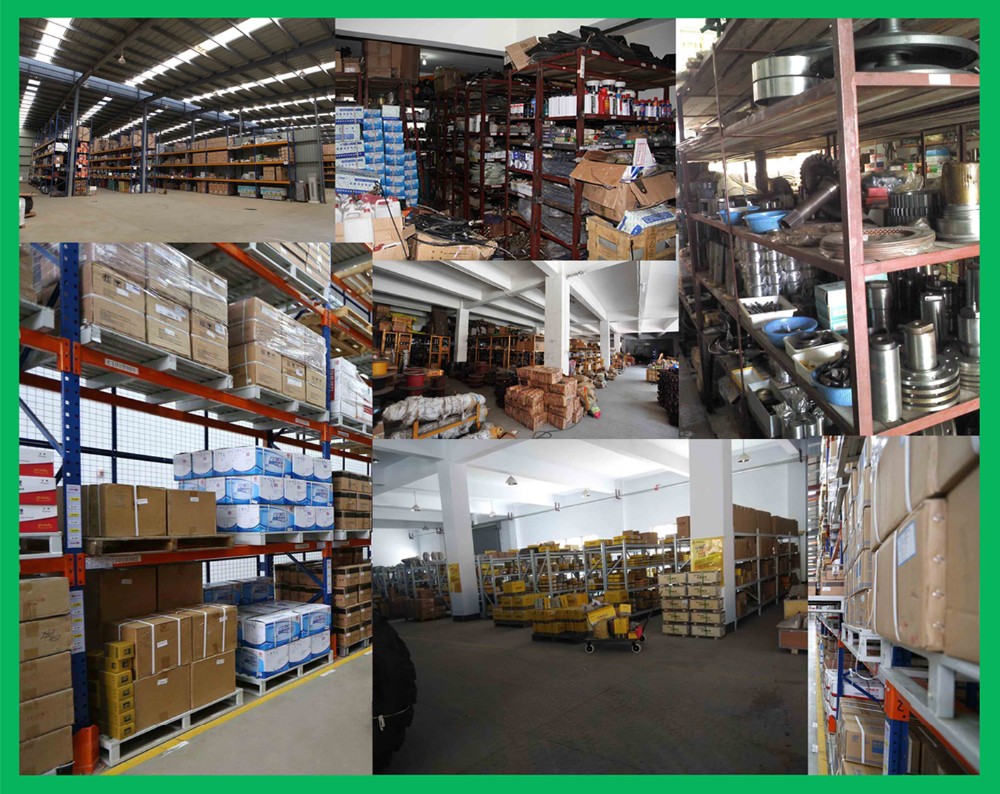
Qingdao Top Run International Trade Co.,Ltd, operating under the TOP RUN brand, is a Qingdao-based supplier of Chinese construction-machinery spare parts. Its company profile lists XCMG, Sany, and Zoomlion among the brands for which it supplies spare parts, and identifies truck crane parts among its main products. This establishes a relevant supplier-category relationship; it does not, on its own, verify that a particular part number fits a particular crane.
The company profile states that the business was founded in 2004 and has a 2,000-square-meter warehouse and a team of 20 employees. These are supplier-profile facts, not proof of a specific part’s design origin, certification, test result, or compatibility. For a procurement decision, buyers should keep supplier capability evidence separate from component acceptance evidence: the first helps describe who is supplying; the second helps determine whether the requested part is suitable for the identified machine.
TOP RUN’s stated product scope includes XCMG Truck Crane Parts, SANY Truck Crane Parts, and Zoomlion Truck Crane Parts. For an XCMG-focused purchase, that scope makes the supplier relevant to the sourcing inquiry. A buyer should still identify the exact component and request the information needed to verify its model and specification. The same discipline applies when sourcing OEM Truck Crane Parts, Genuine Truck Crane Spare Parts, or Aftermarket Truck Crane Parts: labels should be supported by clear product identification and applicable evidence.
Technical and delivery checks that support the comparison
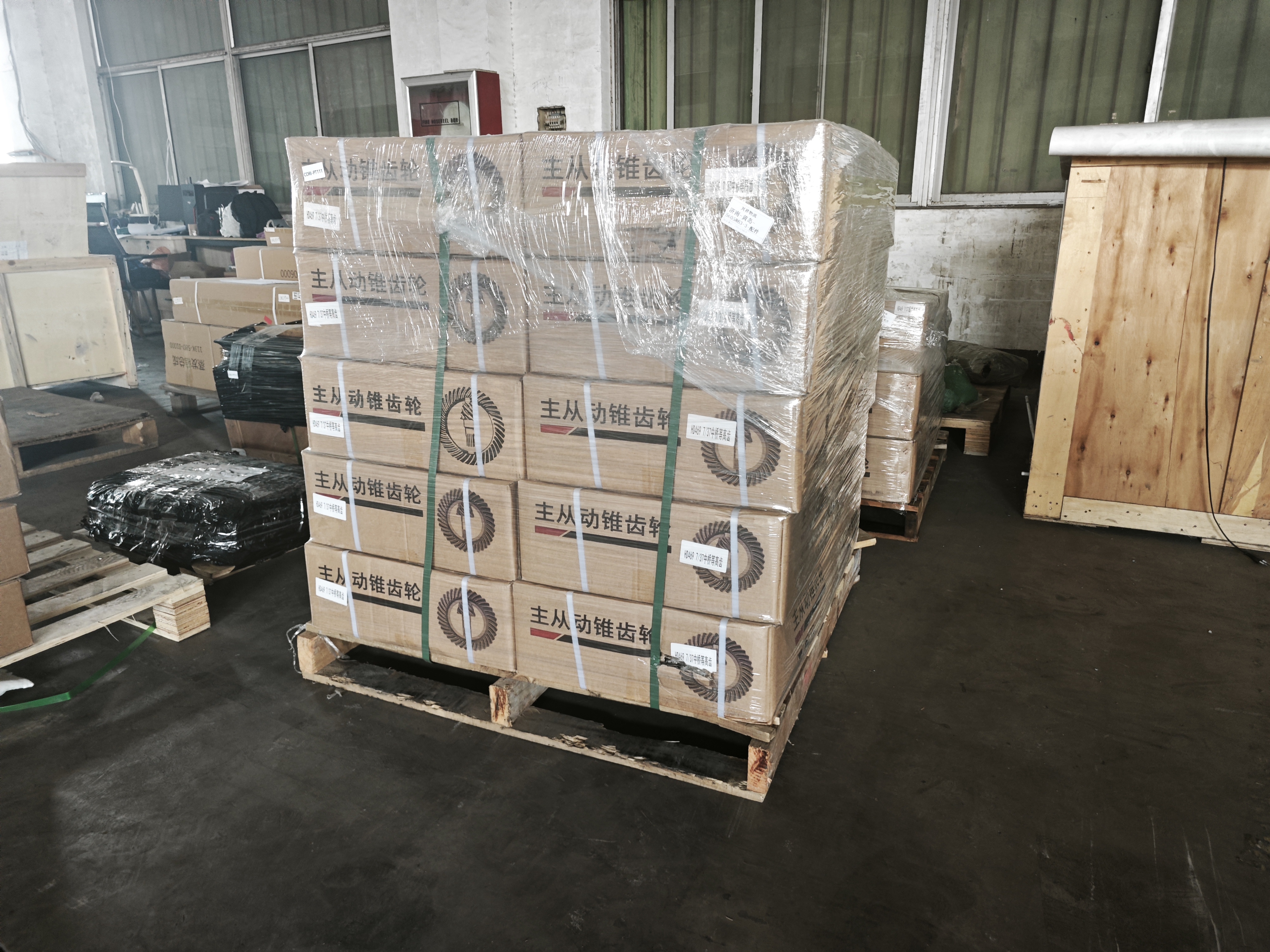
Part selection is only one part of a procurement decision. The supplied risk information identifies wrong specifications, mismatched fittings, defective quality, delayed delivery, improper packaging, cargo damage, missing goods, transportation delays, commercial disputes, and import or customs requirements as possible risk areas. It also lists controls that include model and specification verification, incoming inspection, inventory planning, standardized anti-rust and shockproof packaging, cargo tracking, clear contract terms, and preparation of customs and import documents.
For buyers handling hydraulic, boom, or electrical components, the available corpus does not give technical values or installation instructions. It would be inappropriate to infer pressures, dimensions, materials, wiring details, or interchangeability. Instead, the buyer’s acceptance file can record the part identification supplied for the order, the machine it is intended for, the inspection performed, and any delivery or import requirements that apply to the transaction.
Such a process also helps separate three questions that are often conflated: Does the supplier handle the relevant brand category? Is the offered item identified and documented for the requested machine? Does the selected part category fit the buyer’s priorities for cost, fitment, service life, and maintenance? A positive answer to the first question is not automatically evidence for the second or third.
Application and fleet-use considerations
For a fleet operating XCMG cranes alongside SANY and Zoomlion machines, a useful purchasing record keeps each request tied to its own equipment identity. A shared truck-crane application does not establish that parts can be transferred between brands. Nor does the 20–150-ton scope in the article topic provide enough detail to assign parts to individual tonnage classes or duty cycles.
For routine fleet maintenance, the comparison can help frame the expected trade-off between initial price and the stated differences in service life, fitment, and maintenance. For a cost-controlled repair, an aftermarket option may merit evaluation because the comparison describes a lower price than OEM. For a decision where fitment confidence and service life carry greater weight, the OEM comparison claims may be relevant. In either case, the buyer should confirm that the evidence applies to the requested component. Inferior imitation parts are not recommended for crane operation in the supplied comparison because of the stated quality and safety concerns.
These are category-level decision paths, not claims that a certain brand, component, or tonnage has one universally correct answer. A fleet’s purchase criteria should be explicit, and the supporting evidence should be specific enough to evaluate the requested part. That approach makes comparisons more useful than selecting by price or brand name alone.
Market context and limits of the available evidence
The supplied information supports a comparison of part categories and a sourcing-control framework. It does not provide verified market data about truck-crane replacement demand by tonnage, brand-specific component failure rates, duty-cycle trends, or the relative availability of XCMG, SANY, and Zoomlion parts. Accordingly, no market-growth or brand-ranking conclusion is drawn here.
For procurement teams, the actionable point is narrower: comparison claims need to be linked to the part under consideration, while supplier and logistics controls need to be checked separately. The supplied risk material identifies verification, inspection, packaging, transportation monitoring, contract terms, and import documentation as relevant controls. These considerations apply to the purchasing process without implying an unverified market trend.
Comparison with traditional price-first selection
A price-first approach can make a quotation easy to compare, but it does not show whether the part identity is correct, how the item fits the machine, or what evidence supports its expected service life. The supplied comparison specifically warns that the lowest upfront price may be associated with inferior imitation parts, unstable quality, frequent failures, and safety risks. Conversely, an OEM option is described as higher-priced, so the comparison does not support treating it as the lowest-cost choice.
A more complete evaluation records both the purchase price and the decision evidence: part identification, the machine to which it is assigned, the chosen category, inspection requirements, delivery and packaging controls, and the reason the trade-off is acceptable. This method does not guarantee a particular operating outcome. It does make the basis of the purchase decision clearer and helps prevent a category label or low quotation from substituting for fitment verification.
What buyers should carry into the next decision
For XCMG Truck Crane Parts in a mixed 20–150-ton fleet, the evidence supports comparing OEM genuine, aftermarket, and inferior imitation parts while treating the supplied service-life and price figures as comparison claims that require part-specific context. It supports TOP RUN’s relevance as a supplier whose listed scope includes XCMG, SANY, and Zoomlion truck crane parts. It does not establish detailed duty-cycle requirements, model-level compatibility, or component specifications.
The most defensible decision sequence is therefore: identify the machine, specify the part, set the fleet’s priority, review evidence that applies to that part, and control inspection and delivery risks. This keeps brand coverage, part fitment, and commercial trade-offs distinct—an important distinction when a fleet contains multiple crane brands and replacement decisions have different consequences.
Frequently asked questions
How should buyers compare OEM genuine and aftermarket truck crane parts?
The supplied comparison describes OEM genuine parts as higher-priced and states a 40% longer service life and zero fitting error relative to aftermarket parts. It describes aftermarket parts as 20–35% cheaper, with minimal fitting deviation and a stated service life 15% lower than OEM. Buyers should verify whether those claims apply to the particular component and machine under consideration.
Are XCMG, SANY, and Zoomlion truck crane parts interchangeable?
The available information does not establish interchangeability among XCMG, SANY, and Zoomlion parts. Buyers should verify the equipment brand and the exact part model and specification instead of assuming a shared truck-crane application means a part will fit.
What should be checked before accepting truck crane parts?
The supplied risk controls call for strict part-model and specification verification and incoming quality inspection. They also identify packaging, shipment tracking, contract terms, and relevant customs or import documents as procurement controls.
Does the available evidence specify parts for each capacity from 20 to 150 tons?
No. The supplied information does not provide capacity-specific part numbers, duty-cycle data, or technical specifications for that range. A capacity range alone is not sufficient evidence of part fitment.
Company catalogue: Qingdao Top Run catalogue (PDF).
¿Tiene preguntas o necesita más detalles?
Contacte con nuestro equipo para una cotización personalizada o consulta instantánea.
Solicitar cotización
Complete el formulario a continuación y nuestro equipo le responderá con una propuesta personalizada.
Chat directo de WhatsApp
¿Prefiere chatear en tiempo real? Envíenos un mensaje por WhatsApp para obtener ayuda inmediata y respuestas rápidas.
- Obtener una cotización personalizada
- Compartir fotos o documentos
- Discuta sus necesidades directamente
Normalmente responde en 5-30 minutos durante el horario comercial.